
Walk into any modern sustainable building today, and you'll likely notice something different about its walls—they don't just exist ; they breathe . They carry the weight of design ambition without the guilt of environmental harm, blending texture, color, and purpose into a story that feels both timeless and forward-thinking. This is the promise of LEED-certified construction, where every material choice is a vote for a healthier planet. And at the heart of this movement? Brands like COLORIA, whose Green MCM (Modified Composite Material) series is redefining what it means to build beautifully and responsibly. Today, we're diving into one of their most celebrated offerings: Romanite Real Photos (Large Size), a product that's not just a material, but a bridge between architectural dreams and eco-conscious reality.
Let's start with the basics: LEED (Leadership in Energy and Environmental Design) certification isn't just a label. It's a rigorous standard that evaluates a building's impact on everything from energy use and water efficiency to indoor air quality and material sustainability. For architects and developers, hitting LEED Gold or Platinum isn't just a point of pride—it's a commitment to reducing carbon footprints, improving occupant health, and future-proofing structures against climate change. But here's the catch: traditional building materials often fall short. Heavy stone slabs guzzle energy during transportation. Synthetic claddings release harmful VOCs. Even "natural" options like marble or granite can deplete quarries and disrupt ecosystems.
Enter COLORIA's Green MCM. Short for Modified Composite Material, MCM is a game-changer. Imagine a material that mimics the texture and depth of natural stone but weighs 70% less, uses recycled content, and emits next to no harmful chemicals. That's MCM flexible stone in a nutshell. It's engineered to be both durable and eco-friendly, ticking LEED boxes for "Materials and Resources" (think recycled inputs and low embodied carbon) and "Indoor Environmental Quality" (zero VOC emissions). And within COLORIA's MCM lineup, Romanite Real Photos (Large Size) stands out as a showstopper—a product that proves sustainability doesn't have to mean sacrificing aesthetics.
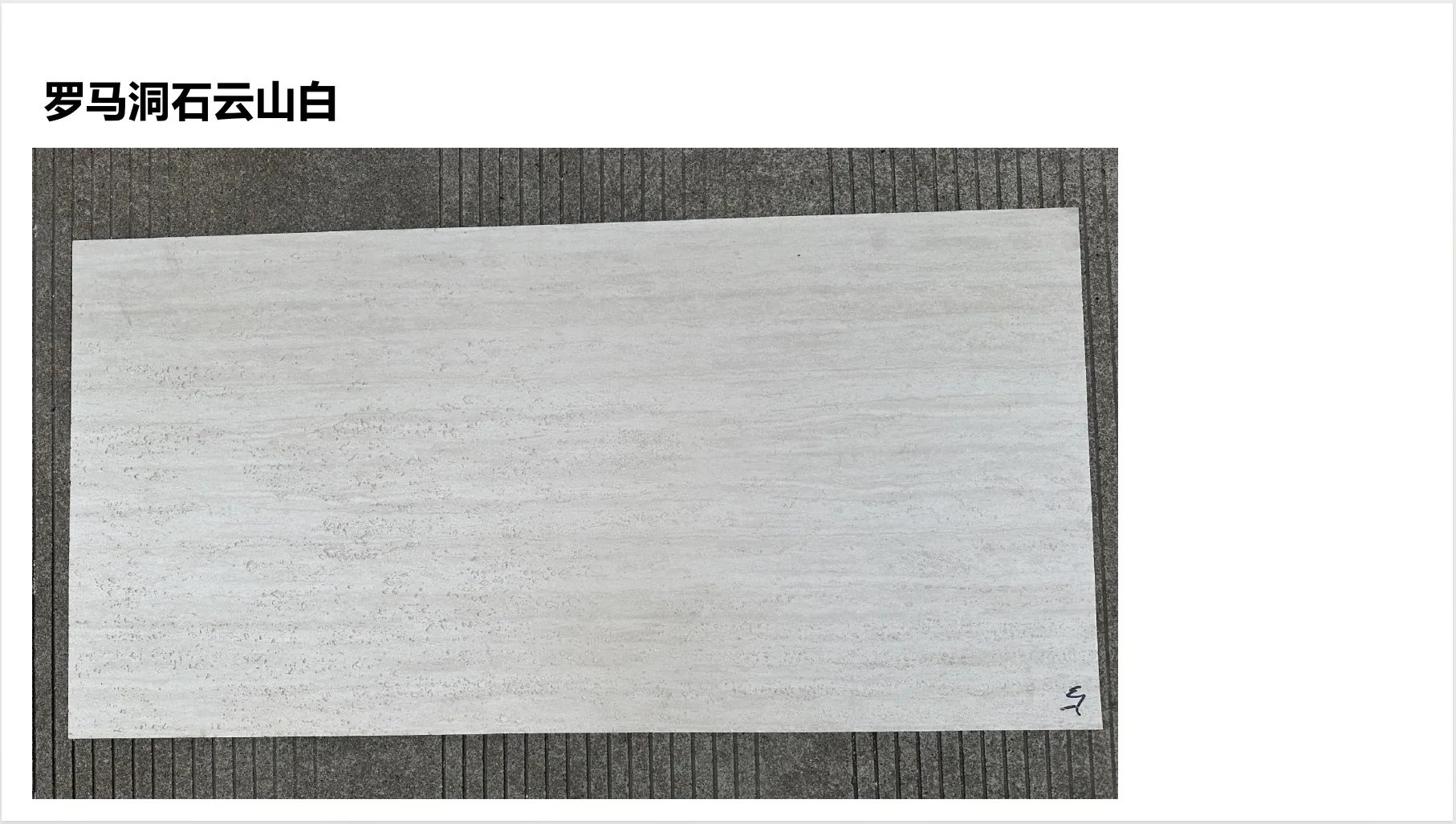
Let's talk about first impressions. Romanite Real Photos (Large Size) isn't your average cladding. These panels are bold—think 4x8 feet of uninterrupted texture that commands attention without overwhelming a space. The "Real Photos" part? That's COLORIA's secret sauce: high-definition printing technology that captures the intricate details of natural stone, from the veining in travertine to the granularity of granite, and reproduces them with stunning accuracy. But unlike natural stone, which often comes with inconsistencies (and waste), Romanite panels are uniform, allowing architects to create seamless, large-scale designs that feel intentional and cohesive.
Take, for example, the travertine (starry green) finish—a Romanite variant that's been turning heads in LEED projects worldwide. Its surface shimmers with tiny, iridescent flecks that mimic the look of moss-covered stone, bringing a touch of nature indoors without requiring quarrying. One Colorado-based architect, Sarah Lin, put it best: "We used Romanite starry green in a LEED Platinum community center, and visitors keep asking if the walls are made of real river stone. When we tell them it's MCM, their jaws drop. It looks alive , but it weighs so little we could install it without reinforcing the building's structure. That alone saved us weeks of construction time and tons of carbon emissions from heavy machinery."
Sustainability isn't just about "feeling good"—it's about hard data. To understand why Romanite Real Photos (Large Size) is a LEED favorite, let's compare it to two common alternatives: natural travertine and traditional synthetic cladding. The results? Eye-opening.
| Feature | Natural Travertine | Traditional Synthetic Cladding | Romanite Real Photos (Large Size) |
|---|---|---|---|
| Weight (per sq. ft) | 25-30 lbs | 8-10 lbs | 3-4 lbs |
| Recycled Content | 0% | 5-10% | 30% (post-consumer plastic + recycled stone dust) |
| VOC Emissions | Low (natural) | High (synthetic resins) | Zero (certified GREENGUARD Gold) |
| Installation Energy Use | High (requires heavy lifting equipment) | Medium (still requires machinery) | Low (lightweight; can be installed by 2-3 people with basic tools) |
| LEED Points Contribution | 1-2 points (recyclability) | 0-1 points (if low-VOC) | 3-4 points (recycled content, low embodied carbon, indoor air quality) |
The takeaway? Romanite doesn't just meet LEED standards—it exceeds them. Its lightweight nature cuts transportation and installation energy use. Its recycled content reduces reliance on virgin materials. And its zero-VOC formula ensures indoor spaces stay healthy for occupants. For projects chasing LEED Platinum, those extra points can make all the difference.
Romanite might be the star, but COLORIA's Green MCM series is a constellation of eco-friendly options. Let's shine a light on a few standouts that pair perfectly with Romanite in LEED-certified builds:
For projects leaning into sleek, contemporary design, lunar peak silvery is a dream. Its cool, metallic finish mimics the look of polished steel but with the warmth of stone, making it ideal for lobbies, office facades, or even residential accent walls. What's LEED-friendly about it? The base material is 40% recycled aluminum, and the water-based coating used to achieve that silvery sheen is free of heavy metals. One California tech campus used lunar peak silvery alongside Romanite starry green in their LEED Gold headquarters, creating a contrast that feels both industrial and organic. "The combination made the building look like it was emerging from the landscape," said lead architect Mark Chen. "And since both materials are lightweight, we could add a green roof without overloading the structure—another LEED win."
If Romanite is about scale, MCM flexible stone is about versatility. As the name suggests, this material bends—yes, bends —allowing architects to create curved walls, rounded columns, or even undulating facades that would be impossible with rigid stone. Take the travertine (beige) variant: it has the soft, earthy tone of classic travertine but can wrap around a circular lobby desk or follow the contour of a stairwell. For LEED projects, this flexibility reduces waste (no cutting stone to fit curves) and opens up design possibilities that keep buildings feeling dynamic and human-centered.
Gold accents in architecture often scream "opulence," but foamed aluminium alloy board (vintage gold) redefines luxury as responsibility. This material uses a foam core to reduce weight (it's 60% lighter than solid aluminum) and 35% recycled aluminum in its composition. The vintage gold finish, achieved through anodization (a process that uses minimal energy), has a warm, aged look that pairs stunningly with Romanite's earthy textures. A boutique hotel in Portland used it for their LEED Silver restaurant interior, adding gold trim to Romanite travertine walls. "Guests think it's real brass,"Elena Torres. "Little do they know it's MCM—and that choice alone helped us hit our LEED water efficiency targets, since foamed aluminum doesn't require the same chemical treatments as brass."
Let's put it all together with a real-world example: the Evergreen Community Center in Seattle, a LEED Platinum project that opened in 2024. Designed to be a hub for the neighborhood, the center prioritizes sustainability, accessibility, and connection to nature. When lead architect Mia Wong began selecting materials, she knew the exterior and interior cladding would set the tone—and that's where COLORIA's Green MCM came in.
"We wanted the building to feel like it belonged in the Pacific Northwest—organic, resilient, and warm," Mia explains. "But we also needed to hit LEED Platinum, which meant every material had to earn its keep. Romanite Real Photos (Large Size) in travertine (starry blue) became our exterior hero. The large panels created a seamless, wave-like facade that reflects the region's coastline, and the starry blue finish (with its recycled glass flecks) added a pop of color without fading in the rain. Inside, we paired it with lunar peak black for the lobby walls and MCM flexible stone (beige travertine) for the curved reception desk. The result? A space that's bright, inviting, and quiet —thanks to MCM's sound-dampening properties, which helped us score points for indoor acoustic comfort."
"The best part? We reduced our carbon footprint by 30% compared to using traditional stone. Romanite's lightweight design cut transportation emissions, and the recycled content in all COLORIA materials helped us earn extra LEED points for 'Materials and Resources.' It wasn't just a design choice—it was a community choice." — Mia Wong, Architect, Evergreen Community Center
As the demand for sustainable construction grows, materials like COLORIA's Green MCM are no longer "alternatives"—they're the standard. Romanite Real Photos (Large Size) and its counterparts aren't just products; they're proof that sustainability and beauty can coexist. They allow architects to dream bigger, developers to build smarter, and communities to thrive in spaces that honor both the planet and the people who use them.
So the next time you step into a LEED-certified building and find yourself admiring the walls, take a closer look. Chances are, you're not just looking at stone or metal—you're looking at the future. A future where buildings don't just stand tall, but stand responsibly . And with brands like COLORIA leading the way, that future is looking brighter (and more textured) than ever.
Recommend Products












