



Imagine a skyscraper that doesn't just pierce the clouds but also feels deeply connected to the earth. Picture its facade, not as cold, impersonal glass and steel, but with the warm, intricate, and organic texture of pine bark. It's a beautiful thought, isn't it? For years, architects and designers have dreamed of blending the raw, untamed beauty of nature with the soaring ambition of modern high-rise construction. It's a vision of cities that feel more human, more grounded, and more harmonious with the natural world.
But there has always been a massive, heavy problem standing in the way of this vision: reality. Traditional materials that mimic or replicate nature, like thick natural wood panels or heavy quarried stone, are incredibly heavy. The sheer logistics of lifting and securely fastening these materials hundreds of feet in the air is an engineering challenge, a financial burden, and a significant structural risk. The weight alone dictates so much of the building's design, often forcing compromises. So, for a long time, the dream of a naturally-textured high-rise remained just that—a beautiful but impractical dream. But what if I told you that technology has finally caught up with ambition? What if there was a way to achieve that stunning, authentic "pine bark board" aesthetic without the back-breaking weight and prohibitive costs?
The High-Rise Dilemma: Weight Versus Aesthetics
Let's get real about what it takes to build tall. In the world of skyscrapers, every single pound matters. Every ounce is accounted for, calculated, and engineered into the design. When you're designing a 50-story building, the weight of its outer skin—the cladding—has a profound ripple effect on the entire structure. Opting for heavy, traditional materials like natural stone panels, precast concrete, or thick-cut timber means the very skeleton of the building has to be stronger, thicker, and more robust simply to hold up its own skin.
This necessary over-engineering isn't a minor detail; it's a major cost driver. It translates directly into more steel, more concrete, and a more complex and expensive foundation. The entire structural load calculation changes, adding layers of complexity to the architectural and engineering processes. Then, there's the monumental task of getting those heavy panels from the ground to their final position on the 10th, 30th, or 50th floor. This requires bigger, more powerful cranes, which have a larger footprint and are more expensive to operate. It demands more specialized installation crews trained to handle heavy materials at great heights. The process is inherently slower, more methodical, and carries a higher risk. A single misstep during the hoisting or fastening of a multi-ton stone panel can have catastrophic consequences.
This is precisely why, for decades, the go-to choices for high-rise facades have been predominantly lightweight options. We see them everywhere: sleek glass curtain walls, thin aluminum composite panels, and metal sheeting. While these materials are practical, efficient, and relatively safe to install, they can often leave a building feeling cold, repetitive, and disconnected from a natural, tactile human scale. The aesthetic vision of a warm, textured, and organic building often gets compromised on the altar of practicality and budget. Architects have been caught in a frustrating tug-of-war between their creative aspirations and the unyielding physics of gravity.
The Dream of a Perfect Cladding Material
So, let's daydream for a moment. Let's imagine the ideal material for cladding a modern skyscraper, a material that could finally resolve this conflict. What would our perfect "pine bark board" for a high-rise building look like?
First and foremost, it would be incredibly lightweight. We're talking light enough that a large panel could be easily handled and positioned by just one or two workers, drastically simplifying the installation process. It would also need to be flexible. High-rise buildings aren't perfectly rigid structures; they are designed to sway and shift slightly in response to wind and thermal expansion. A brittle, inflexible material would be prone to cracking and failing under this constant, subtle movement. Our dream material would need to bend and flex with the building, maintaining its integrity for decades.
Of course, it has to be exceptionally tough. It needs to be a shield against the elements, standing up to scorching UV rays, torrential rain, freezing ice, and high-velocity winds. It must resist fading, chalking, and degradation from urban pollution for decades with minimal maintenance. And in the context of a densely populated urban environment, fire safety is absolutely non-negotiable. Our ideal material would have to achieve a top-tier fire-resistance rating, ensuring the safety of the building's occupants.
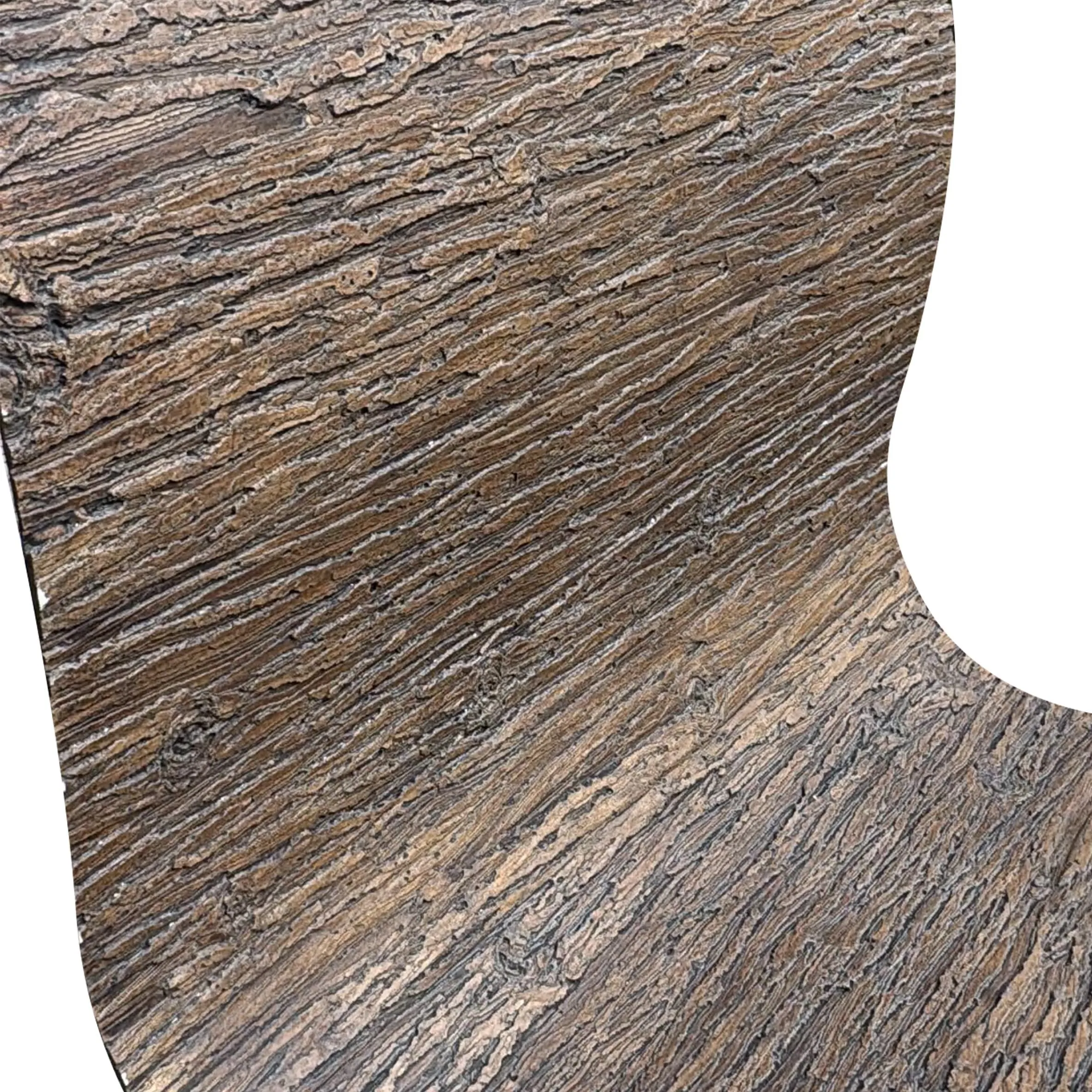
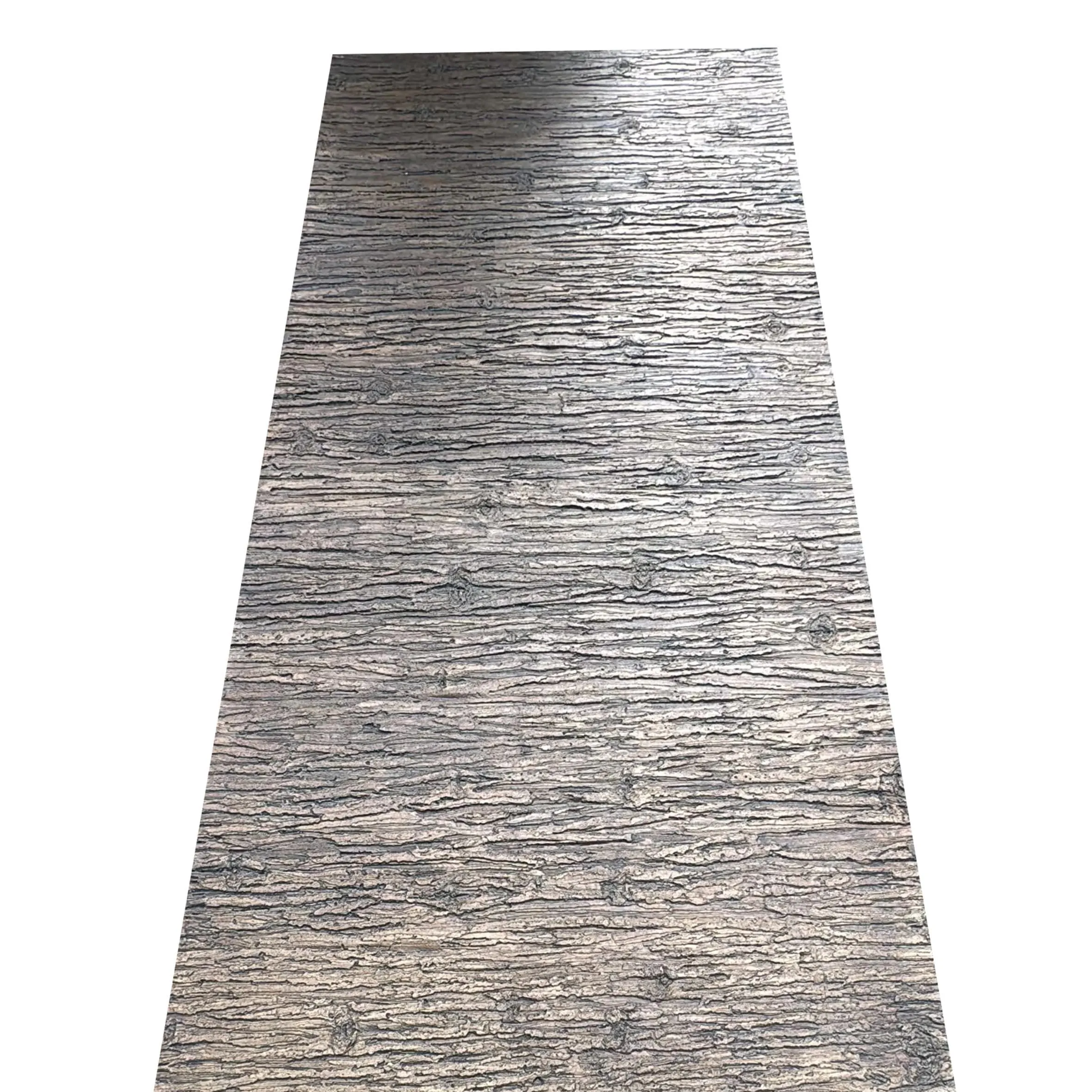
Finally, and perhaps most importantly, it has to look and feel real. A cheap imitation wouldn't do. It needs to capture every intricate groove, every subtle nuance of color, and every organic imperfection that makes natural pine bark so appealing. It needs to have a tactile quality that invites touch and a visual depth that changes with the light throughout the day. A material that is light, flexible, strong, safe, sustainable, and authentically beautiful. It sounds like a fantasy, doesn't it? A checklist of mutually exclusive properties.
The Game-Changer: Introducing Modified Cementitious Material (MCM)
Well, it's time to wake up from the daydream, because that fantastical material is no longer a fantasy. It exists, and it's poised to revolutionize how we think about building facades. It's called **Modified Cementitious Material**, or MCM, and it is the core innovation we have perfected here at COLORIA GROUP.
To understand MCM, you have to forget everything you think you know about traditional cladding like stone, ceramic, or concrete. MCM is not any of those things. It is a trailblazing composite material crafted from a sophisticated blend of natural, earthen ingredients—like common soil, sand, and mineral stone powder—which are then combined with special water-based polymers and shaped through a unique, low-temperature curing process. Think of it as taking the fundamental essence of the earth and re-engineering it at a molecular level to be better, stronger, and unbelievably light.
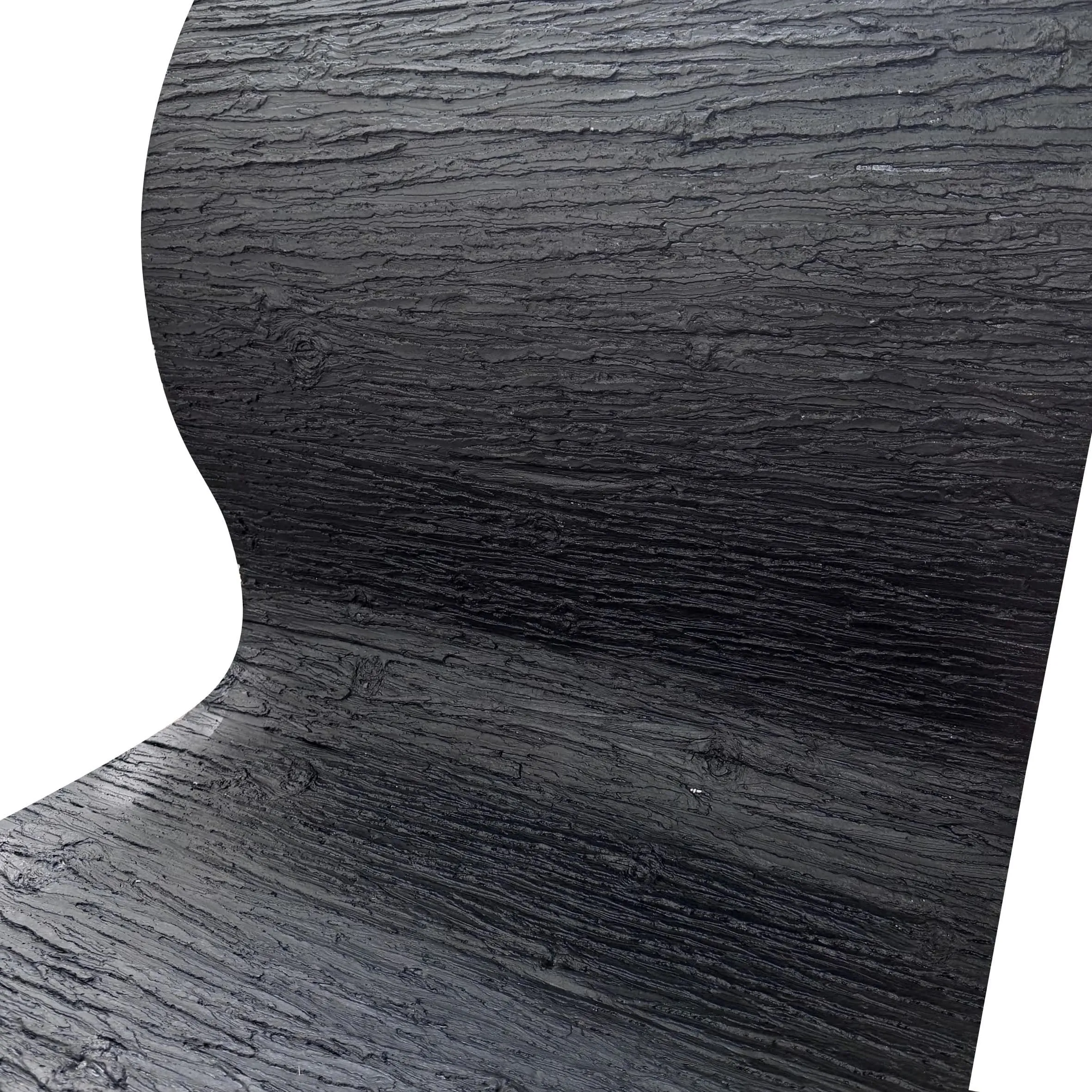
The result is a material that possesses a startling combination of properties. It weighs a mere fraction of traditional stone or ceramic tiles of the same dimensions, yet it exhibits incredible tensile strength and flexibility. You can literally bend a thin sheet of it without it breaking. This unique combination makes it a true game-changer, a disruptive technology that is turning long-held architectural fantasies into buildable, cost-effective realities. This isn't just another new product on the market; it represents an entirely new way of thinking about how we can and should clad our buildings.
Achieving the "Pine Bark" Look with MCM Flexible Stone
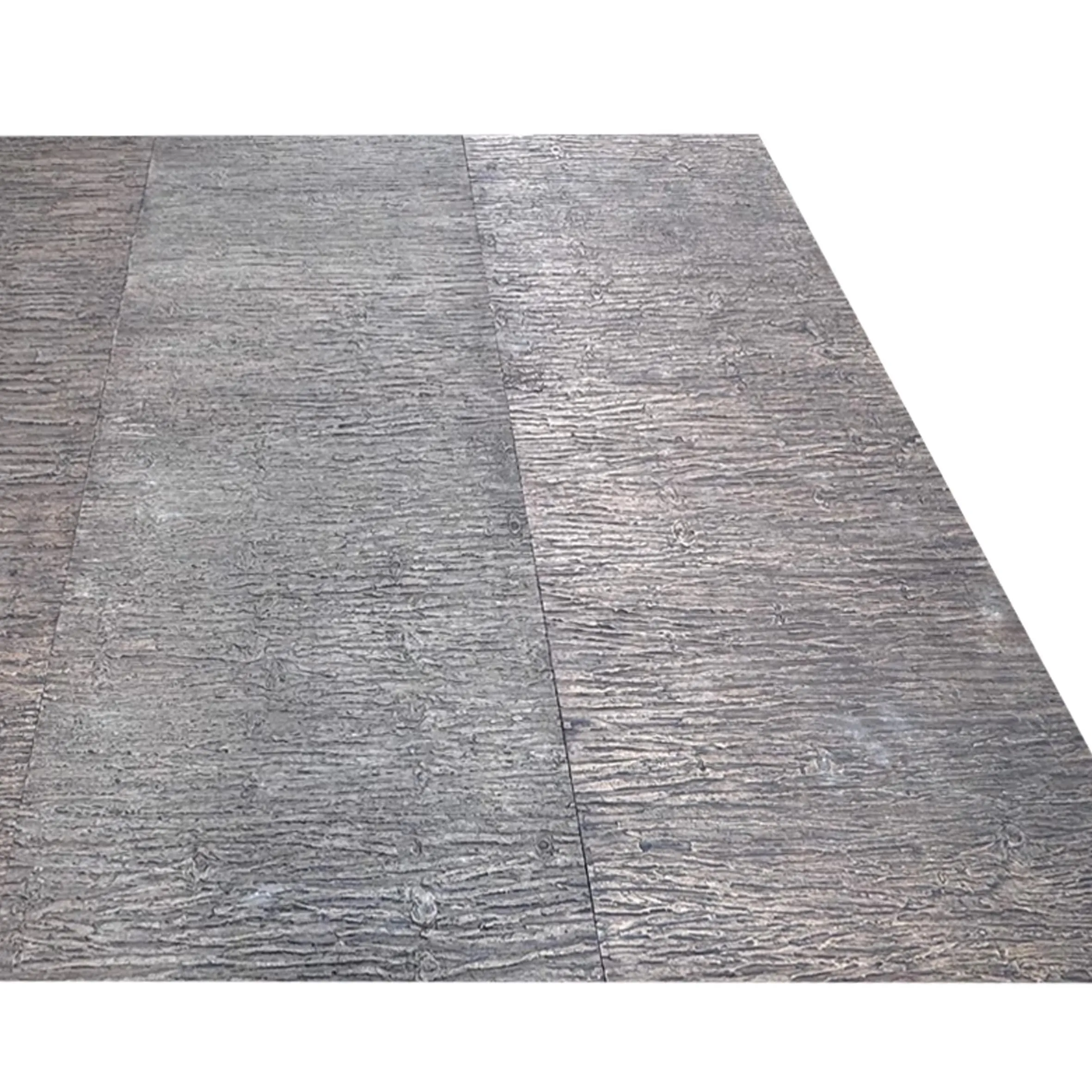
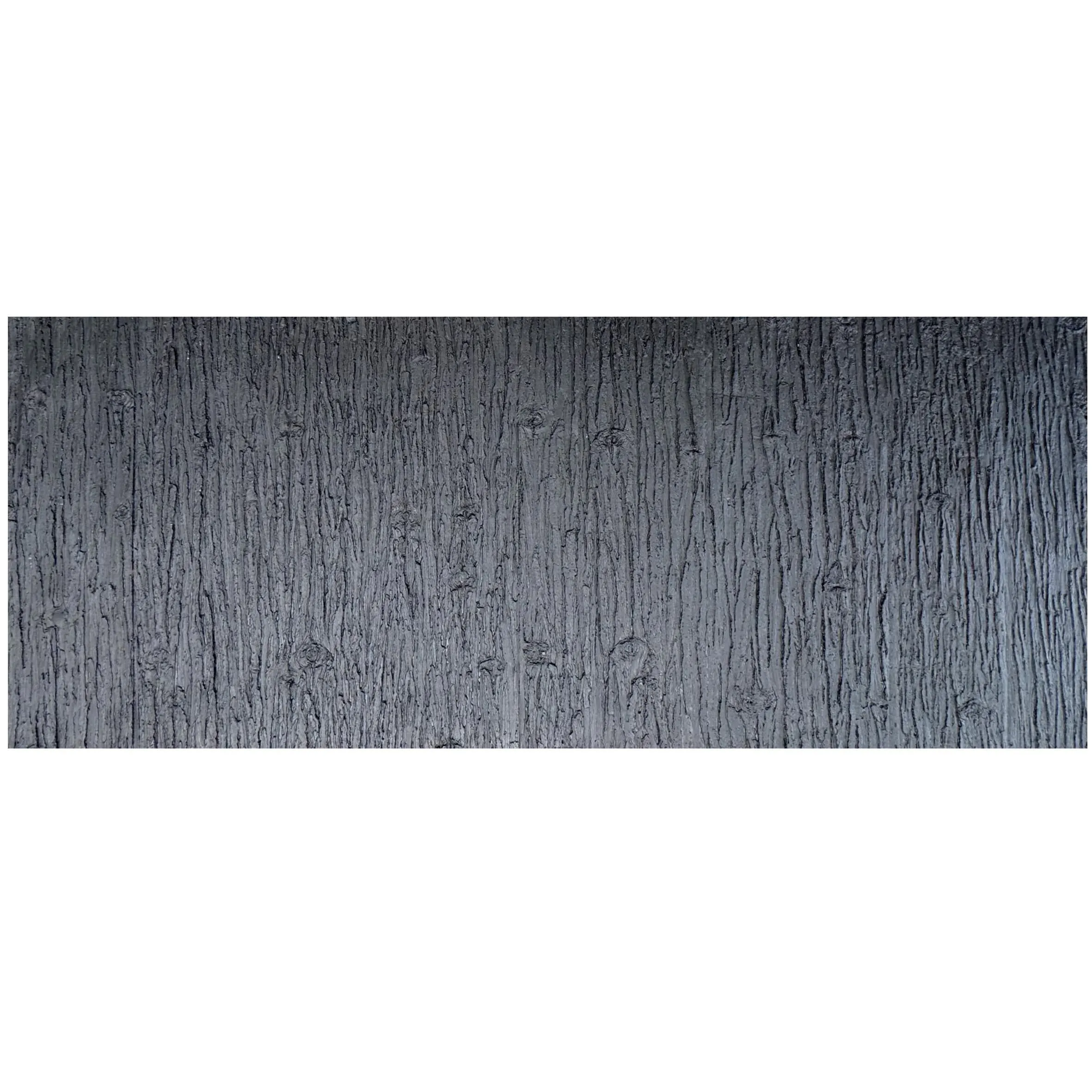
This is where the magic truly happens. How do we use this incredible technology to create that perfect, authentic pine bark texture we've been talking about? We achieve this with our specialized **MCM Flexible Stone** series. This is not some flat panel with a repeating digital print of bark on it. The process is far more organic and sophisticated.
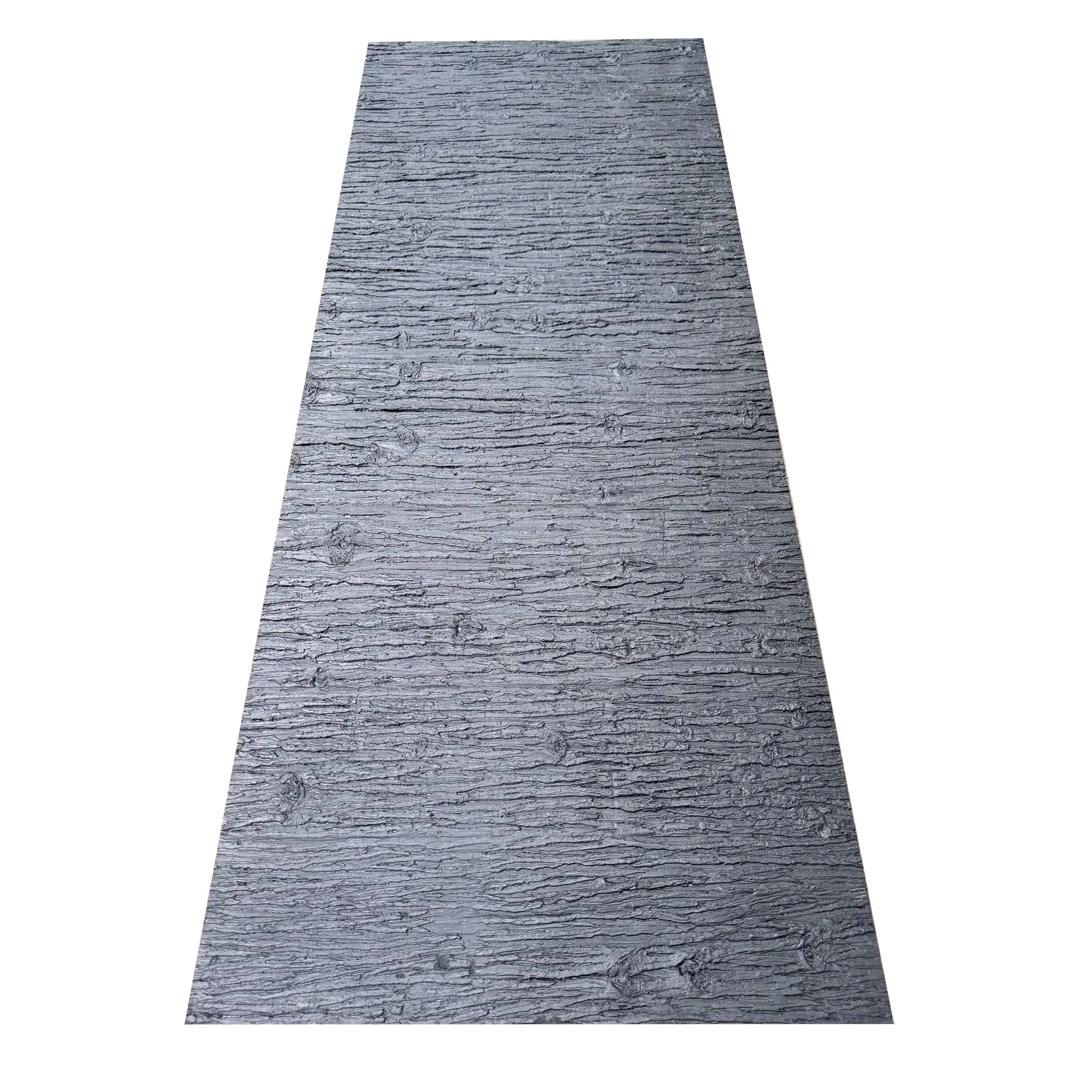
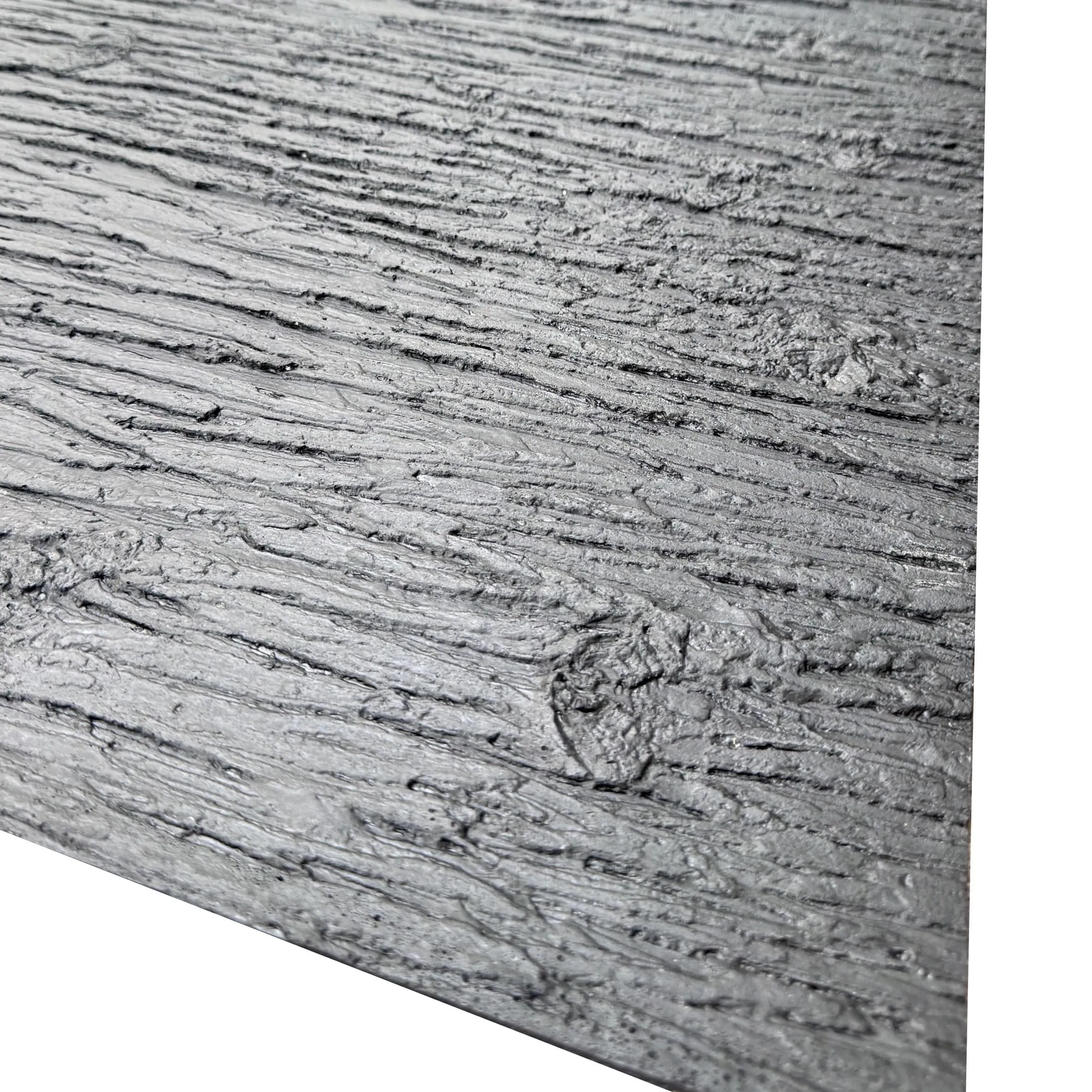
We start with nature itself. We create high-fidelity molds directly from real, hand-selected natural surfaces. These could be beautiful pieces of weathered pine bark, slabs of natural slate, blocks of rough-hewn sandstone, or panels of aged wood. The MCM mixture, in its pliable state, is then carefully applied to these molds. This process allows the material to capture every single microscopic detail of the original surface—every groove, every fissure, every subtle undulation. The coloring is not a surface-level paint; it's an integral process where pigments are blended into the material itself, ensuring that the tones and shades are deep, varied, and as natural as the source.
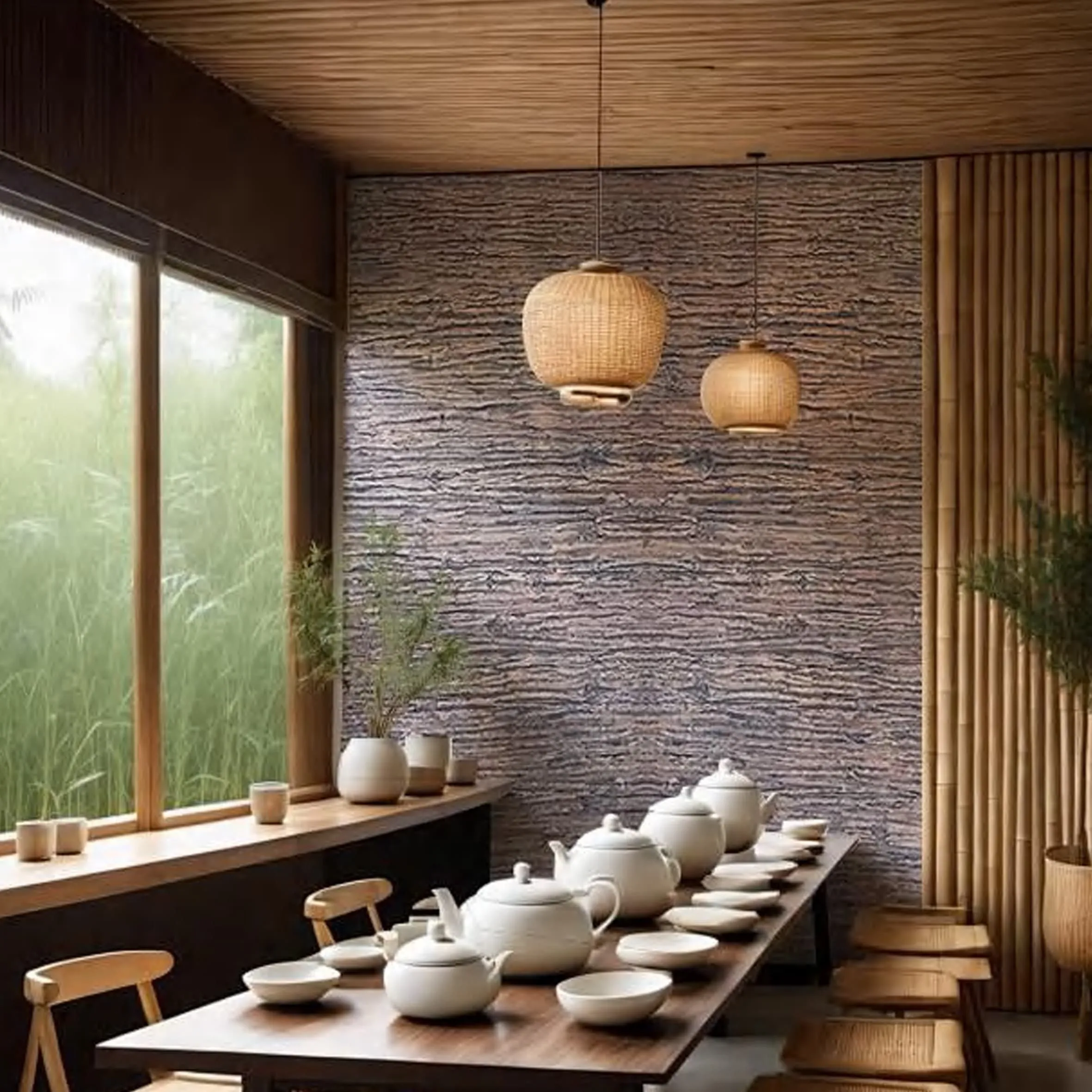
The result is breathtakingly realistic. When you run your hand over a panel of our MCM pine bark, you don't just see the texture; you feel it. You feel the characteristic ridges and grooves. You see the subtle, non-repeating shifts in color that give it life. It possesses the tactile and visual authenticity that discerning architects and their clients demand. Furthermore, because this product is part of our **MCM Flexible Stone** line, its inherent pliability allows it to be gently curved to wrap seamlessly around columns, create flowing organic corners, or form dynamic, undulating facades that would be prohibitively expensive or physically impossible with rigid stone or wood. It gives you the soul and beauty of nature, fortified with the performance and versatility of advanced material science.
Beyond Replication: Customization with the MCM 3D Printing Series
Replicating nature with perfect fidelity is a remarkable achievement. But what if you don't just want to replicate nature? What if your architectural vision calls for something entirely new, a texture born from pure imagination? That's where our cutting-edge **MCM 3D Printing Series** comes into play.
This technology completely liberates facade design from the constraints of existing natural textures. By integrating advanced 3D modeling software with robotic carving and printing techniques, we can create completely custom-designed surfaces on the MCM material. Do you envision a facade with a unique parametric pattern that shifts across the building's surface? A flowing, wave-like texture that evokes the movement of water? Or perhaps an intricate artistic motif that tells a story or represents a corporate brand? With the **MCM 3D Printing Series**, we can make it happen.
This process allows architects to literally sculpt the skin of their buildings, creating bespoke facades that are true one-of-a-kind works of art. It combines all the proven lightweight, durable, and flexible benefits of our standard MCM with the ultimate prize: limitless design freedom. This is the next frontier in facade design, a powerful tool that empowers architects to move beyond simple imitation and into the realm of pure, unadulterated creation, making every building a unique masterpiece.
The Tangible Benefits in High-Rise Construction
Let's pivot from the design possibilities to the hard numbers and practical realities. The advantages of using MCM in **high-rise construction** aren't just theoretical; they have a direct and measurable impact on a project's budget, timeline, and safety profile.
- Drastic Weight Reduction: An MCM panel typically weighs between 4-6 kg per square meter. For comparison, a ceramic tile of the same size can weigh 20-25 kg, and a natural stone panel can easily exceed 50-60 kg. On a large-scale skyscraper, this difference translates to a reduction of thousands of tons of dead load on the building's structure. This means a less bulky steel frame, smaller and more efficient foundations, and significant savings on raw material costs for the building's skeleton.
- Faster, Safer Installation: The lightweight nature of MCM panels revolutionizes the installation process. You don't need heavy-duty cranes for the entire installation. Smaller, more agile lifting equipment can be used, or in some cases, panels can be brought up through the building's interior. Smaller crews can work more quickly and efficiently, drastically cutting down on labor costs and shortening project timelines. Most importantly, it's inherently safer for the workers on the scaffolding and for the public below.
- Unmatched Durability and Low Maintenance: MCM is engineered for longevity. It is highly resistant to water absorption, impervious to UV radiation (so it won't fade or discolor), and can withstand extreme temperature fluctuations. It has passed rigorous international freeze-thaw cycle tests, meaning it won't crack, spall, or delaminate even in the harshest climates. Its fire rating can reach Class A, the highest level of fire resistance, which is a critical safety feature for any tall building. Over the long term, its stable surface requires very little maintenance compared to natural wood or certain types of stone.
- Overall Cost-Effectiveness: When you analyze the total cost of ownership, MCM presents a compelling financial case. While the initial material cost per square meter might be comparable to some mid-range traditional options, the enormous savings in secondary structural support, transportation, installation labor, and long-term maintenance make it an incredibly smart investment that pays dividends over the entire life of the building.
| Feature | COLORIA MCM | Natural Stone (e.g., Granite) | Precast Concrete Panels | Aluminum Composite Panel (ACP) |
|---|---|---|---|---|
| Avg. Weight (kg/m²) | 4 - 8 kg | 50 - 100 kg | 90 - 150 kg | 5 - 8 kg |
| Avg. Thickness | 2.5mm - 7mm | 20mm - 40mm | 100mm - 150mm | 3mm - 6mm |
| Flexibility | High (Can be curved) | None (Rigid and brittle) | None (Rigid) | Limited (Can be folded) |
| Texture & Realism | Excellent (Molded from natural surfaces) | Authentic (Natural material) | Limited (Typically flat or simple textures) | Printed (Lacks tactile depth) |
| Installation Speed & Ease | Very Fast (Lightweight, easy to cut & handle) | Slow (Requires heavy lifting machinery) | Very Slow (Requires large cranes) | Fast |
| Structural Load Impact | Very Low | Very High (Requires significant reinforcement) | Extreme (Requires massive structural support) | Very Low |
| Fire Rating | Class A (Non-combustible) | Class A (Non-combustible) | Class A (Non-combustible) | Variable (Core material can be flammable) |
| Sustainability | High (Low-energy production, natural/recycled materials) | Low (High-energy quarrying & transport) | Medium (High CO2 emissions from cement) | Medium (Energy-intensive aluminum production) |
A Deep Commitment to Sustainability
In an era where green building standards are no longer just a trend but a global necessity, the environmental credentials of a building material are under intense scrutiny. This is another area where MCM truly stands out from the crowd. The entire lifecycle of MCM is designed with sustainability at its core.
The production process is remarkably eco-friendly. Unlike the manufacturing of ceramic tiles, which requires firing in kilns at temperatures exceeding 1200°C and consumes massive amounts of energy while releasing significant CO2, MCM is formed at a low temperature of around 100°C. This dramatically reduces its embodied energy and carbon footprint. The primary raw materials are natural soil, sand, and mineral powders—abundant resources that can be sourced locally. Furthermore, we can incorporate recycled materials from construction and industrial waste into the mixture, turning waste streams into valuable building products.
The benefits continue beyond the factory. The extremely lightweight nature of the product means less fuel is burned to transport it from our facility to the job site. This reduction in transportation emissions, especially for large projects, is a significant environmental win. By choosing MCM, developers and architects can more easily achieve the credits needed for high-level green building certifications like LEED, BREEAM, and others, creating buildings that are not only beautiful and durable but also responsible.
COLORIA GROUP: Your Partner in Architectural Innovation
At COLORIA GROUP, we see ourselves as more than just a material supplier. We have strategically positioned our company to be a comprehensive **one-stop solution provider** for the ambitious architects, forward-thinking developers, and detail-oriented contractors who are shaping our modern skylines. With decades of deep-rooted industry experience and a robust global footprint, which includes a strong agency presence in demanding markets like Saudi Arabia, we have a proven track record of understanding and overcoming the challenges of complex, large-scale projects.
Our dedicated team of experts is committed to being your partner throughout the entire project lifecycle. We work with you from the very first spark of a design concept, helping you navigate our extensive product lines to choose the perfect solution—whether it's the authentic natural look of the **MCM Flexible Stone** series, the limitless creative potential of the **MCM 3D Printing Series**, or another of our innovative offerings. We provide in-depth technical support, hands-on installation guidance, and seamless logistical expertise to ensure that your boldest visions are realized flawlessly, on time, and on budget. We are not just selling a product; we are providing the tools and the partnership to help you push the boundaries of what's possible in modern architecture.
Conclusion: The Future of High-Rise Design is Here
The towering skyscrapers of our cities no longer need to be imposing monoliths disconnected from the natural world. The long-held dream of a facade with the intricate, warm, and welcoming texture of pine bark—or any other natural or imagined surface—is now a practical, safe, and sustainable reality.
Thanks to groundbreaking innovations like the **Modified Cementitious Material** (MCM) pioneered by COLORIA GROUP, the age-old conflict between aesthetic freedom and the physical constraints of weight is finally over. Architects and designers are now empowered to think more creatively than ever before. We can build taller, faster, and smarter, all while creating buildings that are more beautiful, more expressive, and more in tune with our human desire for connection to the environment. The future of **high-rise construction** is light, it is flexible, and it is inspired. And it's here today.









