
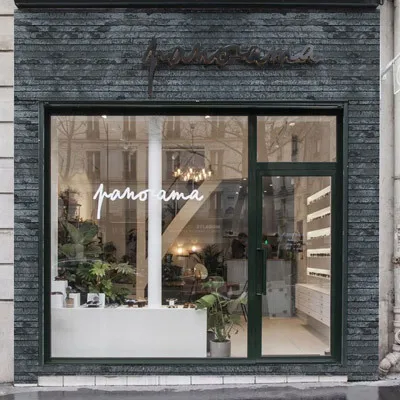
Walk through any modern city, and your eyes will likely drift upward—toward glass skyscrapers piercing the clouds, residential towers climbing story after story, and commercial complexes that blend form and function in ways architects of the past could only dream of. But behind every stunning high-rise lies a hidden challenge: how to clothe these giants in materials that are not just beautiful, but also safe, efficient, and kind to both the structure and the environment. Enter lightweight dark grey Muretto stone—a material that's quietly revolutionizing how we build upward, one panel at a time.
High-rise buildings aren't just about height; they're about balance. Developers want facades that make a statement—something that stands out in a crowded skyline. Architects crave textures and tones that evoke emotion, whether it's the warmth of natural stone or the sleekness of metal. Engineers, meanwhile, lose sleep over structural loads, wind resistance, and fire safety. And let's not forget the bottom line: construction timelines and budgets that demand materials which are easy to install and durable enough to last decades.
For years, the go-to solutions have been a mixed bag. Traditional natural stone, like granite or marble, is undeniably beautiful, but its weight can strain a building's framework, requiring beefed-up support structures that add cost and complexity. Ceramic tiles are lighter but often lack the depth and character of stone. Fair-faced concrete, with its raw, industrial charm, has its fans, but it can feel cold and monolithic, leaving little room for design flexibility. And then there are metal panels—like the popular foamed aluminium alloy board (vintage silver)—which offer modern flair but can dent easily and fade under harsh sunlight. It's a puzzle, and for a long time, it felt like we were always compromising.
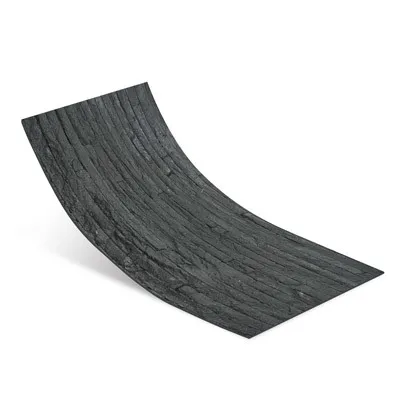
If you haven't heard of Muretto stone yet, you're not alone—but that's changing fast. Born from the need to bridge the gap between aesthetics and practicality, Muretto stone is part of the broader family of modified composite material panels (MCM), a category known for reimagining traditional building materials with cutting-edge technology. And among its many variants, the lightweight dark grey Muretto stone has emerged as a standout, especially for high-rise projects.
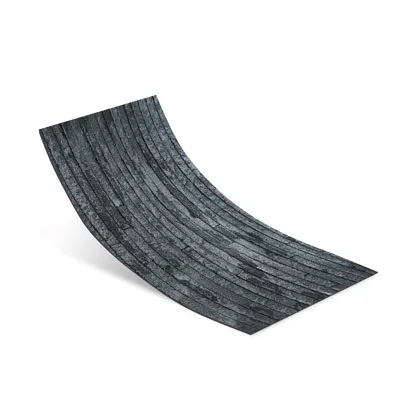
So, what exactly is it? At its core, lightweight dark grey Muretto stone is a blend of natural minerals, reinforced polymers, and proprietary additives, engineered to mimic the look and feel of quarried stone—think the rough-hewn texture of ancient Italian muretto walls, but with a modern, streamlined twist. But here's the kicker: despite its stone-like appearance, it weighs a fraction of the real thing. We're talking about panels that tip the scales at just 8–12 kg per square meter, compared to 25–30 kg for traditional granite slabs. That difference isn't just a number; it's a game-changer for high-rise construction.
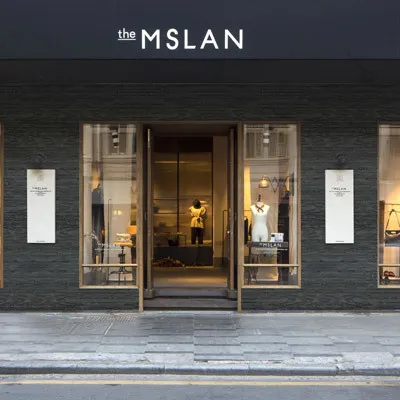
Let's start with the obvious: when you're building a tower that stretches 50, 60, or even 100 stories into the air, every kilogram counts. The heavier the cladding, the more stress it places on the building's foundation, columns, and beams. Over time, that extra weight can lead to increased maintenance costs, stricter structural requirements, and even limitations on how tall the building can safely be. Lightweight dark grey Muretto stone flips that script. By slashing the weight of the facade, architects and engineers gain more freedom—they can design taller, more ambitious structures without sacrificing safety or blowing the budget on overbuilt support systems.
But the benefits don't stop at the structural level. Think about installation day. Picture a construction crew hoisting heavy stone slabs up dozens of floors using cranes, carefully maneuvering each piece into place while worrying about wind, balance, and worker safety. Now contrast that with Muretto stone panels: light enough that two workers can carry one without breaking a sweat, easy to lift with basic equipment, and quick to secure to the building's frame. This isn't just about making the crew's day easier (though that's a nice bonus); it's about slashing installation time by 30–40% compared to traditional stone. For developers, that means faster project completion, lower labor costs, and getting tenants or residents in sooner—all of which add up to a healthier bottom line.
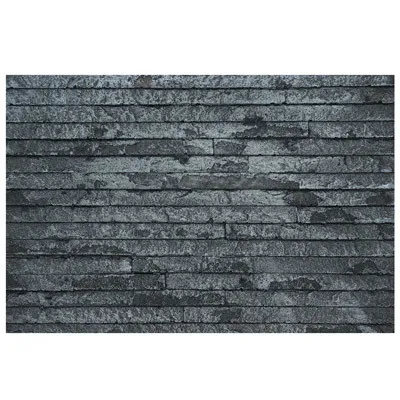
You might be thinking, "If it's that light, is it strong enough?" It's a fair question. After all, high-rise facades face a relentless onslaught: driving rain, scorching sun, freezing temperatures, and even the occasional hailstorm or stray debris. But Muretto stone isn't just lightweight—it's tough. Thanks to its composite makeup, it's resistant to cracking, chipping, and fading. Unlike natural stone, which can absorb water and develop stains or mold, Muretto panels are non-porous, meaning they repel moisture and stay looking fresh year after year. And if you're worried about fire safety (a top concern for any tall building), rest easy: most Muretto stone variants, including the dark grey option, are fire-rated, meeting strict international standards for flame spread and smoke production.
Take, for example, a high-rise in coastal Miami, where humidity and salt air are constant foes. A few years back, a developer opted for traditional limestone cladding, only to find that within five years, the panels were showing signs of erosion and discoloration. When they renovated, they switched to lightweight dark grey Muretto stone. Today, three hurricane seasons later, the facade still looks as crisp as the day it was installed—no peeling, no staining, just that rich, dark grey hue that complements the building's glass windows perfectly. That's the kind of durability that turns skeptics into believers.
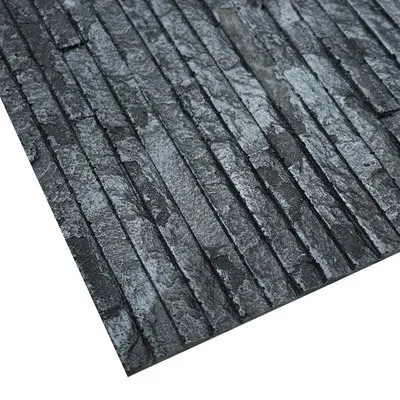
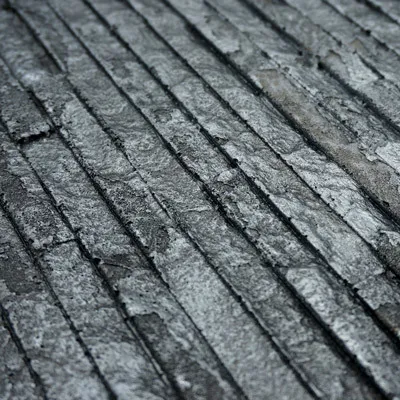
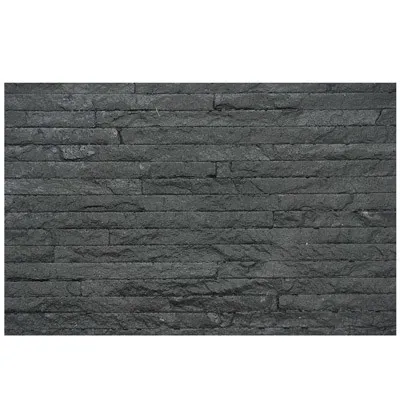
Let's talk about the "grey" in lightweight dark grey Muretto stone. It's not the flat, boring grey of a concrete wall or the sterile grey of office carpeting. This is a nuanced, depth-filled shade—think storm clouds at dawn, or the weathered stone of a medieval castle, with subtle variations in tone that catch the light and add texture to the facade. It's a color that plays well with others, too. Pair it with warm wood accents for a cozy, residential feel, or contrast it with metallic elements like foamed aluminium alloy board (vintage silver) for a sleek, modern look. Architects love it because it's a neutral that doesn't feel neutral—something that adds character without overwhelming the building's overall design.
And here's the best part: while we're focusing on dark grey, Muretto stone comes in a range of shades and textures, from light beige to charcoal black, each with its own unique personality. But the dark grey variant has become a favorite for high-rises because it strikes that perfect balance between sophistication and versatility. It hides dust and minor imperfections better than lighter colors, which means less maintenance over time. And it adds a sense of solidity and presence to a building—important for structures that want to feel grounded, even as they reach for the sky.
These days, no building material conversation is complete without talking about sustainability. High-rises are resource-intensive projects, so choosing eco-friendly materials isn't just a trend—it's a responsibility. And Muretto stone checks that box, too. As part of the green building materials movement, it's designed to minimize environmental impact from start to finish. The production process uses less water and energy than quarrying and cutting natural stone, and because it's a composite, it reduces the need for extracting raw materials from the earth. Plus, many Muretto panels are recyclable at the end of their lifespan, diverting waste from landfills.
But sustainability isn't just about the material itself; it's about how it affects the building's overall energy efficiency. Dark grey Muretto stone, with its ability to reflect some sunlight while absorbing just enough to reduce heat loss, can help regulate a building's temperature, lowering heating and cooling costs. When paired with other energy-efficient features like double-glazed windows and proper insulation, it becomes part of a holistic approach to green building—one that benefits both the planet and the building's occupants.
To really understand why Muretto stone is gaining traction, let's put it head-to-head with some common alternatives. The table below breaks down key factors like weight, durability, and sustainability:
| Material | Weight (kg/m²) | Installation Time | Weather Resistance | Sustainability | Cost (Relative) |
|---|---|---|---|---|---|
| Lightweight Dark Grey Muretto Stone | 8–12 | Fast (30–40% quicker than natural stone) | Excellent (resistant to moisture, UV, and temperature swings) | High (low energy production, recyclable) | Moderate |
| Traditional Granite | 25–30 | Slow (requires heavy equipment and precise handling) | Good (but porous, prone to staining) | Low (high quarrying impact, non-recyclable) | High |
| Fair-Faced Concrete | 20–25 | Moderate (requires on-site pouring and curing) | Good (but prone to cracking in extreme weather) | Moderate (high carbon footprint from cement production) | Low |
| Foamed Aluminium Alloy Board (Vintage Silver) | 6–9 | Fast (similar to Muretto) | Good (but prone to denting and color fading) | Moderate (recyclable, but energy-intensive to produce) | High |
As you can see, Muretto stone strikes a rare balance: lighter than granite and concrete, more durable than aluminium, and more sustainable than many traditional options. It's not the cheapest material on the market, but when you factor in installation speed, maintenance costs, and longevity, it often comes out ahead in the long run.
To see Muretto stone in action, look no further than the Skyline Tower, a 45-story residential building in Dubai's Business Bay. Completed in 2023, the tower was designed to stand out with a modern, understated facade that would complement the area's sleek skyscrapers. The architects initially considered traditional limestone but worried about the weight and installation time. After researching alternatives, they settled on lightweight dark grey Muretto stone, paired with accents of foamed aluminium alloy board (vintage silver) for a touch of metallic contrast.
"The difference was night and day," says Sarah Ahmed, the project's lead architect. "We were able to reduce the structural support needed for the facade by almost 20%, which freed up space inside for larger apartments. And the installation? We finished the entire cladding in 12 weeks instead of the projected 18. The residents love the look, too—they say the building feels 'warm and solid,' not cold and industrial. For me, that's the magic of Muretto: it combines the best of both worlds."
As cities continue to grow upward, the demand for materials that can keep pace with our ambitions will only increase. Lightweight dark grey Muretto stone isn't just a passing trend; it's a glimpse into the future of construction—one where we don't have to choose between beauty and practicality, strength and sustainability, speed and safety. It's a material that understands the needs of modern builders, the desires of architects, and the expectations of the people who live and work in these towering structures.
So the next time you find yourself gazing up at a high-rise, take a closer look at its facade. If it has that rich, textured dark grey finish that seems to glow in the sunlight, chances are it's Muretto stone. And as more developers and architects discover its benefits, that sight will become more and more common. After all, in a world where we're always trying to build higher, smarter, and better, sometimes the best solutions are the ones that feel light enough to reach the sky—while still being grounded in what matters most.
Recommend Products












