

In the fast-paced world of construction, every detail counts. From the initial blueprint to the final nail, builders and architects are constantly searching for materials that balance durability, aesthetics, and practicality. One of the biggest pain points? Heavy building materials. Think about it: cumbersome stone slabs that require cranes to move, fragile panels that chip during transit, and the endless logistical headaches of getting these materials to site—on time and in one piece. It's a problem that slows down projects, drives up costs, and limits creative possibilities. But what if there was a material that could deliver the look and strength of premium metal, without the weight? Enter COLORIA GROUP's foamed aluminium alloy boards—a game-changing solution that's redefining how we build.
As a one-stop provider of building materials with decades of experience and a global footprint (including a strong presence in Saudi Arabia), COLORIA GROUP has long been at the forefront of innovative construction solutions. Their MCM (Modified Cementitious Material) series has already made waves with products like flexible stone and large-format slabs, but their foamed aluminium alloy boards stand out as a testament to their commitment to solving real-world construction challenges. Today, we're diving deep into these lightweight wonders—specifically the foamed aluminium alloy board (vintage silver) , foamed aluminium alloy board (vintage gold) , and foamed aluminium alloy board (gold) —exploring how their featherlight design transforms transportation, installation, and the entire building process.
To truly appreciate the impact of foamed aluminium alloy boards, let's first unpack the struggles of working with traditional heavy building materials. Take natural stone, for example. A standard marble slab can weigh upwards of 150 kg per square meter—imagine stacking 10 of those on a truck. Not only does that require specialized vehicles and extra fuel, but unloading becomes a logistical nightmare. Construction crews often need cranes or forklifts just to move panels from the truck to the building site, adding hours (if not days) to project timelines.
Then there's the risk of damage. Heavy panels are awkward to handle; a single misstep during can crack a slab, rendering it useless. For architects and developers, that means ordering extra materials as backups—wasting money and resources. And once on site, installing these heavyweights is no easier. High-rise buildings present an even bigger challenge: lifting 100-kg panels to the 20th floor isn't just time-consuming; it's a safety hazard. Workers strain muscles, deadlines get pushed back, and budgets balloon—all because the material itself is working against the team.
This is where lightweight materials like COLORIA's foamed aluminium alloy boards come in. By slashing weight without sacrificing strength, they turn these pain points into advantages. But don't just take our word for it—let's look at the numbers.
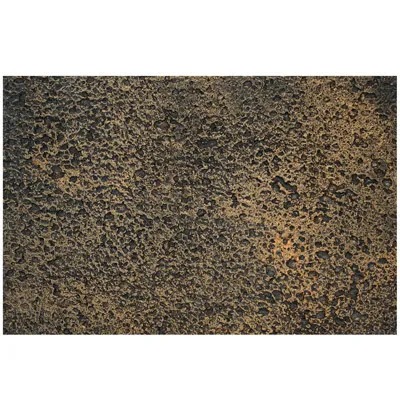
So, what makes these boards so light? It all comes down to their innovative composition. Foamed aluminium alloy is created by infusing molten aluminium with gas, forming a matrix of tiny, uniform bubbles throughout the material. The result? A panel that's up to 70% lighter than solid aluminium and a fraction of the weight of traditional stone or concrete. But "lightweight" doesn't mean "flimsy." These boards boast impressive strength-to-weight ratios, making them suitable for both interior and exterior applications—from office facades to hotel lobbies.
Let's break down the key advantages, starting with the one that matters most for this conversation: transportation and handling.
A typical foamed aluminium alloy board weighs just 8-12 kg per square meter—compare that to 150 kg for marble or 50 kg for standard concrete panels. This dramatic weight reduction means you can fit 10-15 times more panels on a single truck. For a large-scale project, that translates to fewer deliveries, lower fuel consumption, and reduced carbon emissions. For example, a project requiring 1,000 square meters of cladding would need 20 truckloads with traditional stone, but only 2-3 with foamed aluminium alloy boards. That's a 90% reduction in transportation trips—saving time, money, and the planet.
Forget cranes and forklifts. These boards are light enough for two workers to carry by hand—even the largest panels. Imagine a construction crew unloading a truck: with traditional stone, they might spend an entire morning moving 20 panels. With foamed aluminium alloy boards, the same crew can unload 100 panels in the same time. Installation is just as smooth: panels can be carried up stairs, maneuvered around tight corners, and secured in place with basic tools. This isn't just about speed—it's about safety. Fewer heavy lifts mean fewer workplace injuries, keeping crews healthy and projects on track.
Heavy materials restrict design. Architects often have to compromise on vision, avoiding overhangs, curved surfaces, or high-rise applications because the structure can't support the weight. Foamed aluminium alloy boards change that. Their lightweight nature makes them ideal for innovative designs: think sweeping facade curves on a museum, floating accent walls in a restaurant, or intricate cladding on a skyscraper. Since they're easier to cut and shape, they also support custom designs—no need to stick to standard sizes. For developers aiming to make a statement, this flexibility is priceless.
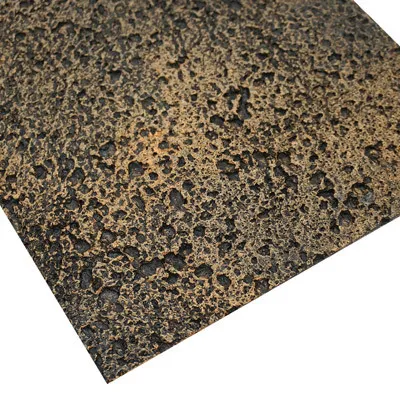
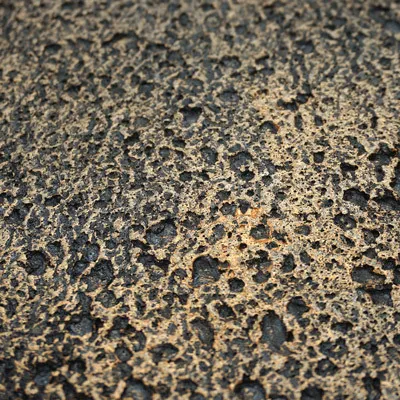
COLORIA offers three standout variants of foamed aluminium alloy boards, each tailored to different aesthetic and functional needs. Whether you're going for a modern industrial look or a warm, luxurious vibe, there's a board that fits. Let's take a closer look at each:
| Product Name | Color Tone | Weight (kg/m²) | Key Features | Ideal Applications |
|---|---|---|---|---|
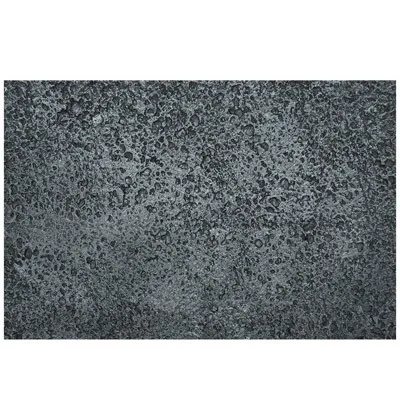
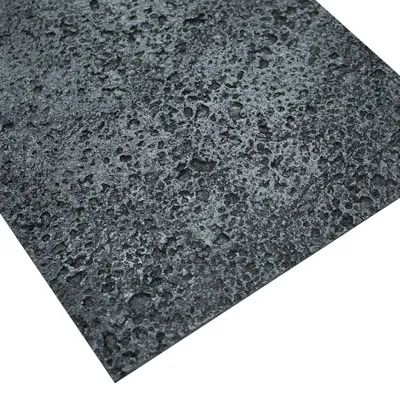
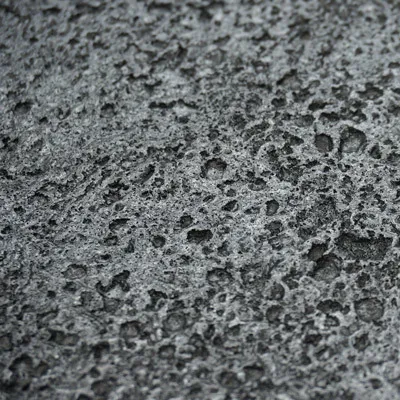
| foamed aluminium alloy board (vintage silver) | Soft, muted silver with a weathered finish | 8-10 | Antique-inspired texture, corrosion-resistant, lightweight | Industrial lofts, heritage building renovations, modern art galleries |
| foamed aluminium alloy board (vintage gold) | Warm, aged gold with subtle patina | 9-11 | Timeless elegance, UV-resistant, easy to clean | Hotel lobbies, luxury retail stores, high-end residential exteriors |
| foamed aluminium alloy board (gold) | Bright, polished gold with a reflective surface | 10-12 | High-shine finish, durable, heat-resistant | Commercial facades, entertainment venues, architectural accents |
Each variant shares the core benefits of lightweight design and durability, but their unique aesthetics open up endless possibilities. For example, the foamed aluminium alloy board (vintage silver) is a favorite among architects working on adaptive reuse projects—its weathered finish complements brick and exposed beams, blending old and new seamlessly. Meanwhile, the foamed aluminium alloy board (gold) adds a touch of glamour to commercial spaces, reflecting light to create bright, inviting interiors.
But these boards aren't just pretty faces. They're built to last. Thanks to their alloy composition, they resist corrosion, UV damage, and extreme temperatures—making them suitable for both interior and exterior use. In coastal areas, where saltwater can eat away at traditional materials, these boards stand strong. In desert climates like Saudi Arabia, their heat resistance ensures they won't warp or fade under the harsh sun. It's durability without the bulk.
One of the biggest advantages of choosing COLORIA GROUP is their one-stop solution approach. While foamed aluminium alloy boards excel in lightweight applications, they're even more powerful when paired with other MCM products—like MCM flexible stone . This dynamic duo lets architects mix textures and materials without worrying about compatibility or installation headaches.
Imagine a hotel exterior: the lower floors feature MCM flexible stone in a natural travertine texture, adding warmth and earthiness. As the building rises, the design shifts to foamed aluminium alloy board (vintage gold) —lightweight enough for the upper levels, with a metallic sheen that catches the sunset. The result? A facade that's visually striking, structurally sound, and easy to build. Because both products are part of COLORIA's MCM lineup, they're designed to work together, with compatible installation systems and consistent quality.
This synergy isn't just about aesthetics—it's about efficiency. When contractors can source all their cladding materials from one supplier, they streamline ordering, delivery, and installation. No more coordinating with multiple vendors or worrying about mismatched products. It's a holistic approach that saves time, reduces stress, and ensures the final result lives up to the architect's vision.
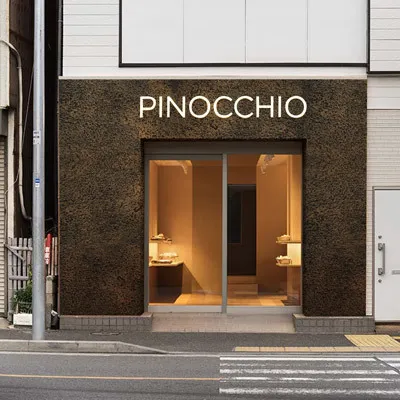
To put this all into perspective, let's look at a hypothetical (but realistic) case study. Meet Al-Mansoori Construction, a mid-sized firm based in Riyadh, Saudi Arabia, tasked with renovating a 10-story office building. The client wanted a modern exterior that would stand out in the city skyline, but the project had tight deadlines and a limited budget. Initially, the team planned to use traditional granite cladding—until they discovered COLORIA's foamed aluminium alloy boards.
"We were skeptical at first," admits project manager Kareem Al-Zahrani. "Lightweight materials sometimes feel cheap, but when we saw the foamed aluminium alloy board (vintage silver) samples, we were blown away. The texture was rich, the finish looked high-end, and best of all, a 2m x 1m panel weighed less than 20 kg. We could carry two at a time—no crane needed."
The switch to foamed aluminium alloy boards had immediate benefits. The team reduced transportation costs by 40% (fewer trucks, less fuel). Unloading and installation times dropped by 50%—what took two days with granite took just one with the lightweight boards. And because there was no need for extra lifting equipment, the site was safer and less cluttered. "Our crew was happier, the client was impressed with the progress, and we finished a week ahead of schedule," Kareem says. "We've used COLORIA's boards on every project since."
This isn't an isolated story. From Dubai's luxury hotels to Riyadh's commercial towers, foamed aluminium alloy boards are becoming the go-to choice for teams that value efficiency, safety, and design freedom. They're proof that construction materials don't have to be heavy to be high-quality—in fact, sometimes the lighter option is the smarter one.
In today's world, sustainability isn't just a buzzword—it's a priority. Builders and developers are under increasing pressure to reduce their environmental footprint, and material choice plays a huge role in that. Foamed aluminium alloy boards shine here, too. Their lightweight design cuts down on transportation emissions (fewer trucks, less fuel), and their durability means they last for decades, reducing the need for replacements. Plus, aluminium is 100% recyclable—at the end of the board's life, it can be melted down and repurposed, minimizing waste.
COLORIA GROUP takes sustainability a step further with their green manufacturing processes. All MCM products, including foamed aluminium alloy boards, are made with low-VOC materials and energy-efficient production methods. For clients aiming for LEED or other green building certifications, this is a major advantage. It's a win-win: you get a lightweight, durable material that also helps the planet.
With so many building material suppliers out there, why choose COLORIA GROUP for your foamed aluminium alloy boards? It comes down to three things: experience, innovation, and service.
First, experience. With decades in the industry and a global presence (including a dedicated in Saudi Arabia), COLORIA understands the unique challenges of construction projects worldwide. They know the demands of desert climates, the logistics of international shipping, and the needs of architects and contractors. This expertise translates to better products and smoother partnerships.
Second, innovation. COLORIA isn't content with "good enough." Their MCM series—from flexible stone to 3D printing materials—is constantly evolving, driven by a commitment to pushing the boundaries of what building materials can do. Foamed aluminium alloy boards are just one example of this forward thinking: they saw a problem (heavy materials) and solved it with a solution that's both simple and revolutionary.
Finally, service. COLORIA doesn't just sell you a product—they support you every step of the way. From helping you choose the right board for your project to providing technical installation guidance, their team is there to ensure success. And with a global network, they can deliver materials where and when you need them, even for tight-deadline projects.
In the end, construction is about more than just putting up walls—it's about bringing visions to life efficiently, safely, and sustainably. Heavy materials have long been a barrier to that, but COLORIA GROUP's foamed aluminium alloy boards are changing the game. With the foamed aluminium alloy board (vintage silver) , foamed aluminium alloy board (vintage gold) , and foamed aluminium alloy board (gold) , they've proven that lightweight can be powerful, stylish, and practical.
Whether you're building a high-rise in Riyadh, renovating a heritage building in Europe, or designing a luxury hotel in Dubai, these boards offer a better way forward. They reduce costs, speed up timelines, enhance safety, and open up new design possibilities—all while being kind to the planet. And when paired with COLORIA's other MCM products like flexible stone, they become part of a seamless, one-stop solution that makes your project easier from start to finish.
So, the next time you're planning a construction project, ask yourself: why let heavy materials hold you back? With COLORIA's foamed aluminium alloy boards, the sky's the limit—and it's lighter than you think.
Recommend Products












