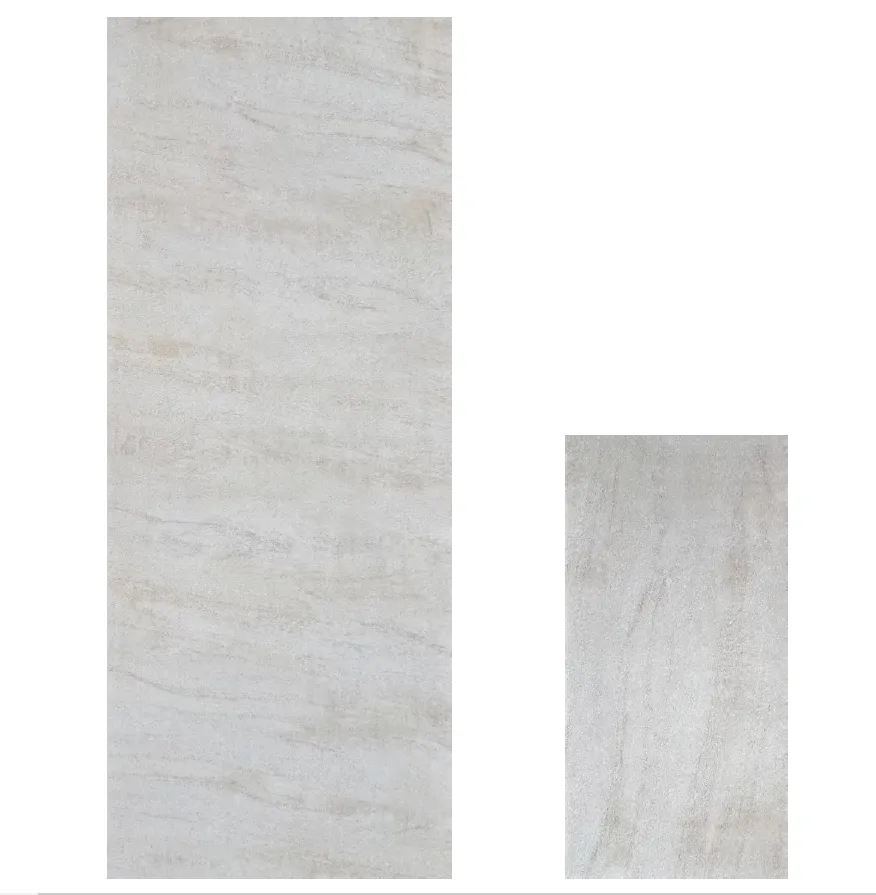
1. Lightweight Design: Less Strain, More Safety
Let's start with the obvious: weight. As mentioned, traditional marble clocks in at 80 kg/m² or more, while lightweight marble stream stone weighs a fraction of that—typically 8-12 kg/m². To put that in perspective: cladding a 50-story building with traditional marble could add thousands of tons to the structure's load, requiring thicker steel beams, reinforced foundations, and higher engineering costs. With marble stream stone, that load is reduced by up to 85%, freeing up structural resources for other elements like green spaces or larger windows.
Safety is another win. Lighter panels are easier to handle during installation, reducing the risk of accidents on-site. Workers can maneuver them manually or with smaller equipment, cutting down on crane time and labor expenses. In regions prone to earthquakes, this lightness is a lifesaver—less weight means less stress on the building during seismic activity, lowering the risk of collapse.
2. Flexibility: Bend Without Breaking
Unlike traditional marble, which is brittle and prone to chipping, lightweight marble stream stone lives up to its "flexible stone" label. The polymer binder gives it a slight bend, allowing it to absorb minor impacts and vibrations without cracking. This flexibility makes it ideal for high-rises, where wind sway (yes, tall buildings do sway!) can put stress on rigid materials. Imagine a facade that moves with the building, not against it—that's the peace of mind marble stream stone offers.
It's also a boon for curved or irregular facades. Traditional stone requires custom cutting for non-flat surfaces, which is expensive and wasteful. Marble stream stone, however, can be bent to fit rounded corners, wave-like contours, or even 3D-printed architectural features, opening up endless design possibilities.
3. Aesthetic Versatility: Beauty That Doesn't Compromise
Let's be honest: for many architects, aesthetics are non-negotiable. High-rises are landmarks, and their facades need to tell a story. Lightweight marble stream stone delivers here, too. Thanks to advanced manufacturing techniques, it can replicate the look of rare marbles—think Carrara's white veins, Emperador's rich browns, or even exotic options like travertine with starry blue accents—without the environmental cost of mining rare stone.
And it's not just about looks. The material can be finished in matte, polished, or even textured surfaces (like a rough-hewn stone effect) to suit different architectural styles. Want a modern, minimalist tower? Go for a smooth, white marble stream stone. Building a boutique hotel with a rustic vibe? Opt for a textured finish in warm beige or claybank. The possibilities are nearly endless.
4. Durability: Built to Last (Even in Harsh Climates)
High-rises face some of the harshest conditions on the planet: scorching sun, freezing rain, saltwater spray (for coastal buildings), and air pollution. Traditional marble can fade, stain, or erode under these conditions, requiring frequent cleaning and repairs. Lightweight marble stream stone, however, is engineered to withstand the elements.
Its polymer core resists UV radiation, preventing color fading over time. It's also water-resistant, so rain or humidity won't seep in and cause mold or warping. In coastal areas, where salt air can corrode metal and stone, marble stream stone holds its own—no need for costly sealants or annual maintenance. Architects in cities like Miami or Singapore are already singing its praises for reducing long-term upkeep costs.
In an era where "green building" is more than a buzzword—it's a requirement—marble stream stone checks the sustainability box. Unlike natural marble, which requires mining (a process that disrupts ecosystems and emits large amounts of CO2), marble stream stone uses recycled marble dust and aggregates, diverting waste from landfills. The manufacturing process also consumes less energy than traditional stone cutting, further lowering its carbon footprint.
Many manufacturers even offer panels certified by green building standards like LEED or BREEAM, making it easier for developers to earn sustainability credits. For cities aiming to reduce their carbon emissions, or for companies looking to align with ESG goals, this material is a no-brainer.