


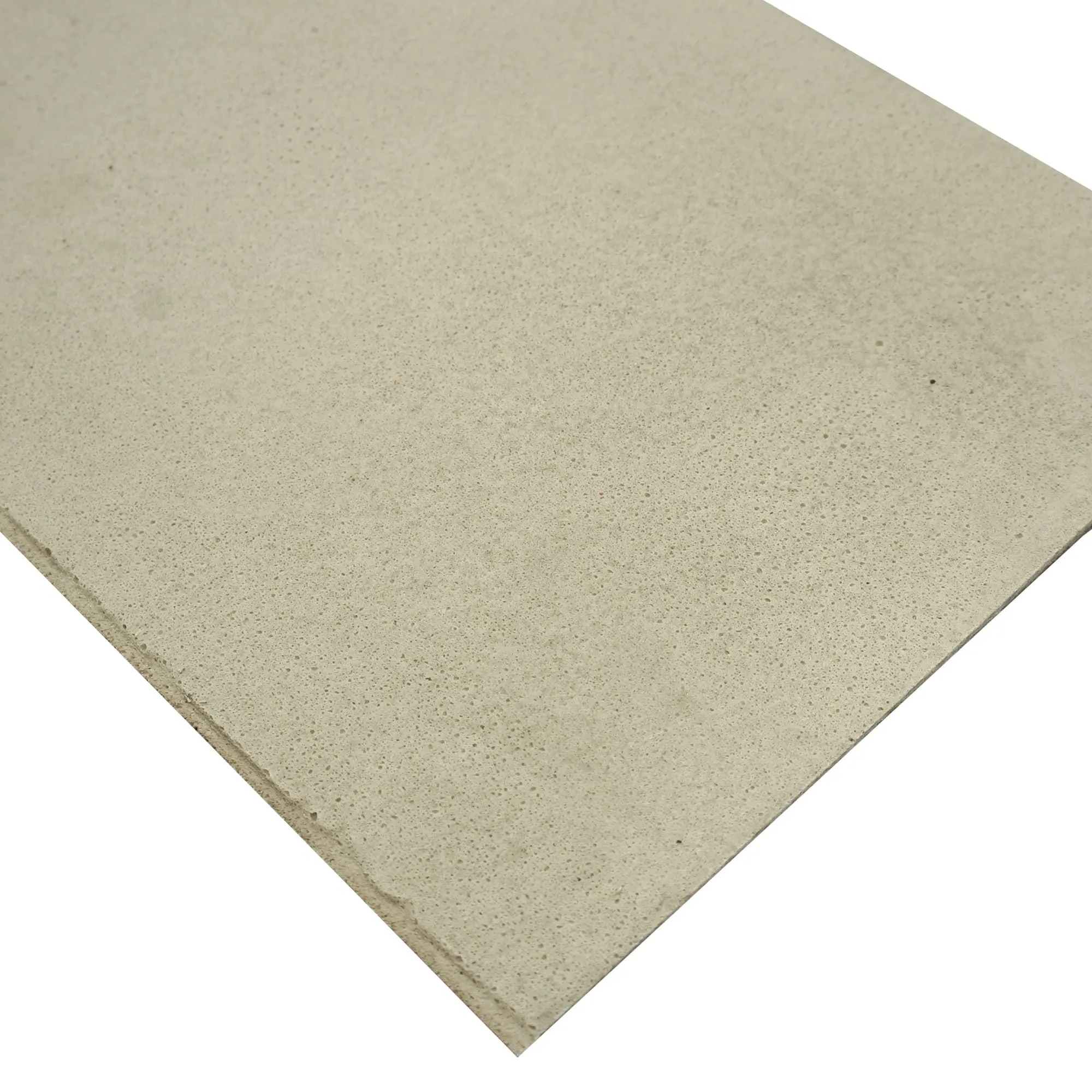
In the dynamic world of architecture and construction, innovation isn't just a buzzword; it's the very foundation upon which more efficient, sustainable, and aesthetically pleasing structures are built. For decades, builders and designers have grappled with a core challenge: how to achieve robust, durable, and visually striking finishes without incurring exorbitant costs, labor, and environmental impact. Traditional materials, while possessing their own timeless charm, often present a formidable array of logistical and structural hurdles. Today, however, there's a revolutionary alternative that's changing the game: Modified Cementitious Material (MCM), particularly in its fair-faced concrete form. As a leading **one-stop solution provider** in building materials, COLORIA GROUP is at the forefront of this transformation, offering advanced MCM products that redefine what's possible in both residential and commercial projects globally.
This article delves deep into the compelling advantages of lightweight MCM Fair-Faced Concrete, contrasting it with the inherent complexities and limitations of heavy traditional building options. Our focus will primarily be on the profound installation benefits that MCM brings to the table, demonstrating how it streamlines construction processes, reduces costs, enhances safety, and ultimately contributes to superior project outcomes.
The Legacy Burden: Understanding Traditional Materials
Let's first establish a baseline by examining the traditional materials that have dominated the construction landscape for centuries. Think about natural stone, ceramic tiles, and poured concrete. These materials are undeniably beautiful and strong, lending a sense of permanence and grandeur to any structure. However, their use comes with a significant "legacy burden," particularly concerning their weight and the subsequent challenges this poses during installation.
- Weight and Structural Impact: Natural stone slabs, thick ceramic tiles, or large precast concrete panels are inherently heavy. This weight translates directly into increased structural requirements for the building's foundation and framework. More steel, thicker beams, and stronger foundations are needed to support these loads, driving up material costs and engineering complexity from the very outset of a project.
- Transportation Nightmares: Moving heavy materials from the quarry or factory to the construction site is a logistical challenge. It demands specialized heavy-duty vehicles, often with higher fuel consumption and associated emissions. The sheer volume and weight can limit the quantity that can be transported in a single trip, leading to more trips, higher transportation costs, and a larger carbon footprint.
- Labor-Intensive Installation: Handling heavy materials on site is no small feat. It requires significant manual labor, often involving multiple workers for a single piece. Large stone or concrete slabs typically necessitate heavy machinery like cranes or specialized lifting equipment, which adds to equipment rental costs, operational expenses, and requires skilled operators. This process is slow, physically demanding, and prone to errors or accidents.
- Extended Project Timelines: The complexity and labor intensity associated with traditional materials inevitably extend project schedules. Each step, from cutting and shaping on-site (which generates waste and dust) to precise placement and curing, takes time. Delays can cascade, leading to increased labor costs, missed deadlines, and contractual penalties.
- Safety Concerns: Working with heavy materials poses inherent safety risks. Lifting injuries, crushed fingers, falling objects, and accidents involving heavy machinery are unfortunately common. Strict safety protocols, specialized training, and additional safety equipment are essential, further adding to project overheads and potential liabilities.
- Environmental Footprint: Beyond logistics, traditional materials often carry a substantial environmental cost. Quarrying natural stone, the energy-intensive production of ceramics, and the carbon emissions associated with cement production for concrete contribute significantly to the construction industry's ecological impact. Waste generated during cutting and installation further exacerbates this issue.
These factors collectively highlight why the industry has been desperately seeking alternatives that can deliver similar aesthetic and functional performance without the heavy baggage. This is precisely where COLORIA GROUP's MCM Fair-Faced Concrete steps in, offering a breath of fresh air and a smart solution to these age-old problems.
Introducing MCM Fair-Faced Concrete: The Lightweight Revolution
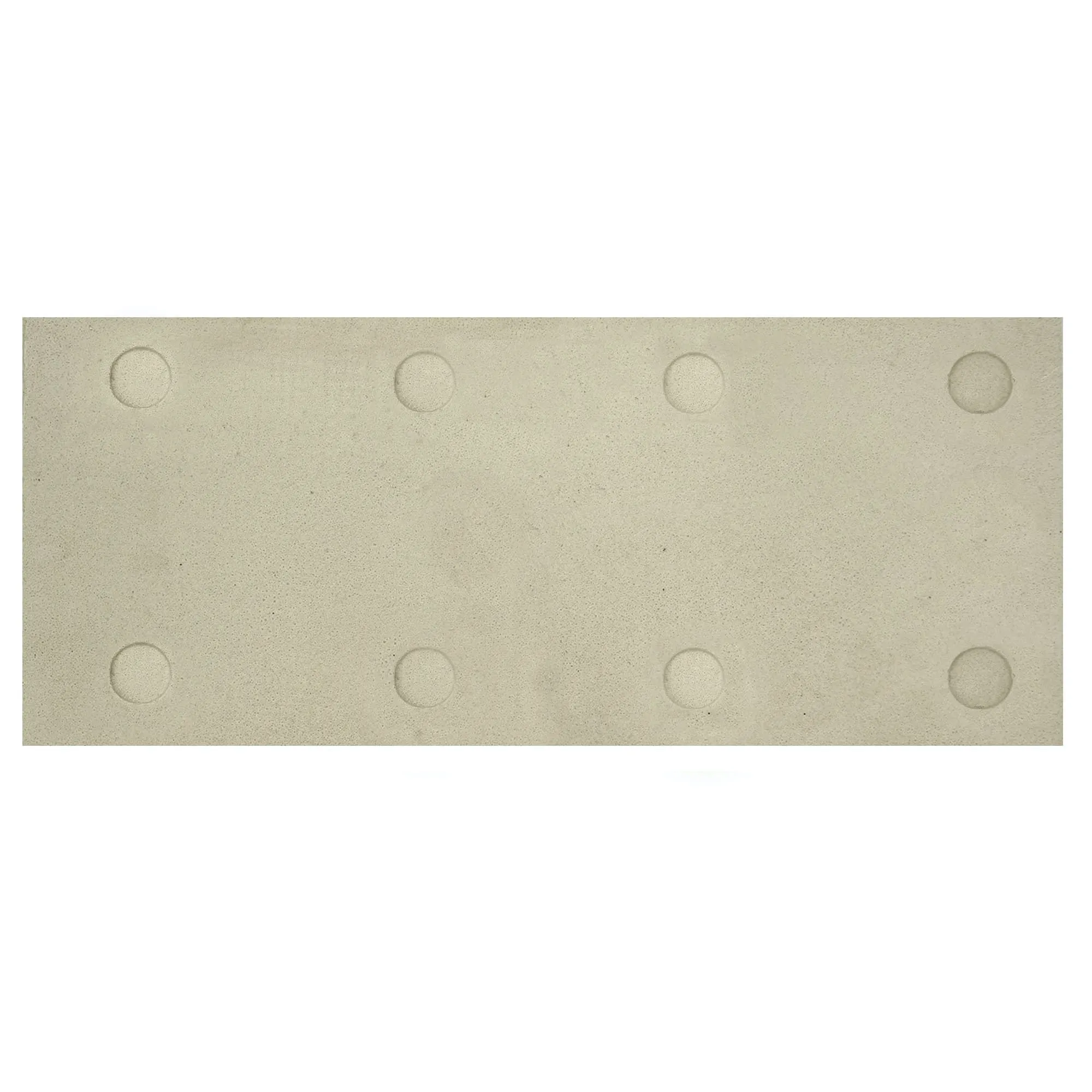
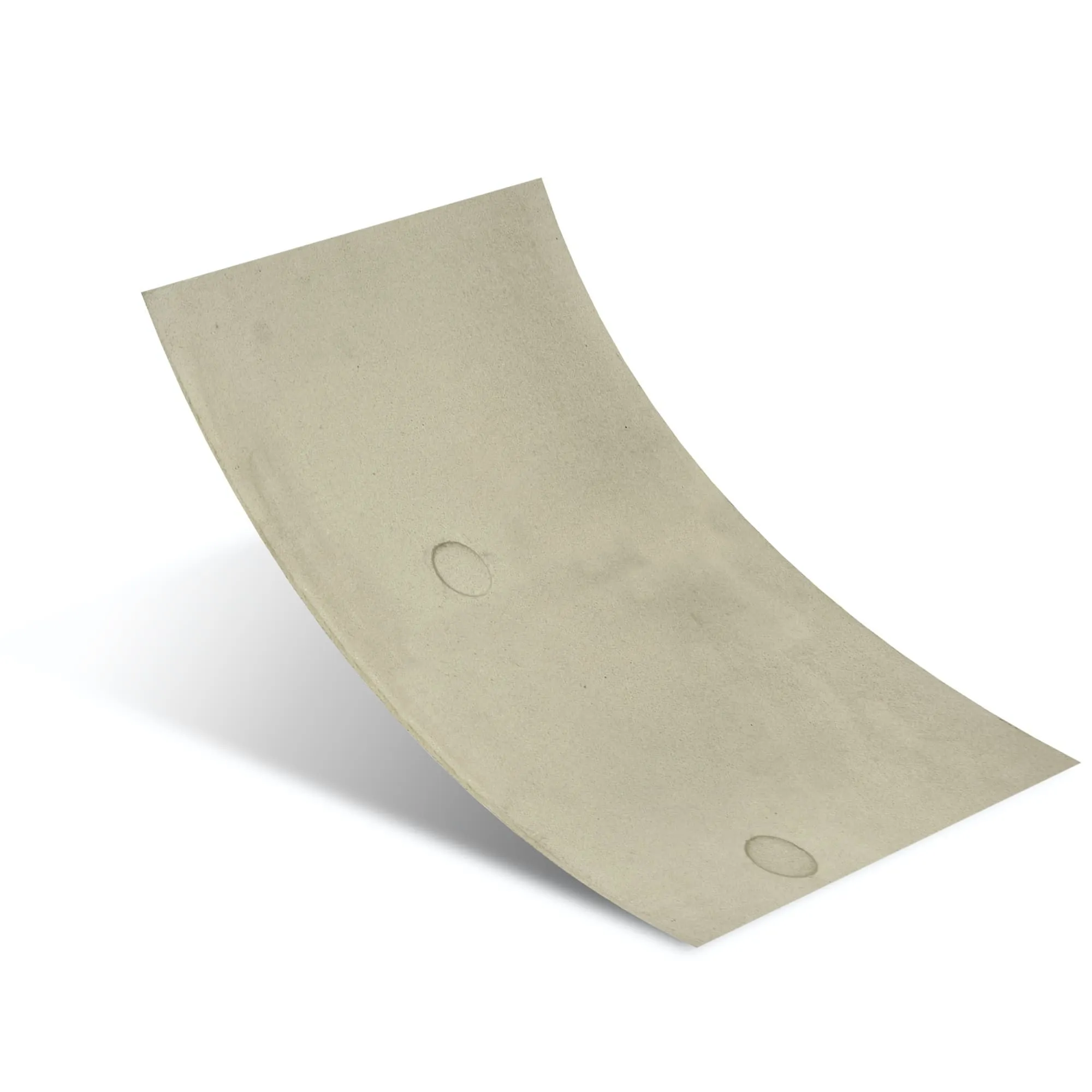
At COLORIA GROUP, we understand the evolving demands of modern construction. Our core offering, the **MCM (Modified Cementitious Material) series products**, represents a significant leap forward in material science. MCM is an innovative composite material made from inorganic minerals, clay, and other natural aggregates, chemically modified and then baked at low temperatures. The result is a lightweight, flexible, and incredibly durable material that retains the look and feel of traditional materials like stone, wood, brick, and, in this case, fair-faced concrete, without their drawbacks.
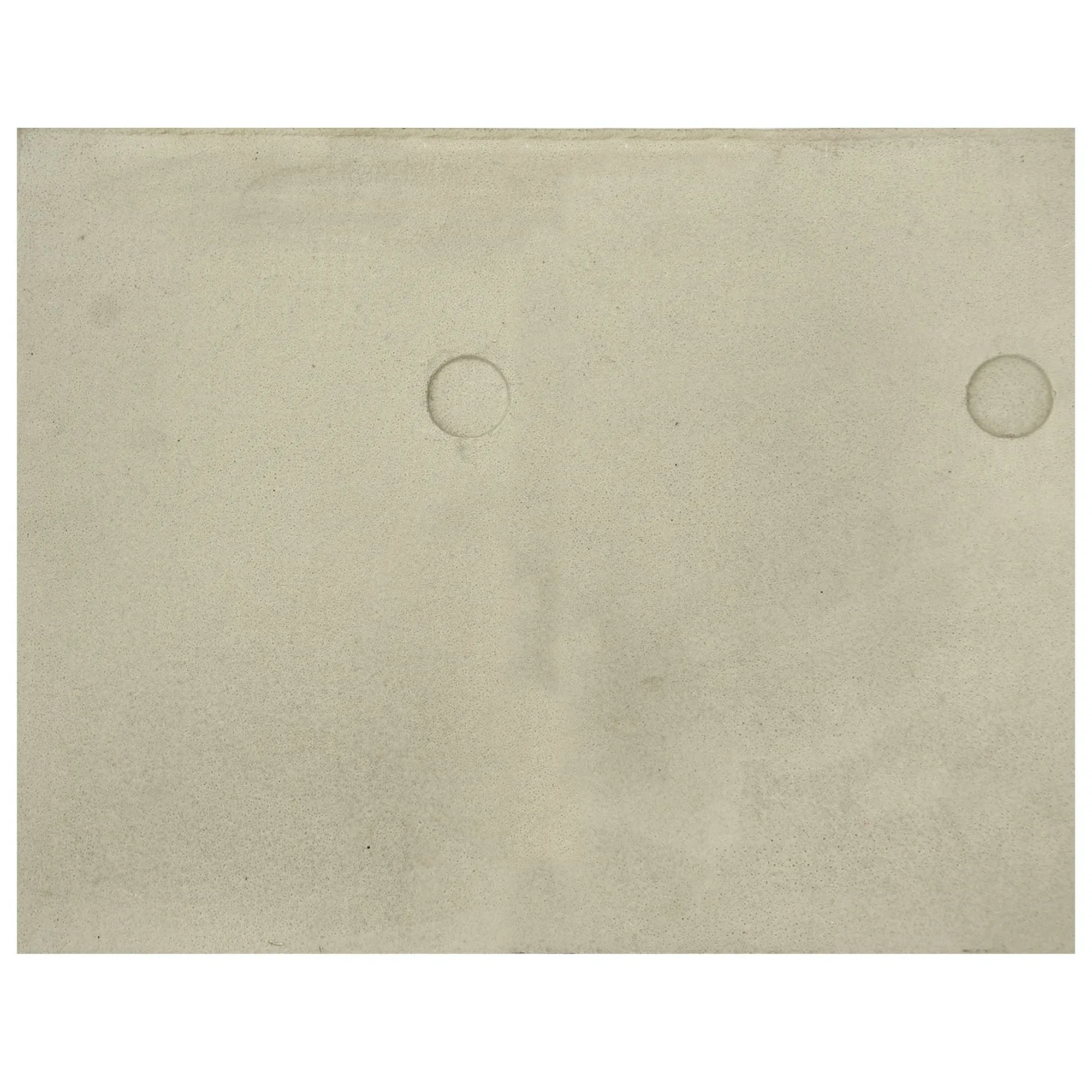
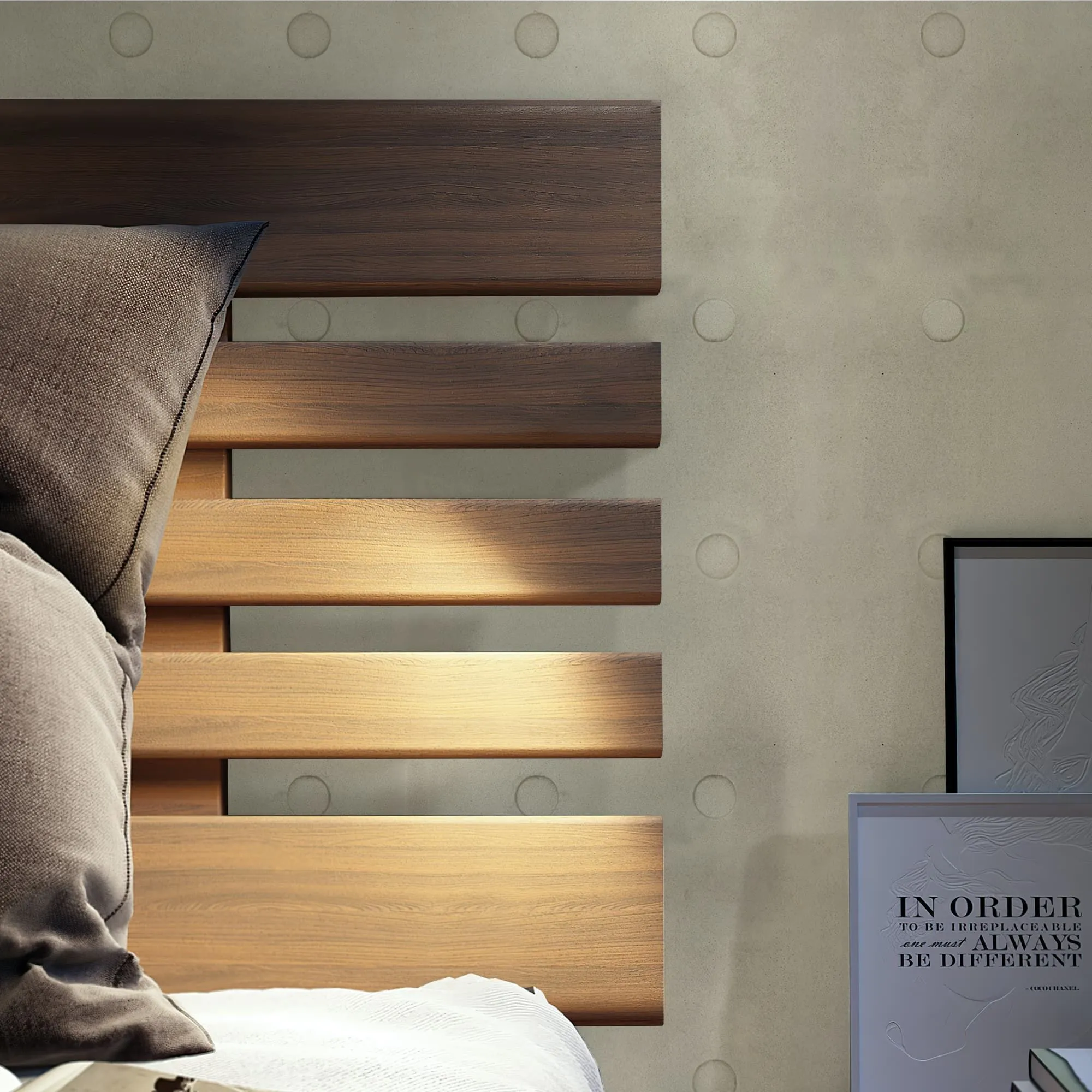
Fair-faced concrete is highly sought after for its raw, industrial aesthetic, offering a minimalist yet sophisticated finish. However, achieving this look with traditional poured concrete is arduous, requiring meticulous formwork, precise pouring, and often extensive post-treatment to hide imperfections. Our MCM Fair-Faced Concrete panels meticulously replicate this look, delivering the same architectural appeal with unparalleled ease of installation and a host of other benefits.
The Essence of Lightweight: A Game Changer for Installation
The most immediate and impactful benefit of MCM Fair-Faced Concrete, especially when compared to its traditional counterparts, is its exceptional lightness. These panels are typically a fraction of the weight of conventional concrete slabs or natural stone. This reduction in mass triggers a cascade of installation advantages that transform the entire construction process.
| Feature | MCM Fair-Faced Concrete | Traditional Heavy Materials |
|---|---|---|
| Weight per square meter | Extremely lightweight (e.g., 4-8 kg/m²) | Very heavy (e.g., 30-80 kg/m² or more) |
| Structural Load Impact | Minimal additional load, often no structural reinforcement needed. | Requires significant structural reinforcement, higher foundation costs. |
| Transportation | Higher quantity per shipment, reduced fuel consumption and costs. | Lower quantity per shipment, specialized vehicles, high fuel costs. |
| On-site Handling | Can be handled by manual labor, often by a single person for smaller panels. | Requires multiple workers, heavy machinery (cranes, lifts). |
| Installation Time | Significantly faster due to ease of handling and simpler adhesive-based methods. | Slow, labor-intensive, requires precise alignment and often mechanical fixing. |
| Tools Required | Standard carpentry tools (cutters, saws), adhesive applicators. | Specialized cutting tools (diamond blades), heavy lifting equipment. |
| Safety Risks | Greatly reduced risk of lifting injuries, falls, and machinery accidents. | High risk of lifting injuries, crushing accidents, and machinery-related incidents. |
| Waste Generation | Minimal on-site waste, easily cut with less dust. | Significant on-site waste from cutting, high dust levels. |
| Flexibility | Can be applied to curved surfaces; highly flexible. | Rigid; limited to flat surfaces without specialized, expensive methods. |
| Environmental Impact | Low carbon footprint, made from abundant natural minerals, recyclable. | Higher embodied energy, resource-intensive extraction, and production. |
Unpacking the Installation Benefits: A Deeper Dive
The table above provides a snapshot, but let's expand on each of these critical installation advantages that make COLORIA GROUP's MCM Fair-Faced Concrete a preferred choice for architects, developers, and contractors looking for high-quality **interior and exterior wall decoration**.
1. Streamlined Logistics and Reduced Transportation Costs
The lightweight nature of MCM panels directly translates into substantial logistical efficiencies. Imagine transporting materials for a large commercial façade. With traditional heavy concrete or stone, you'd require numerous heavy-duty trucks, each carrying a limited quantity due to weight restrictions. This means more trips, higher fuel consumption, increased labor for loading and unloading, and greater carbon emissions.
Conversely, MCM Fair-Faced Concrete panels allow for a significantly greater volume of material to be transported in a single shipment. This reduces the number of required trips, slashes fuel costs, and minimizes the overall carbon footprint of your project's material delivery. For projects with tight budgets and strict sustainability goals, this is an invaluable benefit that contributes to a more **green environmental protection** approach to construction. Furthermore, easier handling during unloading means less strain on personnel and quicker turnaround times at the site, getting your project off to a smoother start.
2. Simplified On-Site Handling and Reduced Labor Needs
Perhaps the most immediately noticeable installation benefit of MCM is the ease of on-site handling. Unlike heavy traditional materials that demand mechanical lifting equipment (cranes, forklifts) and multiple laborers for placement, MCM panels can often be handled by a single worker. Even our MCM Big Slab Board Series, designed for large-scale applications, is dramatically lighter than its conventional counterparts, making its manipulation far more manageable.
This significantly reduces the reliance on expensive heavy machinery, eliminating rental costs, operator wages, and the logistical complexities of maneuvering such equipment on a busy construction site. It also reduces the overall labor force required for installation, directly translating into lower labor costs and overheads. Instead of an entire crew struggling to position one slab, a smaller, more agile team can work efficiently, covering more ground in less time. This efficiency is critical for projects under tight deadlines and budgets, allowing resources to be allocated more strategically.
3. Faster Installation and Accelerated Project Timelines
The combination of lightweight materials, easier handling, and simplified application methods dramatically speeds up the installation process. Traditional concrete and stone installations are notoriously time-consuming. They involve precise cutting, heavy lifting, often a wet installation process with mortar or cement, and then significant curing times before the next stage can begin. Each step is prone to delays and requires careful oversight.
MCM Fair-Faced Concrete panels, on the other hand, are typically installed using specialized high-strength adhesives. This dry installation method is much quicker and cleaner. Panels can be cut to size on-site with standard carpentry tools, generating minimal dust and noise. Their flexibility also allows for easier alignment and adjustment, further reducing installation time. For large-scale projects, such as those employing our MCM Project Board Series for extensive commercial facades, this acceleration in timeline can mean finishing weeks or even months ahead of schedule, resulting in significant savings on labor, equipment rental, and overall project financing. Expedited completion also means faster occupancy or project handover, translating into quicker returns on investment for developers.
4. Enhanced Safety on the Job Site
Safety should always be paramount on any construction site. Traditional heavy materials, by their very nature, introduce numerous hazards. Lifting heavy objects is a leading cause of workplace injuries, from strains and sprains to more severe incidents like crushed limbs. The operation of heavy machinery also carries inherent risks, including collisions, tip-overs, and falling loads.
MCM Fair-Faced Concrete significantly mitigates these risks. The reduced weight of the panels means less physical strain on workers, minimizing the likelihood of lifting-related injuries. The diminished need for heavy machinery translates to fewer machinery-related accidents. The dry installation process also reduces the risk of slips and falls associated with wet materials. A safer work environment not only protects your valuable workforce but also reduces the potential for costly delays due to accidents, workers' compensation claims, and legal liabilities. It reflects a commitment to worker well-being, which is an increasingly important aspect of responsible construction practices.
5. Reduced Structural Load and Cost Savings
One of the hidden but profound installation benefits of lightweight materials like MCM is their impact on the building's underlying structure. When you specify heavy traditional materials for façades or internal finishes, the building's structural engineers must account for that immense load. This often necessitates larger, stronger foundations, thicker concrete slabs, and more robust steel frameworks, particularly in multi-story buildings. These structural reinforcements add significant material costs, engineering expenses, and construction time.
By choosing lightweight MCM Fair-Faced Concrete, you dramatically reduce the overall dead load of the structure. In many cases, existing structures can be renovated or upgraded with MCM without requiring extensive and costly structural modifications. For new builds, this means engineers can design with lighter, less expensive foundational and structural elements, leading to considerable cost savings in steel, concrete, and labor. This benefit extends beyond the initial construction, potentially impacting long-term maintenance and seismic performance, making buildings more resilient and economical to operate.
6. Versatility and Adaptability: Fitting Any Design
Traditional fair-faced concrete, while aesthetically powerful, is inherently rigid and limits design possibilities, especially when it comes to curves or complex geometries. Pouring concrete into intricate molds is expensive, time-consuming, and often yields inconsistent results.
MCM's inherent flexibility, particularly in products like our MCM Flexible Stone, means it can be applied to curved surfaces and adapt to various architectural forms without cracking or requiring specialized, expensive techniques. This opens up a world of design possibilities that are simply impractical or cost-prohibitive with traditional materials. Furthermore, the ability to easily cut and shape MCM panels on-site allows for precise fitting around windows, doors, and other architectural features, facilitating seamless integration and a clean finish. This level of versatility ensures that the aesthetic vision can be realized without compromising on practicality or budget, truly enabling **customization** in architectural design.
7. Reduced Waste and Environmental Impact on Site
Construction waste is a significant environmental concern. Cutting and shaping traditional stone or concrete on-site often results in substantial material waste, which then needs to be collected, transported, and disposed of – a process that adds to project costs and environmental burden. The dust generated by cutting traditional materials also poses health risks to workers and contaminates the surrounding environment.
MCM Fair-Faced Concrete panels are designed for minimal waste. They can be precisely cut with simple tools, generating less off-cut waste and significantly less dust. Any waste generated is typically easier to manage and, given MCM's composition, often more environmentally friendly in terms of disposal. This commitment to reducing on-site waste aligns perfectly with sustainable building practices and further reinforces COLORIA GROUP's dedication to **green environmental protection** throughout the lifecycle of a building project. Our innovative production processes, including those for MCM 3D Printing Series, also emphasize resource efficiency and reduced energy consumption, extending our eco-conscious approach from manufacturing to installation.
Beyond Installation: Long-Term Benefits of MCM Fair-Faced Concrete
While the installation benefits are compelling enough to warrant a shift towards MCM, it's crucial to acknowledge the long-term advantages that make this material an even more attractive investment.
- Durability and Longevity: MCM is incredibly durable, resistant to UV, frost, heat, and seismic activity. It won't crack, fade, or delaminate under harsh environmental conditions, ensuring the fair-faced concrete aesthetic endures for decades with minimal maintenance. This resilience makes it ideal for demanding climates, including those in regions like Saudi Arabia, where COLORIA GROUP has a significant presence.
- Weather Resistance: Our MCM products are rigorously tested to withstand extreme weather, ensuring they perform exceptionally well as both **interior and exterior wall decoration**. They are water-resistant, breathable, and provide excellent thermal insulation properties, contributing to the energy efficiency of buildings.
- Maintenance-Free Beauty: Unlike traditional concrete which can stain, spall, or require sealing and repair, MCM Fair-Faced Concrete largely maintains its appearance without extensive upkeep. Its robust surface resists dirt and mildew, making it a low-maintenance solution for busy commercial spaces and residential properties alike.
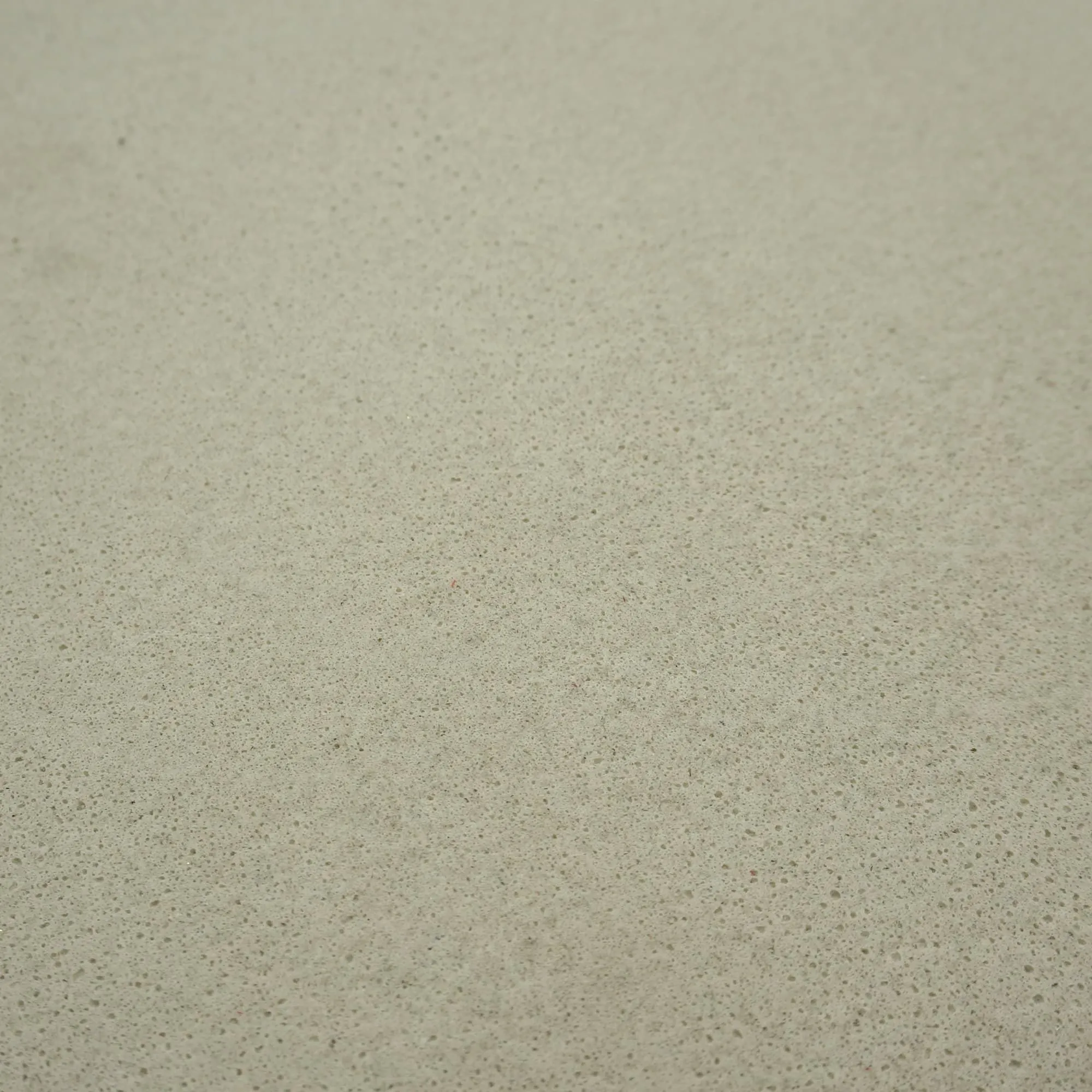
- Aesthetic Consistency: Achieving a consistent fair-faced concrete look with traditional methods is challenging due to variations in pouring, curing, and formwork. MCM panels offer exceptional consistency in color, texture, and finish, ensuring a uniform and high-quality aesthetic across the entire façade or interior space. This reliability is critical for maintaining design integrity in large-scale architectural projects.
COLORIA GROUP: Your Partner in Innovation and Sustainability
As a company with decades of industry experience and a global reach, COLORIA GROUP is more than just a material supplier; we are your strategic partner in building excellence. Our commitment to innovation, quality, and environmental stewardship is embodied in our entire MCM product range. From the versatile MCM Project Board Series to the artistic possibilities of MCM 3D Printing Series and the practical elegance of MCM Flexible Stone, we offer a comprehensive suite of solutions tailored to meet the diverse needs of modern construction.
We believe that the future of building materials lies in combining aesthetic appeal with practical advantages, particularly those that streamline installation and reduce overall project burdens. Our MCM Fair-Faced Concrete is a prime example of this philosophy in action. By choosing COLORIA GROUP, you're not just selecting a product; you're investing in a more efficient, safer, and sustainable construction process.
Conclusion: Embracing the Future of Construction
The comparison between lightweight MCM Fair-Faced Concrete and heavy traditional options unequivocally highlights a clear path forward for the construction industry. The installation benefits alone—ranging from reduced structural loads and transportation costs to faster timelines, enhanced safety, and less waste—make MCM an incredibly compelling choice. When you factor in the long-term durability, aesthetic consistency, and minimal maintenance, the decision becomes even clearer.
COLORIA GROUP is proud to offer these advanced **MCM (Modified Cementitious Material)** solutions, empowering architects and builders to create stunning, sustainable, and highly efficient structures. We are dedicated to providing a **one-stop solution provider** experience, ensuring that our clients have access to not only the best materials but also the expertise and support needed to bring their most ambitious visions to life. It's time to lighten the load, embrace innovation, and build a better, more sustainable future with COLORIA GROUP's MCM Fair-Faced Concrete.










