
How a modern composite material is reshaping skyscraper design—one lightweight panel at a time
For architects designing the next generation of high-rises, every pound matters. The weight of building materials isn't just a number on a blueprint—it's a critical factor that shapes everything from foundation design to elevator capacity, and even the building's ability to withstand wind and seismic activity. In cities like Dubai, Singapore, and New York, where skyscrapers stretch ever higher, the pressure to balance durability, aesthetics, and structural efficiency has never been greater. Enter Muretto Stone (Beige) —a lightweight cladding solution that's quietly revolutionizing how we build upward.
Traditional cladding materials, from bulky fair-faced concrete to dense natural stone, have long been the go-to for their strength and visual appeal. But their heft comes with a cost: thicker support beams, reinforced foundations, and limited design flexibility. Muretto Stone (Beige), part of the broader family of mcm flexible stone products, flips that script. Crafted from a modified composite material (MCM), it marries the look and durability of natural stone with a weight that's up to 70% lighter than its traditional counterparts. For high-rise projects, that difference isn't just incremental—it's transformative.
To understand why lightweight materials like Muretto Stone (Beige) are gaining traction, let's start with the basics: weight equals stress. A typical high-rise might use 10,000 square meters of cladding. If that cladding is made of traditional marble, which weighs around 25 kg per square meter, the total load adds up to 250,000 kg—250 metric tons—of dead weight pressing down on the structure. Compare that to fair-faced concrete , which can hit 30 kg/m², and suddenly you're looking at 300 metric tons. That's the equivalent of parking 50 African elephants on the building's exterior. Architects don't just "design around" this weight—they build entire structural systems to counteract it.
"Every extra kilogram in cladding requires more steel in the frame, deeper foundations, and sometimes even larger elevator shafts to move materials during construction," explains Elena Torres, a structural engineer with 15 years of experience in high-rise design. "On a 50-story building, switching from concrete panels to a lightweight alternative can reduce the required steel reinforcement by 15-20%. That's not just cost savings—that's a smaller carbon footprint, faster construction, and more room to innovate with the design."
Then there's the installation challenge. Heavy panels require cranes, specialized lifting equipment, and larger crews. A team of six might install 200 m² of concrete cladding in a day; with lightweight panels like Muretto Stone (Beige), that same team could handle 350 m² or more. For developers, time is money—and faster installation means earlier occupancy, better cash flow, and lower labor costs. It's no wonder that 78% of architects surveyed in a 2024 industry report cited "reduced installation time" as a top reason for choosing lightweight cladding materials.
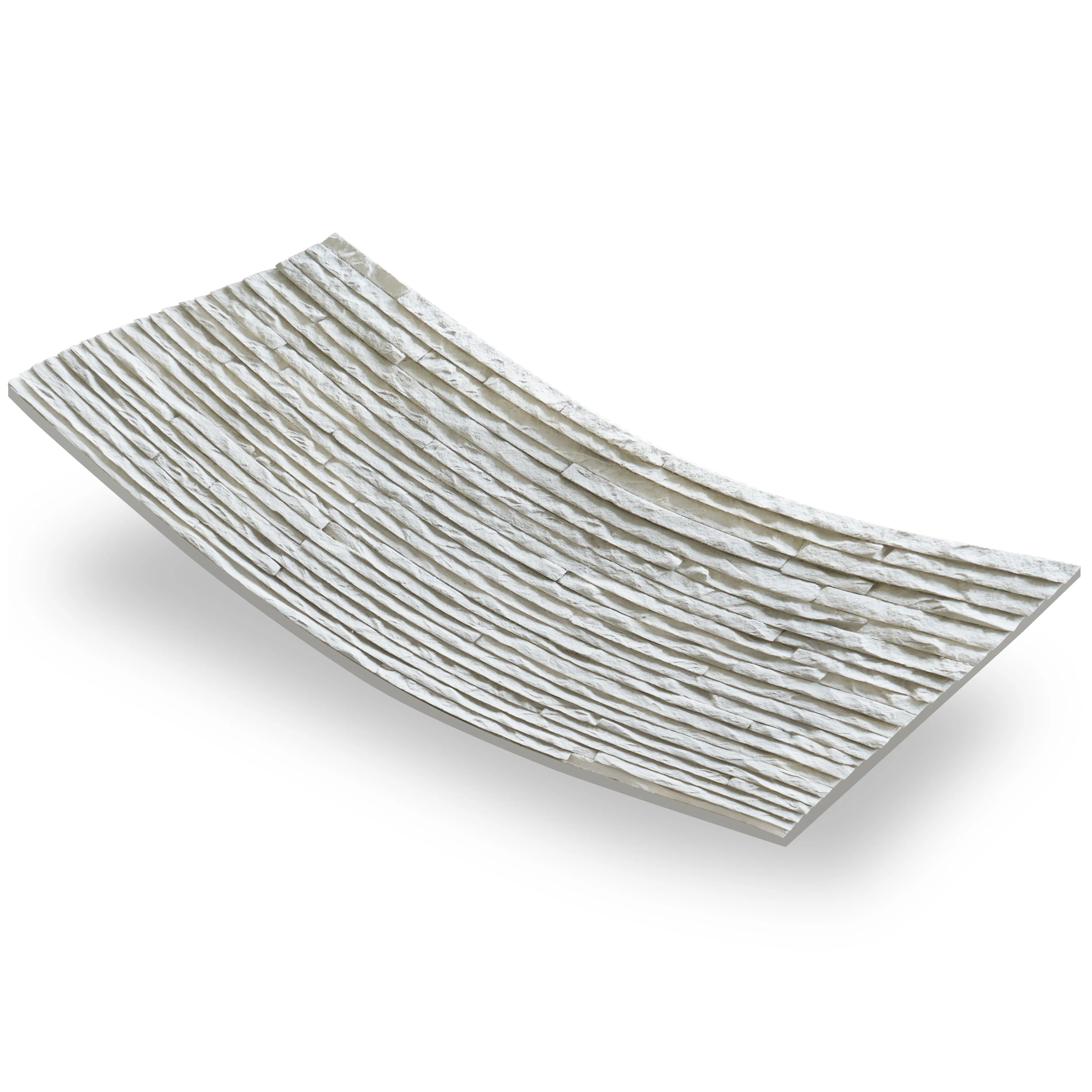
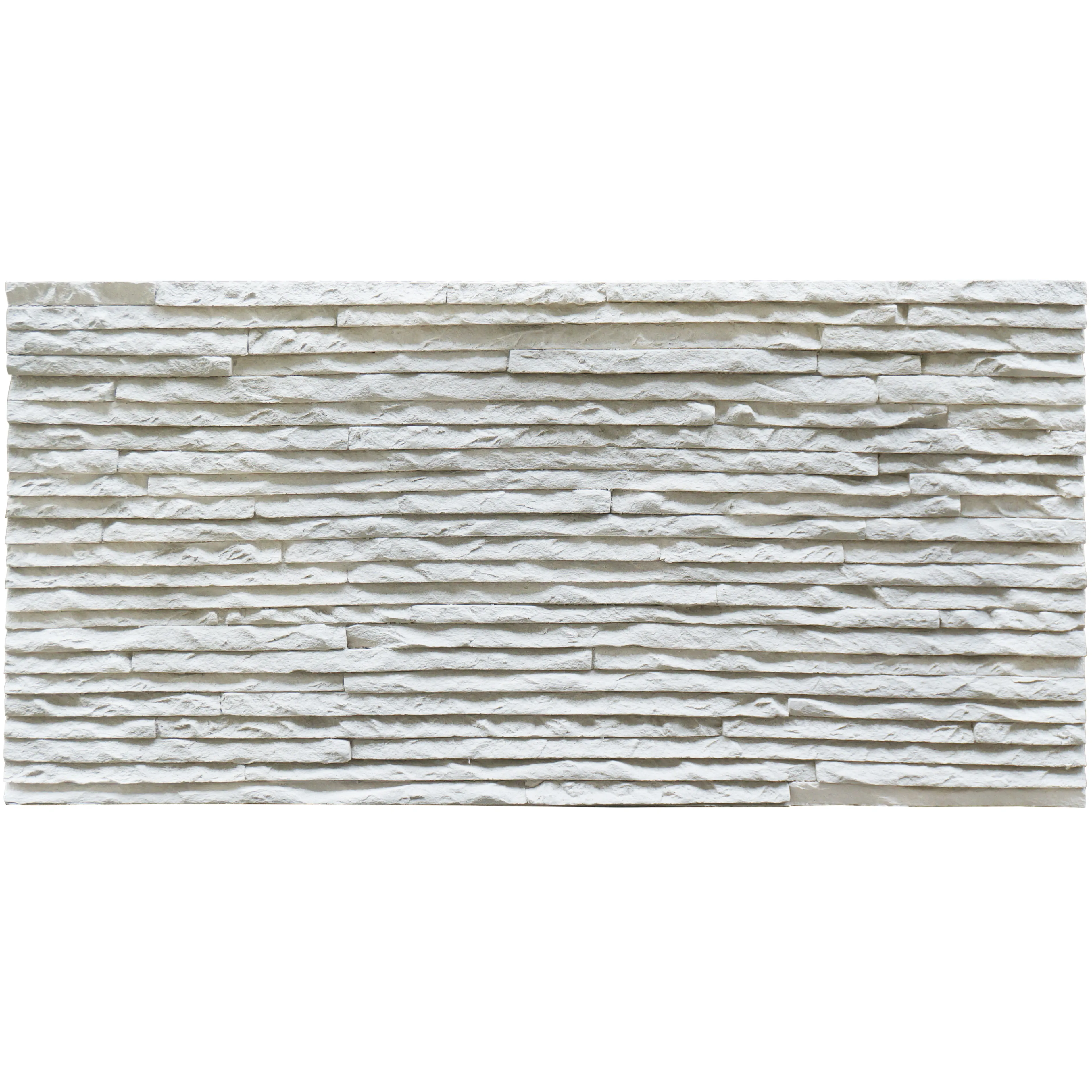
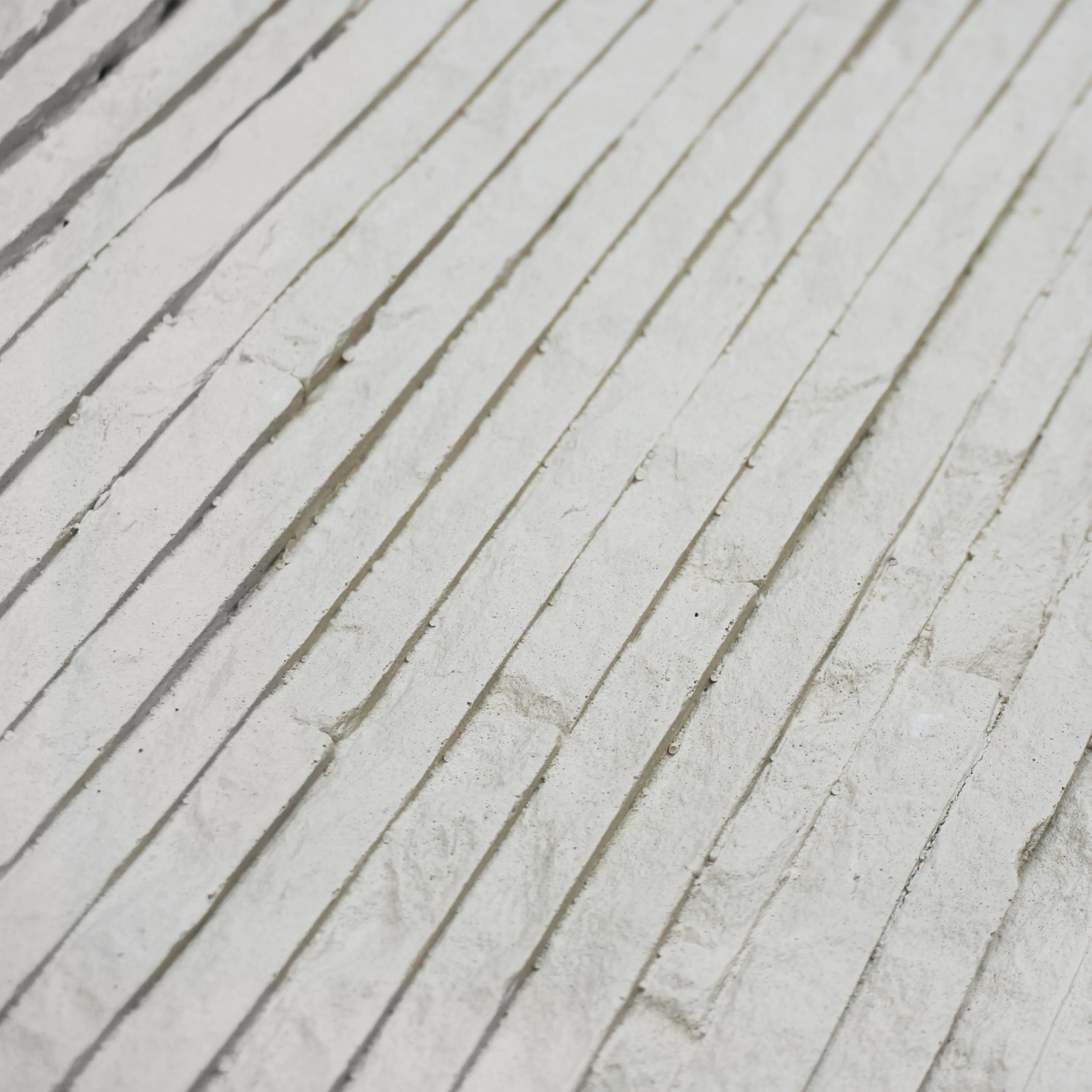
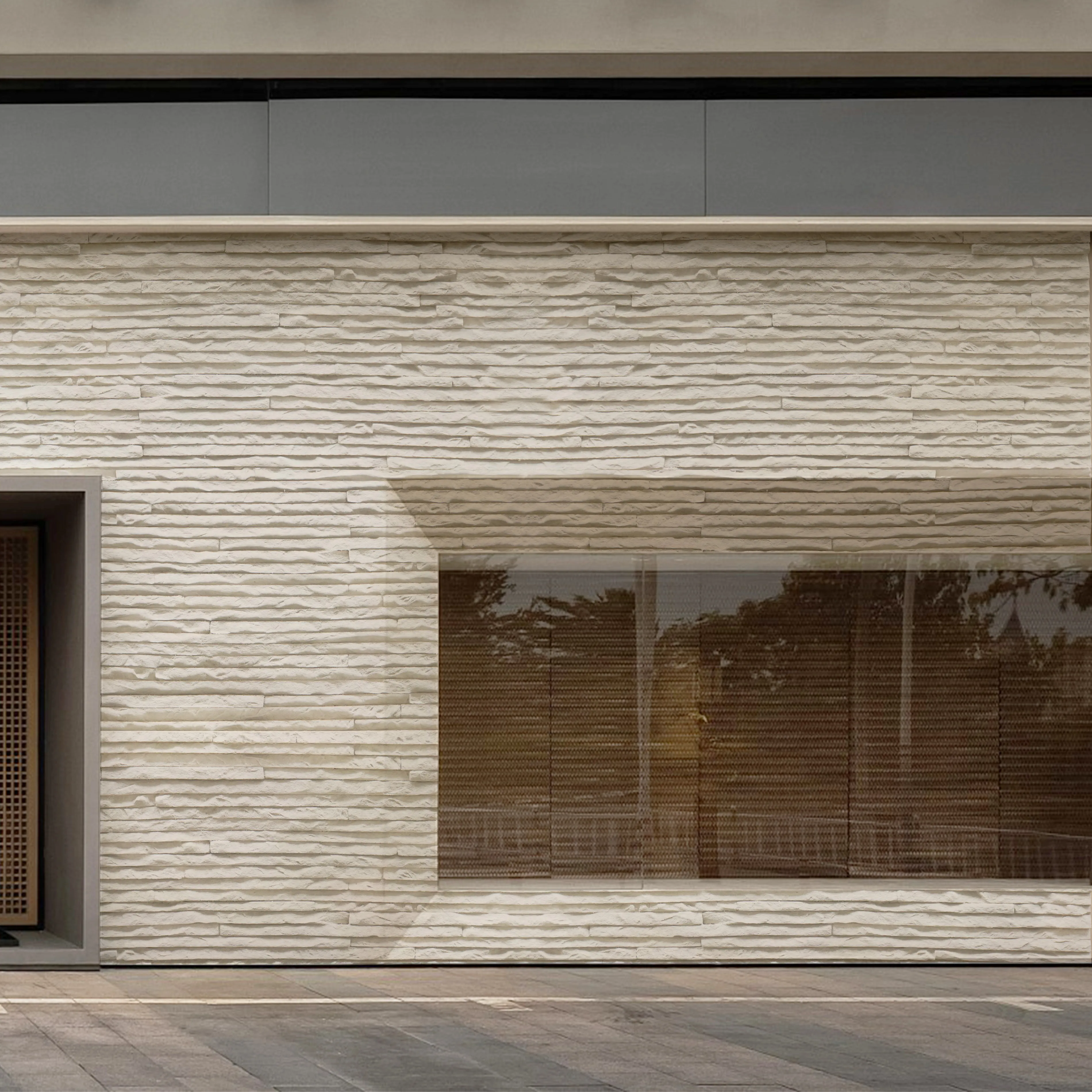
At first glance, Muretto Stone (Beige) looks like any high-quality natural stone cladding. Its warm beige hue, with subtle variations in tone and texture, mimics the organic beauty of travertine or limestone. Run your hand over it, though, and you'll notice the difference: it's thinner (typically 4-6 mm compared to 20-30 mm for traditional stone), and surprisingly flexible. Bend it slightly, and it gives—no cracks, no chips. That flexibility is key to its lightweight design.
Muretto Stone (Beige) is part of the mcm flexible stone category, which stands for "modified composite material." The technology behind it is deceptively simple: a core of non-woven glass fiber mesh is coated with a polymer resin, then layered with crushed natural stone aggregates (in this case, beige marble and limestone) and finished with a protective sealant. The result is a panel that's lightweight (just 4-6 kg/m²), yet strong enough to withstand impact, extreme temperatures, and UV radiation. It's also fire-resistant, water-resistant, and virtually maintenance-free—qualities that make it ideal for high-rise exteriors, where durability is non-negotiable.
But it's the aesthetic versatility that often wins over architects. Unlike lunar peak silvery or bamboo mat board —other popular lightweight options—Muretto Stone (Beige) offers a timeless, earthy look that complements both modern and classical designs. "We used it on a 32-story residential tower in Barcelona last year," says Torres. "The client wanted the warmth of natural stone but didn't want the structural headaches. Muretto's beige tone blended perfectly with the building's terracotta accents, and the lightweight panels let us add a cantilevered balcony section that would've been impossible with concrete."
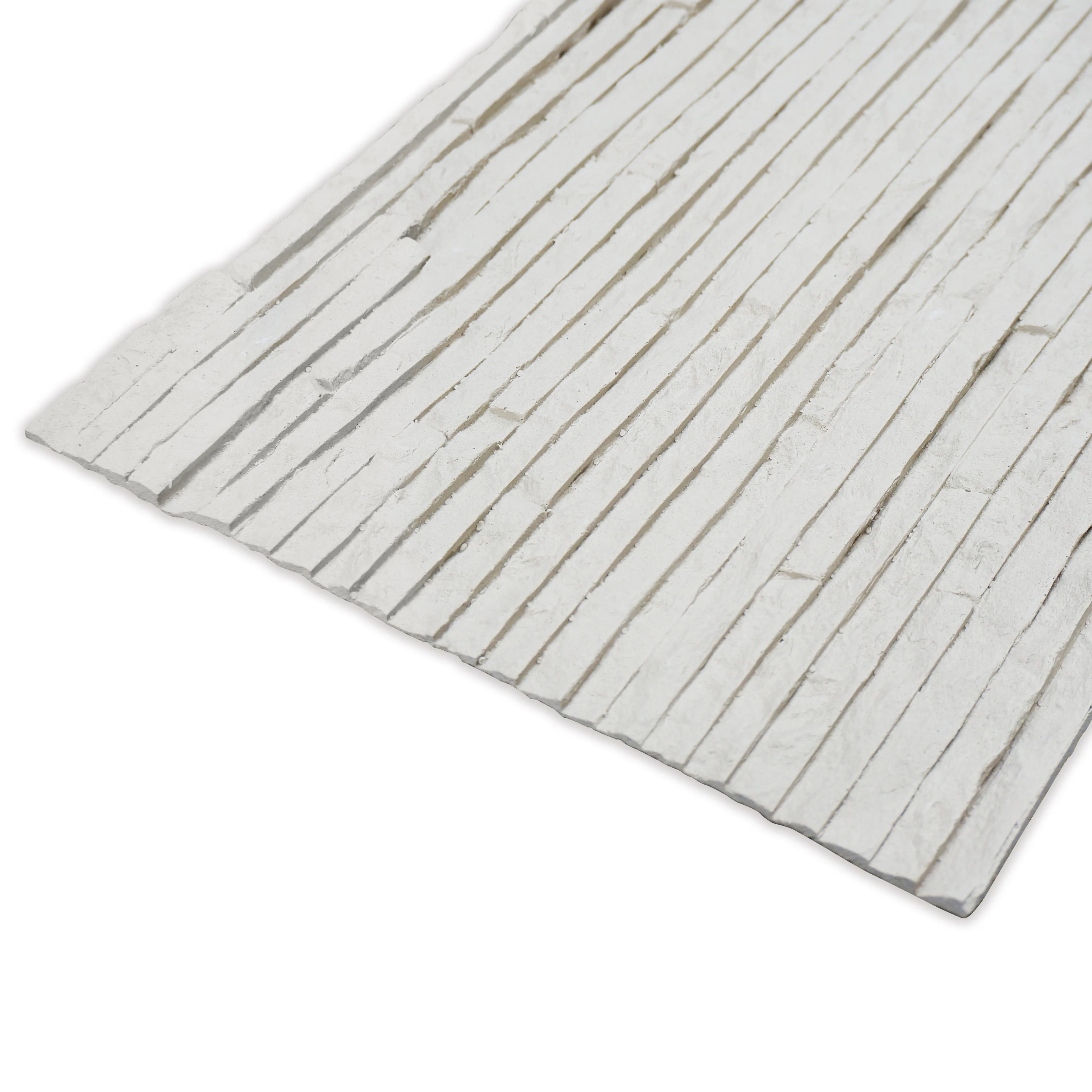
At just 4-6 kg/m², Muretto Stone (Beige) cuts cladding weight by up to 70% compared to traditional stone. This reduces stress on foundations, beams, and columns, allowing for slimmer structural elements and more open floor plans.
Lightweight panels are easier to transport, handle, and install. Crews can carry 2-3 panels at a time (vs. 1 for traditional stone), cutting installation time by 30-40% and reducing labor costs.
MCM panels resist fading, chipping, and moisture. They're tested to withstand temperatures from -40°C to 80°C and have a lifespan of 50+ years—comparable to traditional stone.
Lightweight materials reduce transportation emissions (fewer trucks needed). MCM production also uses less water and energy than mining natural stone, aligning with green building materials standards like LEED.
| Material | Weight (kg/m²) | Installation Time (per 100m²) | Cost (USD/m²) | Lifespan (Years) |
|---|---|---|---|---|
| Muretto Stone (Beige) | 4-6 | 8-10 hours | $45-60 | 50+ |
| Fair-Faced Concrete | 25-30 | 16-20 hours | $30-40 | 60+ |
| Natural Travertine | 20-25 | 12-15 hours | $80-120 | 50+ |
| Lunar Peak Silvery | 5-7 | 9-11 hours | $55-70 | 40-50 |
The table tells a clear story: while fair-faced concrete is cheaper upfront, its weight and installation time drive up overall project costs. Muretto Stone (Beige), on the other hand, offers a sweet spot of affordability, speed, and longevity. For high-rises, where construction timelines are tight and structural efficiency is paramount, those savings add up quickly.
To see Muretto Stone (Beige) in action, look no further than the Skyline Tower, a 47-story mixed-use building in Dubai's Business Bay. Completed in 2023, the tower was designed by award-winning firm Gensler to be a "beacon of sustainable luxury." Early in the design phase, the team faced a dilemma: the client wanted a stone-like exterior but demanded a building that could achieve LEED Gold certification. Traditional stone was too heavy, and synthetic cladding felt too generic.
"We tested three options: natural travertine, lunar peak silvery , and Muretto Stone (Beige)," says Marcus Reed, lead architect on the project. "Travertine was beautiful but would've added 300 metric tons to the structure—requiring a bigger foundation and more steel. Lunar Peak Silvery was lightweight but had a metallic finish that clashed with the warm, earthy aesthetic we wanted. Muretto was the perfect middle ground: lightweight, durable, and that beige tone felt timeless."
The numbers speak for themselves: using Muretto Stone (Beige) reduced the cladding weight by 65% compared to travertine, allowing the structural engineers to downsize the steel frame by 12%. That alone saved the project $1.2 million in materials. Installation was completed in 14 weeks instead of the projected 22, letting the building open three months ahead of schedule. And because the panels are so lightweight, the tower's foundation required 20% less concrete—a key factor in its LEED Gold certification.
Residents and visitors have praised the building's exterior, with many mistaking the Muretto panels for natural stone. "I had no idea it wasn't real marble until the architect told me," says Sarah Al-Mansoori, a tenant on the 35th floor. "It looks and feels premium, and the building feels so solid—you'd never guess the cladding is that light."
Skepticism about lightweight materials is understandable. After all, when it comes to building exteriors, "lightweight" has long been code for "flimsy" or "cheap." Muretto Stone (Beige) challenges that perception. To meet international building standards, it undergoes rigorous testing: impact resistance (it can withstand a 5kg weight dropped from 1 meter), freeze-thaw cycles (50 cycles at -20°C to 20°C), and fire resistance (it's rated Class A, non-combustible). In fact, in wind tunnel tests simulating hurricane-force winds (150 mph), Muretto panels performed better than traditional stone, thanks to their flexibility—they bend slightly with the wind instead of resisting it rigidly, reducing the risk of cracking.
"The biggest misconception is that lightweight means weak," says Torres. "But MCM technology is about strength through smart engineering, not brute force. The glass fiber mesh acts like a skeleton, and the resin binds the stone aggregates tightly. It's why Muretto can handle everything from hailstorms to coastal salt spray without deteriorating."
Maintenance is another area where Muretto shines. Unlike natural stone, which often requires sealing every 2-3 years, Muretto Stone (Beige) has a UV-resistant topcoat that prevents fading and staining. A simple hose-down with water is enough to keep it looking new. In a test conducted by the International Cladding Institute, Muretto panels showed no signs of fading or degradation after 10 years of exposure to harsh desert sunlight—comparable to natural stone.
As cities grow and construction costs rise, lightweight materials like Muretto Stone (Beige) are poised to become the norm, not the exception. The global MCM cladding market is projected to grow at 8.3% annually through 2030, driven by demand for sustainable, cost-effective building solutions. Architects are already exploring new possibilities: curved facades that would be impossible with heavy stone, mixed-material designs pairing Muretto with bamboo mat board or foamed aluminium alloy board , and even 3D-printed MCM panels for custom textures.
"The future of high-rise design is about working with materials, not against them," says Reed. "Muretto Stone (Beige) isn't just a cladding option—it's a tool that lets us push the boundaries of what's possible. We're designing buildings now that are taller, greener, and more beautiful than ever, and lightweight composites are a big reason why."
For developers, the message is clear: investing in lightweight cladding isn't just about cutting costs—it's about future-proofing projects. As building codes become stricter on sustainability and structural efficiency, materials like Muretto will become essential. And for cities, it means more innovative, resilient skyscrapers that stand as testaments to human ingenuity.
Muretto Stone (Beige) may not have the name recognition of marble or concrete, but in the world of high-rise construction, it's quickly becoming a household name. It represents a shift in how we think about building materials—away from "heavier is better" and toward "smarter is stronger." By combining the best of natural aesthetics with cutting-edge composite technology, it's proving that lightweight cladding can be just as durable, beautiful, and prestigious as traditional stone.
For architects, engineers, and developers, the choice is clear: in a world where every pound matters, Muretto Stone (Beige) is more than a material—it's a solution. It's the difference between a building that merely stands tall and one that stands out. And as our cities reach for the sky, that difference will shape the skylines of tomorrow.
Recommend Products












