
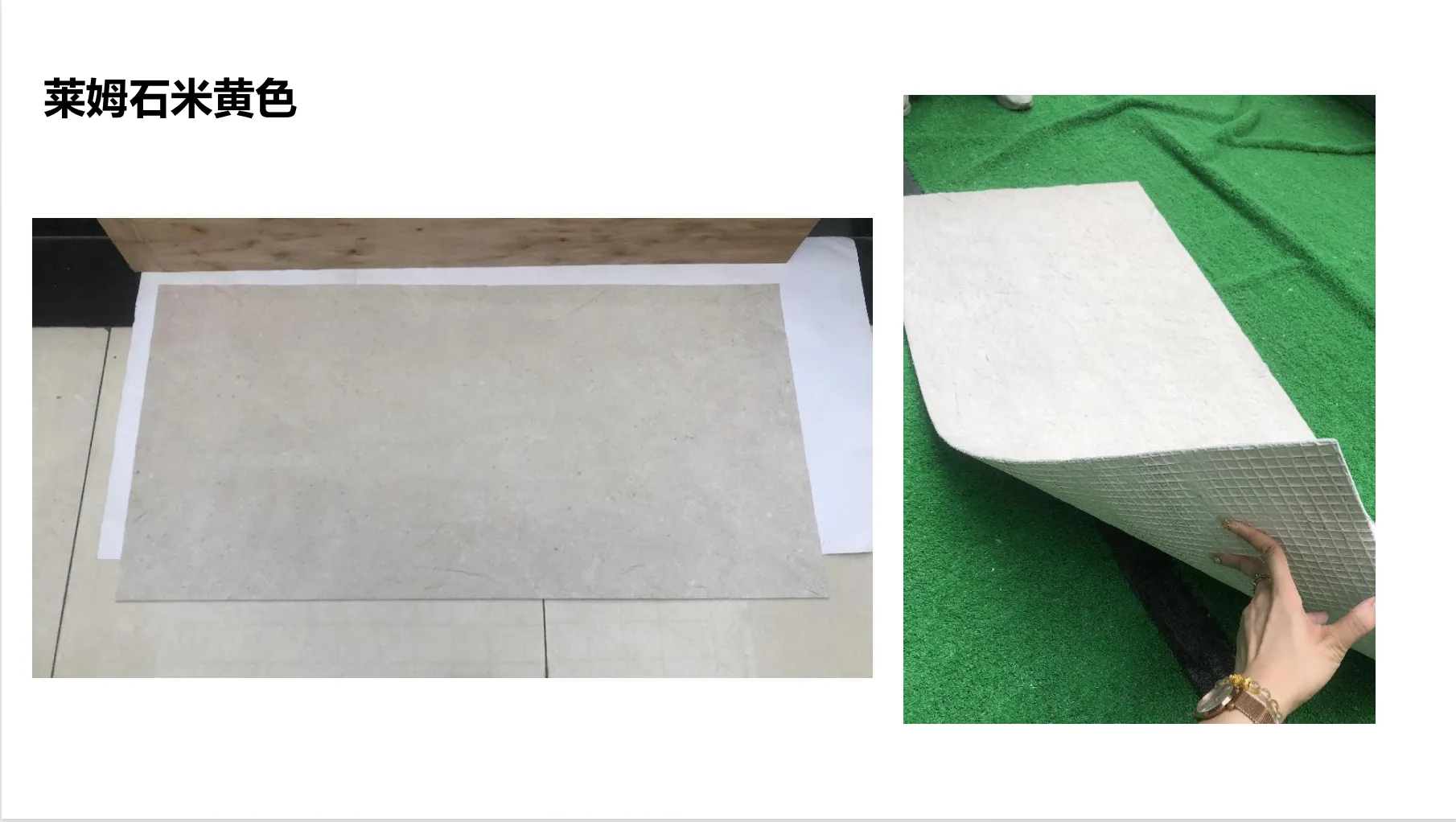
In the world of construction marketing, visuals aren't just nice to have—they're the backbone of how we sell ideas. Whether you're pitching a luxury hotel lobby clad in lime stone (beige) , a commercial complex with the raw elegance of fair-faced concrete , or a residential project showcasing the warm textures of travertine , real photos have become non-negotiable. Clients want to see "what it will actually look like," not just renderings or generic stock images. But here's the thing: those stunning, authentic photos of mcm flexible stone walls or historical pathfinders stone walkways? They come with a hidden catch: copyright law. And if you're not careful, that "perfect shot" could cost your business far more than you bargained for.
Let's start with the obvious: construction is a visual industry. When a client is investing millions in a project, they don't just want specs on paper—they want to feel the material. A high-res photo of lime stone (beige) can convey its warmth, the way light plays off its natural veining, or how it ages gracefully over time. Compare that to a generic "stone wall" stock image, and it's clear why real photos win: they build trust. They say, "We've worked with this material. We know how it looks, feels, and performs."
Take travertine , for example. This porous, earthy stone is a favorite for both interior and exterior projects, but its beauty lies in its imperfections—the tiny holes, the subtle color variations, the way it absorbs light. A real photo of travertine installed in a recent project doesn't just show the stone; it tells a story: "This is what happens when you pair travertine with natural light in a lobby." Clients don't just see a material—they see their vision come to life. Similarly, fair-faced concrete (that raw, unpolished finish) has surged in popularity for its industrial-chic appeal. A real photo captures the texture of the formwork marks, the depth of its gray tones, and the way it contrasts with wood or metal accents. These details can't be faked, and clients notice.
But here's the paradox: the more valuable these real photos are, the more critical it is to ensure you own the rights to use them. Because in the age of Google Images and "save as" buttons, it's easier than ever to grab a photo of mcm flexible stone from a competitor's website or a random blog post and slap it into your brochure. But that "quick win" could lead to a lawsuit, fines, or worse—damaged credibility when clients find out you're using stolen content.
Copyright law is often misunderstood, especially in fast-paced industries like construction where deadlines loom and "just get it done" is the mantra. Let's break it down: Copyright is a legal right that protects original creative works—including photographs—from being used without permission. In most countries, including the U.S., copyright automatically applies the moment a photo is taken. You don't need to register it, put a © symbol on it, or even publish it. The photographer owns the copyright unless they've explicitly transferred it in writing (like through a work-for-hire agreement or a license).
So, if you hire a freelance photographer to shoot your latest project featuring lime stone (beige) , who owns the copyright? Unless your contract says otherwise, the photographer does. You might have permission to use the photos for marketing (that's the license), but you don't own them. That means you can't sell the photos to another company, edit them beyond what's allowed in the license, or use them for purposes not specified (like a national ad campaign if the license was only for local brochures).
Now, let's bust some myths:
Let's get real: Copyright infringement isn't just a "legal technicality." It can hit your bottom line, your reputation, and even your ability to win projects. Here's what's at stake:
In the U.S., copyright infringement can result in statutory damages ranging from $750 to $30,000 per work if the infringement was "innocent." If it's deemed willful (you knew it was copyrighted and used it anyway), that jumps to $150,000 per work. Let's say you used 10 unlicensed photos of travertine and lime stone (beige) on your website—you could be on the hook for up to $1.5 million. For small to mid-sized construction firms, that's a existential threat.
Photographers and stock agencies are getting more aggressive about enforcing copyright, thanks to tools that scan the web for unauthorized use of their work. If you're caught, you'll likely receive a "cease and desist" letter first, but if you don't settle, you could end up in court. Legal fees alone can top $100,000, even if you win. And if you lose? You'll pay the damages plus the plaintiff's legal fees.
In construction, trust is everything. Clients hire you because they believe you're reliable, ethical, and detail-oriented. If word gets out that you're stealing photos—especially photos of materials you claim to specialize in, like mcm flexible stone —it sends a message: "If they cut corners here, where else are they cutting corners?" That can cost you current clients, future bids, and partnerships.
One of the trickiest scenarios? When a client says, "Here, use these photos of my previous project with historical pathfinders stone —they turned out great!" Sounds harmless, right? But unless the client owns the copyright to those photos (and can prove it), you're still on the hook. Maybe the client hired a photographer who retained rights, or maybe they pulled the photos from the contractor's website (who themselves might have infringed). Either way, if you use them, you're liable.
The good news? You don't have to choose between great visuals and legal safety. With a few proactive steps, you can build a library of stunning, copyright-cleared photos that showcase your work with lime stone (beige) , travertine , and other materials—without the risk.
The safest way to ensure copyright compliance is to create your own photos. Hire a professional photographer to shoot your completed projects, material samples (like mcm flexible stone panels), or even staged mockups. Yes, this costs money upfront, but it's an investment: you own the rights (if you structure the contract correctly), you can use the photos however you want, and they'll be unique to your brand. Plus, you can tailor the shots to highlight what makes your work special—like the way your team installed that fair-faced concrete with zero imperfections, or the custom color blend of historical pathfinders stone you developed for a client.
Pro tip: Include a "work-for-hire" clause in your photographer contract. This transfers copyright ownership to your company, so you don't have to worry about license limitations later. If the photographer won't agree to work-for-hire, negotiate an exclusive, perpetual, worldwide license for all marketing uses (website, social media, proposals, ads, etc.).
If you need photos quickly or don't have a project to shoot yet, stock photos are a viable option—but not all stock is created equal. Avoid free stock sites (they often have hidden license restrictions) and opt for reputable paid platforms like Shutterstock, Getty Images, or Adobe Stock. Read the license agreement carefully: "Royalty-free" doesn't mean "unlimited"—it usually limits usage (e.g., no use in merchandise, or a cap on print runs). "Rights-managed" licenses are more expensive but give you exclusive use for a specific purpose (like a national campaign featuring travertine ).
And remember: If you're using a stock photo of a material like lime stone (beige) , make sure it accurately represents the product you offer. Clients will notice if your marketing shows a smooth, polished lime stone but the actual material you supply is porous and textured. Authenticity still matters, even with stock.
Confusion leads to mistakes. Develop a simple checklist for anyone on your team who sources or uses photos. Here's a sample to get you started:
| Task | Action Step | Example | Compliance Level |
|---|---|---|---|
| Sourcing Photos | Use only custom-shot photos or licensed stock images. | Use photos from the shoot of our downtown project with lime stone (beige) . | High |
| Client-Provided Images | Request written proof of copyright ownership or a signed license. | Client sends photos of their old office with historical pathfinders stone – ask for a copy of the photographer's release. | Medium |
| Stock Photo Use | Verify license type and restrictions (e.g., commercial use allowed? Print run limits?) | Download a travertine image with an "extended commercial license" for use in ads. | High |
| Competitor Content | Never use competitor photos, even for comparison. | Competitor's website has a great shot of fair-faced concrete – hire a photographer to shoot our own similar project. | High |
Your marketing team isn't the only one using photos. Sales reps might pull images for proposals, project managers might share them in client meetings, and even interns could be posting to social media. Hold a quick training session on copyright basics: what's allowed, what's not, and who to ask if they're unsure. Create a shared folder of approved, copyright-cleared photos (labeled with license info, if applicable) so everyone knows where to find safe options.
Take an afternoon to review your website, social media, brochures, and presentations. For every photo, ask: "Do we have proof of ownership or a valid license?" If not, take it down immediately. It's better to have a blank spot than a potential lawsuit. replace infringing images with original or properly licensed alternatives—even if it takes time. Your reputation is worth it.
Let's look at a real-world example (names changed for privacy). A mid-sized construction firm, "BuildRight," specialized in heritage restoration projects, often using materials like historical pathfinders stone and lime stone (beige) to match original architecture. Their marketing relied heavily on photos of past projects, but they'd never paid much attention to copyright—most images were sourced from Google or client-provided files.
Then, they received a cease-and-desist letter: A photographer had found 12 of their images on BuildRight's website, including several of a travertine courtyard they'd completed. The photographer demanded $50,000 in damages. BuildRight settled for $20,000 (still a huge hit) and realized they needed to change their approach.
Instead of viewing copyright compliance as a burden, they saw it as an opportunity. They hired a photographer to shoot all their completed projects, focusing on the unique details of their work with historical pathfinders stone and mcm flexible stone . They even created a "Material Masters" series, where they documented the process of sourcing, cutting, and installing rare stones—turning the photo shoots into content for their blog and social media.
The result? Within six months, their website traffic increased by 35%, and clients started commenting on how "authentic" and "detailed" their marketing materials were. They even won a major contract with a heritage trust that cited their "commitment to accuracy and quality" as a deciding factor. What started as a crisis became a competitive advantage—all because they invested in original, copyright-cleared content.
As clients demand more transparency and authenticity, real photos will only grow in importance. Materials like fair-faced concrete , travertine , and lime stone (beige) tell stories of craftsmanship, durability, and design—and those stories need to be told with images that are as genuine as the materials themselves. But authenticity shouldn't come at the cost of legal risk.
By prioritizing original content, licensing wisely, and training your team, you can build a marketing strategy that's both compelling and compliant. Remember: In construction, your reputation is your most valuable asset. Protecting it means protecting the rights of the creators behind the visuals that help you win business.
So the next time you're tempted to grab that stunning photo of lime stone (beige) from the web, pause. Ask: "Is this worth the risk?" If the answer is no, pick up the phone and call a photographer. Your future self—and your bottom line—will thank you.
Recommend Products












