
Exterior landscaping is more than just planting shrubs or laying down a walkway—it's about crafting a first impression, a story, and a space that feels like an extension of the life inside. The materials we choose for walls, facades, patios, and garden paths don't just serve a functional purpose; they set the tone for how a building interacts with its environment, whether it's a cozy suburban home or a sleek urban commercial complex. In recent years, there's been a quiet revolution in how we approach these materials: a blend of time-honored natural stones and innovative engineered solutions that marry durability with design flexibility. At the heart of this movement lies a material that has stood the test of centuries but continues to feel fresh: lime stone, particularly in its warm, versatile beige hue. And when paired with cutting-edge MCM (Modified Composite Material) products, it becomes a canvas for landscapes that are both rooted in nature and ready for the future.
In this article, we'll dive into why lime stone (beige) remains a top choice for exterior projects, how real photos bring its beauty to life, and how integrating it with MCM materials like flexible stone and big slab boards can elevate your landscaping from ordinary to extraordinary. We'll also explore practical insights, design tips, and the stories behind these materials—because great landscaping isn't just about what looks good; it's about what feels right.
Walk through any historic village in Tuscany or a modern suburban neighborhood in California, and you're likely to encounter lime stone in its most beloved form: beige. There's a reason this color and material have endured for millennia. Beige lime stone isn't just a "safe" choice—it's a versatile one. Its soft, earthy tones range from pale sand to warm honey, making it a chameleon that complements everything from vibrant greenery to cool gray metals, from rustic wood accents to sleek glass facades. Unlike bold colors that can feel dated after a few years, beige lime stone ages like fine wine, developing subtle patinas over time that add character rather than wear.
But it's not just about color. The texture of natural lime stone is where the magic happens. Run your hand over a rough-hewn lime stone wall, and you'll feel the irregularities—the tiny pits, the subtle ridges, the way light catches on its surface at dawn and dusk. It's a texture that invites touch, that feels "alive" in a way smooth, uniform materials often don't. For exterior landscaping, this texture adds depth: a lime stone patio doesn't just lie flat; it grounds the space, creating a sense of solidity and connection to the earth. In garden walls, it provides a backdrop that makes flowers pop without competing with them. On building facades, it softens sharp architectural lines, turning a modern structure into something that feels organic and approachable.
Durability is another feather in its cap. Lime stone is naturally resistant to weathering, standing up to rain, snow, and harsh UV rays without fading or cracking easily. It's also surprisingly low-maintenance—no need for frequent sealing or specialized cleaning. A quick rinse with water is often enough to keep it looking fresh. For homeowners and designers alike, this means peace of mind: investing in lime stone isn't just about beauty today; it's about beauty that lasts for decades.
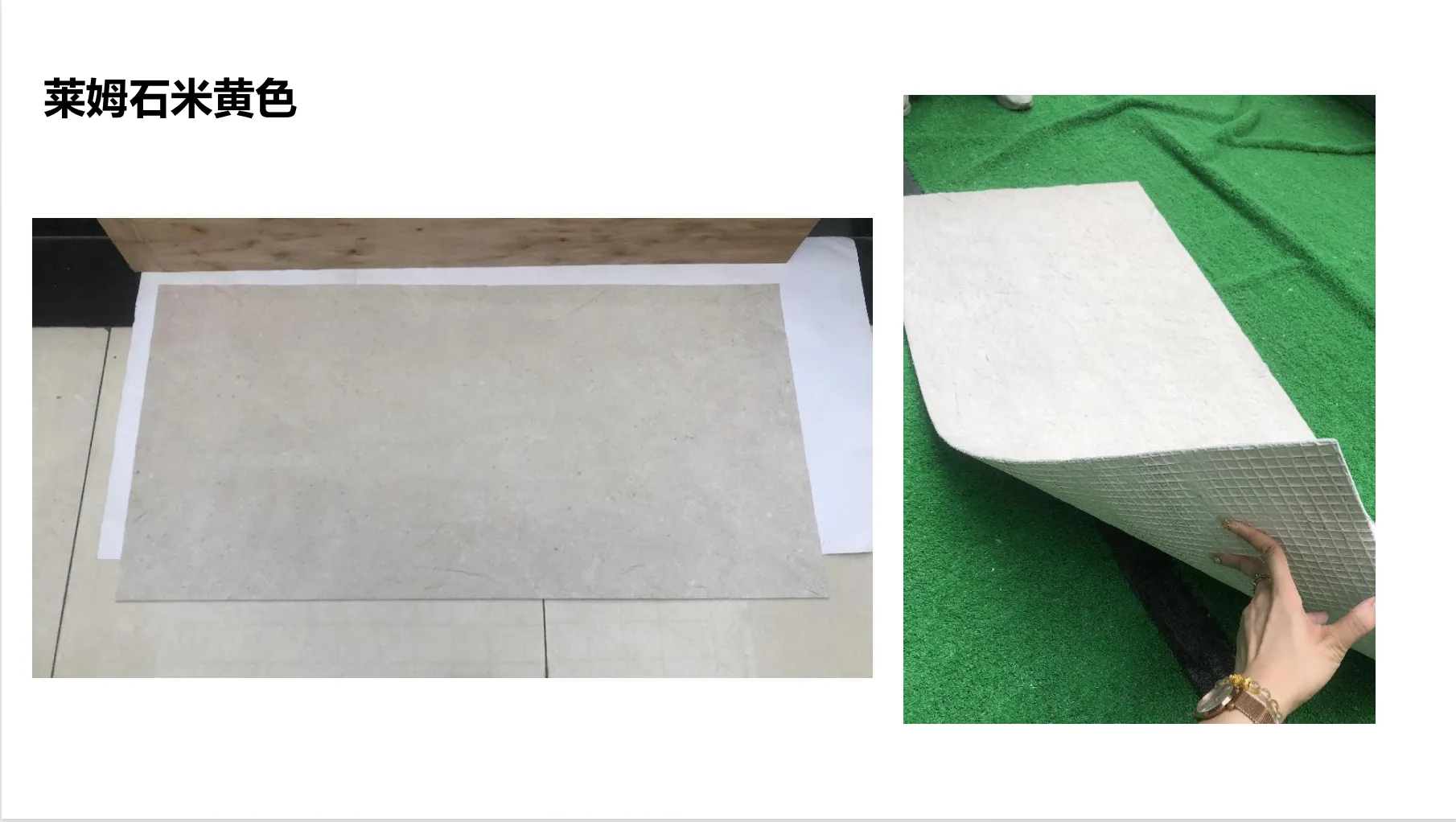
They say a picture is worth a thousand words, but when it comes to landscaping materials, a real photo is worth a thousand guesses. Before breaking ground on a project, most of us rely on swatches, samples, or generic stock images—but these can only tell part of the story. Lime stone real photos, on the other hand, offer a window into how the material will behave in the real world: how it absorbs light at different times of day, how it interacts with surrounding elements like plants or water, and how its texture changes up close versus from a distance.
Take, for example, a close-up shot of lime stone (beige) used in a garden path. A real photo might reveal tiny fossilized shells embedded in the stone—a reminder of its ancient origins, formed from marine sediments millions of years ago. Or it might show how rainwater beads on its surface, highlighting the difference between a honed (smooth) finish and a natural (rough) one. These details matter because they influence not just how the stone looks, but how it feels to walk on, how it sounds underfoot, and how it ages with exposure to the elements.
Contextual real photos are equally powerful. Imagine scrolling through images of a lime stone (beige) facade paired with MCM big slab board accents. You'll see how the warm beige of the stone balances the sleek, uniform look of the MCM panels, creating a facade that feels both grounded and contemporary. Or a photo of a lime stone patio at sunset, where the stone's golden undertones glow, turning an ordinary evening into something cinematic. These images don't just show the material—they show the experience of living with it.
For designers, real photos are a tool for communication. They help clients move beyond abstract ideas ("I want something natural") to concrete visions ("I love how this lime stone looks with our oak trees"). For homeowners, they're a source of inspiration, proving that beige doesn't have to be boring—it can be the foundation for a landscape that feels uniquely theirs.
If natural lime stone is the "heart" of classic landscaping, MCM materials are the "engine" driving its evolution. MCM, short for Modified Composite Material, is an umbrella term for engineered products designed to mimic the look and feel of natural stone, wood, or concrete— but with added benefits that make them ideal for modern construction. Think of them as nature's best qualities, reimagined for the demands of today's projects: lighter weight, easier installation, greater design flexibility, and often, a lower environmental impact.
Two MCM products stand out for their ability to complement lime stone (beige) in exterior landscaping: MCM flexible stone and MCM big slab board series. Let's start with flexible stone. Unlike rigid natural stone slabs, MCM flexible stone is thin (often just 3-5mm thick) and bendable, making it possible to apply it to curved surfaces—think rounded garden walls, arched doorways, or even the contoured edges of a pool deck. It's also significantly lighter than natural stone, which reduces structural load on buildings and cuts down on installation time and labor costs. And yet, up close, you'd be hard-pressed to tell it apart from real stone: manufacturers use advanced molding techniques to replicate the texture, veining, and color variations of natural lime stone, right down to those tiny fossilized details.
Then there's the MCM big slab board series. As the name suggests, these are large-format panels (some as big as 1200x2400mm) that offer a seamless, modern look. Imagine a commercial building facade clad in 4x8-foot panels that mimic the warm beige of lime stone but with a perfectly uniform finish. No grout lines, no mismatched slabs—just a sleek, monolithic surface that makes a bold statement. Big slab boards are also highly durable, resistant to scratches, stains, and fading, making them a favorite for high-traffic areas like hotel exteriors or retail storefronts. And because they're made from recycled minerals and polymers, they're often more eco-friendly than quarried stone, aligning with the growing demand for sustainable building practices.
What truly sets MCM apart, though, is its ability to collaborate with natural materials. It doesn't replace natural lime stone; it enhances it. A wall might feature a base of rough-hewn natural lime stone (beige) topped with MCM flexible stone panels, creating a visual transition from rustic to refined. Or a patio could mix natural lime stone pavers with MCM big slab board accents, adding geometric interest without sacrificing the stone's organic feel. It's this synergy that makes MCM such a game-changer: it lets designers have their cake and eat it too—natural beauty with engineered convenience.
Let's move from theory to practice. How do you actually integrate lime stone (beige) with MCM materials in a real-world landscaping project? The answer lies in balance—knowing where natural stone shines and where MCM can add value, whether it's through cost savings, design flexibility, or structural practicality.
Consider a residential exterior project: a two-story home with a front yard that includes a driveway, a covered patio, and a retaining wall. The homeowner wants a warm, inviting look that feels connected to nature but doesn't require constant upkeep. Here's how the materials might come together: The driveway and patio could be paved with natural lime stone (beige) pavers, chosen for their slip-resistant texture and ability to withstand heavy foot and vehicle traffic. The retaining wall, which curves gently around a flower bed, could use MCM flexible stone in a matching beige hue—its bendable nature making it easy to follow the wall's contour without the need for custom-cut natural stone, which would be both time-consuming and expensive. Above the retaining wall, the home's facade might feature MCM big slab boards in a slightly lighter beige, creating a clean, modern backdrop that makes the natural stone pavers pop. To tie it all together, accents of travertine (beige)—another natural stone with subtle veining—could be used for window sills or the base of the front steps, adding layers of texture without overwhelming the palette.
For a commercial project, say a boutique hotel with a rooftop garden and outdoor dining area, the priorities might shift to durability, aesthetics, and making a memorable impression. Here, MCM big slab boards could take center stage: the hotel's exterior walls clad in large panels that mimic the look of weathered lime stone (beige), giving the building a sense of history while remaining low-maintenance. The rooftop garden, however, could feature natural lime stone (beige) tiles for the flooring, their porous surface helping to absorb rainwater and reduce runoff. To add contrast, fair-faced concrete planters—raw, industrial, and subtly gray—could be placed throughout, their clean lines playing off the organic texture of the lime stone. The result? A space that feels luxurious yet approachable, where guests can enjoy the best of both natural and engineered materials.
Even in smaller projects, this integration works. A backyard fire pit area, for example, might have a natural lime stone (beige) surround for that authentic, campfire-ready feel, paired with MCM flexible stone for the seating wall, which can be shaped to fit the curve of the pit and colored to match the stone perfectly. It's these small, intentional choices that turn a collection of materials into a cohesive landscape.
Choosing between natural lime stone (beige) and MCM materials can feel like a trade-off—but it doesn't have to be. To help you decide where each material might work best in your project, let's break down their key features side by side:
| Feature | Natural Lime Stone (Beige) | MCM Flexible Stone / Big Slab Board |
|---|---|---|
| Weight | Heavy (20-30kg per sq.m for 2cm slabs), requiring strong structural support. | Lightweight (3-8kg per sq.m), ideal for retrofits or structures with weight restrictions. |
| Installation | Requires skilled labor for cutting, lifting, and setting; longer installation time. | Easy to cut with standard tools; can be installed with adhesives, reducing labor and time. |
| Maintenance | May need periodic sealing to prevent staining; porous surface can absorb moisture. | Non-porous, stain-resistant, and low-maintenance; no sealing required. |
| Design Flexibility | Limited to natural shapes and sizes; curved surfaces require custom cutting. | Flexible (for curved surfaces) and available in large slabs; can be printed with custom patterns. |
| Cost | Higher upfront cost due to quarrying, transportation, and labor. | Lower upfront and long-term costs; saves on installation and maintenance. |
| Aesthetics | Authentic, organic texture with unique veining and color variations; ages with character. | Nearly identical to natural stone in appearance; consistent color and texture for a uniform look. |
As the table shows, there's no "better" option—only the right option for your specific needs. If authenticity and organic beauty are your top priorities, natural lime stone (beige) is hard to beat. If you need flexibility, cost savings, or lightweight materials, MCM is the way to go. And in most cases, the best results come from using both in harmony.
Integrating lime stone (beige) and MCM materials successfully requires a bit of design savvy. Here are some tips to help you create a landscape that feels intentional and cohesive:
Beige is a neutral, so use texture to add interest. Pair rough-hewn natural lime stone with smooth MCM big slab boards, or mix honed (polished) lime stone pavers with matte MCM flexible stone walls. The contrast will make both materials stand out without clashing.
Beige lime stone acts as a blank canvas, so don't overdo it with bold accents. A few touches of green (from plants), gray (fair-faced concrete), or warm wood can add depth without overwhelming the space. For example, a wooden pergola over a lime stone patio adds warmth, while gray planters ground the scene.
MCM big slab boards work best on large surfaces, like expansive facades or long retaining walls, where their seamless look can shine. Natural lime stone, with its irregular edges, is perfect for smaller, more intimate spaces—think garden paths or fire pit surrounds—where its organic texture can be appreciated up close.
Beige lime stone looks different in morning sun versus afternoon shade. Before finalizing your design, study how light hits your space throughout the day. If your project is in a shaded area, opt for lighter beige tones to brighten things up; in sunny spots, deeper beiges can add warmth without fading.
Natural lime stone's "flaws"—a chip here, a darker vein there—are part of its charm. Embrace them! MCM materials, while uniform, can mimic these imperfections (like simulated weathering) to blend in seamlessly with natural stone. The goal is to create a space that feels lived-in, not "perfect."
In today's world, sustainability isn't just a buzzword—it's a priority. Both natural lime stone and MCM materials have roles to play in eco-friendly landscaping, but they approach sustainability from different angles.
Natural lime stone is a renewable resource, formed over millions of years by natural geological processes. When quarried responsibly—with minimal disruption to local ecosystems—it has a low carbon footprint compared to synthetic materials like vinyl or plastic. It's also fully biodegradable at the end of its lifespan, returning to the earth without leaving harmful residues. However, quarrying and transporting heavy stone slabs can contribute to emissions, especially for long-distance projects.
MCM materials, on the other hand, are often more sustainable in terms of production and transportation. Many MCM products are made from recycled materials, like crushed stone, glass, or polymers, reducing the need for new quarrying. Their lightweight nature also means lower fuel consumption during shipping and less structural material needed for installation, further cutting down on carbon emissions. Additionally, MCM's durability means less frequent replacement, reducing waste over time.
The most sustainable approach? Combining the two. Use natural lime stone for high-visibility areas where its beauty can be fully appreciated, and MCM for larger surfaces or hard-to-reach areas where weight and installation efficiency matter. For example, a project might use locally quarried lime stone (beige) for patio pavers (reducing transportation emissions) and MCM flexible stone for a facade (cutting down on structural materials). Together, they create a landscape that's kind to the planet and beautiful to behold.
Exterior landscaping is about more than materials—it's about creating spaces that tell a story, that grow with you, and that connect you to the world around you. Lime stone (beige) and MCM materials are two chapters in that story: one rooted in the past, with centuries of history in every slab, and the other looking forward, with innovation that opens new doors for design.
Real photos play a crucial role in this narrative, turning abstract ideas into tangible visions and helping us see how these materials will transform a blank lot into a home, a commercial space into a destination, or a garden into a sanctuary. They remind us that beauty is in the details—the way light dances on a lime stone patio at sunset, the seamless transition between natural stone and MCM panels, the warmth of beige that makes every space feel like a hug.
Whether you're a homeowner dreaming of a backyard retreat or a designer tackling a large-scale commercial project, remember this: the best landscapes aren't just built with stone and panels—they're built with intention. They balance the old and the new, the natural and the engineered, the functional and the beautiful. And in that balance, you'll find a space that doesn't just look good—it feels like home.
So the next time you're planning an exterior project, take a closer look at lime stone (beige). Flip through real photos. Imagine how it might pair with MCM flexible stone or big slab boards. And let your materials tell a story that's uniquely yours—one that will be enjoyed for years to come.
Recommend Products












