
Exploring how natural materials and innovative MCM solutions blend aesthetics with eco-conscious design
In the world of modern architecture, sustainability isn't just a trend—it's the foundation upon which we build our future. Today's designers and builders aren't just chasing beauty; they're chasing balance: materials that tell a story, reduce environmental impact, and stand the test of time. Enter lime stone(beige) —a material that feels both ancient and refreshingly contemporary. Its warm, earthy tones and subtle texture evoke the quiet strength of natural landscapes, while its eco-friendly properties make it a standout choice for projects aiming for green building certifications like LEED, BREEAM, or WELL.
But here's the thing about sustainable construction: it's not enough for a material to be "green" on paper. It needs to look the part, too. That's where real photos come in. Whether you're presenting to clients, submitting for certification, or simply visualizing how a space will feel, high-quality images of materials like lime stone(beige), mcm flexible stone , or fair-faced concrete bridge the gap between concept and reality. They capture the play of light on a surface, the depth of texture, and the way colors shift throughout the day—details that specs alone can never fully convey.
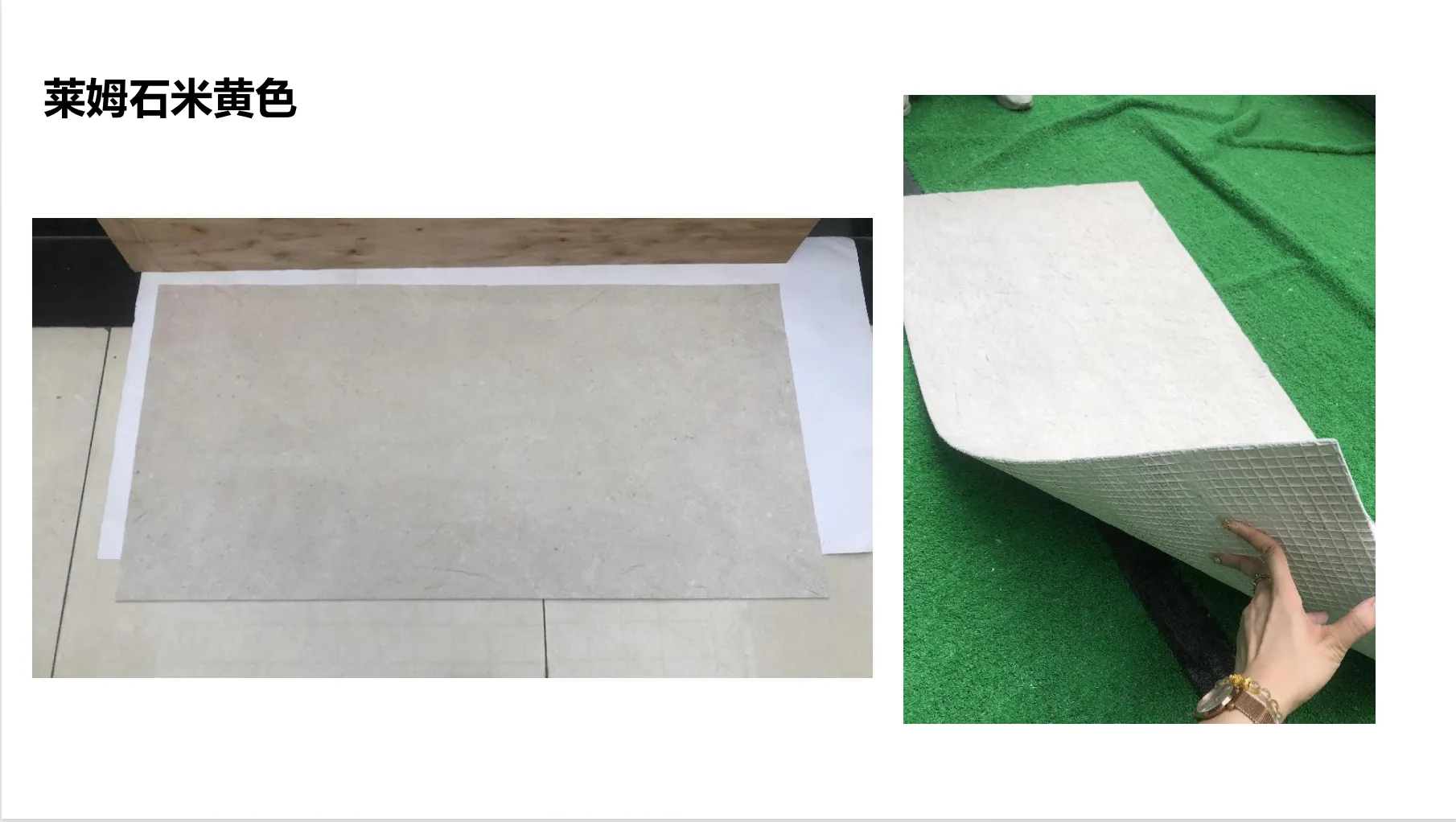
Let's start with the star of the show: lime stone(beige) . At first glance, it's easy to fall for its understated elegance—soft beige hues that complement everything from minimalist interiors to rustic exteriors, with tiny fossilized details that hint at its million-year journey from ancient seabeds to modern construction sites. But its beauty is more than skin deep.
Unlike synthetic materials that rely on energy-heavy manufacturing processes, lime stone(beige) is quarried and processed with relatively low carbon emissions. Its natural composition—calcium carbonate—means it's breathable, regulating moisture in buildings and reducing the need for energy-draining dehumidifiers. And because it's incredibly durable (think: ancient Roman structures still standing today), it minimizes the need for frequent replacements, cutting down on waste over a building's lifecycle.
For green certification bodies, these factors matter. LEED, for example, awards points for materials with low embodied carbon and regional sourcing (since lime stone is often quarried locally, reducing transportation emissions). BREEAM, on the other hand, values durability and circularity—traits that lime stone(beige) checks off effortlessly. When paired with real photos that showcase its natural variation and application in real-world projects, it becomes easier to demonstrate compliance with these standards.
Pro Tip: When submitting for green certification, include real photos of lime stone(beige) installations with annotations on key sustainability features—e.g., "Locally sourced within 200 miles" or "Zero-VOC sealant used to preserve natural breathability." Certifiers love tangible evidence!
While natural stone like lime stone(beige) has stood the test of time, innovation in sustainable materials is always welcome. That's where mcm flexible stone shines. Short for "Modified Composite Material," MCM flexible stone is a game-changer for architects who crave the look of natural stone but need something lighter, more versatile, and easier to install.
Imagine a thin, flexible panel that mimics the texture of travertine, slate, or even wood—yet weighs up to 80% less than traditional stone. That's MCM flexible stone. Its lightweight nature reduces transportation costs and energy use, while its flexibility means it can be applied to curved surfaces, intricate facades, or even retrofitted onto existing buildings without structural reinforcement. And because it's made from recycled minerals and plant-based binders, it boasts a significantly lower carbon footprint than concrete or solid stone.
Take, for example, a recent community center project in Portland, Oregon. The design team wanted the exterior to feel organic and inviting, but the building's structural constraints ruled out heavy stone cladding. Enter MCM flexible stone in a warm epoch stone finish—a shade that echoes the earthy tones of lime stone(beige) but with a modern, matte texture. Real photos of the installation show how the panels wrap around the building's curves, creating a seamless, natural look that earned the project a LEED Silver certification. "We could never have achieved that aesthetic with traditional stone," said lead architect Maria Gonzalez. "The MCM panels not only cut our carbon emissions by 30% but also made the project feasible within our budget."
No discussion of sustainable construction materials is complete without mentioning fair-faced concrete —a material that celebrates rawness and authenticity. Also known as "architectural concrete," fair-faced concrete is left exposed, with no paint, tiles, or coatings to hide its natural texture. What you see is what you get: the rough grain of the formwork, the subtle variations in color, and the quiet confidence of a material that doesn't need embellishment.
From an eco-friendly standpoint, fair-faced concrete is a winner. By skipping additional finishes, it reduces material waste and eliminates the need for toxic paints or sealants. Its thermal mass also helps regulate indoor temperatures, cutting down on heating and cooling costs—a major plus for green certifications. And when paired with lime stone(beige) accents or MCM flexible stone, it creates a striking contrast: the cool, industrial edge of concrete balanced by the warmth of natural materials.
Real photos of fair-faced concrete in action tell the story best. A boutique hotel in Kyoto, Japan, used the material for its lobby walls, pairing it with wood grain board (another sustainable MCM product) for the ceiling. The photos capture how the concrete's gray tones play off the wood's warm hues, creating a space that feels both modern and rooted in nature. "Guests often comment on how calm the lobby feels," said the hotel's designer. "It's the combination of the concrete's solidity and the wood grain's softness—proving that sustainability and serenity can go hand in hand."
We've talked a lot about materials, but let's circle back to the heart of the matter: real photos. When it comes to green building certification, documentation is king. Certifiers need proof that materials are sourced responsibly, installed correctly, and perform as promised. And while specs and lab reports are important, nothing communicates a material's impact like a high-quality image.
Consider a project aiming for WELL Certification, which focuses on occupant health and well-being. To earn points for "Biophilic Design," the team needs to show that the space incorporates natural elements that reduce stress and boost productivity. A photo of a lime stone(beige) accent wall in the office break room—showing sunlight filtering through windows and highlighting the stone's natural texture—does more than any spreadsheet to demonstrate compliance. It feels alive, tangible, and human.
Real photos also help clients buy into sustainable choices. Let's say you're pitching a commercial building project to a developer who's skeptical about "green" materials. You could talk about MCM flexible stone's carbon savings all day, but until they see a photo of a similar project—one where the panels look just as luxurious as real stone—they might hesitate. Photos build trust. They turn abstract concepts like "sustainability" into something concrete (pun intended).
| Material | Key Sustainable Traits | Ideal For |
|---|---|---|
| lime stone(beige) | Low carbon footprint, breathable, locally sourced | Exteriors, accent walls, flooring |
| mcm flexible stone | Lightweight, recycled materials, flexible installation | Curved facades, retrofits, interior panels |
| fair-faced concrete | No finishes needed, thermal mass, durable | Lobbies, industrial-chic interiors, exterior walls |
| wood grain board | FSC-certified, mimics wood without deforestation | Ceilings, cabinetry, accent walls |
Sustainable construction isn't about sacrificing beauty for the planet. It's about finding materials that honor both. lime stone(beige) , with its timeless appeal and eco-friendly credentials, leads the pack. Paired with innovative solutions like mcm flexible stone and fair-faced concrete , it creates spaces that are as kind to the environment as they are inspiring to inhabit.
And let's not forget the role of real photos. They're more than just marketing tools; they're proof that sustainability can be stunning. They show clients, certifiers, and future generations that we don't have to choose between building beautifully and building responsibly.
So the next time you're planning a project, reach for that lime stone(beige) sample, snap a photo of how it catches the afternoon light, and let the material speak for itself. Because in the end, the most sustainable buildings aren't just certified—they're felt .
Recommend Products












