
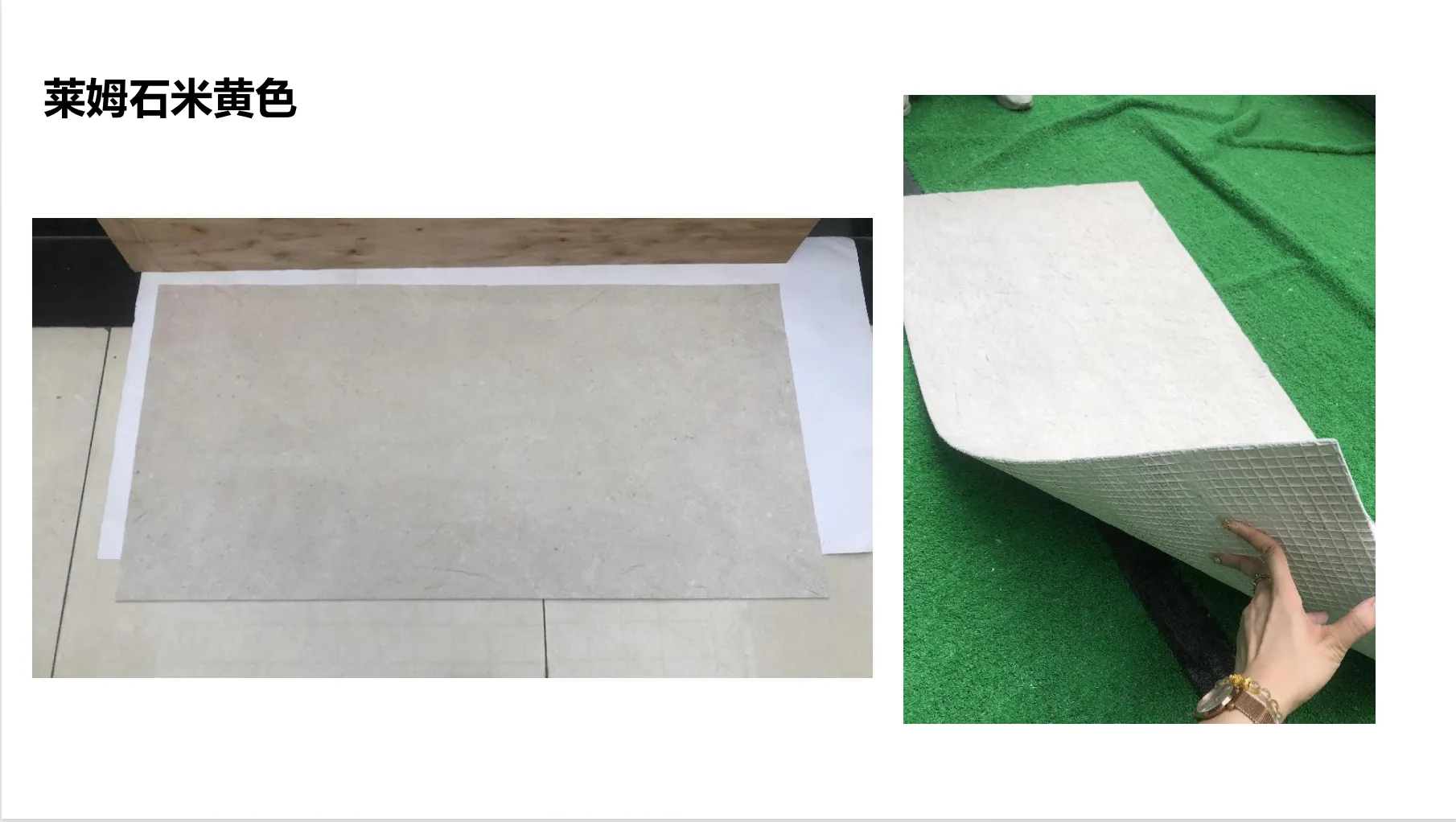
In the world of commercial hotel design, every surface tells a story. It's not just about walls and floors—it's about crafting spaces that linger in guests' memories, making them feel seen, comforted, and inspired. Among the materials that hold this transformative power, lime stone (beige) stands as a quiet yet compelling protagonist. Its soft, earthy hue and tactile texture create a foundation that feels both timeless and welcoming, while its versatility allows it to dance harmoniously with other materials. Today, we'll explore how lime stone (beige) can elevate hotel interiors, paired with complementary elements like travertine (starry green), MCM flexible stone, fair-faced concrete, and wood grain board. Together, these materials don't just fill a room—they create experiences.
A hotel isn't just a place to sleep—it's a destination within a destination. From the moment a guest steps through the door, the design whispers clues about what kind of stay to expect: Is it a cozy boutique retreat? A sleek urban escape? A serene coastal haven? Materials are the language of this whisper. They set the mood, guide the eye, and even influence how we feel physically—cool stone underfoot on a hot day, warm wood that invites touch, rough textures that ground us in nature.
Lime stone (beige) excels here because it's a chameleon of sorts. Its neutral palette doesn't shout, but it doesn't fade into the background either. Instead, it provides a canvas that lets other materials shine, whether that's a bold accent wall or a delicate light fixture. It's the kind of material that feels familiar, like walking into a friend's home, yet refined enough to signal luxury. And when paired with the right companions, it becomes something even more extraordinary.
Let's start with the star of the show: lime stone (beige). Picture a lobby where the floors are paved with large, honed lime stone tiles. The light hits them, and instead of glaring, it softens—diffused by the stone's subtle veining and matte finish. It's not cold like marble or too uniform like ceramic; it has character, with tiny variations in tone that make each tile feel unique, like a page from a well-loved book.
What makes lime stone (beige) special? Its porosity gives it a gentle, organic texture that feels alive. Run a hand over it, and you'll notice tiny indentations and natural pits—marks left by time and water, a reminder of its origins in ancient seas. This isn't a material that tries to be perfect; it's perfect in its imperfection. In a hotel, that warmth translates to guests feeling at ease, like they're in a space that's been designed for humans, not just aesthetics.
In guest rooms, lime stone (beige) finds its place in countertops, backsplashes, or even accent walls. Imagine a bathroom where the shower surround is clad in lime stone—warm water hitting the stone releases a subtle, earthy scent, turning a routine into a sensory experience. Or a vanity top that, under soft lighting, glows with a creamy, sunlit hue, making early mornings feel a little less rushed and a little more luxurious.
Great design is about balance, and lime stone (beige) plays well with others. Let's explore how it harmonizes with a few standout materials from the MCM collection, each adding its own personality to the mix.
If lime stone (beige) is the calm base, travertine (starry green) is the unexpected twist. This material carries the same organic texture as lime stone but swaps beige for a deep, moody green—think forest floors after rain, or moss clinging to ancient stone walls. In a hotel restaurant, imagine lime stone (beige) tabletops paired with travertine (starry green) backsplashes behind the bar. The green adds depth, drawing the eye and creating a focal point, while the beige keeps the space from feeling overwhelming. It's a combination that feels both grounded and adventurous, perfect for a dining area where guests want to linger.
High-traffic areas like hotel corridors or conference rooms need materials that can withstand wear and tear without sacrificing style. That's where MCM flexible stone shines. Made from natural stone aggregates bonded to a flexible backing, it's lightweight, easy to install, and resistant to scratches and moisture—ideal for spaces that see a lot of foot traffic. Pair it with lime stone (beige) in a lobby: Use MCM flexible stone for the lower half of the walls (where luggage and carts might brush against it) and lime stone (beige) for the upper half. The contrast in texture—smooth lime stone and slightly rougher MCM—adds visual interest, while both materials share earthy undertones that keep the space cohesive.
For hotels aiming for a contemporary, industrial-chic vibe, fair-faced concrete is a standout choice. Its raw, unfinished look—with visible aggregates and subtle color variations—adds an urban edge. But when paired with lime stone (beige), it softens. Imagine a hotel lounge with fair-faced concrete walls and lime stone (beige) flooring. The concrete brings a cool, modern energy, while the lime stone warms it up, preventing the space from feeling sterile. Add wooden furniture and soft lighting, and suddenly you have a spot where business travelers and leisure guests alike want to curl up with a drink.
Nothing says "welcome" like wood, and wood grain board adds that touch of warmth to lime stone (beige) spaces. Whether it's a feature wall in the lobby, headboards in guest rooms, or ceiling panels in a restaurant, wood grain board introduces natural patterns and a tactile softness that contrasts beautifully with lime stone's cool texture. In a boutique hotel, imagine a lobby with lime stone (beige) floors, wood grain board walls, and a fireplace—suddenly, the space feels like a mountain cabin elevated to luxury, where guests can't help but relax and unwind.
| Material | Aesthetic Vibe | Best For | Emotional Impact |
|---|---|---|---|
| Lime Stone (Beige) | Warm, earthy, organic with subtle veining | Lobbies, guest room bathrooms, countertops | Calming, grounded, welcoming |
| Travertine (Starry Green) | Deep, moody green with star-like pits | Restaurant backsplashes, accent walls | Adventurous, nature-inspired, dramatic |
| MCM Flexible Stone | Durable, textured, versatile | Corridors, high-traffic walls | Practical yet polished, reliable |
| Fair-Faced Concrete | Raw, industrial, modern | Lounges, urban hotel lobbies | Edgy yet approachable, contemporary |
| Wood Grain Board | Warm, crafted, natural patterns | Headboards, feature walls, ceilings | Cozy, nostalgic, inviting |
Every area of a hotel has a unique role, and materials should reflect that. Let's break down how lime stone (beige) and its companions can transform key spaces:
The lobby is the hotel's handshake, and lime stone (beige) sets the tone. Large-format lime stone tiles on the floor create a sense of grandeur without feeling imposing. Pair with fair-faced concrete walls for a modern twist, or wood grain board ceilings for warmth. Add a reception desk clad in travertine (starry green) to make the check-in process feel special—guests will remember that pop of color long after they've checked out.
Here, comfort is key. Lime stone (beige) countertops in the bathroom add luxury, while wood grain board headboards bring coziness. MCM flexible stone in the closet or as a feature wall adds durability, ensuring the room looks fresh for years. It's a mix that says, "We care about your comfort, and we care about the details."
Dining is about more than food—it's about atmosphere. Lime stone (beige) tabletops keep the focus on the meal and conversation, while travertine (starry green) accent walls add a touch of drama. Fair-faced concrete pillars can define seating areas, and wood grain board bar fronts invite guests to linger with a drink. Together, these materials create a space that feels both intimate and vibrant.
At the end of the day, hotel design is about storytelling. Lime stone (beige) isn't just a material—it's a narrator, whispering tales of earth and time. Paired with travertine (starry green), MCM flexible stone, fair-faced concrete, and wood grain board, it becomes part of a larger narrative: one of warmth, balance, and intentionality. These materials don't just fill spaces—they create moments. A guest pausing to run a hand over a lime stone countertop. A couple laughing under wood grain board ceilings. A traveler finding calm in the soft glow of a travertine (starry green) wall.
In a world where so much feels disposable, these materials remind us of the beauty in durability, the comfort in imperfection, and the power of design to make us feel truly at home. So the next time you step into a hotel, take a moment to notice the materials around you. Chances are, if they're chosen with care, they're not just decorating the space—they're making memories.
Recommend Products












