
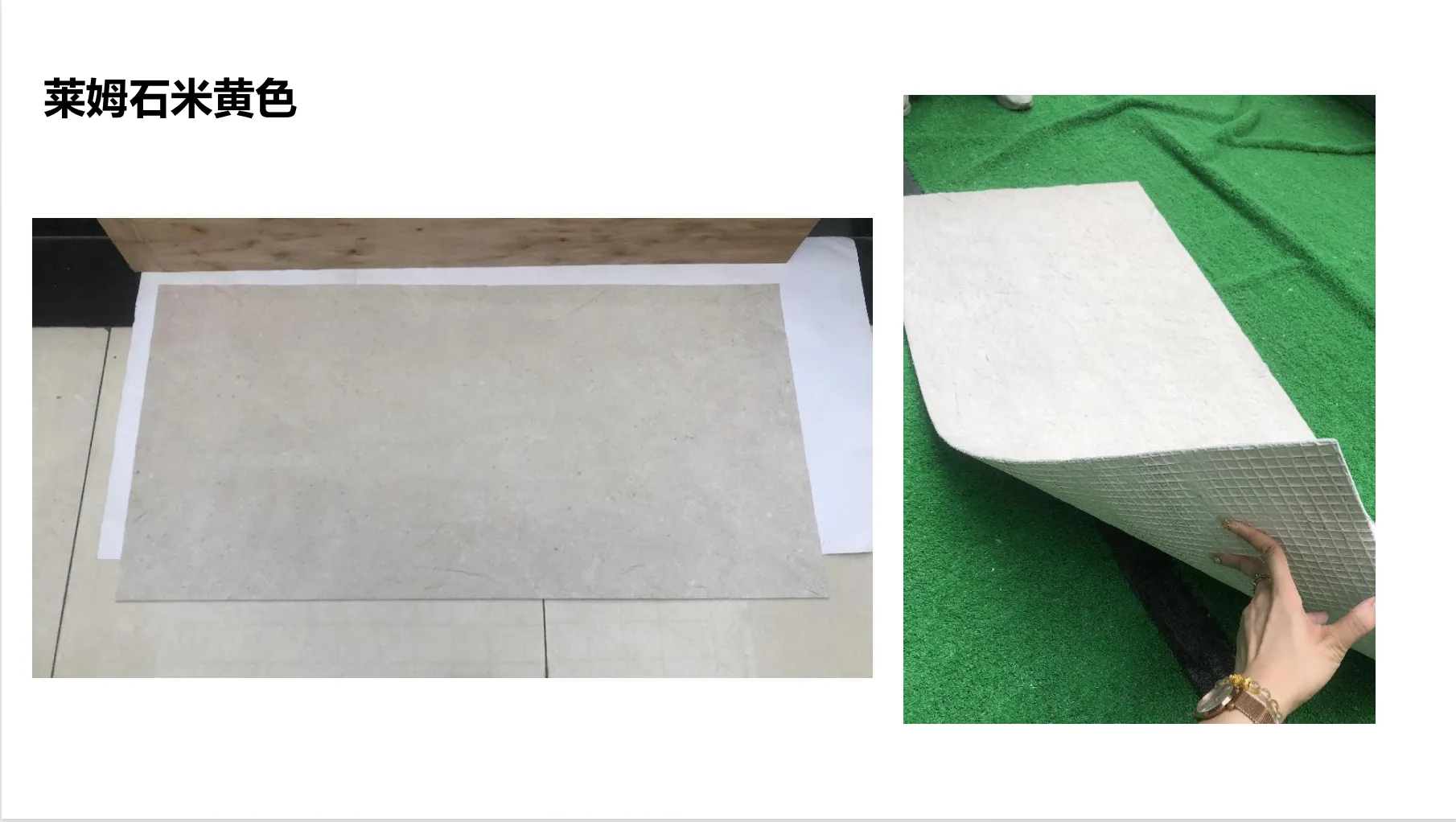
Drive down the highway outside of Tucson, Arizona, and you'll pass a building that looks like it's been there for centuries. Its walls, a warm, sun-kissed lime stone (beige) , glow softly even in the midday heat. But here's the twist: it was built just 15 years ago. No cracks, no fading, no signs of the desert's wrath—just stone that seems to get more character with time. That's the magic of lime stone, especially when the going gets tough. Today, we're diving into the stories behind real photos of lime stone (beige) and its siblings— mcm flexible stone , fair-faced concrete , and more—proving that in harsh climates, some materials don't just survive; they thrive.
Let's start with the basics. Lime stone (beige) isn't your average construction material. Formed over millions of years from the compressed remains of marine organisms, it's a sedimentary rock with a secret superpower: balance. It's porous enough to "breathe" (so moisture doesn't get trapped and cause cracks), yet dense enough to stand up to pounding rain and scouring sand. Its natural beige hue? That's from minerals like calcite and a touch of clay, which not only give it warmth but also act as a built-in UV filter—so it doesn't fade under the sun like some synthetic materials.
But what really sets it apart is how it ages. Walk through an old European village, and you'll notice lime stone buildings have a patina—a soft, weathered look that feels lived-in, not worn-out. That's because, unlike concrete or vinyl siding, lime stone (beige) reacts gently to its environment. In rainy climates, it might darken slightly as it absorbs moisture, then lighten again as it dries. In deserts, wind-blown sand polishes its surface, making those natural veining patterns pop. It's not just a wall; it's a conversation starter, telling the story of the climate it calls home.
To understand why lime stone (beige) lasts, let's get a little geeky (but don't worry, we'll keep it simple). Imagine a sponge and a brick. The sponge soaks up water, the brick repels it—right? Lime stone is like a smart sponge. Its tiny pores let water in, but they also let it out. So in a storm, rain seeps into the stone, but when the sun comes out, it evaporates without getting trapped. That's why you rarely see lime stone walls with blisters or peeling paint—no moisture buildup means no rot, no mold, no structural damage.
Then there's its chemical makeup. Lime stone is mostly calcium carbonate, which is surprisingly resistant to the things that eat away at other materials. Salt spray from the ocean? Calcium carbonate neutralizes salt crystals, preventing them from prying the stone apart. Acid rain? While strong acids can harm it, lime stone (beige) holds its own against the milder stuff, thanks to its alkaline nature. Even in industrial areas with high pollution, it develops a thin, protective layer called a "crust" that shields the underlying stone.
And let's not forget flexibility. While lime stone itself is rigid, pairing it with mcm flexible stone (a modern composite material designed to bend without breaking) creates a one-two punch. Think of it like a team: lime stone (beige) brings the durability, mcm flexible stone adds the give needed for buildings that might shift slightly in earthquakes or freeze-thaw cycles. It's why architects in earthquake-prone regions often mix the two—old-world strength meets new-world adaptability.
Numbers and science are great, but real photos? They tell the whole story. Let's tour four of the harshest climates on Earth and meet the lime stone (beige) projects that have stood the test of time.
Photo Story: Picture this: A luxury resort in the Gobi Desert, where summer temperatures hit 120°F and sandstorms rage for days. The exterior? A mix of lime stone (beige) and gobi panel (a rough-textured stone native to the region). Snap a photo today, and you'll see the lime stone walls still match the desert's golden hue—no bleaching, no pitting from sand abrasion. Close-up shots reveal tiny, smooth "dimples" where sand grains have gently polished the surface, giving it a soft, velvety texture. The resort's architect? He chose lime stone because "it doesn't fight the desert—it becomes part of it."
Photo Story: Maine's coast is beautiful, but it's brutal. Winter storms hurl saltwater spray, summer humidity clings like a blanket, and ice storms can coat walls in a layer of frozen brine. Yet the beach house we're looking at? Its lime stone (beige) facade has been there since 2008, and you'd never guess. The real photos show walls that are still a consistent beige—no streaky salt stains, no crumbling mortar. Why? Lime stone's porosity lets saltwater seep in, then rinses it out when the rain comes. The owner, a retired sailor, laughs: "I thought I'd be repainting every five years. Instead, I just hose it down once a season, and it looks brand new."
Photo Story: In the Canadian Rockies, temperatures swing from -30°F in winter to 80°F in summer—what builders call "freeze-thaw hell." Water gets into cracks, freezes, expands, and cracks the material wider… unless that material is lime stone (beige). The mountain lodge in our photos? Built in 1995, its exterior walls have survived 28 winters of ice and snow. The photos tell the tale: no spalling (flaking), no gaps, just stone that looks like it was carved from the mountain itself. Pair that with lunar peak silvery roof accents (a metal composite that complements the stone's warmth), and you've got a building that's as tough as the landscape around it.
Photo Story: Industrial areas are tough on buildings—acid rain from factory emissions, soot, and constant vibration from machinery. But in Berlin's old factory district, a converted warehouse now houses artists' studios, and its exterior? Lime stone (beige) mixed with fair-faced concrete (a raw, uncoated concrete that ages gracefully). The real photos, taken 10 years apart, show almost no difference. The lime stone has a slight grayish tinge in some spots—from soot—but a quick power wash brings back that original beige. "It's like the stone filters out the bad stuff," says the building manager. "We've tried other materials before, but nothing holds up like this."
Curious how these real-world stories translate to hard data? Check out this snapshot of lime stone (beige) performance across key harsh climate challenges, paired with its frequent collaborators like mcm flexible stone and epoch stone .
| Climate Challenge | What It Throws At Buildings | Lime Stone (Beige) Performance | Best Partner Material | Real Photo Proof |
|---|---|---|---|---|
| Desert (120°F+ Heat) | UV radiation, sand abrasion, thermal expansion | No fading, minimal surface wear, stable in heat | Gobi Panel | Gobi Desert Resort (15 years, no repainting) |
| Coastal (Salt Spray) | Salt crystallization, corrosion, humidity | No salt stains, no crumbling, moisture-resistant | Foamed Aluminium Alloy Board (Vintage Silver) | Maine Beach House (15 years, original color) |
| Freeze-Thaw (Subzero Winters) | Water expansion, ice damage, temperature swings | No cracking, retains structural integrity | Lunar Peak Silvery | Canadian Mountain Lodge (28 winters, no repairs) |
| Industrial (Pollution) | Acid rain, soot, chemical exposure | Self-cleaning (via rain), resists staining | Fair-Faced Concrete | Berlin Factory Warehouse (10 years, like new) |
At the end of the day, lime stone (beige) isn't just about durability. It's about creating spaces that last—buildings that our kids' kids will walk past and say, "Wow, that's stood the test of time." Real photos of these projects aren't just pretty pictures; they're proof that when you choose the right materials, you're not just building a structure—you're building a story.
And let's not forget its siblings in the mcm project board series —like travertine (starry green) for a pop of color, or bamboo mat board for a natural, woven texture. They all share that same core idea: materials that work with nature, not against it.
So, what do these real photos and stories really tell us? That lime stone (beige) isn't just a building material. It's a partner in resilience. Whether it's baking in the desert sun, getting pelted by coastal waves, or standing tall in a freezing mountain storm, it doesn't just survive—it adapts, ages gracefully, and becomes part of the landscape.
Next time you see a building clad in lime stone (beige), take a closer look. Those subtle veins, that warm hue, the way it catches the light—they're not just details. They're the marks of a material that's in it for the long haul. And in a world where so much feels temporary, that's a story worth celebrating.
Recommend Products












