Walk into any space—whether a cozy home, a bustling café, or a grand museum—and what hits you first isn't just the layout or the color scheme. It's the
feeling
. That intangible quality that makes a room feel warm or cool, intimate or expansive, timeless or cutting-edge. More often than not, that feeling is shaped by texture. Texture is architecture's silent storyteller: it speaks through touch, through how light plays across surfaces, through the subtle details that catch your eye and make you lean in closer. And when it comes to capturing that story in all its richness, few materials do it as eloquently as limestone. Specifically,
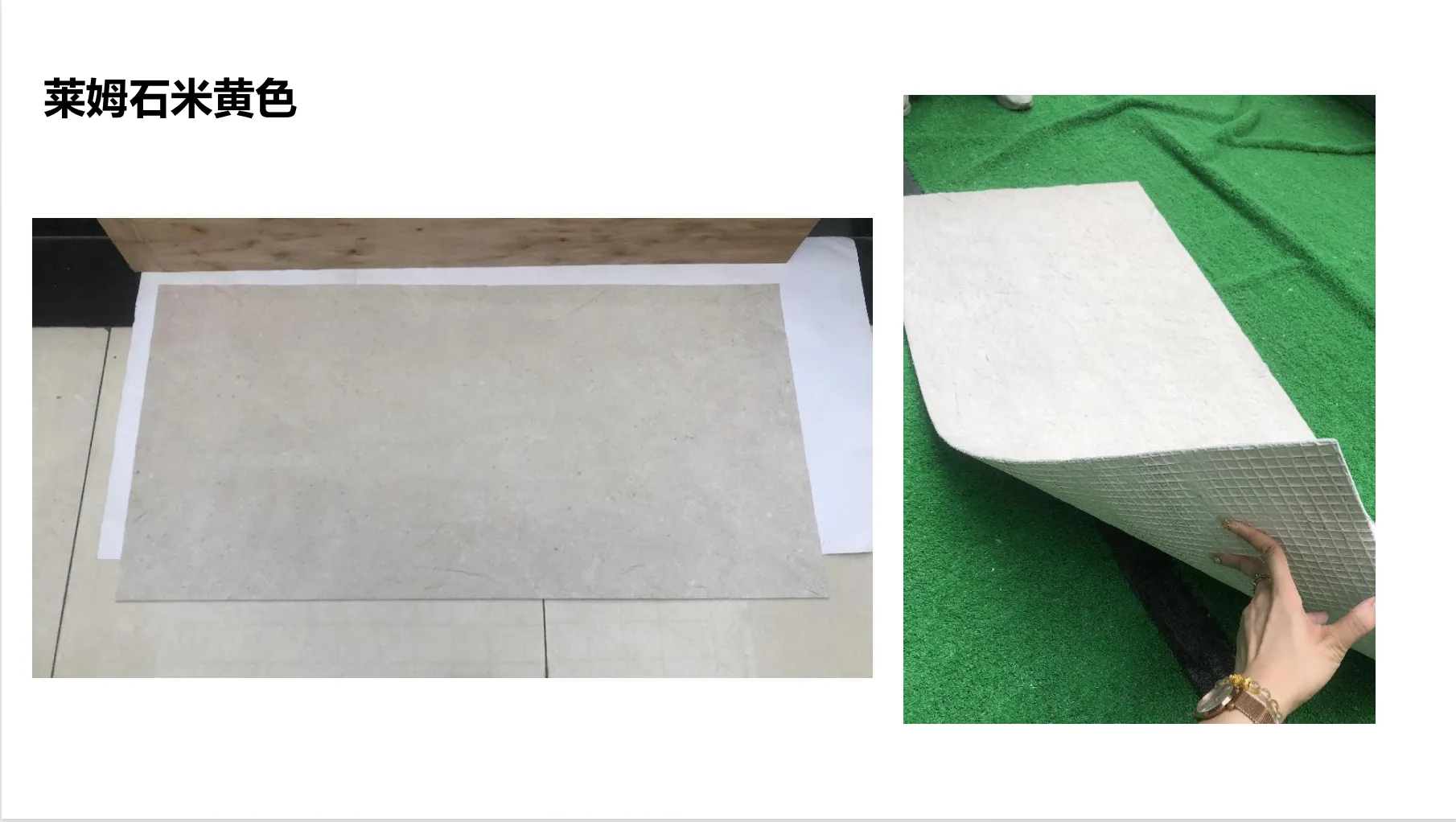
lime stone(beige)
—with its soft, sunlit hues and organic, layered textures—has become a cornerstone of design, bridging the gap between nature and built environments. But to truly grasp its impact, we need more than just descriptions. We need real photos: images that freeze the way morning light seeps into its tiny pits, the way shadows dance across its fossil-strewn surface, and the way it transforms a blank wall into a canvas of natural art. In this article, we'll explore how texture shapes architectural aesthetics, dive into the unique charm of beige limestone, and discover why real photos are the key to unlocking its full potential—alongside other textured materials like
travertine (beige)
,
wood grain board
, and
fair-faced concrete
.
1. Texture: The Invisible Language of Architecture
Texture is the unsung hero of design. It's not just about how a surface looks—it's about how it
feels
, both physically and emotionally. A smooth, polished marble countertop feels cool and luxurious; a rough-hewn stone wall feels grounded and earthy. A
wood grain board
panel, with its swirling patterns and subtle ridges, evokes warmth and nostalgia, while
fair-faced concrete
—raw, unadorned, and full of tiny air bubbles—whispers of industrial edge and minimalist restraint. Texture is what turns a flat, lifeless wall into a dynamic surface that changes with the light, the time of day, and even the viewer's position. It adds depth, character, and humanity to spaces, reminding us that architecture is as much about experience as it is about function.
Think about it: a white room with all smooth surfaces—painted walls, glossy floors, sleek furniture—can feel sterile, almost clinical. But add a textured element—a beige limestone fireplace with pitted surfaces, a
wood grain board accent wall, or a
fair-faced concrete ceiling with visible trowel marks—and suddenly the space breathes. It has a story. Texture creates contrast, guides the eye, and invites interaction. It's why architects and designers spend hours poring over samples, running their hands over materials, and studying real photos: to ensure that the textures they choose align with the mood they want to create.
2. Lime Stone (Beige): A Texture Born from Time
If texture is architecture's language, then
lime stone(beige)
is one of its most poetic dialects. Formed over millions of years from the compressed remains of marine organisms, algae, and sediment, limestone is a material with history written into every inch. Unlike man-made materials, which often feel uniform and predictable, limestone's texture is a product of nature's chaos: fossilized shells embedded like hidden treasures, tiny pits and fissures carved by water, and soft veining that meanders like rivers frozen in stone. And in its beige variant? It's a masterclass in understated elegance.
Beige limestone isn't just a color—it's a mood. Its warm, neutral tone ranges from soft ivory to deep sand, making it endlessly versatile. But it's the texture that truly sets it apart. Run your hand over a polished beige limestone slab, and you'll feel a surface that's smooth yet not perfectly uniform; there are subtle indentations, tiny bumps, and areas where the stone feels slightly porous. These imperfections aren't flaws—they're character. They catch light in unexpected ways: morning sunlight turns the beige into a golden glow, highlighting the pits like tiny mirrors, while afternoon shadows deepen the veining, adding drama. In real photos, this texture becomes even more vivid. A close-up shot of a beige limestone backsplash might reveal fossil fragments—tiny spiral shells or coral patterns—hidden in the stone, telling a story of ancient oceans. A wide-angle image of a limestone facade could show how the texture breaks up the building's mass, making it feel less imposing and more organic, as if it grew from the earth rather than being built upon it.
One of the reasons beige limestone is so beloved is its adaptability. It works in traditional settings—a country kitchen with limestone countertops, where the texture complements wooden cabinets and terracotta tiles—and in modern spaces, where its neutrality balances bold colors or sleek metals. In a minimalist living room, for example, beige limestone floors with a honed finish (slightly matte, with visible texture) add warmth without overwhelming the space. In a rustic bedroom, a limestone accent wall with a rough, split-face texture (think jagged edges and deep grooves) becomes a focal point, grounding the room with its earthy presence. Real photos of these applications are invaluable: they show how the texture interacts with furniture, lighting, and other materials, helping homeowners and designers visualize exactly how the stone will perform in their space.
3. Light and Shadow: The Dynamic Duo of Textured Surfaces
Texture doesn't exist in a vacuum—it's deeply influenced by light. And few materials showcase this relationship as beautifully as
lime stone(beige)
and its cousin,
travertine (beige)
. While both are sedimentary stones with earthy tones, their textures differ in subtle but significant ways: limestone tends to have finer, more uniform pitting, while
travertine is known for its larger, more pronounced holes (formed by carbon dioxide bubbles escaping during formation). Both, however, come alive under different lighting conditions, transforming from static surfaces into dynamic, ever-changing elements.
Take morning light: soft, golden, and low in the sky. When it hits a beige limestone wall, it bathes the stone in warmth, turning the beige into a honeyed glow. The tiny pits and fissures cast delicate, dappled shadows, creating a surface that looks almost velvety. In real photos, this effect is stunning—imagine a breakfast nook with a limestone backsplash, where the morning sun streams through a window, turning the stone into a canvas of light and shadow. The texture isn't just visible; it's
felt
, making the space feel cozy and inviting.
Afternoon light, brighter and more direct, plays a different game. It highlights the contrast between the limestone's peaks and valleys, making the texture more pronounced. Fossils and veining stand out, adding depth and complexity. A beige limestone facade, for example, might look smooth from a distance, but up close (and in a well-lit photo), you'll notice the intricate patterns created by the stone's natural formation. By evening, as the sun dips lower, the light softens again, casting longer shadows and making the limestone's beige tones appear richer, almost amber. It's a reminder that texture isn't static—it's a performance, and light is its co-star.
Compare this to
fair-faced concrete
, another textured material that thrives in varied light. Unlike limestone's organic, irregular texture,
fair-faced concrete has a more uniform, industrial feel—smooth but with visible trowel marks, air bubbles, and slight color variations. In harsh, direct light, it can feel cold and stark, but in soft, diffused light, those tiny imperfections become a source of warmth, adding subtle interest to minimalist spaces. When paired with beige limestone, the contrast is striking: the limestone's organic texture softens the concrete's rigidity, creating a balance between nature and industry. Real photos of this pairing—say, a living room with a
fair-faced concrete fireplace surround and a limestone hearth—show how the two materials complement each other, their textures dancing in harmony under the light.
4. Texture in Harmony: Pairing Limestone with Other Materials
Great design is about balance, and texture is no exception. Beige limestone rarely shines in isolation; instead, it's at its best when paired with other textured materials that enhance its strengths and its weaknesses. Let's take a closer look at how
lime stone(beige)
interacts with three popular counterparts:
travertine (beige)
,
wood grain board
, and
fair-faced concrete
. To visualize this, let's examine their unique textures, effects, and best uses in a simple comparison:
|
Material
|
Texture Type
|
Visual Effect
|
Tactile Quality
|
Best For
|
|
Lime Stone (Beige)
|
Organic, fine pitting; subtle veining; occasional fossils
|
Warm, timeless, and versatile—blends with both modern and traditional styles
|
Smooth to the touch with gentle, irregular bumps; slightly porous
|
Floors, kitchen backsplashes, bathroom walls, exterior facades
|
|
Travertine (Beige)
|
Organic, pronounced holes (often filled); bold, wavy veining
|
Rustic, dynamic, and textural—adds character to neutral spaces
|
Matte with deeper indentations; holes may feel slightly gritty if unfilled
|
Fireplace surrounds, accent walls, outdoor patios
|
|
Wood Grain Board
|
Linear, directional; swirling patterns; raised grain lines
|
Cozy, inviting, and natural—adds warmth to cool-toned spaces
|
Smooth with subtle ridges along grain; soft, to the touch
|
Accent walls, cabinetry, ceiling panels, furniture
|
|
Fair-Faced Concrete
|
Industrial, uniform; tiny air bubbles; visible trowel marks
|
Raw, minimalist, and edgy—creates contrast with organic textures
|
Cool, slightly rough; dense and solid
|
Ceilings, columns, exterior cladding, countertops
|
Limestone + Travertine (Beige):
These two stones share a color family but differ in texture, making them ideal for creating layered, monochromatic spaces. Imagine a bathroom with beige limestone floors (smooth, honed texture) and a
travertine shower wall (rough, split-face texture with unfilled holes). The limestone provides a calm, neutral base, while the
travertine adds visual interest and depth, turning the shower into a focal point. Real photos of this pairing often highlight how the light bounces off the limestone's smooth surface and gets trapped in the
travertine's holes, creating a play of light and shadow that feels both dynamic and serene.
Limestone + Wood Grain Board:
If you're after warmth, this combination is unbeatable. Beige limestone floors with a polished finish (subtle texture, high sheen) paired with a
wood grain board
accent wall in a medium oak tone creates a space that feels grounded yet airy. The limestone's cool, earthy beige balances the wood's warm, golden hues, while the wood's linear texture adds verticality, making the room feel taller. In a dining room, this pairing might include a limestone tabletop (smooth, durable) and
wood grain board chairs, blending functionality with comfort. Real photos often capture the tactile contrast: the cool stone underfoot and the warm wood against the back—sensory details that make the space feel lived-in and welcoming.
Limestone + Fair-Faced Concrete:
For a modern, industrial-chic vibe, look no further. Beige limestone's organic texture softens the harshness of
fair-faced concrete
, creating a space that feels edgy yet inviting. Picture a loft apartment with
fair-faced concrete walls (raw, gray, with visible seams) and beige limestone floors (warm, textured, with fossils). The concrete adds an urban edge, while the limestone grounds the space in nature, preventing it from feeling too cold. Real photos of such spaces often focus on the contrast in colors and textures: the cool gray of the concrete against the warm beige of the stone, the smoothness of the concrete next to the limestone's subtle pits. It's a pairing that says "forward-thinking" without sacrificing comfort.
5. Why Real Photos Matter: Seeing Texture for What It Is
In the age of digital design, where renderings and simulations are everywhere, you might wonder: why bother with real photos? The answer is simple: texture is too nuanced, too alive, to be captured in a computer-generated image. A rendering can approximate the color of beige limestone, but it can't replicate the way light catches a tiny fossil, or the way a honed finish feels slightly different from a polished one, or the way the stone's texture changes when it's wet versus dry. Real photos, on the other hand, are unfiltered snapshots of reality. They show the stone in its natural state—flaws, beauty, and all—and that's exactly what designers, architects, and homeowners need to make informed decisions.
Take, for example, a homeowner trying to choose between beige limestone and
travertine for their kitchen backsplash. A rendering might show both as "beige stone," but a real photo of limestone will reveal its finer, more uniform texture, while a real photo of
travertine will highlight its larger holes and bolder veining. These details matter: the homeowner might prefer the subtlety of limestone for a small kitchen, where too much texture could feel cluttered, or the drama of
travertine for a large, open space that needs personality. Real photos also capture context: how the stone looks under different lighting (warm incandescent vs. cool LED), how it pairs with cabinet colors, and how it wears over time (yes, some real photos even show patina!). For commercial projects, like a hotel lobby or restaurant, high-res real photos of limestone facades or floors help clients visualize the scale—how the texture reads from 10 feet away versus up close—and ensure the material aligns with the brand's aesthetic.
Fortunately, many stone suppliers and design platforms now offer extensive galleries of real photos, showcasing their materials in real-world settings. These photos aren't just pretty—they're tools. They allow you to zoom in, study the texture, and imagine how it will feel in your space. They're a bridge between the abstract (a material sample) and the concrete (your dream home or project). And when it comes to
lime stone(beige)
, these photos are nothing short of inspiring. They show the stone in kitchens, bathrooms, living rooms, and exteriors; in traditional, modern, and eclectic styles; and in every light from dawn to dusk. They remind us that texture isn't just a design element—it's a sensory experience, and one that deserves to be seen, felt, and celebrated.
6. Case Study: Texture in Action—A Modern Home's Limestone Story
To bring all this to life, let's step into a real-world example: a modern home in Austin, Texas, designed by local firm Studio Texture. The homeowners wanted a space that felt connected to nature but still sleek and contemporary, and
lime stone(beige)
became the star of the show. Let's walk through the key areas and see how texture shaped their vision—with a little help from real photos, of course.
The Foyer:
The entryway sets the tone, and here, the designers chose a large-format beige limestone slab (24x48 inches) with a honed finish for the floor. Real photos of this space show the stone's subtle texture: tiny pits and fossil fragments that catch the light from the overhead pendant lamp, creating a warm, welcoming glow. The walls are painted a soft white, keeping the focus on the limestone's natural beauty, while a
wood grain board
bench (in a light walnut) adds a tactile contrast, its linear texture balancing the limestone's organic pattern.
The Kitchen:
The kitchen is the heart of the home, and here, the limestone takes center stage as a backsplash. The designers opted for a split-face beige limestone (rough, jagged edges) in a stacked pattern, creating a dynamic, three-dimensional texture. Real photos highlight how the rough surface catches the light from the under-cabinet LEDs, turning the backsplash into a focal point. The countertops are a polished beige limestone, smooth and cool to the touch, with subtle veining that echoes the backsplash's texture. Below, the cabinets are clad in
wood grain board
(maple, with a matte finish), adding warmth and grounding the space.
The Outdoor Patio:
Extending the indoors out, the patio features large beige limestone pavers with a tumbled finish (slightly rough, rounded edges), designed to withstand the Texas heat and rain. Real photos of the patio in the afternoon show the stone's texture in action: the rough surface provides grip underfoot, while the beige color reflects the sun, keeping the space cool. Nearby, a fire pit is clad in
travertine (beige)
with unfilled holes, its bold texture adding a rustic contrast to the limestone's finer pitting. Together, they create an outdoor oasis that feels both natural and intentional.
The Master Bathroom:
Here, the designers went all-in on texture. The shower walls are covered in honed beige limestone, its smooth surface (with subtle texture) feeling luxurious underfoot. The vanity top is the same limestone, paired with a
fair-faced concrete
backsplash—raw, gray, and full of tiny air bubbles. Real photos of this space show the contrast beautifully: the warm beige of the limestone softening the concrete's industrial edge, while the concrete adds a modern twist to the limestone's timelessness. The result? A bathroom that feels spa-like and serene, with texture guiding the eye and calming the mind.
7. Conclusion: Texture—The Soul of Architecture
At the end of the day, architecture is about more than walls and roofs. It's about creating spaces that make us feel something—connected, inspired, at home. And texture is the key to unlocking that emotion.
Lime stone(beige)
, with its organic, time-worn texture, is a master at this. It's a material that tells a story of millions of years of natural history, of oceans and sediments and time itself. When paired with
travertine (beige)
,
wood grain board
, or
fair-faced concrete
, it becomes even more powerful, creating harmonies and contrasts that make spaces feel alive. And real photos? They're the window into that world. They let us see the texture, feel the light, and imagine the possibilities. So the next time you're designing a space, don't just think about color or shape. Think about texture. Think about limestone. And most importantly, look at the real photos—because in those images, you'll find the soul of architecture.