
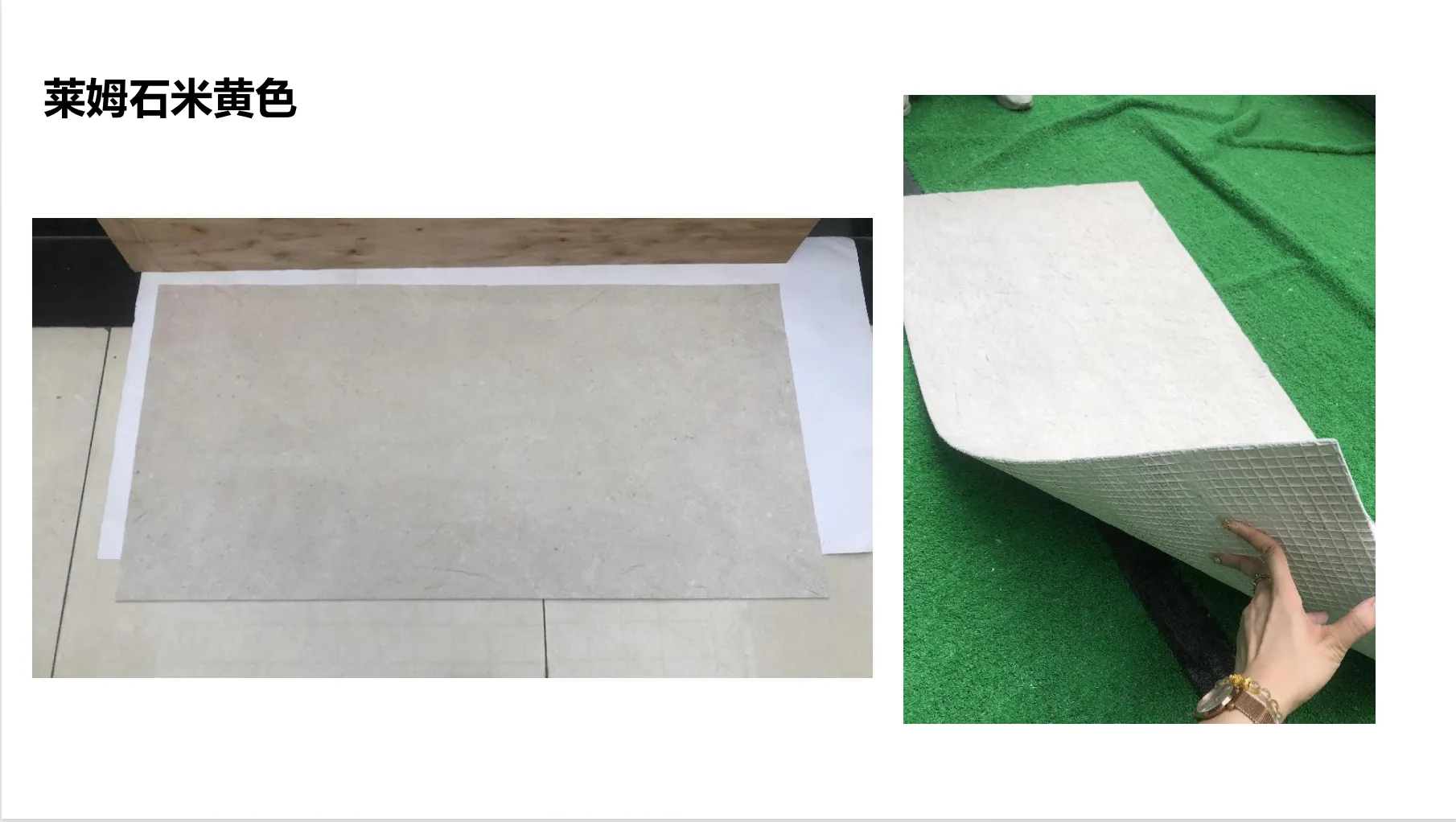
In the world of architecture and design, building materials are more than just components—they're storytellers. They carry the weight of geology, the artistry of craftsmanship, and the potential to transform spaces into something deeply human. Yet, too often, these materials are reduced to flat, lifeless stock images that fail to capture their true essence. That's where real photos come in: unfiltered, authentic, and brimming with detail, they bridge the gap between a catalog description and the tactile, sensory experience of standing before a wall of lime stone (beige) or running a hand over the textured surface of wood grain board. Today, we're diving into why real photos matter, focusing on lime stone (beige) as our guide, and exploring how they bring to life the unique character of materials like fair-faced concrete, travertine (starry blue), and more.
If there's one material that feels like a hug from the earth, it's lime stone (beige). Quarried from regions where time has layered sediment into soft, sunlit tones, this stone isn't just a surface—it's a narrative. Its beauty lies in its imperfection: tiny fossilized imprints from ancient sea creatures, subtle variations in hue that shift from creamy ivory to warm sand, and a texture that's rough enough to feel substantial yet smooth enough to invite touch. But how do you capture that in a photo?
Real photos of lime stone (beige) don't just show color—they show depth . A well-taken shot might frame the stone in natural morning light, where the sun hits its surface at a low angle, casting soft shadows that accentuate every ridge and groove. You can almost imagine the stone absorbing the light, radiating a quiet warmth that would turn a cold, sterile room into a cozy retreat. Another photo might zoom in on a corner where two slabs meet, highlighting the way the beige tones blend and contrast, a reminder that this isn't a mass-produced tile but a piece of the planet's history.
Consider a real photo of lime stone (beige) used in a kitchen backsplash: the stone sits behind a wooden countertop, a few droplets of water from a morning coffee splashed on its surface. The photo isn't just about the stone—it's about life . It makes you think of early mornings, the smell of fresh bread, the sound of a spoon clinking in a mug. That's the power of authenticity: it turns a material into a memory before it's even installed.
Lime stone (beige) is just the beginning. The building material world is a tapestry of textures, colors, and stories, each begging to be told through real, unpolished images. Let's explore four more materials where real photos don't just showcase quality—they elevate it.
Fair-faced concrete is the quiet rebel of building materials. It rejects the need for paint or polish, standing proud in its raw, industrial glory. But a generic stock photo might make it look cold, gray, and lifeless. A real photo? It captures the material's soul. Imagine a shot of a fair-faced concrete wall in a minimalist café: the light streams through floor-to-ceiling windows, hitting the concrete at an angle that reveals its subtle texture—tiny air bubbles frozen in time, faint marks from the formwork that shaped it, a softness in the gray that feels more organic than machine-made. You can almost feel the coolness of the surface on a hot day, the way it absorbs sound to create a calm, hushed atmosphere. Real photos of fair-faced concrete don't just show a wall—they show a canvas for life.
Wood grain board is for those who crave the warmth of wood without the upkeep. It mimics the look of real timber, with swirling grains, knots, and color variations that feel utterly natural. But a bad photo might make it look plastic, flat, and fake. A real photo? It zooms in on the grain, showing the way the light catches a particularly deep swirl, or frames the board in a living room, where it's paired with a leather couch and a potted plant. The photo highlights the subtle sheen of the finish—not too glossy, just enough to protect the material while letting its organic pattern shine. You can almost smell the faint scent of wood polish, or imagine running your hand over it and feeling the slight rise and fall of the printed grain. Real photos of wood grain board don't just sell a product—they sell the feeling of bringing nature indoors.
Travertine comes in many shades, but none are as mesmerizing as starry blue. This stone is like holding a piece of the night sky in your hands: deep, moody blue tones interspersed with tiny, iridescent flecks that catch the light like distant stars. But capturing that magic in a photo? It takes skill. A real photo of travertine (starry blue) might be taken at dusk, with a single spotlight illuminating a section of wall. The blue deepens in the shadows, while the starry flecks glow softly, creating a sense of depth that makes the stone feel three-dimensional. Another shot might show it used as a backsplash in a home bar, where the stone reflects the warm glow of pendant lights, turning a simple space into something intimate and dramatic. Real photos don't just show the color—they show the drama of starry blue, the way it can transform a room from ordinary to extraordinary.
Bamboo mat board is a love letter to traditional craftsmanship. Made by weaving thin bamboo strips into a mat-like pattern, it's lightweight, durable, and brimming with texture. But a flat, overhead photo might make it look like little more than a grid. A real photo? It gets up close, showing the way the bamboo strips overlap, some slightly thicker than others, creating a rhythm that feels handwoven. It might capture the board in a sunlit entryway, where the shadows of the weave dance on the floor as the sun moves across the sky. You can almost hear the rustle of bamboo leaves in the wind, or imagine the hands of the artisan who carefully wove each strand. Real photos of bamboo mat board don't just showcase a material—they honor the people who make it.
| Material | Key Characteristic | What Real Photos Capture Best |
|---|---|---|
| Lime Stone (Beige) | Warm, earthy tones with subtle fossil imprints | Soft light interplay, texture variations, and lived-in warmth |
| Fair-Faced Concrete | Raw, industrial texture with air bubbles and formwork marks | Shadow play, organic imperfections, and moody gray depth |
| Wood Grain Board | Natural wood-like patterns with a protective finish | Grain detail, sheen balance, and cozy, nature-inspired (atmosphere) |
| Travertine (Starry Blue) | Deep blue base with iridescent "star" flecks | Light reflection on stars, color depth in shadows, and dramatic ambiance |
| Bamboo Mat Board | Handwoven bamboo strips with rhythmic texture | Weave overlap, shadow patterns, and artisanal craftsmanship |
Taking real photos of building materials isn't just about pointing a camera and clicking. It's about understanding the material's personality and finding the right light, angle, and context to bring it to life. Here's how the best photographers do it:
At the end of the day, real photos are about trust. When a designer, homeowner, or architect sees a photo that looks like it could have been taken in their own backyard, they don't just see a material—they see possibility. They trust that what they're looking at is what they'll get, and that trust turns into confidence, which turns into connection.
Recommend Products












