
How to Keep Your Stone Surfaces Radiant for Years to Come
Stone has been a cornerstone of design for centuries, bringing warmth, texture, and timeless elegance to homes, offices, and public spaces. From the soft beige of limestone to the metallic sheen of foamed aluminium alloy, each material tells a unique story—but that story only lasts if we care for it properly. Whether you're a homeowner, designer, or contractor, understanding the maintenance needs of different stones isn't just about preservation; it's about protecting the character and beauty that drew you to them in the first place. Let's dive into some of the most popular stone varieties, their quirks, and how to keep them looking their best.
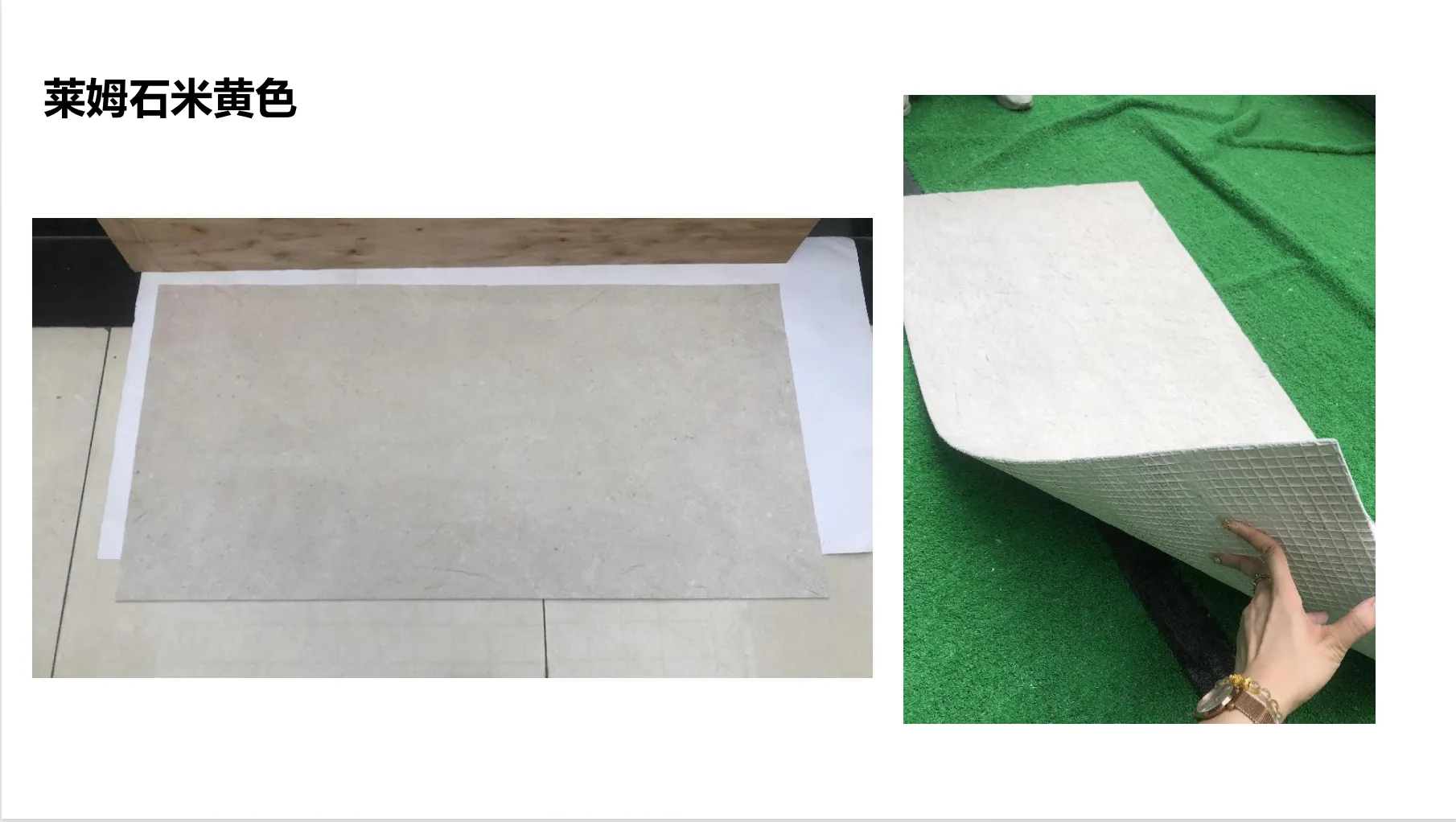
Lime Stone (beige) is a classic for a reason. Its soft, warm beige tones with subtle veining evoke a sense of calm and versatility, making it a staple in kitchens, bathrooms, flooring, and even outdoor patios. Picture a sunlit kitchen with beige limestone countertops—they complement wood cabinets, white appliances, and just about any color scheme, acting as a neutral canvas that lets other design elements shine.
But here's the thing about limestone: it's porous. That means liquids, oils, and even acidic substances (like lemon juice or vinegar) can seep into its surface, leaving stains or etch marks if not addressed quickly. I've seen beautiful limestone floors dulled by years of foot traffic and neglected spills, which is a shame because with the right care, they can last decades.
If lime stone is the reliable friend, Travertine (Starry Green) is the creative artist in the room. This stone stands out with its unique "starry" pattern—tiny, shimmering flecks that catch the light, set against a deep green backdrop. It's less about blending in and more about making a statement: think feature walls in living rooms, accent pieces in hotels, or even fireplace surrounds that become the focal point of a space.
Like limestone, travertine is also porous, but its starry texture adds an extra layer of delicacy. Those shimmering flecks? They're often calcium deposits, which can be more prone to wear if not protected. I once worked on a project where a client installed starry green travertine in their shower without sealing it—within months, soap scum and water spots had dulled its sparkle. It was fixable, but it took hours of gentle cleaning and resealing to bring back its glow.
Rammed Earth Board (Gradient) is a love letter to nature. Made by compressing layers of earth, clay, and natural pigments, it features stunning gradient colors—think soft terracottas blending into warm browns or muted greens fading to gold. It's tactile, with a slightly rough texture that invites touch, and it's eco-friendly, too—perfect for sustainable homes or spaces aiming for a "back-to-nature" vibe.
Unlike limestone or travertine, rammed earth is denser and less porous, thanks to its compressed composition. But that doesn't mean it's maintenance-free. Its earthy pigments can fade if exposed to excessive sunlight, and while it resists moisture better than some stones, standing water can still cause discoloration over time.
For a sleek, contemporary look, Foamed Aluminium Alloy Board (Vintage Silver) delivers. Lightweight yet durable, it has a brushed, metallic finish with a subtle "vintage" sheen—think industrial chic meets modern elegance. It's a favorite for accent walls, backsplashes, and even furniture, adding a cool, sophisticated edge to any space without feeling cold.
The best part? Aluminium alloy is naturally resistant to corrosion and rust, making it a low-maintenance option compared to porous stones. But its metallic surface is prone to scratches and fingerprints, which can dull its shine if not cared for. I've seen vintage silver panels lose their luster after being cleaned with abrasive sponges—those tiny scratches catch light and make the surface look cloudy.
Wood Grain Board is for those who love the look of wood but need something more durable. It mimics the natural grain, knots, and warmth of wood—think oak, walnut, or pine—but is made from compressed stone or composite materials, making it resistant to warping, rot, and pests. It's ideal for flooring, wall panels, and even outdoor decks, bringing the coziness of wood without the high maintenance.
While it's tough, Wood Grain Board isn't invincible. Its surface can fade in direct sunlight, and standing water can seep into seams if not sealed properly. I recently helped a client refinish their wood grain board deck after years of rain and UV exposure—the color had faded, but with a fresh coat of sealant, it looked brand new.
| Stone Type | Key Characteristics | Maintenance Priority | Best For |
|---|---|---|---|
| Lime Stone (Beige) | Porous, warm beige, subtle veining | Seal every 1–2 years; blot spills | Kitchens, bathrooms, flooring |
| Travertine (Starry Green) | Porous, green with starry flecks, decorative | Gentle cleaning; avoid abrasives | Feature walls, accent pieces |
| Rammed Earth Board (Gradient) | Dense, earthy gradients, textured | Limit UV exposure; mild soap cleaning | Sustainable homes, accent walls |
| Foamed Aluminium (Vintage Silver) | Non-porous, metallic, lightweight | Avoid scratches; microfiber cleaning | Modern accent walls, backsplashes |
| Wood Grain Board | Wood-like texture, durable, composite | Seal seams; UV protection | Flooring, outdoor decks, wall panels |
At the end of the day, every stone material—whether the classic Lime Stone (beige), the artistic Travertine (Starry Green), or the modern Foamed Aluminium Alloy Board—thrives when given the right care. It's not just about cleaning; it's about understanding what makes each stone unique and adapting your routine to protect those qualities.
Think of it like caring for a plant: you wouldn't water a cactus as much as a fern, and you wouldn't expose a shade-loving plant to direct sunlight. The same logic applies to stone. With a little knowledge and effort, your stone surfaces will continue to tell their stories—adding beauty, character, and value to your space for years to come.
So, whether you're admiring the warm glow of beige limestone in your kitchen or the starry sparkle of green travertine on your living room wall, remember: a little maintenance goes a long way in keeping that beauty alive.
Recommend Products












