
Walk into any well-designed space—whether it's a cozy café, a grand hotel lobby, or a modern home—and chances are, stone plays a starring role. There's something about natural stone that adds warmth, texture, and a sense of timelessness that synthetic materials just can't replicate. But not all stones are created equal. Today, we're zooming in on one of the most beloved and versatile options out there: limestone. More specifically, we'll explore how its porosity and weather resistance shape its use in design, and why real photos are your secret weapon in choosing the perfect stone. Along the way, we'll also touch on other intriguing materials like travertine (starry green) , lunar peak silvery , and fair-faced concrete to see how they stack up.
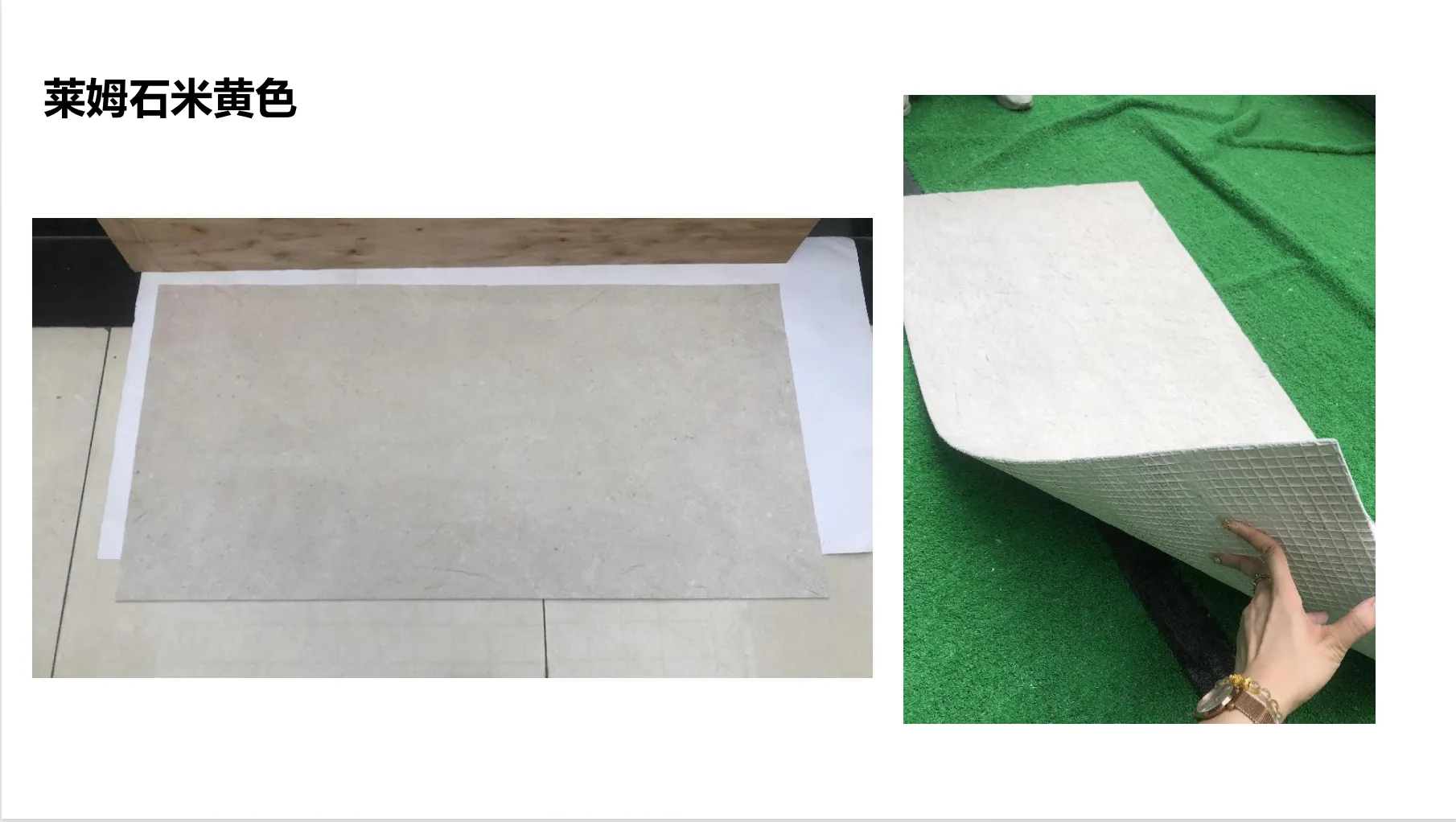
Let's start with the basics. Limestone is a sedimentary rock formed over millions of years from the remains of marine organisms like coral and shellfish. Think of it as Earth's own art project—layer upon layer of organic matter compressed into something solid, unique, and full of character. The most common type you'll encounter is lime stone(beige) , with its soft, warm hues ranging from creamy off-white to deep sandstone. But limestone isn't a one-trick pony; it comes in variations, each with its own personality. Some have visible fossils (hello, prehistoric charm!), others have subtle veining, and some are so smooth they almost look polished.
What makes limestone so popular? It's not just its beauty. It's also surprisingly adaptable. It can be cut into slabs for floors, carved into intricate details for fireplaces, or used as cladding for exterior walls. But here's the catch: its properties—specifically porosity and weather resistance—dictate where and how it should be used. And that's where things get interesting.
Porosity sounds like a fancy science term, but it's actually pretty simple: it refers to how many tiny holes (or pores) a material has. These pores are like little tunnels that let water, air, and even chemicals pass through. Think of a sponge—squeeze it, and water comes out because it's porous. Stone works the same way, but on a much smaller scale.
Limestone is generally considered a highly porous stone. Those tiny pores are a result of how it forms; as the marine sediments compact, some water and air get trapped, leaving behind small voids. For example, if you've ever seen a piece of travertine (starry green) —a close cousin of limestone—you might have noticed its more visible, almost honeycomb-like pores. Travertine forms in hot springs, where minerals deposit quickly, creating larger pores that give it that distinct, textured look. Limestone's pores are usually smaller, but they're still there, and they matter a lot.
Why does porosity matter? Well, imagine installing a limestone countertop in a busy kitchen. Spills happen—coffee, wine, tomato sauce. If the stone is porous, those liquids can seep into the pores, staining the surface. Outdoors, rainwater can soak into porous stone, and if temperatures drop below freezing, that water expands, potentially cracking the stone over time. But porosity isn't all bad! In fact, it's part of what makes limestone so charming. Those pores give it a natural, lived-in texture, and they allow the stone to "breathe," which can help regulate moisture in a room. It's all about balance.
Now, let's talk about weather resistance—the stone's ability to stand up to rain, snow, sun, and everything in between. Since limestone is porous, its weather resistance is directly tied to that porosity. In mild, dry climates, limestone can thrive outdoors for decades. But in areas with heavy rain, freeze-thaw cycles, or high humidity, it might need a little extra care.
Take, for example, a home in a coastal region. The salt air can be tough on porous stones; over time, salt crystals can form in the pores, causing the stone to flake or "spall." Similarly, in a place with harsh winters, water absorbed into the stone can freeze, expand, and crack the surface. That doesn't mean you can't use limestone outdoors in these areas—you just need to seal it properly. Sealants act like a protective barrier, filling in the pores and keeping moisture out. Think of it as putting sunscreen on your stone; it won't make it invincible, but it'll help it age gracefully.
Compare this to something like lunar peak silvery , a material from MCM's lineup that's known for its sleek, metallic finish. Unlike limestone, lunar peak silvery is denser and less porous, which gives it excellent weather resistance . It's a popular choice for exterior cladding in areas with extreme weather because it can handle rain, wind, and UV rays without breaking a sweat. So, while limestone might need a little TLC outdoors, lunar peak silvery is like the tough, low-maintenance friend who's always up for an adventure.
Here's a truth bomb: not all limestone looks the same. Two slabs from the same quarry can have different colors, patterns, and levels of porosity. That's why relying on generic descriptions or even small samples just isn't enough. Enter real photos —high-quality images that capture the stone's actual texture, color variations, and pore structure. They're like a backstage pass to the stone's personality.
For example, a real photo of travertine (starry green) will show you the vibrant green base with tiny, glittering "starry" flecks that give it its name. You can see how the pores are distributed—are they small and scattered, or larger and more pronounced? That information helps you decide if it's right for a high-traffic area (like a kitchen floor) or better suited for a low-maintenance accent wall. Similarly, a real photo of lime stone(beige) might reveal subtle fossil imprints or mineral veins that add depth and interest—details you'd miss in a catalog swatch.
Real photos also help with weather resistance planning. A close-up shot of a weathered limestone wall can show you how the stone ages—does it fade uniformly, or does it develop a patina that adds character? Photos of fair-faced concrete , on the other hand, can highlight its smooth, consistent surface and lack of visible pores, reassuring you that it's a durable choice for wet areas like bathrooms or outdoor patios.
To really understand limestone, it helps to see how it compares to other materials. Let's break it down with a quick comparison:
| Material | Porosity Level | Weather Resistance | Aesthetic Vibe | Best For |
|---|---|---|---|---|
| Lime Stone(Beige) | High | Moderate (needs sealing outdoors) | Earthy, warm, timeless | Indoor floors, fireplaces, accent walls |
| Travertine (Starry Green) | High to Medium | Moderate (porous but unique texture) | Cosmic, vibrant, eye-catching | Statement walls, backsplashes, decorative elements |
| Lunar Peak Silvery | Low | Excellent (dense and durable) | Sleek, modern, metallic | Exterior cladding, high-traffic commercial spaces |
| Fair-Faced Concrete | Low (controlled porosity) | Excellent (man-made, consistent density) | Industrial, raw, minimalist | Modern interiors, outdoor patios, countertops |
As you can see, limestone's porosity gives it character but requires some consideration, while materials like lunar peak silvery and fair-faced concrete prioritize durability and modern aesthetics. There's no "best" material—only the best material for your specific project.
Let's talk about where limestone shines (and where it might need a little help). Indoors, it's a rockstar. Imagine a sunlit kitchen with lime stone(beige) countertops—warm, inviting, and just the right amount of texture to hide minor scratches. Or a bathroom with limestone tiles on the floor; their porosity actually helps with traction (no more slippery surfaces!), though you'll want to seal them to prevent water stains.
Outdoors, limestone can work too, but it's all about location. In dry, sunny climates like Arizona, a limestone patio might age beautifully, developing a gentle patina over time. But in a rainy city like Seattle, you'd need to seal it annually and avoid using it in areas that stay wet (like around a pool). For those wetter climates, fair-faced concrete might be a smarter bet—it's non-porous, easy to clean, and gives off that cool, industrial vibe that's so popular right now.
Then there's travertine (starry green) , which is perfect for adding a pop of color to indoor spaces. Picture a living room with a travertine (starry green) accent wall—the starry flecks catching the light, creating a focal point that's equal parts elegant and whimsical. Since it's more porous, it's best kept away from heavy moisture, but in a dry area? It's pure magic.
At the end of the day, choosing a stone is about balancing beauty with practicality. Limestone, with its warm tones and natural texture, is a fantastic choice for many projects—but its porosity means you need to think about where it will live and how much maintenance you're willing to do. Real photos are your best tool here, helping you spot the nuances that make each slab unique and ensuring you're not met with surprises after installation.
And don't forget to explore other options! Travertine (starry green) adds a touch of whimsy, lunar peak silvery brings modern durability, and fair-faced concrete offers industrial chic. Each material has its own story, and the right one for you depends on your project's needs, style, and environment.
So, the next time you're perusing stone options, take a good look at those real photos. Zoom in on the texture, note the color variations, and ask yourself: Does this stone breathe? Can it handle the weather? And most importantly—does it make my heart skip a beat? Because when beauty and practicality align, that's when truly unforgettable spaces are born.
Recommend Products












