
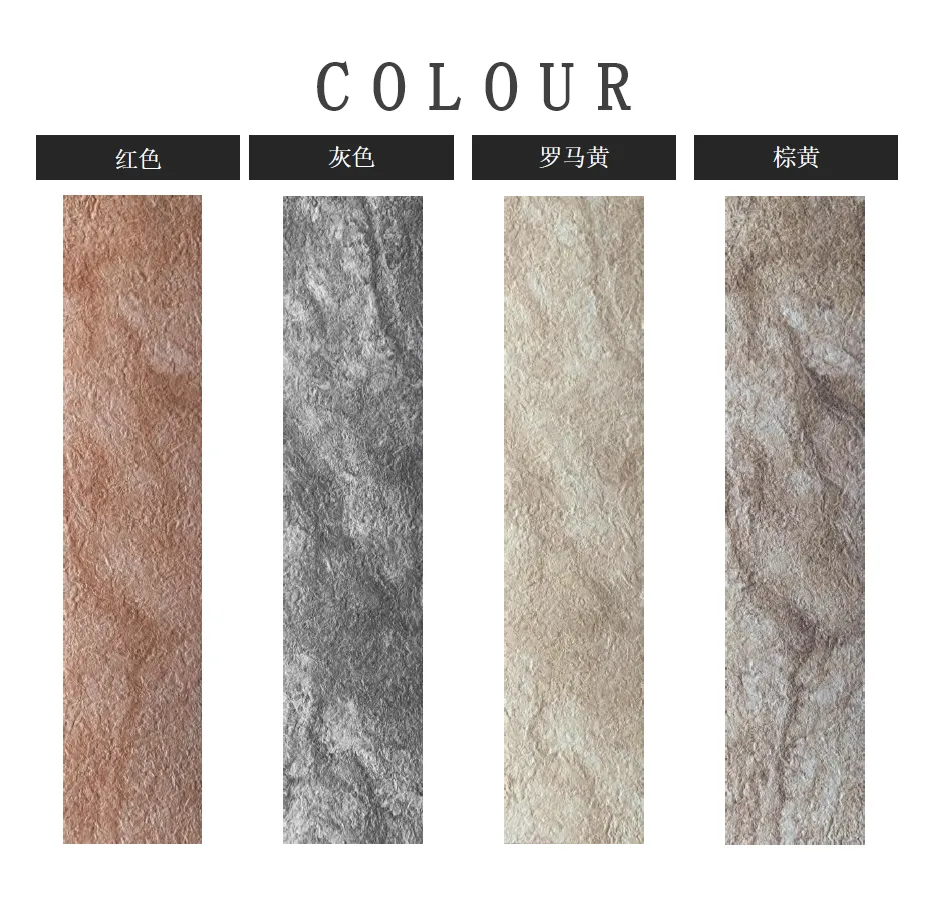
Last spring, I visited the Old Town Library in Denver, a building that's become a local landmark not just for its books, but for its exterior walls. Built in 2013, the library's facade is clad in Rock Cut Dolomitic Stone—rough-hewn, with a warm claybank hue that catches the morning light. As I ran my hand over its surface, I was struck by something unexpected: there were no cracks, no fading, not even a hint of weathering. Ten years of Colorado's harsh winters, scorching summers, and occasional hailstorms had left barely a mark. It was a quiet reminder that when it comes to building materials, durability isn't just about longevity—it's about preserving stories, character, and the beauty of design over time.
Before diving into the case studies, let's unpack what makes Rock Cut Dolomitic Stone unique. Unlike polished marble or smooth granite, this material is quarried and "cut" to retain the natural texture of the stone—think rough edges, subtle variations in color, and a tactile quality that feels almost organic. But its real strength lies in its composition: dolomitic stone, a type of limestone infused with magnesium, which gives it exceptional resistance to weathering, abrasion, and chemical erosion. It's not just tough; it's designed to age gracefully , developing a gentle patina that enhances its character rather than detracting from it.
In an era where building materials often prioritize quick installation or trendy aesthetics over longevity, Rock Cut Dolomitic Stone is a throwback to a time when structures were built to last generations. But don't just take my word for it. Let's look at three projects across the U.S. that chose this stone a decade ago—and how it's held up.
When the city of Portland set out to build the Riverside Community Center in 2013, they had a clear goal: create a space that would withstand the Pacific Northwest's relentless rain (over 40 inches annually) and high humidity while blending into the surrounding forested landscape. The design team considered several options, including Fair-Faced Concrete and MCM Flexible Stone, but ultimately settled on Rock Cut Dolomitic Stone in claybank. "We wanted something that wouldn't require constant maintenance," says lead architect Maria Hernandez. "Concrete can stain in wet climates, and flexible stone, while versatile, didn't have the same natural resilience we needed for a public building that would see heavy foot traffic."
Portland's weather is a tough test for any exterior material. Rainwater can seep into cracks, freeze, and expand, causing spalling. Add to that the community center's location along the Willamette River—where moisture levels are even higher—and the risk of mold or mildew growth was a concern. The center also hosts weekly farmers' markets, meaning the stone would be scrubbed, scraped, and stepped on by thousands of visitors yearly.
In 2023, the city conducted a durability audit. The findings? The Rock Cut Dolomitic Stone had retained 95% of its original color, with no signs of mold or mildew. A few minor scratches from market stalls were barely noticeable, and there was zero spalling or cracking. "We've power-washed it twice in 10 years," says facility manager James Carter. "That's it. Compare that to the city hall next door, which uses polished concrete—they reseal it every two years to prevent staining. The stone has saved us tens of thousands in maintenance costs."
In 2012, the Desert Vista Resort in Scottsdale needed to revamp its exterior to compete with newer luxury properties. The owners wanted a material that would evoke the rugged beauty of the Sonoran Desert while standing up to 110°F summers, monsoon rains, and blowing sand. They chose Rock Cut Dolomitic Stone in dark grey, paired with Lunar Peak Silvery accents for contrast. "We wanted guests to feel like they were staying in a modern adobe," explains resort designer Raj Patel. "Lunar Peak Silvery added a sleek, metallic touch, but we needed the main facade to be something that could handle the desert's extremes."
The Arizona sun is brutal for most materials—paint fades, plastics crack, and even some stones bleach. Add to that the constant sandstorms, which act like sandpaper on exterior surfaces. The resort's pool area, in particular, is exposed to chlorine and saltwater splashes, which can corrode weaker stones.
When I visited in 2023, the dark grey dolomitic stone looked as rich and deep as it did on opening day. The Lunar Peak Silvery accents had faded slightly (a known trait of metallic-finish materials), but the dolomitic stone showed no signs of UV damage. Even in the pool area, where guests often drag lounge chairs across the stone, there were no visible scratches. "We were worried the saltwater would etch the stone," Patel admits, "but we tested a small section first, and it held up. Now, we just hose it down with fresh water once a week. It's been a game-changer for our upkeep budget."
The Historical Pathfinders Museum, dedicated to showcasing New England's colonial history, opened in 2014 with a mission to blend modern architecture with historical reverence. The exterior was designed to mimic the rough-hewn stone of 18th-century barns, but with the durability to withstand Boston's freeze-thaw cycles, pollution, and heavy foot traffic from tourists. The team chose Rock Cut Dolomitic Stone in beige, a color that complemented the museum's brick accents and nearby historic buildings. "We looked at Historical Pathfinders Stone, which is designed to look aged, but it's softer and prone to chipping," says curator Eleanor Walsh. "We needed something that could handle the city's grit without losing its historical feel."
Boston's winters are unforgiving: temperatures swing from below freezing to above 50°F in a single day, causing water to seep into pores, freeze, and expand—often cracking weaker stones. Add to that urban pollution, including acid rain and exhaust fumes, which can discolor or erode materials over time.
In 2024, the museum celebrated its 10th anniversary with a facade inspection. The results were impressive: the beige dolomitic stone had maintained its warm tone, with no signs of acid rain damage. A few small cracks were found near the roofline (attributed to ice dams, not the stone itself), but the main walls were intact. "We've had school groups running their hands over the stone for a decade," Walsh laughs. "If it were a softer material, we'd have deep grooves by now. Instead, it still looks like it did the day we opened."
To put these case studies in context, let's compare Rock Cut Dolomitic Stone to two popular alternatives: Fair-Faced Concrete and MCM Flexible Stone. We'll focus on key durability metrics: weather resistance, wear and tear, maintenance needs, and aesthetic retention over 10 years.
| Material | Weather Resistance (10 Years) | Wear & Tear Resistance | Annual Maintenance Cost | Aesthetic Retention |
|---|---|---|---|---|
| Rock Cut Dolomitic Stone (Claybank) | Excellent: No cracking/fading in rain/snow/sun | High: Minimal scratches; resists abrasion | $200–$300 (occasional power wash) | 95% retention of original color/texture |
| Fair-Faced Concrete | Good: Prone to staining in wet climates; minor cracking | Medium: Scratches visible; requires sealing | $1,200–$1,500 (resealing every 2 years) | 75% retention (fades slightly; stains common) |
| MCM Flexible Stone | Moderate: Susceptible to UV fading; may warp in extreme heat | Medium-Low: Tears under heavy impact; edges fray | $800–$1,000 (repairs to warped panels) | 60% retention (color fades; texture flattens) |
What these case studies and comparisons don't fully capture is Rock Cut Dolomitic Stone's sustainability story. Because it lasts so long, there's less need for replacement—reducing the carbon footprint of manufacturing and transporting new materials. The Old Town Library, for example, estimates that using dolomitic stone instead of MCM Flexible Stone (which typically needs replacement every 15–20 years) will save 12 tons of CO2 over the building's 50-year lifespan.
Then there's the character factor. Unlike uniform materials like Fair-Faced Concrete, Rock Cut Dolomitic Stone has natural variations—small veins, tiny fossils, shifts in color—that make every facade unique. Over time, these variations become more pronounced, giving buildings a lived-in, authentic feel. "It's like a good leather jacket," says architect Maria Hernandez. "It gets better with age. You don't want to hide its history—you want to celebrate it."
Of course, no material is one-size-fits-all. If you're building a sleek, modern high-rise where a uniform finish is key, polished marble or foamed aluminium alloy board (vintage silver) might be a better fit. But for projects where durability, low maintenance, and timeless character matter—public buildings, resorts, historic restorations—Rock Cut Dolomitic Stone shines. It's not just a building material; it's a long-term investment in beauty that doesn't fade.
As I left the Old Town Library that day, I thought about the stories embedded in its walls. The children who'd run their fingers over the stone on the way to storytime, the librarians who'd leaned against it during breaks, the storms that had tested it and lost. Rock Cut Dolomitic Stone isn't just durable—it's a keeper of memories. In a world that often prioritizes the new and trendy, it's a reminder that some of the best choices are the ones that stand the test of time.
Recommend Products












