
We've all been there: standing in the backyard, staring at a deck that's starting to warp, or a fence with splinters so sharp they make you wince. Maybe you're a café owner wiping down outdoor tables for the third time this week because the wood keeps absorbing stains, or a homeowner budgeting for yet another round of deck staining—money that could've gone to a family vacation or a kitchen upgrade. Maintenance costs have a way of sneaking up on us, turning what should be spaces of joy into sources of stress. But what if there was a material that could change that? Enter poly wood board—a solution that's quietly revolutionizing how we build, design, and save.
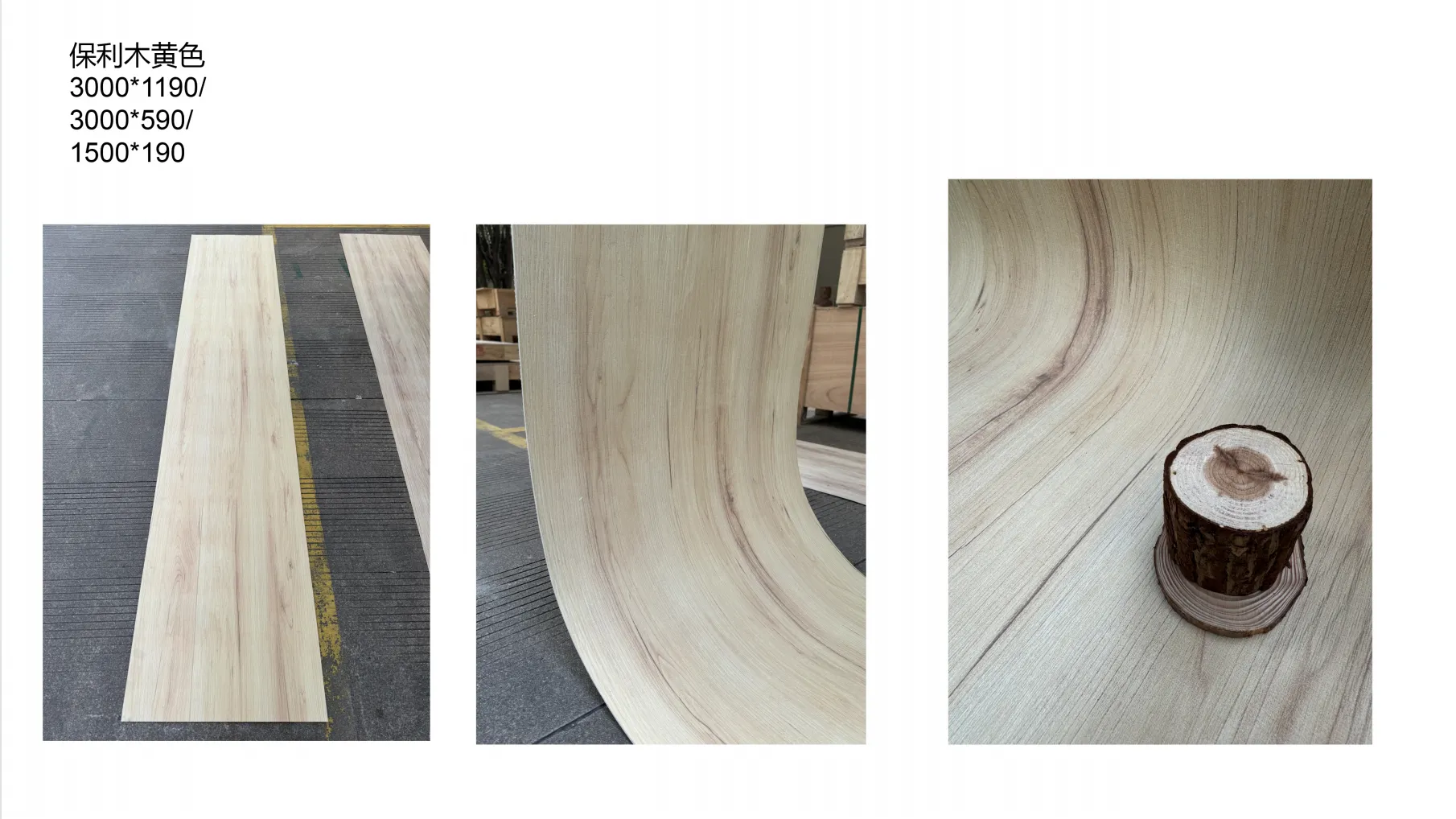
Let's start with the basics. Poly wood board (sometimes called "composite wood") isn't your average building material. It's a blend of recycled plastic (think milk jugs, water bottles) and wood fibers, pressed and heated into boards that look and feel like real wood—without the headaches. Manufacturers take those discarded plastics, grind them down, mix in wood fibers for texture, and mold them into planks, panels, and even custom shapes. The result? A material that's tough as nails but gentle on your wallet over time.
You might be thinking, "But isn't plastic fake? Won't it look cheap?" That's the beauty of modern poly wood. Today's options come in everything from warm oak tones to sleek grays, with grains and textures so realistic, you'd swear you're touching solid wood. Some even mimic the weathered look of charcoal burnt wood board —that rustic, timeworn aesthetic—without the actual wear and tear. It's the best of both worlds: the charm of natural materials, minus the upkeep.
To understand why poly wood saves money, let's talk about the alternatives. We've relied on wood, concrete, and stone for centuries, but they all come with hidden costs—especially over the long haul.
Real wood is beautiful, no doubt. A cedar deck or a redwood fence can make a home feel cozy and inviting. But wood is alive, even after it's cut. It absorbs moisture, swells in the rain, shrinks in the sun, and becomes a buffet for termites, ants, and rot. If you live in a humid climate (looking at you, Florida, Seattle), you're looking at annual staining or sealing to keep it from warping. In dry areas, it cracks and splinters. And let's not forget the cost: a 200-square-foot wood deck might cost $3,000 to install, but add in $200-$500 every 1-2 years for staining, plus repairs for loose boards or pest damage, and suddenly that "affordable" deck is costing you $5,000+ over a decade.
Concrete is durable, sure. It can handle heavy foot traffic and doesn't rot. But it stains easily (good luck getting that red wine spill out of your concrete patio), cracks in freeze-thaw cycles, and needs sealing every 2-3 years to prevent water damage. And if it does crack? Patching it is a hassle, and the patch never quite matches the original. Plus, it's heavy—installing a concrete slab requires professional help, driving up upfront costs. Over time, those repairs and sealings add up, turning "low-maintenance" into "high-stress."
Stone like rough granite stone (medium grey) is stunning for accents—think a stone fireplace or a patio border. But it's not practical for large-scale projects. Granite is dense and heavy, so installation requires specialized labor and equipment (hello, higher upfront costs). It's also porous, meaning it needs regular sealing to prevent stains from oil, dirt, or water. And if a stone chips? Replacing it is tricky—matching the exact shade and texture of natural granite is nearly impossible, leaving you with a patchwork look. For most homeowners and businesses, stone is a luxury, not a long-term budget saver.
You might have heard of wood concrete board —a mix of wood fibers and concrete. It's marketed as a durable alternative to wood, but it's not perfect. While it resists rot better than solid wood, it still absorbs moisture, leading to cracking over time. It's also heavier than poly wood, making installation harder, and it lacks the flexibility of poly wood when it comes to design. Plus, it can still stain, requiring occasional sealing. It's a step up from wood, but not quite the maintenance-free solution we need.
So, what makes poly wood board different? Let's break down the savings, both in time and cash.
This is the big one. Unlike wood, poly wood doesn't need annual staining or sealing. No more spending weekends on your hands and knees with a paintbrush, no more buying $50 cans of stain, no more inhaling fumes in the hot sun. Poly wood is fade-resistant, too—UV rays won't bleach it into a washed-out version of its former self. A quick hose-down with soap and water once a season is all it takes to keep it looking fresh. Imagine what you could do with those weekends: hike, read a book, or finally host that backyard BBQ you've been putting off.
Wood rots when it gets wet. Poly wood? It laughs at moisture. Since it's made with plastic, it doesn't absorb water, so it won't warp, crack, or rot—even in rain, snow, or humidity. Termites, carpenter ants, and other pests? They can't digest plastic, so they'll leave your poly wood alone. No more calling an exterminator, no more replacing boards eaten by bugs. For coastal homes, lake houses, or rainy regions, this is a game-changer.
Ever stepped barefoot on a wood deck and yelped in pain from a splinter? Or tried to slide a chair across a warped board and heard that awful screech? Poly wood eliminates that. It's smooth, consistent, and stable. No splinters for kids (or barefoot adults), no warping in extreme temperatures, no cracks from freezing and thawing. That means fewer repairs over time—and fewer trips to the hardware store.
Poly wood is lighter than concrete, stone, or even some solid woods, making installation a breeze. Many homeowners with basic DIY skills can install a poly wood deck or fence themselves, saving on labor costs. And since it's made in uniform planks, there's less cutting and measuring than with natural materials, which are often irregular. Even if you hire a pro, installation time is shorter, meaning lower labor bills.
Most poly wood boards come with warranties of 20-25 years—some even lifetime warranties. Compare that to wood, which might last 10-15 years with good care, or concrete, which can crack in as little as 5 years. Over 25 years, a poly wood deck might cost $5,000 upfront, while a wood deck costs $3,000 upfront but $2,000 in maintenance and replacement costs. The math speaks for itself: poly wood pays for itself over time.
Don't just take our word for it. Let's look at some real-world examples of how poly wood is changing the game.
Case Study 1: The Seattle Homeowner
Sarah, a homeowner in Seattle (rainy, humid, and perfect for wood rot), replaced her 10-year-old cedar deck with poly wood in 2018. "Before, I was staining the deck every spring—$300 for stain, two weekends of work, and it still looked gray and weathered by fall," she says. "Now, I hose it down once a month, and it still looks brand new. I've saved at least $1,500 in stain and tools over six years, and I've got my weekends back. Best decision ever."
Case Study 2: The Café Owner
Jake owns a small café in Portland with a popular outdoor seating area. He used to have wooden picnic tables that needed constant sanding (to avoid splinters) and refinishing (to cover coffee stains). "We were spending $800 a year on table maintenance, not to mention losing tables for a week while they dried," he says. Three years ago, he switched to poly wood tables. "Now, we wipe them down with a cloth and soapy water—done. No splinters, no stains, and customers love how they look. We've saved $2,400 so far, and the tables still look great."
Case Study 3: The Community Center
The Greenfield Community Center in Ohio needed a new fence around their playground. They considered wood, but with kids climbing and weather taking a toll, they knew it wouldn't last. They chose poly wood fencing in a warm brown tone, and five years later, it's still standing strong. "We haven't spent a dime on repairs," says Maria, the center's director. "No rot, no termites, and the kids can climb without getting splinters. It was a bit more upfront, but we've saved thousands in replacement costs. Plus, it looks just as nice as wood—maybe nicer, because it hasn't faded."
Still on the fence? Let's compare poly wood board to common alternatives over a 10-year period. We'll use a 200-square-foot deck as an example.
| Material | Upfront Cost | Annual Maintenance Cost | 10-Year Total Cost | Expected Lifespan |
|---|---|---|---|---|
| Solid Wood (Cedar) | $3,000 | $300 (staining, repairs) | $6,000 | 10-15 years |
| Concrete | $4,000 | $150 (sealing, patching cracks) | $5,500 | 15-20 years (with cracks) |
| Rough Granite Stone (Medium Grey)* | $8,000 (installation + materials) | $200 (sealing, repairs) | $10,000 | 25+ years (but high maintenance) |
| Wood Concrete Board | $4,500 | $100 (sealing, minor repairs) | $5,500 | 15-20 years |
| Poly Wood Board | $5,000 | $50 (soap, water, occasional tightening) | $5,500 | 25+ years (warranteed) |
*Note: Granite is rarely used for full decks due to weight and cost; included for comparison.
At first glance, poly wood has a higher upfront cost than wood or concrete. But over 10 years, it matches concrete and wood concrete board in total cost—with a much longer lifespan. And if you stretch it to 25 years? Poly wood's total cost stays around $6,250, while wood would need to be replaced entirely (another $3,000), pushing its total to $12,000+. That's a savings of nearly $6,000.
Poly wood isn't just about saving money—it's about creating spaces you love. Because it's man-made, it can be molded into shapes that natural materials can't. Want a curved bench for your garden? Poly wood can do that. Need custom colors to match your home's exterior? No problem. Some brands even offer weaving (khaki) patterns or textured finishes that mimic woven materials, adding visual interest without the fragility of actual weaving.
And let's not forget the eco-friendly angle. Poly wood uses recycled plastic, keeping tons of waste out of landfills and oceans. Every poly wood deck keeps approximately 400-500 plastic bottles from ending up in the environment. It's a small way to build sustainably without sacrificing quality.
Poly wood board isn't a one-size-fits-all solution, but it's worth considering if:
It's not ideal if you're looking for the absolute cheapest upfront option (though remember, it pays off later) or if you want the exact look and feel of rare, high-end woods (but for most people, the difference is negligible).
At the end of the day, our homes and businesses should be places that bring us joy, not stress. Poly wood board isn't just a building material—it's a way to reclaim your time, your money, and your peace of mind. It's about choosing a deck that lasts through summer barbecues and winter storms, a fence that doesn't rot when the rain comes, and a patio that stays beautiful without constant work.
So, the next time you're planning a project, ask yourself: "Do I want to spend the next 20 years maintaining this, or enjoying it?" For most of us, the answer is clear. Poly wood board isn't just a smart choice—it's a choice that lets you focus on what matters: making memories, not fixing what's broken.
Recommend Products












