
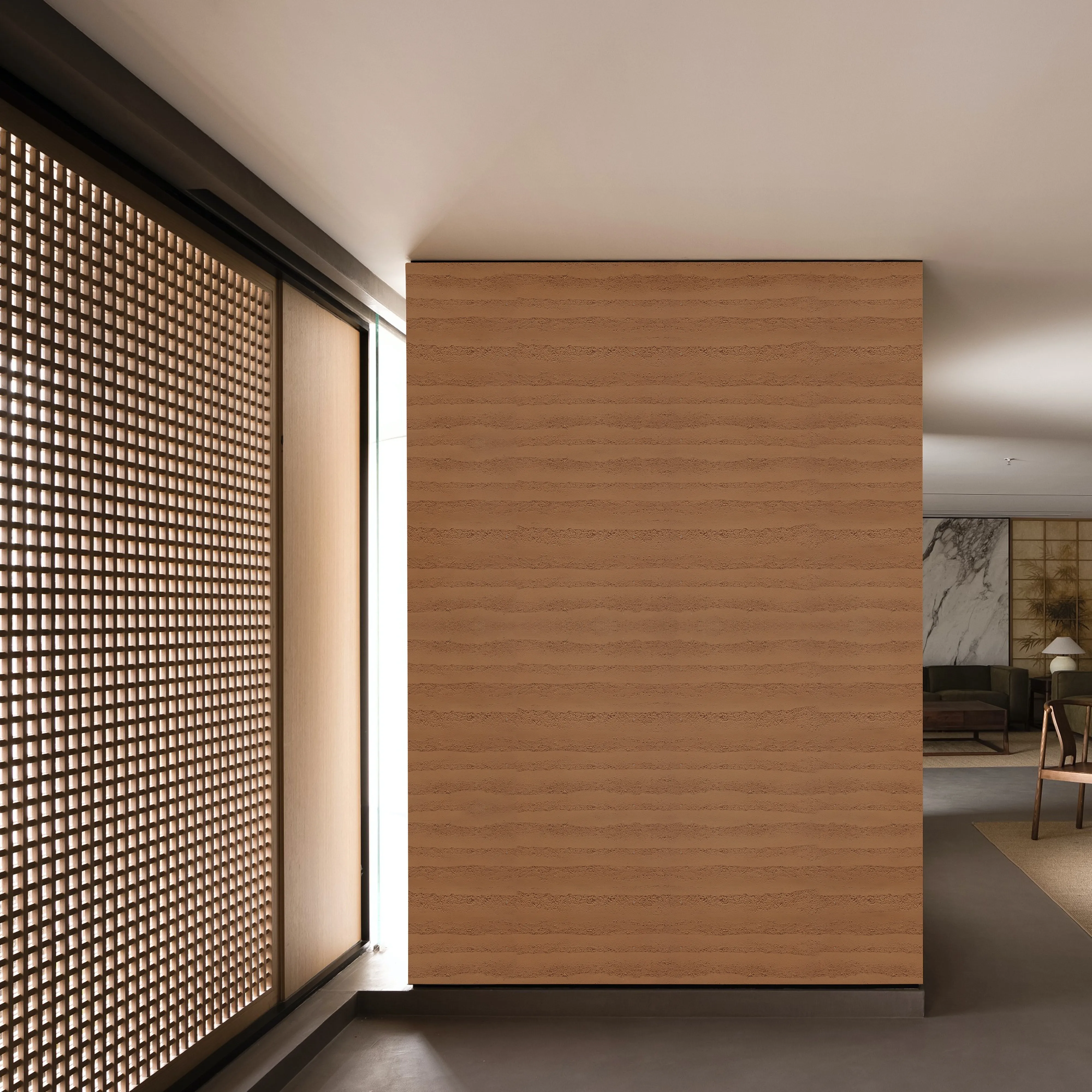
Picture this: You've just wrapped up a home renovation, pouring heart and soul into choosing materials that reflect your style. The walls glow with a warm, earthy finish, and every corner feels like a reflection of your taste. But six months later, that "perfect" wall starts showing scuffs. Coffee spills seep into the texture, rain streaks stain the exterior, and suddenly, your dream space becomes a chore—weekly cleanings, expensive sealants, and the constant worry of "ruining" the look. Sound familiar? For homeowners, designers, and business owners alike, the battle between beauty and upkeep is all too real. But what if there was a material that didn't force you to choose?
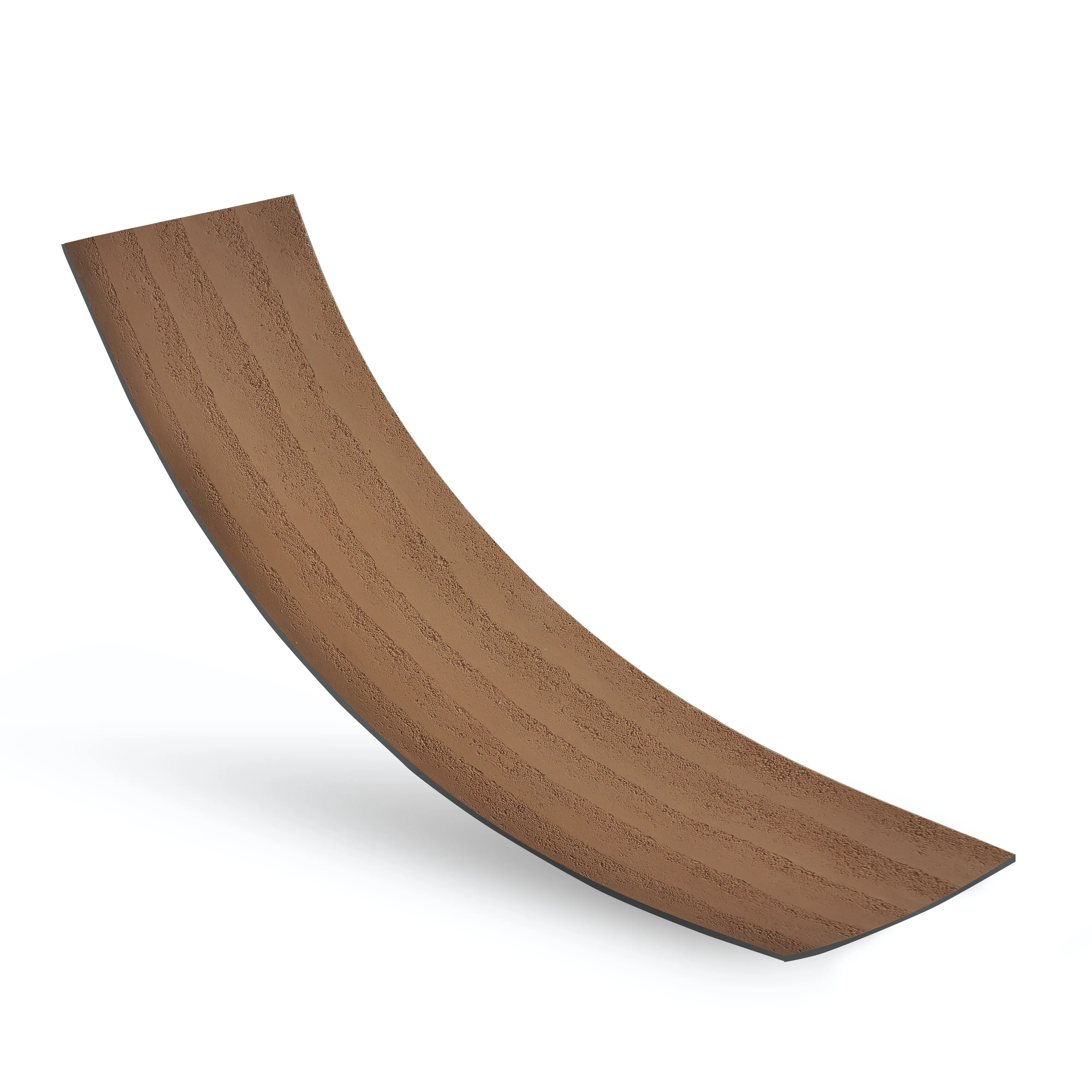
Enter COLORIA's low maintenance rammed earth board (khaki) —a material that feels like a love letter to both design enthusiasts and busy lives. Imagine a wall that ages like fine wine, where a little dust or a splash of water is nothing more than a minor inconvenience, not a crisis. This isn't just another building material; it's a solution crafted for the way we *actually* live: messy, vibrant, and short on time for endless upkeep.
At first glance, the khaki hue draws you in—warm, sun-kissed, and reminiscent of desert landscapes at dawn. But it's the texture that truly surprises: a subtle, granular surface that mimics hand-packed earth, with tiny variations that catch the light and add depth. Run your hand over it, and you'll feel a gentle coarseness, not the cold sterility of plastic or the fragility of soft stone. It's a material that invites touch, that feels *alive* in a space.
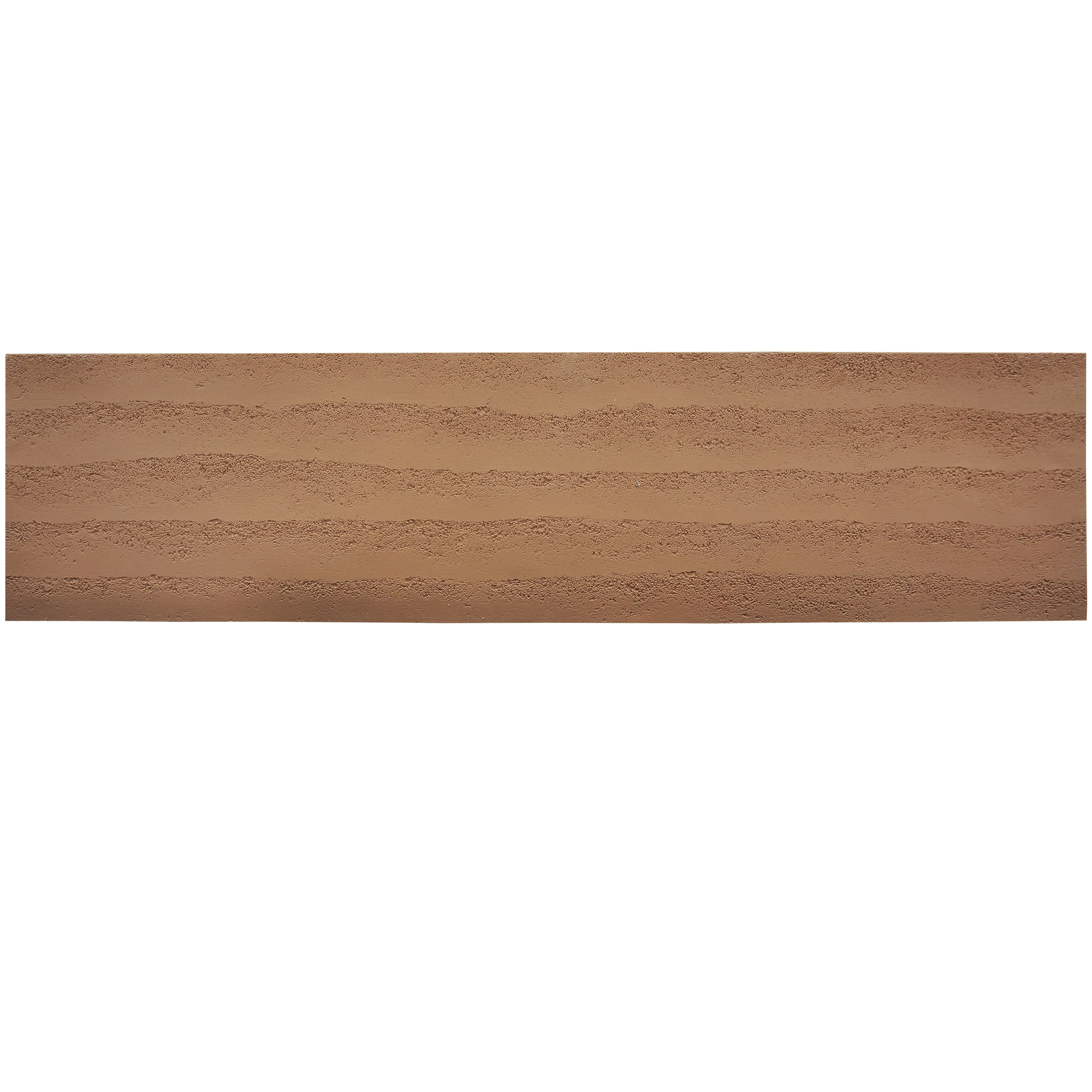
Let's talk about the "low maintenance" part—because that's where this board truly shines. Unlike porous materials like traditional plaster or even some types of travertine (starry green) (which, while stunning, can absorb liquids and require regular sealing), the rammed earth board (khaki) is engineered to resist stains and moisture. Spilled juice on the kitchen backsplash? A quick wipe with a damp cloth, and it's gone. Rain lashing against the exterior wall? No streaks, no discoloration—just that same warm khaki glow, day in and day out.
And it's not just about spills. This board stands up to the chaos of daily life: kids running their sticky hands along the walls, pets scratching (yes, even that), or the wear and tear of high-traffic commercial spaces like cafes or offices. Unlike wood grain board , which can scratch or warp over time, or delicate marble that chips easily, this rammed earth board holds its own. After years of use, it might show a few subtle marks—but far from looking worn, these add character, like the patina on a well-loved leather jacket.
Beauty shouldn't be limited to one style, and neither is this board. Whether you're designing a minimalist home with clean lines, a bohemian café bursting with texture, or a corporate office aiming for understated elegance, the khaki rammed earth board fits. Its neutral tone acts as a canvas, pairing seamlessly with bold accents (think vibrant art or foamed aluminium alloy board (vintage silver) fixtures for contrast) or blending harmoniously with earthy palettes (warm woods, terracotta, soft greens).
Use it as an accent wall in a living room to add warmth, or clad an entire exterior to give a home a rustic, yet modern, curb appeal. In commercial spaces, it transforms sterile lobbies into welcoming environments—imagine a hotel reception desk wrapped in this material, where guests feel instantly grounded. It's versatile enough to feel cozy in a bedroom and sophisticated in a restaurant; it adapts to *your* vision, not the other way around.
| Feature | Low Maintenance Rammed Earth Board (Khaki) | Fair-Faced Concrete | Wood Grain Board |
|---|---|---|---|
| Maintenance Needs | Minimal: Wipe clean with water; no sealing required | Moderate: Prone to staining; may need sealing every 2-3 years | High: Requires refinishing every 1-2 years; susceptible to water damage |
| Durability | Excellent: Resists scratches, moisture, and fading | Good: Strong but can crack with temperature shifts | Moderate: Warps in humidity; scratches easily |
| Aesthetic Flexibility | High: Warm, earthy texture; pairs with modern, rustic, or bohemian styles | Moderate: Industrial, sleek look; limited warmth | High: Natural wood grain; but limited color options |
| Cost Over Time | Low: No ongoing expenses for sealing/refinishing | Moderate: Sealing costs add up over time | High: Regular refinishing and potential replacement costs |
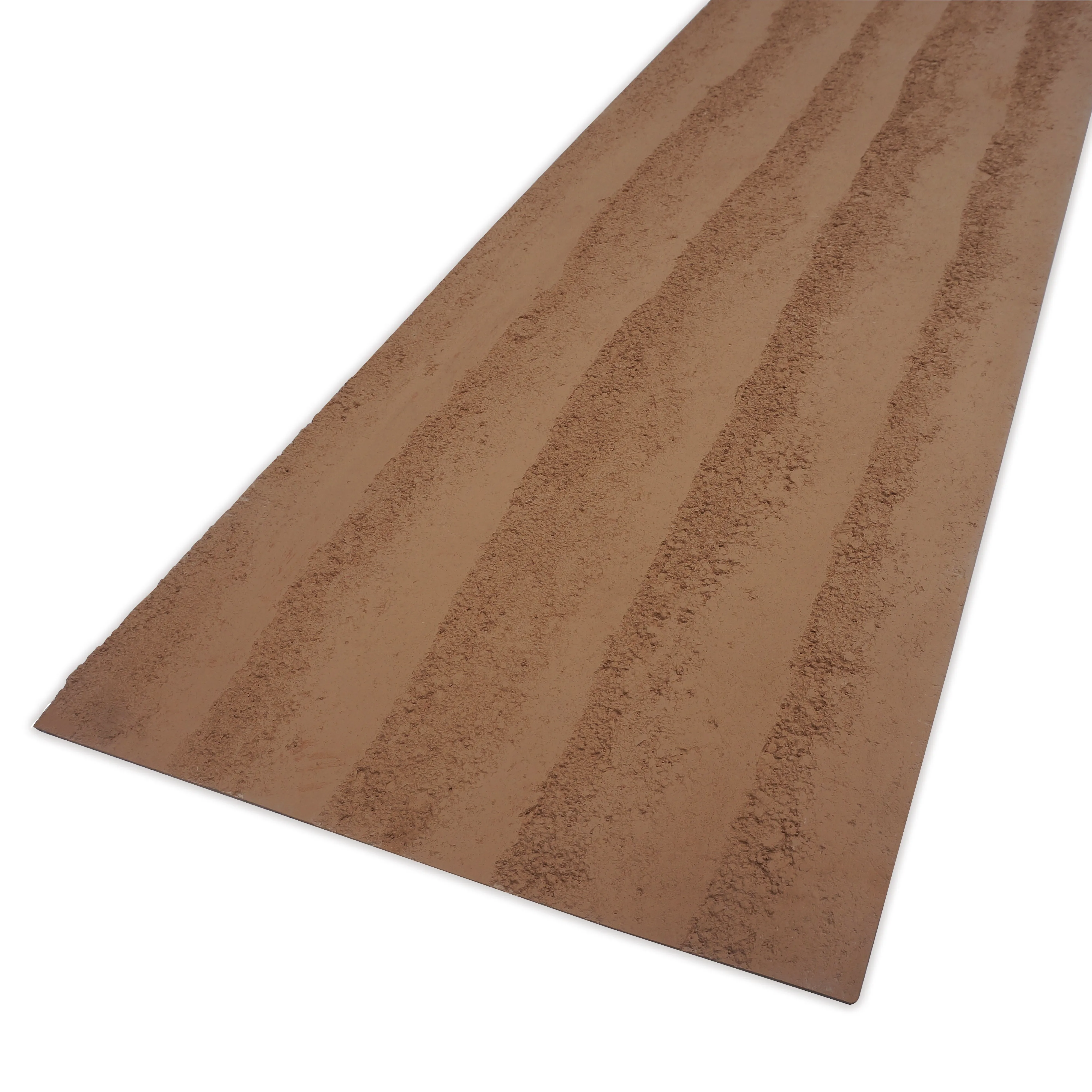
Part of what makes COLORIA's rammed earth board so exciting is how well it plays with others. Design is rarely about a single material—it's about combinations that tell a story. Here are a few pairings that designers are loving right now:
For a nature-inspired palette, pair the khaki rammed earth board with travertine (starry green) . The deep, mossy green of the travertine acts as a striking contrast to the warm khaki, creating a space that feels like a forest retreat. Use the travertine for a backsplash or fireplace surround, and let the rammed earth board cover the walls—together, they balance richness and calm.
For a modern, industrial edge, mix in foamed aluminium alloy board (vintage silver) . The cool, metallic sheen of the aluminium adds sleekness, while the rammed earth board softens the look, preventing the space from feeling too cold. This combo works beautifully in offices or urban lofts, where industrial elements meet organic warmth.
Yes, even with wood grain board ! Use the rammed earth board as the main wall material, then add wood grain accents—like a floating shelf or accent panel—to bring in warmth and texture. The key? The rammed earth board handles the "high-maintenance" areas (like walls prone to scuffs), while the wood adds visual interest in lower-traffic spots. It's the best of both worlds.
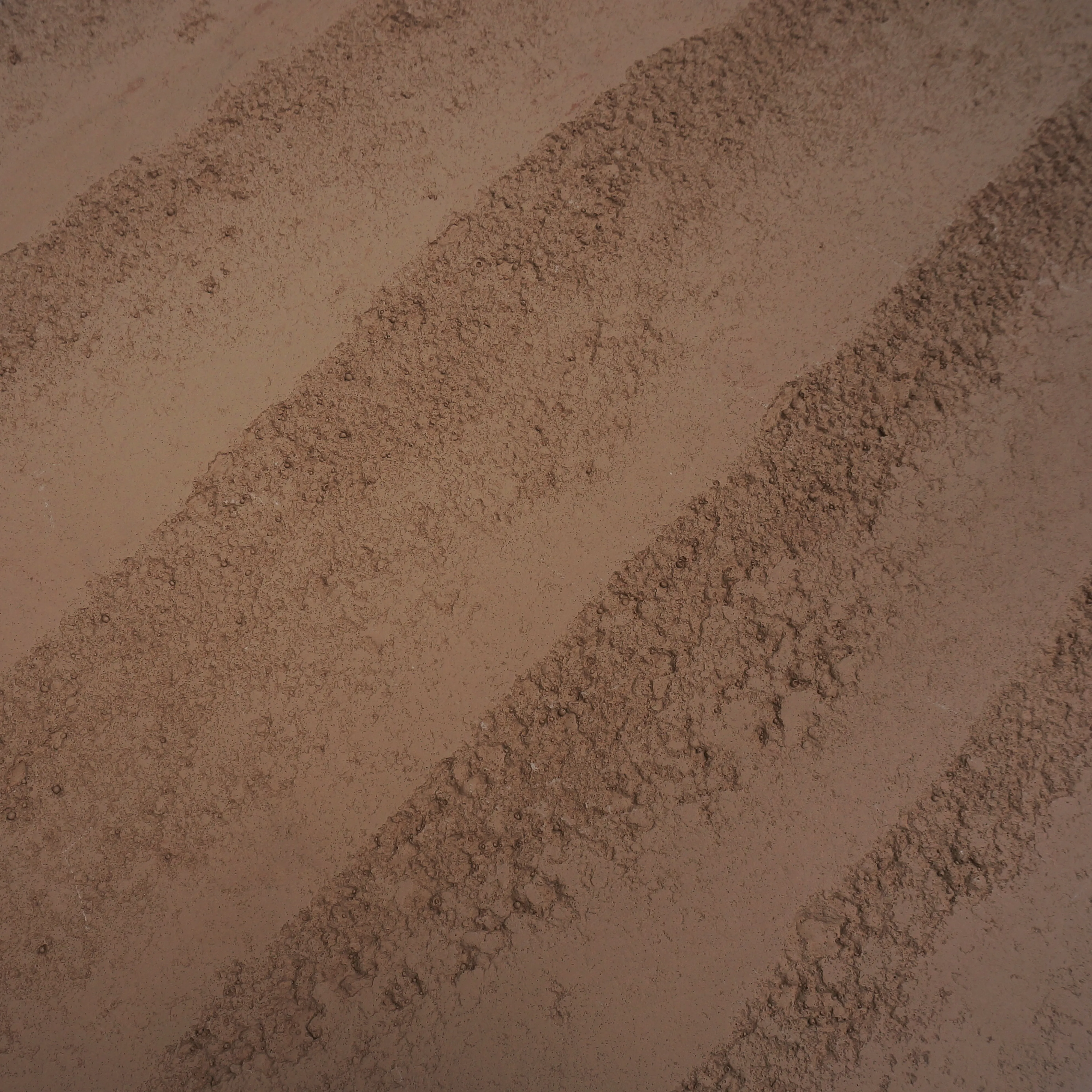
In a world where we're all trying to make more conscious choices, the rammed earth board checks the sustainability box, too. COLORIA sources materials locally where possible, reducing carbon footprints from transportation. The manufacturing process uses minimal water and energy, and the board itself is free from harmful chemicals—so you can breathe easy, literally, in spaces clad with it.
But sustainability isn't just about production; it's about longevity. A material that needs to be replaced every few years creates waste, but this rammed earth board is built to last decades. By choosing it, you're not just saving time on upkeep—you're reducing the need for frequent renovations, which means less material in landfills and fewer resources used over time. It's a small choice that adds up to a big impact.
Don't just take our word for it—ask the designers and homeowners who've already made the switch. Take Sarah, a café owner in Portland who struggled with her previous wood grain walls. "We loved the look, but with coffee spills, kids, and rain coming in through the patio doors, we were refinishing the walls every six months," she says. "Since switching to the khaki rammed earth board, we wipe it down once a week, and it still looks brand new a year later. Our regulars even comment on how warm the space feels now—it's like the walls have personality."
Then there's Mike, a homeowner who used the board in his home office. "I work from home, and my desk is right next to the wall—pens, coffee mugs, even the occasional wayward elbow. With my old painted walls, I was constantly touching up scuffs. Now? I don't even think about it. The board takes a hit and keeps going, and honestly, it looks better with a little wear. It feels lived-in, not neglected."
At the end of the day, this board is for anyone who's ever thought, "I want my space to look beautiful *and* work for my life." It's for the parent who doesn't want to panic when their kid draws on the wall with crayon (a damp cloth takes it right off). It's for the business owner who wants their café to feel inviting without spending weekends scrubbing walls. It's for the designer who wants to create spaces that clients will love for years, not just months.
COLORIA's low maintenance rammed earth board (khaki) isn't just a material—it's a promise: that you don't have to sacrifice beauty for practicality, or vice versa. It's a reminder that the best design should make your life easier, not harder. So why not let your walls work *with* you, instead of against you? After all, your space should reflect the joy of living—not the stress of maintaining it.
Recommend Products












