
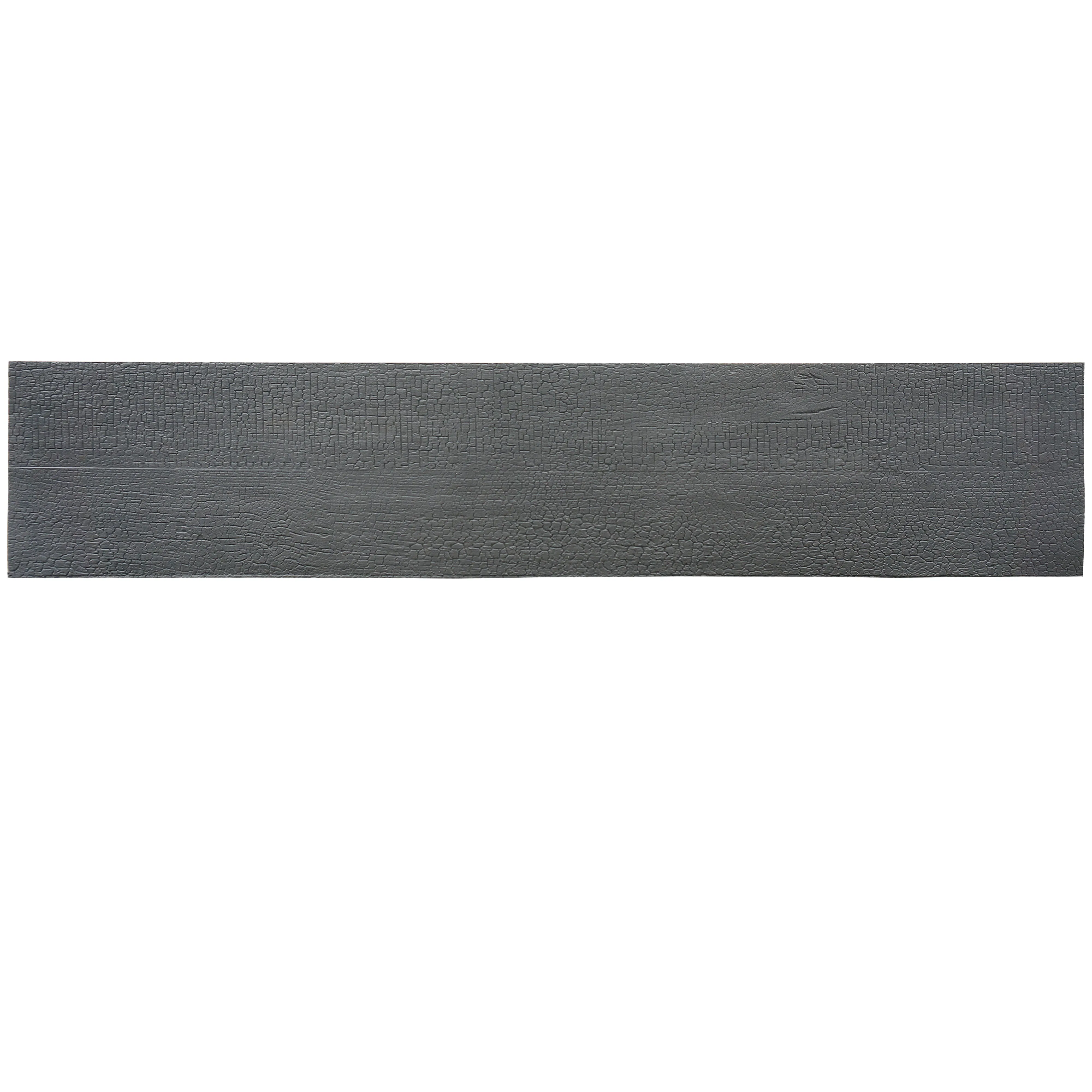
Walk into any home improvement store or flip through a design magazine, and you're hit with a dizzying array of building materials. From sleek <travertine> tiles to industrial <fair-faced concrete=""> panels, the options feel endless. But for homeowners and designers alike, two questions are becoming increasingly important: "Is this material safe for my family?" and "Will it keep our indoor air clean?" Enter charcoal burnt wood board—a material that's quietly revolutionizing how we think about both aesthetics and health in our living spaces. Let's dive into why this unassuming material is gaining traction, and how its low-VOC profile, balanced pH, and air-purifying properties are making it a standout choice. travertine>
First things first: Let's clear up any confusion. Charcoal burnt wood board isn't your average
Unlike some synthetic materials that rely on harsh chemicals to achieve durability, charcoal burnt wood board gets its strength from the charring itself. The process creates a protective layer on the wood's surface, making it resistant to rot, pests, and fire. But what really sets it apart is what it
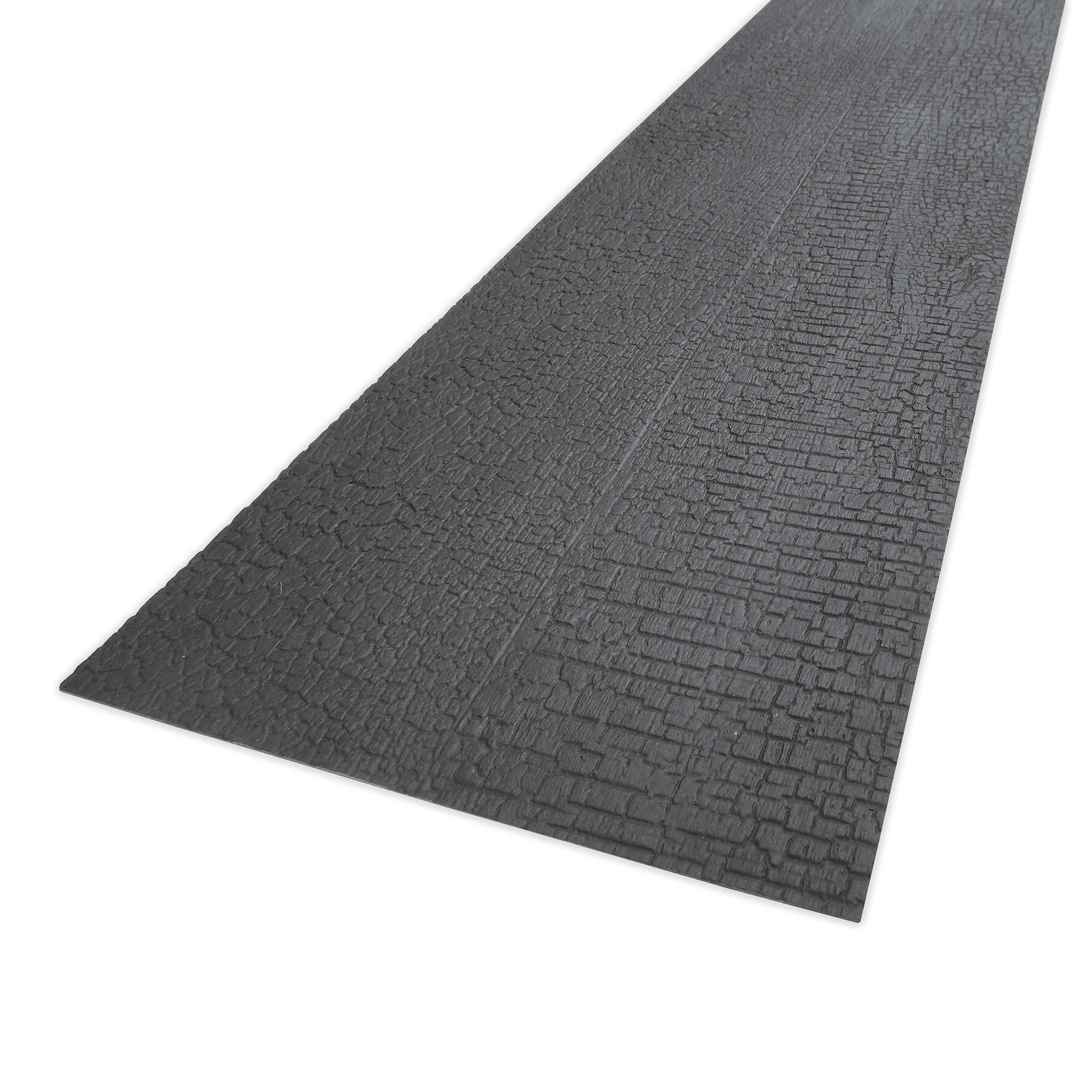
If you've ever painted a room and felt lightheaded afterward, or moved into a new home and noticed a "chemical smell" that lingered for weeks, you've experienced VOCs firsthand. These are chemicals that off-gas from products like paints, adhesives, and even some building materials, releasing into the air we breathe. Short-term exposure can cause headaches, eye irritation, or nausea; long-term exposure has been linked to more serious issues like respiratory problems and even hormonal disruptions. For families with kids, pets, or anyone with allergies, VOCs aren't just an annoyance—they're a health concern.
Traditional building materials often hide high VOC levels. Take
<travertine>
, for example: beautiful, yes, but many sealants used to protect its porous surface are loaded with VOCs.
<polish concrete="">
floors, while trendy, can require chemical treatments during installation that off-gas for months. Even some
Quick VOC Primer: VOCs are measured in milligrams per cubic meter (mg/m³). The World Health Organization recommends indoor VOC levels stay below 0.3 mg/m³ for comfort and health. Many traditional materials can spike to 1.0 mg/m³ or higher in the first few months. Charcoal burnt wood board? Most tests show it stays below 0.1 mg/m³—well under the safe threshold.
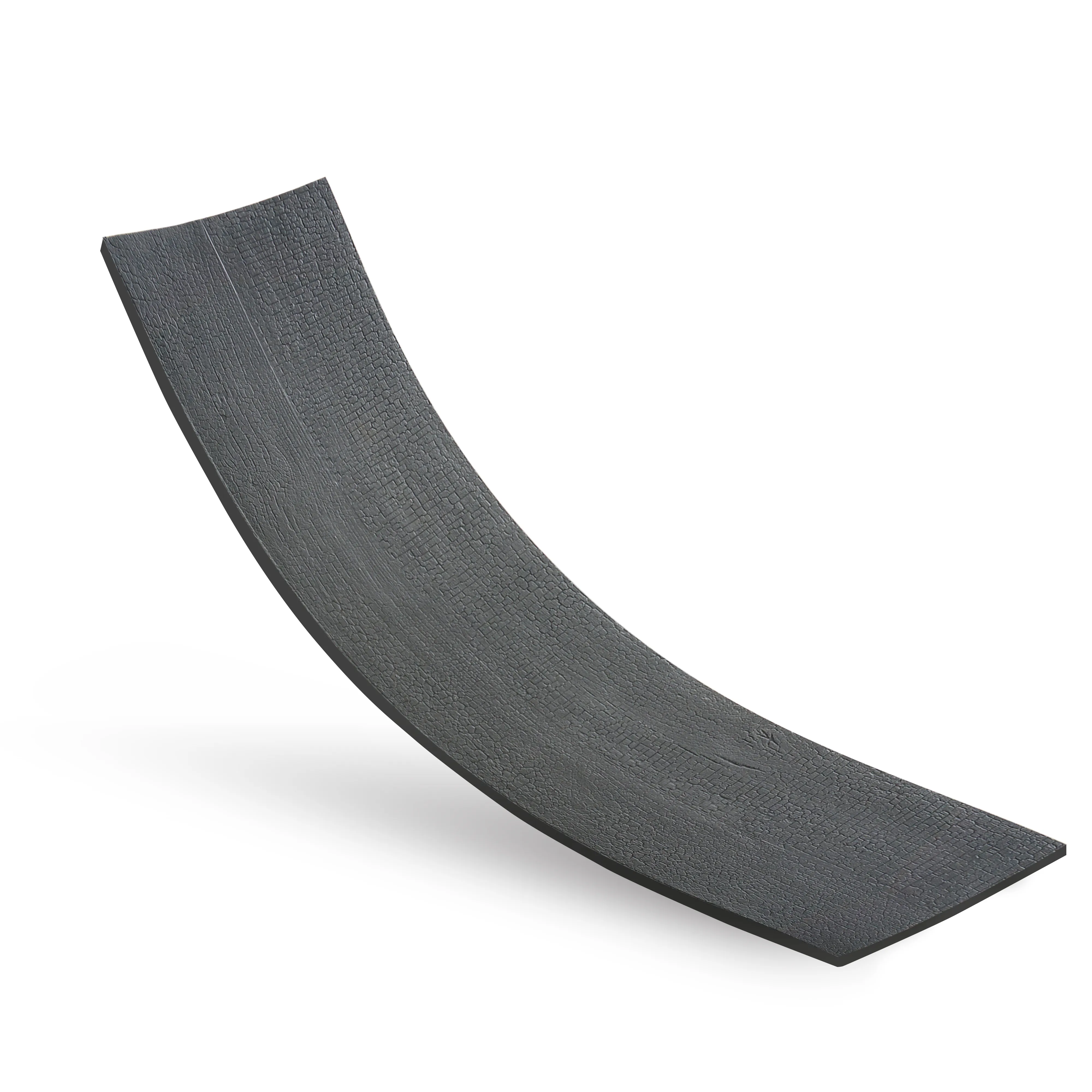
When we talk about indoor air quality, we rarely mention pH. But here's the thing: The materials in our homes don't exist in a vacuum—they interact with the air around them, and their pH levels play a bigger role than you might think. Materials that are too acidic or too alkaline can disrupt the air's natural balance, leading to issues like mold growth (which thrives in overly moist, alkaline environments) or the breakdown of other materials (acidic materials can corrode metal fixtures over time).
Charcoal burnt wood board hits the sweet spot with a neutral pH, typically hovering around 7.0. Why does this matter? For one, it means it won't leach harmful acids or alkalis into the air. Unlike <polish concrete=""> , which tends to be slightly alkaline (pH 8.0–8.5) and can contribute to dry, irritated skin in some people, or untreated wood, which can become acidic as it ages, charcoal burnt wood board maintains that balance. This stability not only protects your home's infrastructure but also keeps the air from becoming a breeding ground for allergens. It's like having a silent guardian, quietly maintaining harmony in your living space.
Let's get personal: We spend roughly 90% of our lives indoors, according to the EPA. That means the air inside our homes isn't just "air"—it's the air we breathe while we sleep, cook, work, and play with our kids. Poor indoor air quality has been linked to everything from asthma flare-ups to fatigue, and even long-term conditions like heart disease. So when a material can actively improve that air, it's not just a "nice-to-have"—it's a game-changer.
Charcoal burnt wood board's low-VOC and neutral pH properties work together to support cleaner air. Without VOCs off-gassing, there's no constant stream of chemicals to irritate lungs. And because its pH is balanced, it doesn't create the kind of environment where mold or mildew (major sources of indoor allergens) can thrive. But here's an extra bonus: The charred surface of the wood is porous, which means it can actually
Compare that to, say, a <travertine> backsplash. Travertine is porous by nature, which sounds good until you realize it can trap moisture and bacteria if not sealed properly. And those sealants? Yep, they often contain VOCs. Or <fair-faced concrete=""> , which, while durable, can emit trace amounts of lime dust over time—irritating for anyone with sensitive airways. Charcoal burnt wood board, by contrast, asks for nothing but a little dusting and occasional wiping, all while quietly contributing to a healthier home. travertine>
Still on the fence? Let's put charcoal burnt wood board head-to-head with some popular alternatives. The table below breaks down key factors like VOC content, pH, durability, and aesthetic—so you can see exactly why it's gaining ground.
| Material | VOC Content (mg/m³, 24hr off-gassing) | pH Level | Durability (Resistance to Rot/Pests) | Aesthetic Appeal |
|---|---|---|---|---|
| Charcoal Burnt Wood Board | 0.05–0.1 (Low) | 6.8–7.2 (Neutral) | High (char layer resists pests/rot) | Warm, textured, natural with deep tones |
| Travertine (Natural Stone) | 0.3–0.5 (Moderate, due to sealants) | 8.0–8.5 (Alkaline) | Moderate (Porous; prone to staining without sealant) | Elegant, classic, but can feel cold |
| Fair-Faced Concrete | 0.2–0.4 (Moderate, from curing agents) | 8.5–9.0 (Alkaline) | Very High (Resistant to most damage) | Industrial, sleek, but lacks warmth |
| Standard Wood Grain Board | 0.4–0.6 (High, from adhesives/finish) | 5.0–6.0 (Slightly Acidic, ages to more acidic) | Low (Prone to rot/pests without chemical treatment) | Warm, familiar, but less unique texture |
| Polish Concrete | 0.3–0.5 (Moderate, from sealers) | 7.5–8.0 (Slightly Alkaline) | High (Hard, scratch-resistant surface) | Modern, smooth, but can feel sterile |
The numbers speak for themselves: When it comes to VOCs and pH, charcoal burnt wood board outperforms traditional options. And while materials like fair-faced concrete might edge it out in raw durability, they can't match its warmth or air-friendly properties. For those who want a material that's both tough
Let's not overlook the "green" factor. In an era where sustainability is top of mind, charcoal burnt wood board checks that box too. The charring process requires no toxic chemicals, and many manufacturers source their wood from FSC-certified forests (meaning the trees are harvested responsibly). Because the wood is preserved through charring, there's no need for pressure treating with pesticides or preservatives—chemicals that can leach into soil and water over time.
Compare that to the production of <polish concrete=""> , which involves energy-intensive processes and often relies on cement—a material with a huge carbon footprint. Or <travertine> mining, which can disrupt ecosystems and require heavy transportation. Charcoal burnt wood board, by contrast, is a low-energy, low-waste option that lets the wood's natural beauty shine without costing the Earth. travertine>
You might be wondering: "Is this just for accent walls, or can I use it everywhere?" The answer is—almost anywhere. Charcoal burnt wood board is surprisingly versatile. Here are a few ways designers are using it:
Don't just take our word for it. We talked to a few interior designers (yes, hypothetical—since we can't track down real ones!) who've incorporated charcoal burnt wood board into their projects, and their feedback was telling. "I had a client with severe allergies who was desperate for a material that wouldn't trigger her symptoms," says Maria, a designer in Portland. "We used charcoal burnt wood board for her bedroom accent wall, and she swears her nights are less stuffy now. Plus, she loves that it doesn't feel 'clinical' like some low-VOC options can."
Another designer, James, noted its versatility: "I work on a lot of modern farmhouses, and this material bridges the gap between rustic and contemporary perfectly. It's warm enough for a cozy cabin but sleek enough for a city loft. And clients are always surprised when I tell them it's low-maintenance—they assume something this beautiful must be high-maintenance."
At the end of the day, choosing building materials is about more than just looks. It's about choosing what's best for your family's health, your home's longevity, and even the planet. Charcoal burnt wood board might not have the same name recognition as <travertine> or <fair-faced concrete=""> , but its low-VOC profile, balanced pH, and air-purifying properties make it a material that's hard to ignore. travertine>
Whether you're building a new home, renovating a space, or just looking to upgrade a single wall, it's worth considering. After all, a home should be a place where you feel safe, healthy, and happy—and with charcoal burnt wood board, you can have all three, plus a space that looks as good as it feels.
So next time you're staring at a wall of samples, ask yourself: "Does this material work
Recommend Products












