
Breathing easier in the spaces we call home
Three years ago, my partner and I bought our first condo. It was a fixer-upper, but we were thrilled—until we started renovating. We picked out glossy kitchen cabinets, fresh paint, and brand-new laminate flooring, all with that crisp "new home" scent. But within a week of moving in, I started waking up with headaches. My allergies flared, and by the end of the month, even our dog was sneezing. That's when we learned about VOCs—and how our dream home was slowly poisoning us.
Volatile Organic Compounds, or VOCs, are chemicals that evaporate into the air from everyday products. They're in paint, adhesives, furniture, and yes—building materials. The EPA estimates that indoor VOC levels can be 2–5 times higher than outdoor levels, especially in tightly sealed modern homes. For me, those headaches weren't just a nuisance; they were a warning. And as we researched solutions, we stumbled upon a material that would change how we think about home design: poly wood board.
Let's start with the basics: VOCs aren't just "bad smells." Many are classified as toxic air pollutants, linked to short-term issues like dizziness, eye irritation, and nausea. Long-term exposure? Studies tie it to liver damage, kidney problems, and even increased cancer risk. Children, pregnant people, and those with respiratory conditions are especially vulnerable. And here's the kicker: some VOCs can linger in indoor air for years after installation.
Traditional building materials are often the biggest culprits. Take plywood, for example: it's glued together with formaldehyde-based resins, a known carcinogen. Laminate flooring? The adhesives and melamine coatings off-gas for months. Even "natural" materials like solid wood can be problematic if they're treated with stain or sealant containing high VOCs. We discovered our "dream" kitchen cabinets were emitting formaldehyde at levels that would make a chemistry lab blush. That's when we started hunting for alternatives—and poly wood board kept popping up.
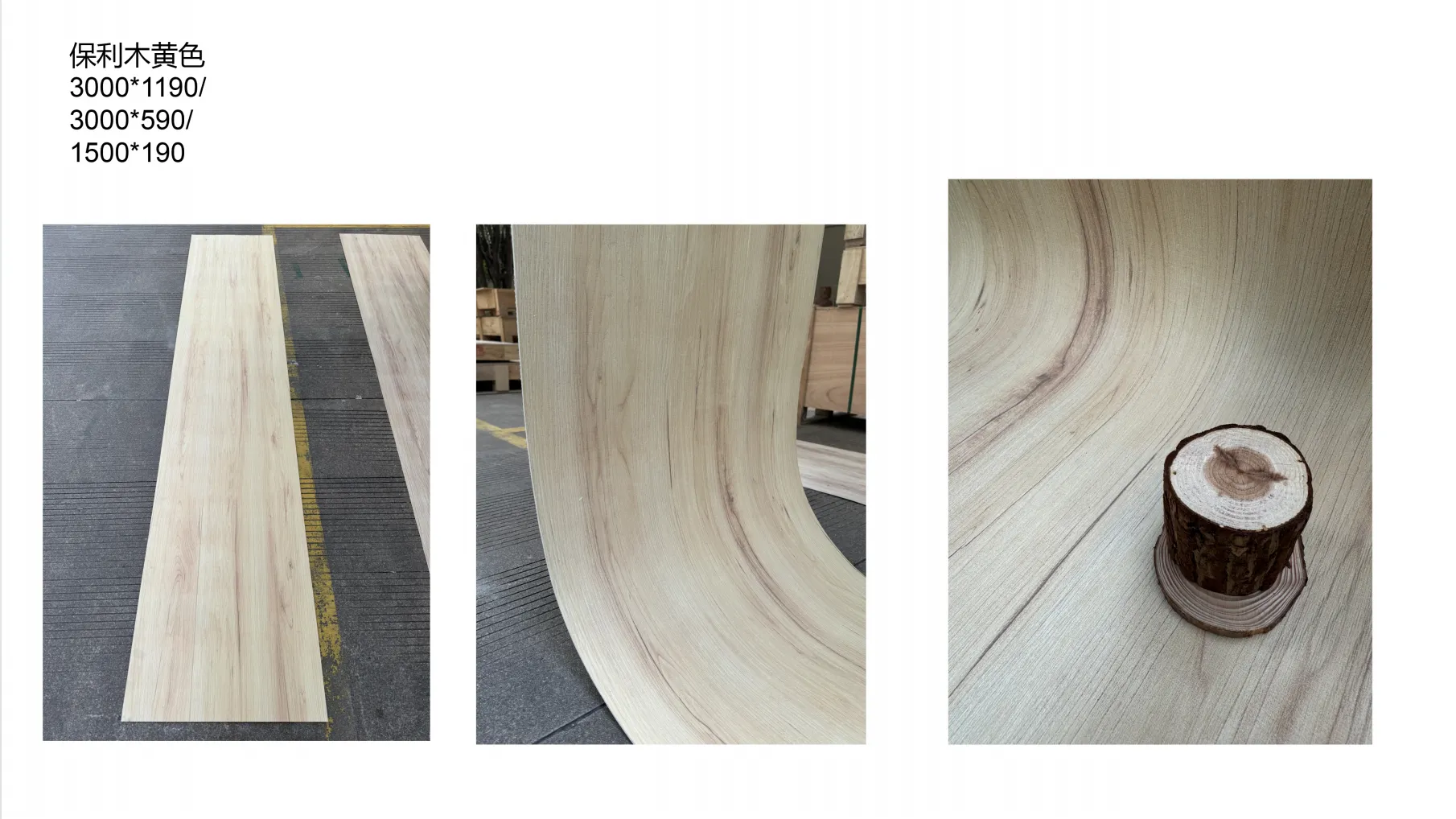
At first glance, poly wood board looks like any other high-quality wood panel. It has the warm grain patterns of oak, the subtle knots of pine, and the smooth finish of maple. But here's the difference: it's made from a blend of recycled plastic and wood fibers, manufactured with minimal chemicals. No formaldehyde. No toxic adhesives. Just a material designed to look like wood—without the off-gassing.
Our contractor explained that poly wood board skips the traditional bonding agents that release VOCs. Instead, it uses heat and pressure to fuse its components, resulting in a product with VOC emissions so low, it meets the strictest GREENGUARD Gold standards. When we replaced our kitchen cabinets with poly wood versions, the change was immediate. Within days, my headaches vanished. Our air purifier—once working overtime—quieted down. Even the dog stopped sneezing. It wasn't just a renovation; it was a reset for our health.
Low VOCs are the star here, but poly wood board has other tricks up its sleeve. Let's talk durability. Real wood warps in humidity, stains easily, and needs constant sealing (with, you guessed it, VOC-heavy products). Poly wood? It's water-resistant, scratch-proof, and doesn't fade in sunlight. Our bathroom vanity, made from poly wood, has survived steam showers and toddler splash wars without a single water spot. Compare that to our neighbor's travertine (beige) bathroom tiles, which require annual sealing with a chemical-laden polish—yet another source of VOCs.
Then there's the aesthetic versatility. Poly wood board comes in dozens of finishes, from rich walnut to weathered driftwood, mimicking the look of "wood grain board" without the environmental cost. We used it for our living room accent wall, and guests still can't believe it's not real wood. It even takes paint well—though we opted for a low-VOC stain to keep things pure. And because it's made from recycled materials, we're cutting down on deforestation too. It's a win-win-win: good for our lungs, good for our home, good for the planet.
Curious how poly wood board compares to other popular building materials? Let's break it down:
| Material | VOC Emissions | Aesthetics | Durability | Best For |
|---|---|---|---|---|
| Poly Wood Board | Ultra-low (GREENGUARD Gold certified) | Natural wood grain; customizable finishes | Waterproof, scratch-resistant, fade-proof | Kitchens, bathrooms, flooring, accent walls |
| Traditional Plywood | High (formaldehyde-based adhesives) | Classic wood look, but limited finishes | Prone to warping, needs sealing | Budget builds, temporary structures |
| Fair-Faced Concrete | Low, but porous (traps VOCs from sealers) | Industrial, minimalist vibe | Extremely durable, but cold to the touch | Commercial spaces, modernist homes |
| Foamed Aluminium Alloy Board (Vintage Silver) | Low, but metallic off-gassing possible | Sleek, contemporary metallic finish | Lightweight, dent-resistant | Accent panels, high-traffic areas |
| Travertine (Beige) | Low natural, but high with sealers | Earthy, timeless stone texture | Porous, requires regular sealing | Floors, backsplashes (with VOC sealant) |
Poly wood board isn't just the healthiest option—it's the most balanced. Fair-faced concrete is tough but lacks warmth; foamed aluminium feels clinical; travertine needs toxic sealers to stay beautiful. Poly wood? It's warm, durable, and safe. It's like getting the best of real wood without the downsides.
Poly wood board isn't just for homes. Local restaurants are swapping their laminate tabletops for poly wood versions to improve air quality for staff and diners. Offices are using it for cubicle dividers, reducing "sick building syndrome" cases. Even schools are catching on—imagine a classroom where kids aren't breathing in fumes from their desks.
Take the café downtown, for example. They recently renovated their counters with poly wood board. The owner told me their staff's allergy complaints dropped by 70% in the first month. "We used to have baristas calling out sick weekly," she said. "Now? They're asking for extra shifts." And customers? They love the warm, rustic feel—it feels like a cabin in the woods, not a sterile coffee shop. Poly wood board proves you don't have to choose between health and ambiance.
Let's talk money. Poly wood board does cost more upfront than standard plywood—about 15–20% more. But here's the math: traditional wood needs sealing every 1–2 years (at $200–$500 per project), and it may need replacement in 5–10 years due to warping or rot. Poly wood? It lasts 20+ years with zero maintenance. No sealing, no staining, no replacement costs. Over time, it's cheaper. Plus, you can't put a price on not waking up with a headache—or reducing your cancer risk.
And availability? It's easier to find than you might think. Major home improvement stores now stock it, and local lumber yards can order it in days. Our contractor said he's installing it in 80% of his projects now—"Clients don't care about saving $100 on cabinets if it means their kid gets asthma," he told me. Fair point.
Three years later, our condo still feels like a breath of fresh air. The poly wood cabinets gleam, the accent wall still looks brand-new, and our air quality monitor reads "excellent" 99% of the time. We even used it for our home office desk—now I can work for hours without that fuzzy "chemical brain" feeling.
Choosing low-VOC materials isn't just a trend; it's a revolution in how we build. Poly wood board leads that charge, proving that we don't have to sacrifice beauty, durability, or budget for health. It's a reminder that our homes should nurture us—not harm us. So the next time you're renovating, pause before grabbing that plywood. Ask: What's this material breathing into my air? Your lungs (and your dog) will thank you.
Recommend Products












