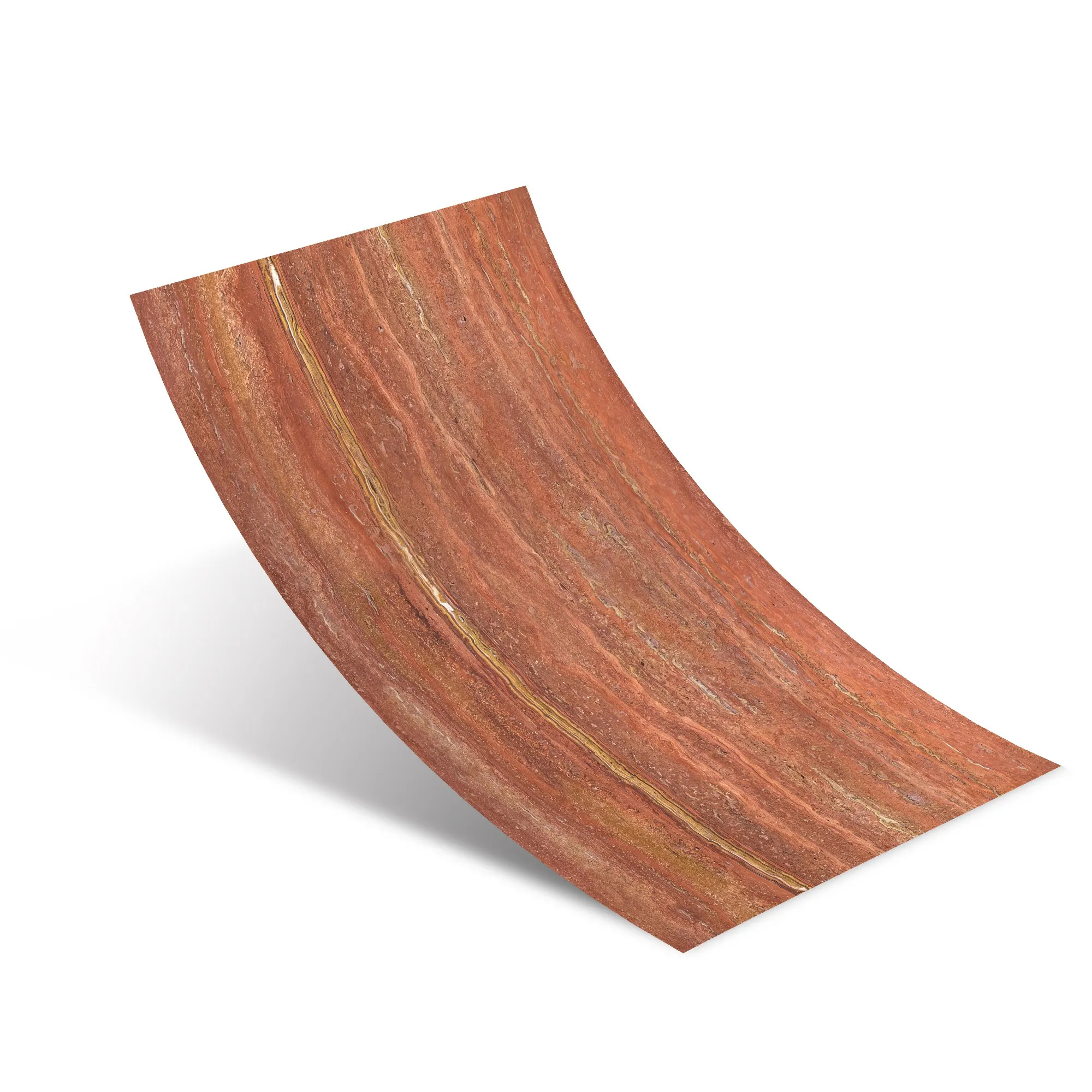
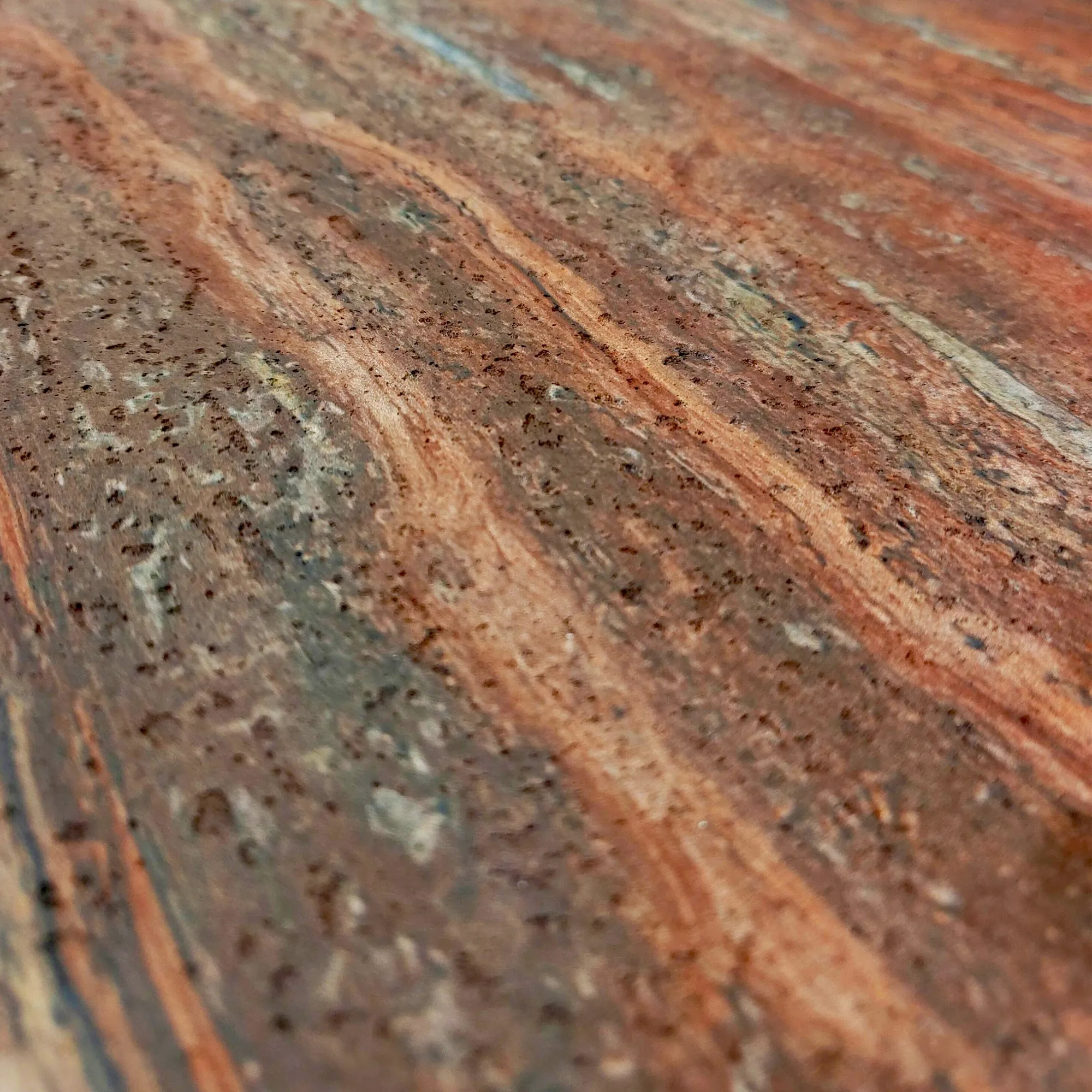
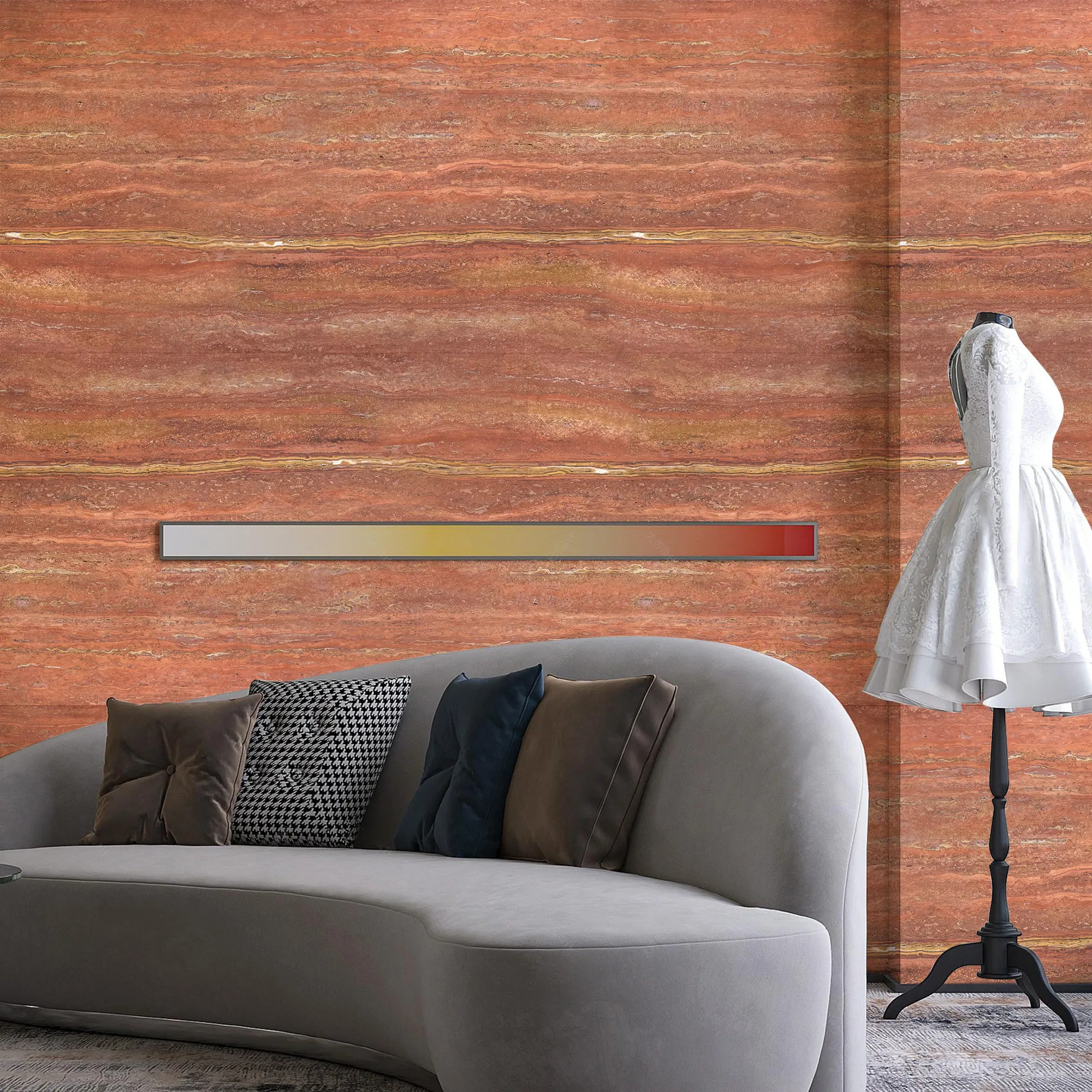
Let's start with the basics. MCM stands for Modified Composite Material, a category of building materials designed to be lightweight, durable, and versatile. When we talk about MCM flexible stone , we're referring to a product that mimics the look and feel of natural stone but with added benefits: it's thinner, easier to install, and—crucially—engineered to emit minimal VOCs. Red Travertine, on the other hand, is a type of natural limestone known for its warm, earthy red tones and unique veining, often used in high-end architecture for its rustic yet elegant appeal.
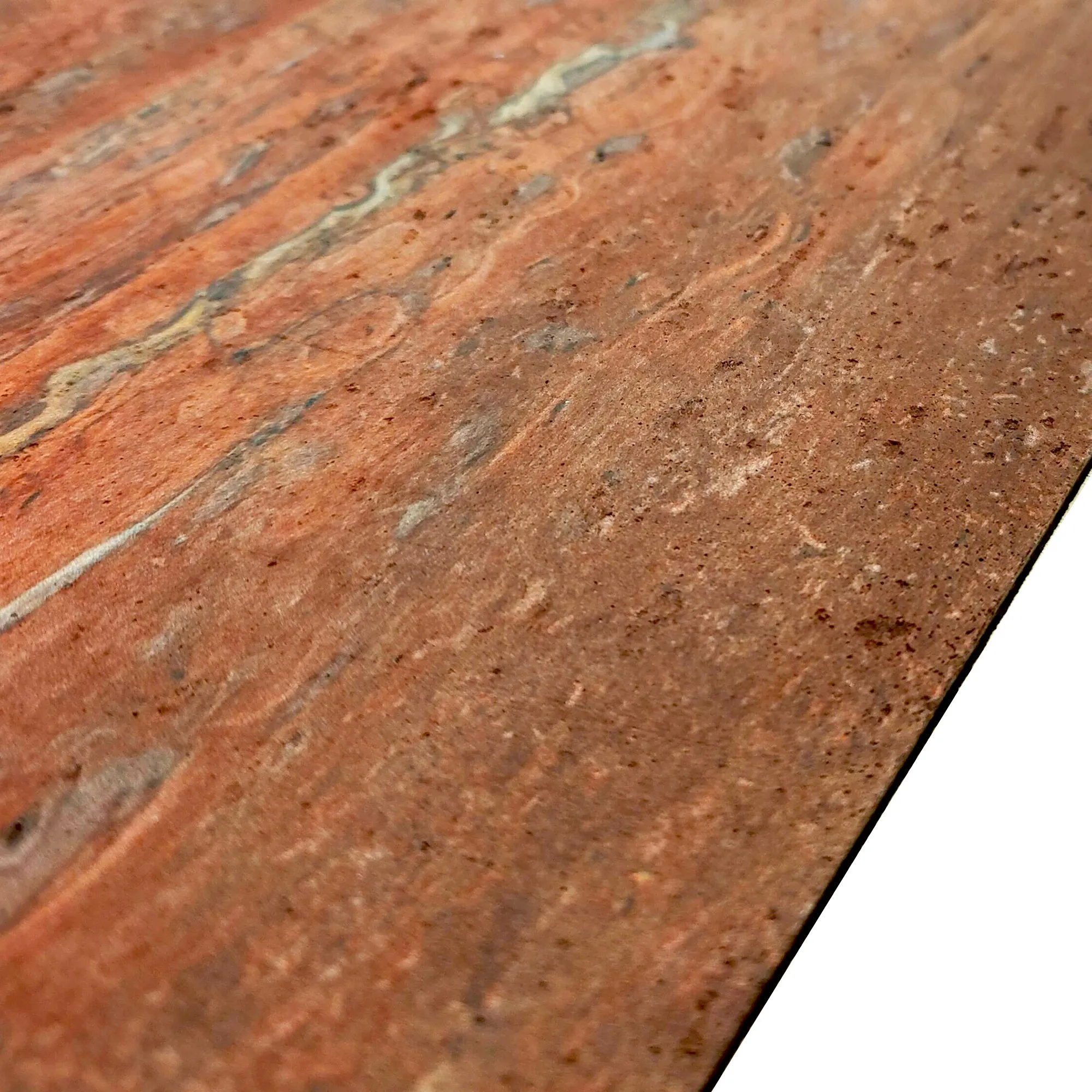
Low-VOC Red Travertine MCM takes the best of both worlds: the natural beauty of Red Travertine and the practicality of MCM. It's made by combining crushed natural stone aggregates (including Red Travertine) with a low-emission polymer binder, then into thin, flexible panels. The result? A material that looks like it was quarried from the earth but behaves like a modern composite—no heavy lifting during installation, no cracking under stress, and most importantly, no harmful fumes seeping into your home's air.
Unlike traditional stone cladding, which can be thick and rigid, MCM flexible stone bends slightly, making it ideal for curved walls, backsplashes, or even furniture accents. And because it's engineered with low-VOC adhesives and curing agents, it meets some of the strictest indoor air quality standards, including GREENGUARD and LEED certifications. This isn't just a "greenwashing" term—it's a promise that your walls won't be quietly polluting your home for years after installation.