
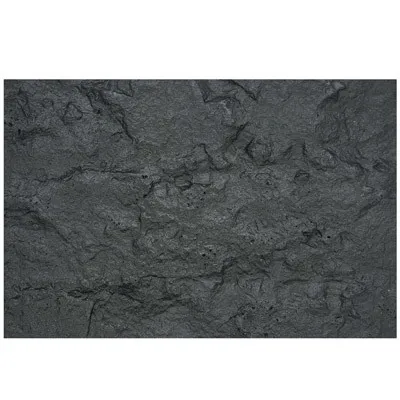
The world of healthcare design is undergoing a profound transformation. For decades, the guiding principle was sterility, often manifesting as stark, white, and impersonal environments. While functional, these spaces often failed to consider the human element—the anxiety of a patient, the stress of a caregiver, the fatigue of a clinician. Today, there's a growing understanding that the physical environment is an integral part of the healing process. The challenge now is to merge clinical-grade performance with human-centric design. How do we create spaces that are not only safe, clean, and durable but also calming, comforting, and aesthetically sophisticated?
This is where material innovation becomes the hero of the story. Architects and designers are seeking materials that can do it all, bridging the gap between rigorous performance requirements and the desire for warm, inviting atmospheres. It's a quest that has led many to explore beyond traditional options, looking for solutions that embody both form and function. This is the very philosophy that drives us at COLORIA GROUP, where we specialize in creating next-generation building materials that solve today's complex design challenges. One of the most exciting applications of this philosophy is in healthcare, and a particular solution, which we call Lunar Peak Black, is setting a new standard for what's possible.
Designing for healthcare is unlike any other architectural discipline. A hospital or clinic is a city in miniature, with high-traffic public areas, intensely private patient rooms, highly controlled sterile zones, and demanding administrative spaces. Each area has its own set of stringent requirements, creating a complex web of design considerations.
First and foremost, a healthcare facility must be a bastion against infection. Hospital-acquired infections (HAIs) are a major concern, and the surfaces within the building are the front line of defense. Traditional materials have significant weaknesses in this regard. For example, ceramic tiles, a long-time staple, come with a glaring vulnerability: grout lines. Grout is porous, absorbent, and notoriously difficult to clean and disinfect completely. Over time, it can crack and crumble, creating microscopic havens for bacteria, mold, and viruses. Similarly, painted drywall can chip and peel, exposing the porous gypsum board underneath, while certain types of natural stone, despite their beauty, can be porous and require sealing, which wears down under the constant assault of harsh hospital-grade disinfectants.
Healthcare environments are tough on buildings. The relentless traffic of gurneys, medical carts, wheelchairs, and footfalls means walls and floors take a constant beating. Corners are chipped, walls are scuffed, and surfaces are scratched. Materials that look pristine on day one can quickly appear worn and tired, detracting from the sense of cleanliness and quality care the facility wants to project. The cycle of repair and replacement is not only costly and disruptive to operations but also creates dust and debris, further challenging hygiene protocols. The ideal material must be robust enough to withstand this daily abuse without showing signs of wear and tear, maintaining its integrity and appearance for years.
Beyond the clinical necessities, there is the human factor. Evidence-based design principles have shown a clear link between the physical environment and patient outcomes. Calming, comfortable, and visually pleasing spaces can reduce stress, lower blood pressure, and even lessen the need for pain medication. The sterile, institutional look of the past is being replaced by a hospitality-influenced approach. Patients are consumers, and their perception of the quality of care is influenced by the quality of the facility. This has led to a desire for more sophisticated design palettes. Designers want to use textures, patterns, and richer color schemes—including dramatic and grounding colors like black—to create feature walls, welcoming lobbies, and spa-like patient bathrooms. The problem is that many high-end aesthetic materials fail to meet the hygiene and durability standards, forcing a compromise between beauty and performance.
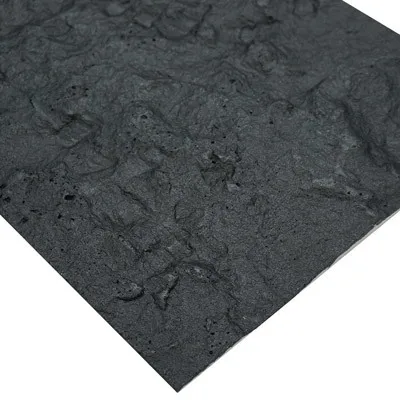
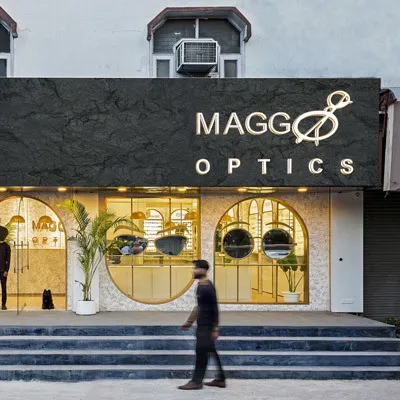
Imagine a material with the soul of ancient rock but engineered for the future. This is the essence of Lunar Peak Black. It is not merely a color; it is a meticulously crafted surface from COLORIA GROUP's advanced product lineup, designed to resolve the healthcare design dilemma. Visually, Lunar Peak Black is a deep, resonant black, imbued with a subtle, organic texture that evokes images of volcanic basalt or a clear, moonless night sky. Its matte finish absorbs light, creating a sense of depth and tranquility, a stark and welcome contrast to the clinical glare of traditional spaces. It feels solid and permanent, yet possesses a visual softness that is both modern and timeless.
At its core, Lunar Peak Black is a prime example of our leading-edge Modified Cementitious Material technology. What is that, you ask? In simple terms, think of it as a revolutionary evolution of concrete and stone. We take natural minerals and raw materials—like soil, sand, and stone powder—and, through a patented low-temperature process, modify and bond them at a molecular level. The result is a material that retains the strength and beauty of stone but is remarkably lighter, more flexible, and vastly more versatile in its application.
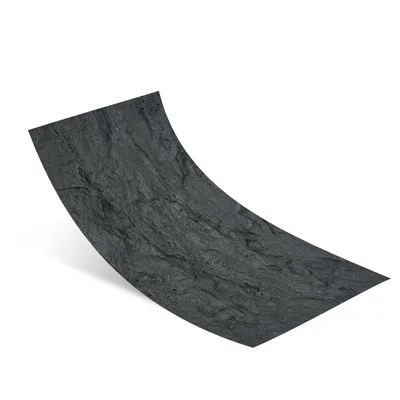
Lunar Peak Black is available in several formats to suit different design needs. For creating vast, seamless feature walls in a lobby or long, uninterrupted surfaces in a corridor, it comes in our MCM big slab board series. These large-format panels, which can be custom-sized, dramatically reduce or even eliminate the need for joints and grout lines—the primary enemies of hygiene. For applications requiring adaptability over curved walls, columns, or custom furniture, Lunar Peak Black is also offered as part of our renowned MCM flexible stone collection. This variation is unbelievably thin and pliable, allowing it to wrap around surfaces where rigid materials like stone or tile could never go, opening up a new universe of design possibilities without compromising on performance.
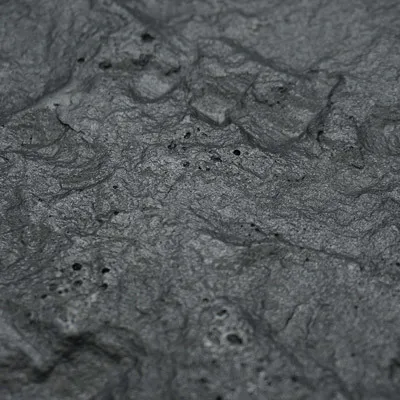
In healthcare, hygiene isn't a feature; it's a non-negotiable requirement. This is where Lunar Peak Black, powered by COLORIA GROUP's MCM technology, truly distinguishes itself from conventional materials. Its hygienic benefits are not an afterthought but are engineered into the very structure of the material.
The single most important hygienic feature of Lunar Peak Black is its non-porous nature. The low-temperature firing and bonding process creates a dense, closed-cell surface. Unlike natural stone with its microscopic fissures or ceramic tile grout with its sponge-like absorbency, there are simply no tiny holes or voids for pathogens to penetrate. Bacteria, viruses, mold, and mildew remain on the surface, where they can be easily and completely wiped away during routine cleaning. This fundamentally changes the game for infection control. It means that "clean" truly means "clean," not just "looks clean."
Pathogens love joints. Seams, grout lines, and corners are breeding grounds for biofilm and are notoriously difficult to disinfect. The MCM big slab board format of Lunar Peak Black is a game-changer. By enabling the creation of expansive, monolithic surfaces with minimal to zero joints, it eliminates these weak points. Imagine a patient room feature wall, a surgical scrub area, or a long hospital corridor without a single grout line. Cleaning becomes faster, more efficient, and far more effective. The smooth, uninterrupted surface ensures that cleaning crews can achieve a higher standard of sanitation with less effort.
Healthcare facilities use a powerful arsenal of cleaning agents and disinfectants to maintain a sterile environment. These chemicals, including bleach, quaternary ammonium compounds, and alcohol-based solutions, can be brutal on ordinary surfaces. Paints can discolor and break down, laminates can delaminate, and even some natural stones can be etched or stained. Lunar Peak Black is engineered to be chemically inert. Its robust composition withstands repeated exposure to the harshest hospital-grade cleaners without fading, staining, or degrading in any way. This ensures that the material not only remains hygienic but also maintains its deep, rich aesthetic integrity for the life of the facility, avoiding the costly cycle of refinishing or replacement.
The very nature of the Modified Cementitious Material—inorganic and lacking any organic nutrients—makes it a poor environment for microbial growth. It doesn't feed mold or bacteria. For facilities requiring the absolute highest level of protection, the formulation of COLORIA GROUP's products can be further enhanced. We have the capability to integrate specialized antimicrobial additives directly into the material matrix during production. This creates a surface that is not just easy to clean but is actively hostile to pathogens, working continuously, 24/7, to inhibit the growth of bacteria and mold, providing an additional layer of security and peace of mind for patients and staff alike.
A beautiful, hygienic surface is only valuable if it stays that way. The physical demands of a healthcare setting can quickly reveal the weaknesses of inferior materials. Lunar Peak Black is engineered for resilience, ensuring that the initial investment in a high-quality environment pays dividends for years and decades to come through minimal maintenance and exceptional longevity.
Think of the daily life of a hospital corridor: gurneys being rushed to the ER, heavy equipment carts making their rounds, wheelchairs navigating corners, and the constant scuff of shoes. This environment demands a material that can take a hit. Lunar Peak Black, derived from our tough Modified Cementitious Material base, boasts exceptional impact and scratch resistance. Unlike painted drywall that dents and chips with the slightest bump, or high-pressure laminate (HPL) that can crack under sharp impact, Lunar Peak Black's solid, through-body composition is far more forgiving. It resists the scratches, scuffs, and abrasions that are an unavoidable part of a high-traffic environment, looking fresh and unblemished long after other materials would require repair or replacement.
This is a quality that surprises many. When people think of a stone-like material, they think of something rigid and brittle. However, one of the most remarkable properties of our MCM technology, particularly in the MCM flexible stone variant, is its inherent flexibility. This isn't about being soft; it's about having the ability to absorb and dissipate energy. Buildings are not static; they experience subtle shifts and settling over time. Rigid materials like large ceramic tiles can crack under these stresses. Lunar Peak Black, however, has a degree of elasticity that allows it to accommodate minor structural movements without cracking. This same property helps it withstand impacts, as it can flex slightly to absorb the force rather than shattering. This makes it an incredibly robust choice for wall cladding, especially on columns or even slightly curved surfaces.
The deep, rich color of Lunar Peak Black is not a surface coating; it's an integral part of the material. The pigments, which are inorganic natural minerals, are mixed in throughout the material's composition. This, combined with its inherent UV resistance, means the color will not fade or yellow over time, even in areas exposed to direct or indirect sunlight, such as lobbies with large windows or patient rooms. Many other materials, particularly plastics, laminates, and certain paints, can show significant color degradation under UV exposure. With Lunar Peak Black, the dramatic and sophisticated aesthetic that was chosen on day one will remain just as vibrant and true in year ten, ensuring the long-term visual integrity of the design.
The true value of a material is revealed in its application. The unique combination of hygiene, durability, and sophisticated aesthetics makes Lunar Peak Black an incredibly versatile solution for nearly every part of a modern healthcare facility. Let's walk through some potential applications:
| Feature | Lunar Peak Black (MCM) | Ceramic Tile | Painted Drywall | Natural Stone Slab |
|---|---|---|---|---|
| Hygiene (Surface) | Excellent (Non-porous) | Poor (Porous Grout) | Poor (Porous, easily damaged) | Good-Fair(Can be porous) |
| Impact Resistance | Excellent | Fair(Brittle, can crack) | Poor (Dents easily) | Good(Heavy but can chip) |
| Maintenance | Very Low (Wipe clean) | High(Grout cleaning/sealing) | High(Repainting/patching) | High(Requires sealing) |
| Seamless Appearance | Excellent (Large format) | Poor (Many grout lines) | Good(Has seams) | Good(Limited by slab size) |
| Flexibility/Crack Res. | Excellent | Poor | Fair | Poor |
| Weight | Lightweight | Medium | Lightweight | Very Heavy |
Lunar Peak Black is a powerful example of what our materials can do, but it represents only a fraction of our capabilities. At COLORIA GROUP, our identity as a one-stop solution provider means we partner with architects, designers, and facility owners to bring their most ambitious visions to life, backed by decades of global industry experience.
While Lunar Peak Black offers a stunning solution, your project's identity is unique. Our entire MCM portfolio is built on the principle of customization. We can adjust color, texture, and finish to match your precise design intent. Need a specific corporate color for a branded environment? We can create it. Want a texture that mimics wood, travertine, or raw silk? Our technology can achieve it. For the ultimate in bespoke design, our MCM 3D Printing series can even produce custom-patterned or logo-embossed panels, allowing for a level of personalization that is simply impossible with traditional materials. Your imagination is the only limit.
Creating healthier environments for people must go hand-in-hand with creating a healthier planet. Our MCM production process is fundamentally green. It consumes significantly less energy than firing ceramic tiles or quarrying and processing natural stone. The primary raw materials are natural and widely available. Furthermore, the products are lightweight. This dramatically reduces the carbon footprint associated with transportation to job sites around the world, from our domestic projects to our partners in Saudi Arabia and beyond. Choosing COLORIA GROUP is a choice for responsible, sustainable design.
With a business footprint that spans the globe, COLORIA GROUP combines world-class innovation with a deep understanding of local market needs. Our experience allows us to navigate the complexities of international projects, ensuring that from specification to installation, the process is smooth and seamless. We are more than just a material supplier; we are a dedicated partner committed to the success of your project and the creation of superior building environments.
Ultimately, the choice of materials in a healthcare setting is a declaration of values. It reflects a commitment to patient safety, staff well-being, and long-term quality. By choosing an advanced solution like Lunar Peak Black, a facility declares that it values not only clinical excellence but also the healing power of thoughtful, sophisticated, and durable design. It is a step towards the future of healthcare, where the environment is no longer a passive backdrop but an active participant in the journey to wellness. And it is in pioneering this future that COLORIA GROUP finds its purpose.
Recommend Products












