


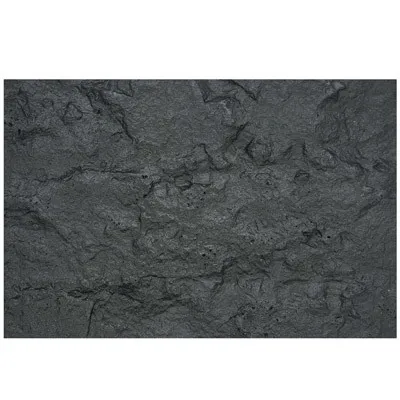
In the world of large-scale construction, architects and developers are constantly juggling three core elements: aesthetic vision, structural integrity, and budget. Yet, there's a fourth, often underestimated, factor that can make or break a project timeline and budget: logistics. The simple act of getting materials from the factory to the job site, especially for towering skyscrapers or sprawling commercial complexes, is a monumental challenge. Traditional materials, beautiful as they may be, often come with the heavy burden of, well, their own weight. This is where innovation steps in. COLORIA GROUP is redefining the equation with its groundbreaking Lunar Peak Black MCM Big Slab , a product that marries stunning design with unprecedented logistical efficiency. This isn't just another cladding option; it's a strategic solution engineered to solve the transportation headache that plagues large projects.
Imagine the facade of a 40-story luxury hotel or a massive international airport terminal. The vision is one of seamless, monolithic elegance. But the reality involves thousands of tons of material, endless truck convoys, heavy-duty cranes, and the constant risk of breakage. Every broken slab of natural stone is a triple loss: the cost of the material itself, the cost of its replacement, and the invaluable time lost waiting for it. This article will dive deep into how the Lunar Peak Black MCM Big Slab directly confronts and conquers these challenges, proving that the most efficient path to architectural beauty is also the smartest.
Chapter 1: Understanding the Game-Changer – What is Lunar Peak Black MCM Big Slab?
Before we break down its logistical advantages, it's crucial to understand what this material actually is. The name itself tells a story. "MCM" stands for Modified Cementitious Material . Forget what you think you know about traditional cement. This is a high-tech composite material born from a revolutionary process. At its core, MCM is an eco-friendly material created from natural ingredients like soil, sand, and stone powder, which are modified and reconstituted at a molecular level. The result is a material that has the soul of stone but the physical properties of a modern marvel.
The "Lunar Peak Black" Aesthetic
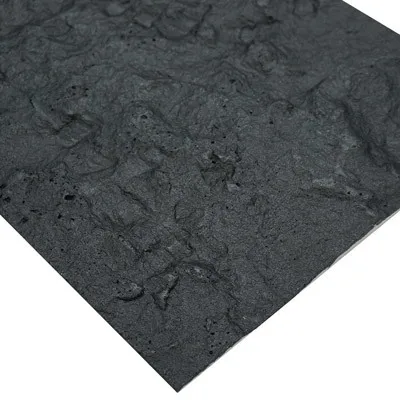
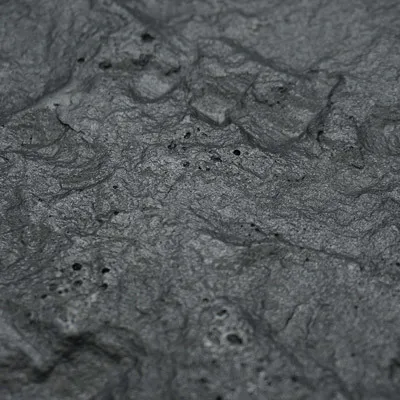
The "Lunar Peak Black" variant is a testament to design sophistication. It's not a simple, flat black. It captures the deep, nuanced darkness of a moonless night sky over a mountain range. There's a subtle texture and depth that gives it a sense of natural, organic character, unlike the sterile feel of some man-made materials. It's designed to make a statement – one of timeless elegance, power, and modernity. For architects looking to create a visually impactful and commanding presence, this finish provides a perfect canvas.
The Power of the "Big Slab"
The term "Big Slab" is key. We're talking about large-format panels that minimize grout lines and seams. This is a major trend in contemporary architecture, aiming for monolithic, uninterrupted surfaces that exude a sense of scale and luxury. Traditionally, achieving this with natural stone is incredibly difficult and expensive. Quarrying, cutting, and transporting massive, fragile slabs of marble or granite is a logistical nightmare. The COLORIA GROUP MCM Big Slab delivers this coveted aesthetic without the associated drawbacks. Its unique composition allows for the creation of large, yet surprisingly lightweight and durable, panels, empowering architects to realize their grand visions without compromise.
Chapter 2: The Billion-Dollar Problem – The Burden of Traditional Material Transport
To truly appreciate the solution, we must first dissect the problem. For decades, the construction industry has accepted the logistical inefficiencies of heavy materials as a necessary evil. Let's quantify what this "evil" actually entails for a large project.
"On a major high-rise project, material logistics can account for a significant percentage of the non-labor budget. It's not just the cost of fuel; it's the cost of time, the cost of specialized equipment, and the crippling cost of breakage."
- Crushing Weight: Natural stone like granite can weigh upwards of 150-180 kg per square meter (at a typical 3cm thickness). This has a massive chain reaction. It requires more fuel to transport, stronger and more expensive cranes to lift, and more robust structural engineering for the building itself to support this "dead load."
- Extreme Fragility: Despite their weight, large, thin slabs of stone are notoriously brittle. They can crack from vibrations during road transport or be chipped during on-site handling. Breakage rates of 5-10% are not uncommon, and for premium, book-matched stone, a single broken slab can be an irreplaceable disaster, causing significant delays.
- Logistical Bottlenecks: A standard truck has a weight limit. The heavier the material, the fewer square meters you can fit per shipment. This means more trucks on the road, more congestion at the delivery site, and a slower unloading process as each heavy, fragile piece is painstakingly moved. This all translates to more time, more labor, and more cost.
Let's put this into perspective with a clear comparison.
| Parameter | Traditional Natural Stone (e.g., Granite) | COLORIA GROUP's MCM Big Slab |
|---|---|---|
| Avg. Weight (per m²) | ~160 kg (at 3cm thickness) | ~8-12 kg (at 5mm thickness) |
| Material Composition | Quarried solid rock | Modified natural powders & soil |
| Transport Load (m² per 20-ton truck) | Approx. 125 m² | Approx. 1,600 - 2,000 m² |
| Breakage Risk during Transit | High (5-10% average) | Extremely Low (inherently flexible) |
| Handling Equipment | Heavy-duty cranes, multiple personnel | Manual lift by 2 workers, lighter machinery |
| Installation Speed | Slow and meticulous | Significantly faster and simpler |
The numbers in the table speak for themselves. You can transport over ten times the surface area of MCM Big Slabs on a single truck compared to traditional stone. This isn't a minor improvement; it's a complete paradigm shift in project logistics.
Chapter 3: The Solution in Action – How MCM Big Slabs Streamline Transportation
The Lunar Peak Black MCM Big Slab dismantles the logistical problems of traditional materials piece by piece, starting with its most powerful attribute: its light weight.
The Power of Being Lightweight
At a fraction of the weight of stone, the immediate impact is on freight costs. Consider a project requiring 20,000 square meters of facade material. For traditional granite, this would necessitate approximately 160 truckloads. For the MCM Big Slab, the same area could be transported in as few as 10-12 truckloads. The savings are astronomical, not just in direct fuel and transport fees, but in associated costs: fewer drivers, less time spent on paperwork and scheduling, and a dramatically reduced carbon footprint. This makes MCM an inherently eco-friendly building materials choice even before considering its composition.
Inherent Durability and Flexibility: The End of Breakage Anxiety
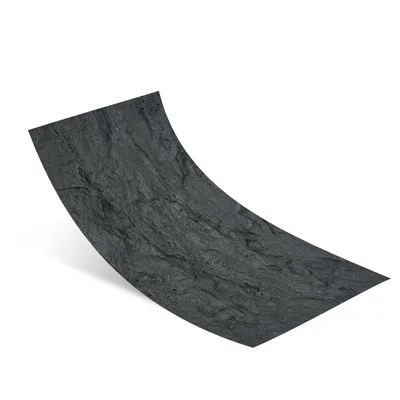
The "Modified" in MCM is where the magic happens. Unlike stone, which is rigid and crystalline, MCM has a degree of inherent flexibility. It can absorb vibrations and minor impacts during shipping that would instantly crack a granite or marble slab. This resilience virtually eliminates the cost and delay associated with breakage. When a shipment of MCM Big Slabs arrives on site, project managers can be confident that what they ordered is what they received, intact and ready for installation. This reliability is priceless in a tightly scheduled construction environment.
Simplified On-Site Handling
The efficiency gains don't stop when the truck arrives. Unloading 160 tons of granite is a slow, dangerous, and crane-intensive operation. Unloading 10 tons of MCM is a world apart. Panels can often be handled by a small crew of two workers, moved around the site with simple dollies, and sent up the building on standard material hoists rather than requiring dedicated crane time. This frees up heavy machinery for other critical tasks, accelerates the entire installation workflow, and creates a safer work environment for everyone on site.
Chapter 4: The Ripple Effect – Benefits Beyond the Truck
The transportation efficiency of the Lunar Peak Black MCM Big Slab creates a powerful ripple effect that flows through every subsequent phase of the construction project.
Structural and Engineering Savings
A building's structure has to support everything attached to it. The massive weight of a traditional stone facade (the "dead load") requires a stronger, more robust, and therefore more expensive, steel or concrete frame and foundation. By choosing a lightweight cladding like MCM, architects and engineers can potentially reduce the amount of structural material needed for the entire building. These savings in steel and concrete can be substantial, further offsetting the material cost and contributing to a more efficient and sustainable design.
Design Freedom and Architectural Versatility
When logistics are no longer a primary constraint, designers are set free. They can confidently specify vast, sweeping surfaces of Lunar Peak Black, knowing that it's feasible to transport and install. This allows for more ambitious and creative designs. It also opens up possibilities for retrofitting older buildings, where adding tons of heavy stone might be structurally impossible. The lightweight nature of MCM Big Slabs makes it an ideal solution for recladding and modernizing existing structures without needing to extensively reinforce them.
A Word on Complementary Solutions
It's important to note that the MCM Big Slab is part of a larger ecosystem of solutions from COLORIA GROUP. For projects that involve complex curves, columns, or intricate detailing where a rigid slab won't work, our Flexible Stone series comes into play. This sister product offers the same aesthetic and lightweight benefits but in a pliable sheet format that can wrap around almost any shape. The Big Slab provides the grand, monolithic planes, while the Flexible Stone handles the details, creating a complete and cohesive material palette for any architectural challenge.

Conclusion: A Smarter Way to Build
The Lunar Peak Black MCM Big Slab is far more than just a beautiful face for a building. It represents a fundamental shift in how we approach construction logistics. By engineering a material that is simultaneously aesthetically striking, incredibly lightweight, and impressively durable, COLORIA GROUP has created a powerful tool for architects, developers, and builders.
The choice of a facade material is no longer just a design decision. It's a strategic logistical decision. Choosing the MCM Big Slab is a choice for fewer trucks, lower fuel costs, zero breakage, faster installation, safer worksites, and greater design freedom. It is the physical embodiment of the principle "work smarter, not harder." In an industry where every dollar and every day counts, this level of transportation and handling efficiency isn't just a benefit—it's a revolution. It proves that the path to creating breathtaking, large-scale projects doesn't have to be paved with logistical compromises and unforeseen costs. It can be smooth, efficient, and intelligent.










