
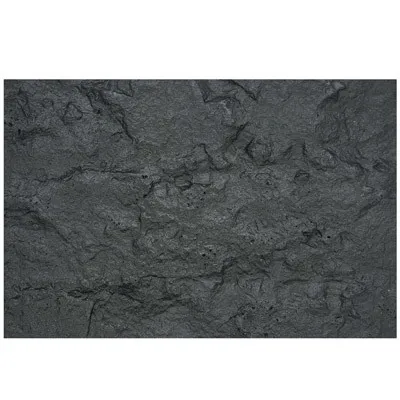
In the world of architecture and design, the choice of materials is everything. It defines the character, longevity, and soul of a structure. For centuries, natural stone has been the go-to choice for creating a sense of permanence and luxury. Among these, dark stones like basalt hold a special place, revered for their deep, commanding presence. They speak of volcanic power and timeless elegance. But as our building ambitions grow taller and our designs more complex, are these traditional materials still the undisputed champions?
Enter the modern challenger: Lunar Peak Black. This isn't just another stone alternative; it's a leap forward in material science, engineered by COLORIA GROUP to capture the profound beauty of dark stone while overcoming its inherent limitations. As a premier one-stop solution provider in the architectural materials space, COLORIA GROUP has dedicated decades of expertise to innovating for the future of construction.
This article is for the forward-thinking architect, the meticulous builder, and the discerning property owner. We're going on a deep dive, a head-to-head comparison between the age-old allure of basalt and the cutting-edge performance of Lunar Peak Black. It's a clash of tradition and innovation, and by the end, you'll have a clear understanding of which material is truly fit for the demands of modern construction.
Before we can compare, we need to truly understand what we're looking at. What are the origins, properties, and fundamental characteristics of these two powerful materials?
Basalt is a story written by the Earth itself. It's an igneous rock, formed from the rapid cooling of lava flows on the planet's surface. Think of ancient volcanoes spewing molten rock, which then hardens into a dense, fine-grained mass. This geological process gives basalt its signature characteristics: a dark, often black or grey color, and a solid, substantial feel.
For thousands of years, humans have harnessed its strength. The Romans used it for paving roads and building temples. Ancient civilizations carved monuments from it. Its use in architecture has always signified strength, stability, and a deep connection to the natural world. When you see a building clad in basalt, it feels grounded, powerful, and enduring.
The aesthetic appeal is undeniable. Its uniform darkness provides a dramatic backdrop that makes other design elements pop. However, this natural origin story also comes with a list of challenges that have become more pronounced in the context of contemporary building practices. It's incredibly heavy, making it a logistical and structural nightmare for large or tall projects. Its formation can leave it porous, making it susceptible to staining and water damage if not meticulously sealed. And the very nature of quarrying means that slab sizes are limited, and consistency can be a game of chance. While beautiful, basalt often forces design and construction to bend to its will, not the other way around.
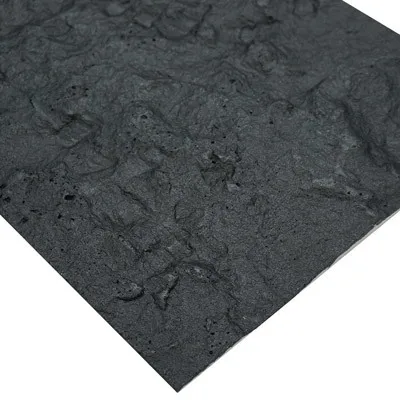
Lunar Peak Black, a flagship product from COLORIA GROUP, is born from a different kind of ingenuity: material science. It is a prime example of a revolutionary category of materials known as Modified Cementitious Material (MCM). Don't let the technical name intimidate you. The concept is elegantly simple: take natural, inorganic ingredients—like soil, sand, and cement powders—and combine them with a small amount of water-based polymers under precise conditions of temperature and pressure.
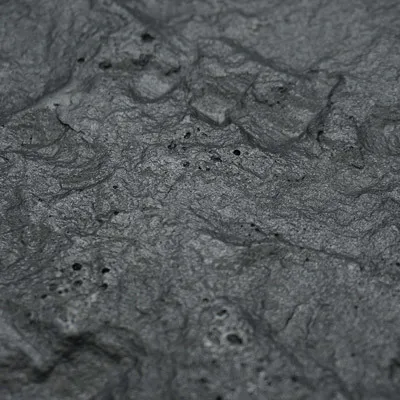
The result is not a plastic or a synthetic resin. It's a new form of "earth," fundamentally composed of the same elements as the ground beneath our feet, but re-engineered to have superior performance. Lunar Peak Black is specifically formulated to embody the deep, rich aesthetic of premium basalt, but it's crafted, not quarried. This manufacturing process gives it a level of control and consistency that nature simply can't offer.
As part of the MCM Big Slab Board Series , it can be produced in massive, yet incredibly lightweight and relatively thin panels. This immediately solves the weight and size limitations of its natural counterpart. The technology behind Modified Cementitious Material allows for a product that is not only visually stunning but also flexible, durable, and far more sustainable. It represents COLORIA GROUP's core philosophy: to provide architects and builders with solutions that unlock creative freedom and solve real-world construction challenges.
Now, let's put these two materials side-by-side and scrutinize their performance across the metrics that matter most in any construction project. We'll examine everything from aesthetics and installation to long-term durability and environmental impact.
| Performance Metric | Basalt Stone (Traditional) | Lunar Peak Black (MCM by COLORIA GROUP) |
|---|---|---|
| Aesthetics & Design Flexibility | Authentic natural look, but prone to color/texture inconsistencies. Slab size is limited by quarrying, creating more seams on large surfaces. Difficult to shape into complex forms. | Lunar Peak Black"> Highly consistent color and texture for a uniform, monolithic appearance. Available in large formats in the MCM Big Slab Board Series. Can be customized with unique textures, and flexible versions can wrap curves. |
| Weight & Structural Load | Extremely heavy (approx. 2800-3000 kg/m³). Requires substantial, costly structural reinforcement and a robust foundation. Limits use in high-rise buildings and renovations. | Lunar Peak Black"> Exceptionally lightweight (approx. 4-8 kg/m² depending on thickness). Drastically reduces structural load, foundation requirements, and reinforcement costs. Ideal for high-rises and retrofitting over existing surfaces. |
| Durability & Weather Resistance | Hard and durable, but can be brittle and chip. Porosity makes it susceptible to water absorption, freeze-thaw cracking in cold climates, and staining without regular sealing. | Lunar Peak Black"> Excellent impact resistance and flexibility, reducing risk of cracking. Very low water absorption, making it impervious to freeze-thaw damage. Class A fire-rated, UV resistant, and colorfast. |
| Installation Process & Cost | Labor-intensive and slow. Requires heavy lifting equipment, specialized cutting tools, and anchoring systems. High transportation and labor costs. Significant on-site waste. | Lunar Peak Black"> Fast, simple, and cost-effective. Easily cut on-site with standard tools. Can be installed with adhesive, reducing labor time and complexity. Low transportation costs due to light weight. Minimal waste. |
| Maintenance & Longevity | Requires periodic, often costly, sealing to prevent staining and water damage. Cleaning can be difficult if the surface is porous or has become etched by acidic substances. | Lunar Peak Black"> Virtually maintenance-free. Requires no sealing. Surface is non-porous and resistant to common stains. Easily cleaned with just water and mild detergent. Maintains its appearance for decades. |
| Environmental Impact | High environmental cost. Quarrying destroys landscapes and ecosystems. High energy consumption for extraction and processing. Heavy weight leads to high carbon emissions during transportation. | Lunar Peak Black"> Low-impact and sustainable. Made from natural and often recycled materials. Low-energy production process (unfired). Lightweight nature dramatically cuts transportation emissions. A green building solution. |
There's no denying the raw, authentic beauty of a piece of basalt. Each slab tells a billion-year-old story. However, this uniqueness is a double-edged sword in large-scale architectural projects. The veining, color tone, and texture can vary significantly from one slab to another, and even within the same slab. Achieving a seamless, monolithic look across a large facade can be a frustrating puzzle of sorting and matching, often with disappointing results. Furthermore, the sheer rigidity and weight of basalt make it hostile to creative geometries. Curved walls, complex angles, and organic shapes are either impossible or prohibitively expensive to achieve.
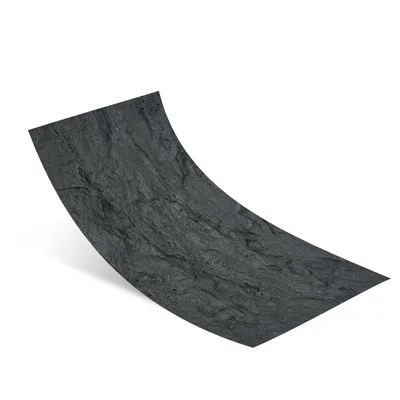
This is where Lunar Peak Black completely redefines the game. Its manufacturing process ensures unparalleled consistency. Every panel of Lunar Peak Black is a perfect match in color and texture, allowing architects to design vast, unbroken surfaces that exude a sleek, modern, and powerful minimalism. As a key product in the MCM Big Slab Board Series , it offers formats that dwarf traditional stone slabs, minimizing seams and maximizing visual impact. But the innovation doesn't stop at flat surfaces. The underlying MCM technology is incredibly versatile. For projects requiring intricate textures or custom patterns, COLORIA GROUP's capabilities in its 3D Printing Series can emboss unique designs directly onto the material, something unimaginable with natural stone. And for those ambitious curved facades or interior columns? The MCM Flexible Stone series, which shares the same DNA, can be bent and wrapped around surfaces, truly liberating the design process from the constraints of the material.
This is perhaps the most dramatic point of difference. Basalt is a heavyweight champion, and not in a good way. With a density of around 2,800 to 3,000 kilograms per cubic meter, cladding a building in basalt is like asking it to wear a suit of armor. The structural implications are enormous. The building's steel or concrete frame must be over-engineered to support this massive dead load. Foundations need to be deeper and more robust. This doesn't just add immense cost to the material and labor budget; it fundamentally limits where basalt can be used. For high-rise buildings, the cumulative weight can be a non-starter. For renovation projects, adding that much weight to an existing structure is often structurally unfeasible.
Lunar Peak Black, on the other hand, is the featherweight. A typical panel might weigh only 5-6 kg per square meter. That's a reduction in weight of over 90% compared to a solid basalt slab of similar coverage. The benefits are transformative. Structural support requirements are drastically reduced, saving enormous amounts on steel, concrete, and engineering. Transportation costs plummet. Handling on-site becomes a simple, two-person job rather than a crane operation. For high-rise facades, it's the perfect solution, allowing for the desired stone aesthetic without the weight penalty. For renovations, its thin and light profile means it can often be installed directly over the top of old, tired facades, breathing new life into a building with minimal disruption and structural intervention.
Basalt is hard, but hardness can equate to brittleness. It can chip or fracture under impact. The bigger concern is its porosity. Left unsealed, it acts like a sponge, soaking up water. In colder climates, this leads to the destructive freeze-thaw cycle, where trapped water freezes, expands, and cracks the stone from within. Its porous nature also makes it a magnet for stains from pollution, oils, and acid rain.
Lunar Peak Black's composition as a Modified Cementitious Material makes it inherently superior in this regard. It is flexible, giving it a high degree of impact resistance—it's more likely to flex than to shatter. Its micro-structure results in extremely low water absorption, effectively eliminating the risk of freeze-thaw damage. This makes it a reliable choice for any climate, from the hot, humid coasts to the freezing northern winters. It also boasts a Class A fire rating, the highest level of fire resistance, and is formulated with UV-resistant pigments, ensuring its deep black color won't fade or discolor over time, even under intense sun—a key consideration for projects in regions like Saudi Arabia, where COLORIA GROUP has a strong presence.
Regarding installation, the contrast is just as stark. Installing basalt is a slow, methodical, and expensive process. It requires heavy-duty anchoring systems drilled into the structure, specialized diamond-blade saws, and cranes for lifting. The process generates noise, dust, and significant material waste. Lunar Peak Black simplifies everything. It can be easily cut to size on-site using a simple ceramic cutter or angle grinder. It is typically installed using a high-strength, specially formulated adhesive, directly onto a prepared substrate. The speed and simplicity of this process can shave weeks or even months off a project schedule, resulting in substantial savings on labor and equipment rental.
In an era of increasing environmental awareness, the lifecycle of our building materials matters more than ever. The story of basalt begins with quarrying—a process that involves blasting, cutting, and removing massive chunks of rock from the earth, leaving permanent scars on the landscape. This, combined with the energy-intensive processing and the high carbon footprint of transporting such a heavy material around the world, gives basalt a significant environmental toll.
Lunar Peak Black offers a far more responsible narrative. Its primary components are natural soils and mineral powders, which can be sourced responsibly. The production process occurs at low temperatures, consuming a fraction of the energy required for quarrying stone or firing traditional ceramics. Perhaps most significantly, its lightweight nature means that transporting it from the factory to the construction site emits drastically less CO2. It represents a move toward green building, allowing for stunning architectural statements without compromising our environmental values. This sustainable aspect is a core feature across the entire MCM product family, including the versatile MCM Flexible Stone .
Long-term value is not just about initial cost, but the total cost of ownership. Basalt requires a commitment to regular, and often expensive, maintenance in the form of chemical sealing to protect it. Lunar Peak Black is a "fit-and-forget" solution. It requires no sealing and its non-porous surface is easy to clean, resisting the buildup of dirt and grime. This low-maintenance profile, combined with its longevity and durability, ensures that the building looks as good in year twenty as it did on day one, with minimal ongoing cost.
The choice between basalt and Lunar Peak Black isn't about one being "good" and the other "bad." It's about choosing the right tool for the job. So, when does each material make the most sense?
Despite its challenges, basalt still has its place. For certain projects, its unadulterated authenticity is non-negotiable. This might include:
For the vast majority of modern construction projects, Lunar Peak Black offers a compelling combination of aesthetics, performance, and value. Its versatility is its greatest strength, making it the superior choice for:
Choosing a material is only part of the equation. Choosing the right partner is just as critical. COLORIA GROUP isn't just a company that manufactures MCM products; it is a dedicated one-stop solution provider for the architectural industry. With decades of experience and a global footprint that includes dedicated service in markets like Saudi Arabia, we understand the unique challenges of projects both large and small.
Our commitment goes beyond simply delivering a product. We work alongside architects, designers, and contractors from the initial concept to the final installation. We provide technical support, logistical expertise, and a deep understanding of how our materials can be used to their fullest potential. Our comprehensive portfolio, from the massive panels of the MCM Big Slab Board Series to the incredible adaptability of our MCM Flexible Stone and the bespoke possibilities of our 3D Printing Series , means we have a solution for virtually any design challenge.
By partnering with COLORIA GROUP, you are choosing a team dedicated to innovation, quality, and turning your architectural vision into a stunning, durable, and sustainable reality.
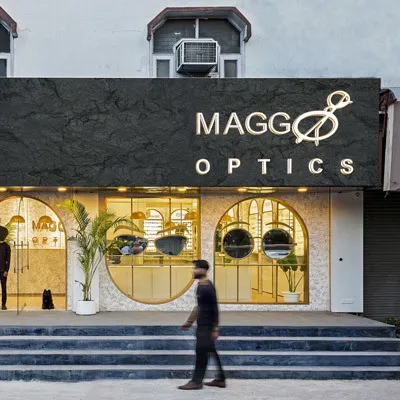
The legacy of basalt stone is written in history, a testament to its enduring strength and beauty. But architecture does not stand still. It evolves, reaching higher, demanding more, and becoming more conscious of its impact on the planet.
In the comparison between traditional basalt and Lunar Peak Black, a clear winner for the modern era emerges. While basalt is bound by the limitations of its natural origin—weight, size, inconsistency, and environmental cost—Lunar Peak Black soars past these constraints. It delivers the powerful, sophisticated aesthetic that designers crave, but in a package that is lighter, stronger, more versatile, and vastly more sustainable.
It is a material that empowers creativity rather than restricting it. It is a solution that respects project budgets and timelines. It is a choice that looks to the future. For your next project, when you envision the deep, commanding elegance of dark stone, look beyond tradition. Look to the innovation, performance, and limitless potential of Lunar Peak Black by COLORIA GROUP.
Recommend Products












