
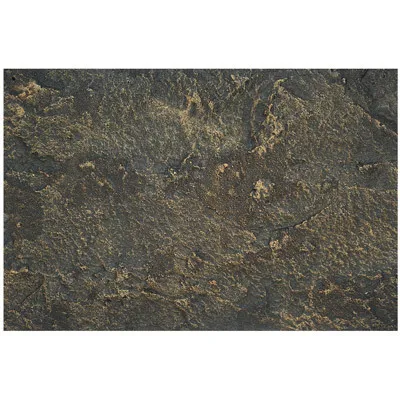
Ensuring the longevity and beauty of your premium architectural materials
Why bother with maintenance? Simple: it extends product life, maintains aesthetic appeal, protects your investment, and keeps the green promise of our sustainable materials alive. Regular care also ensures the material's properties, like water resistance and color fastness, remain intact.
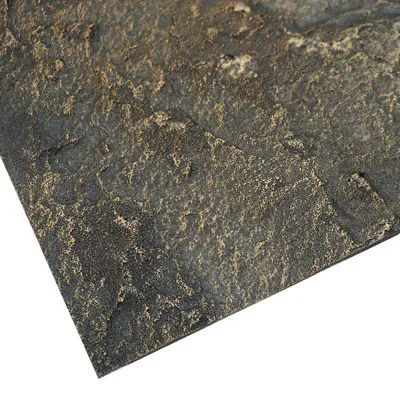
For general dust and light grime, a soft, dry cloth or a microfiber duster is your best friend. Just a quick wipe-down can prevent dust buildup that might dull the surface over time. If there's a slight smudge or fingerprint, a damp cloth (water only!) can usually take care of it. Always follow up with a dry cloth to prevent water spots, especially on darker finishes.
Accidents happen! For mild spills like coffee, juice, or light food splatters, act fast. Gently wipe the spill with a soft, damp cloth. If the stain persists, you can use a very mild, pH-neutral cleaner diluted in water. Think dish soap, but just a tiny drop. Apply to the cloth, not directly to the MCM surface. Work in small circular motions, then rinse the cloth thoroughly with clean water and wipe again to remove any soap residue. Finish by drying the area completely.
This is a big one! Harsh chemicals, abrasive pads, steel wool, or anything that can scratch the surface are absolute no-gos. MCM is durable, but aggressive scrubbing or chemical exposure can damage the finish, alter the color, or even compromise the material's integrity. Stay away from bleach, ammonia-based cleaners, strong acids, or solvents like paint thinner.
| Stain Type | Recommended Approach | Important Notes |
|---|---|---|
| Grease/Oil Stains |
For fresh stains, blot immediately with a clean, dry cloth. For set-in stains, apply a small amount of mild degreaser (specifically designed for architectural surfaces, pH-neutral) diluted with water onto a soft cloth. Gently rub the area, then rinse thoroughly with clean water and dry. |
Avoid harsh chemical degreasers that may strip the finish. Test in an inconspicuous area first. Act quickly before oil penetrates deeply. |
| Ink/Marker Stains |
Try rubbing alcohol on a cotton swab or soft cloth. Dab gently, don't rub aggressively, to lift the stain. Change swabs frequently to avoid spreading the ink. Rinse with clean water and dry. |
Always test alcohol in a hidden spot first as it can sometimes affect certain finishes. For permanent marker, results may vary. |
| Mold/Mildew |
Mix a solution of white vinegar and water (1:1 ratio) or a very mild, non-chlorine bleach solution (e.g., oxygen bleach) in a heavily diluted form. Apply with a soft brush or cloth, let it sit for a few minutes, then scrub gently. Rinse thoroughly. |
Ensure good ventilation. Do not mix bleach with other cleaners. For exterior surfaces, consider pressure washing on a very low setting if absolutely necessary, but gentle scrubbing is safer. |
| Scuff Marks |
Often, a pencil eraser can gently remove light scuff marks. For more stubborn marks, a non-abrasive household cleaner (pH-neutral) applied with a soft cloth might work. Rub gently, then wipe clean and dry. |
Avoid rubbing too hard, as this could damage the surface texture. Do not use abrasive cleaners or scouring pads. |
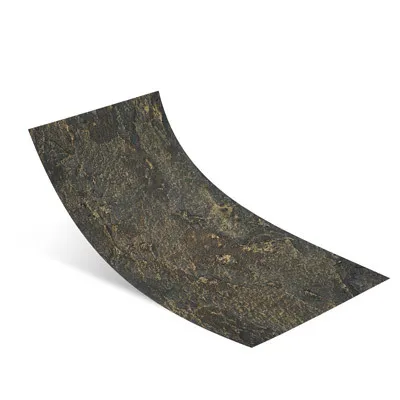
While MCM is inherently resistant to water and many stains, applying a breathable, high-quality penetrating sealer can offer an extra layer of protection, particularly for exterior applications, kitchen backsplashes, or bathroom walls where moisture and potential staining are more prevalent. Choose a sealer specifically designed for porous stone or cementitious materials, ensuring it won't alter the color or finish of your MCM. Always follow the manufacturer's instructions for application and reapplication frequency.
Though durable, MCM isn't indestructible. Avoid sharp impacts from heavy objects. For flooring applications (if applicable), consider using felt pads under furniture legs. In high-traffic areas, or areas prone to scratching, consider protective mats or rugs.
Our MCM is formulated with excellent UV resistance to prevent fading. However, in extremely sunny climates (like where our Saudi Arabian partners operate!), prolonged, direct exposure over decades can still have a minor impact. Regular cleaning helps remove environmental pollutants that might accelerate surface degradation. Using a high-quality UV-resistant sealer can also add an extra layer of defense.
Efflorescence is a white, powdery deposit that can sometimes appear on cement-based materials. It's caused by soluble salts migrating to the surface and crystallizing. If you notice this, it's usually an aesthetic issue and can be removed with a stiff brush and clean water. For persistent efflorescence, a diluted solution of white vinegar or a specialized efflorescence remover can be used, always followed by a thorough rinse. Proper installation with adequate drainage helps prevent this.
In the unlikely event of a chip or crack, depending on its size and location, repairs are often possible. Small chips can sometimes be filled with a matching epoxy or repair compound. For larger damage, it's best to consult with a professional installer or contact COLORIA GROUP directly. We can advise on the best course of action, which might involve partial replacement, especially for specialized elements like our MCM 3D Printing Series where precise color and texture matching are crucial.

After winter, give your exterior MCM a good rinse. Remove any accumulated dirt, pollen, or debris. Inspect for any signs of mold, mildew, or general grime. This is a good time to reapply any recommended sealers if their reapplication cycle is due.
Before winter sets in, ensure your MCM surfaces are clean and free of organic matter (leaves, dirt). This prevents moisture from being trapped against the surface during freezing temperatures, which, while MCM is freeze-thaw resistant, is still good practice for overall longevity.
Our MCM is highly water-resistant. However, ensuring proper drainage around your building is always important to prevent standing water against any building material. For snow, avoid using metal shovels or de-icing salts directly on the MCM surface. A plastic shovel or broom is a safer bet.
Recommend Products












