


In the world of modern architecture and construction, a constant, delicate dance is being performed. It's the dance between breathtaking aesthetics and profound environmental responsibility. For decades, the two seemed to exist on separate planes. A visually stunning building often came with a hefty environmental price tag, while "green" materials sometimes meant compromising on design vision. That era is thankfully drawing to a close. Today, the industry's leaders are not just asking, "How can we build beautifully?" but "How can we build better, smarter, and more sustainably?"
This shift in mindset has propelled standards like LEED (Leadership in Energy and Environmental Design) to the forefront, turning them from niche considerations into industry benchmarks. At the same time, it has spurred incredible innovation in building materials. This is where companies like COLORIA GROUP step into the spotlight. As a dedicated one-stop solution provider, we've built our reputation on bridging that gap between design and sustainability. Our focus isn't just on delivering materials; it's on delivering forward-thinking solutions that empower architects and developers to realize their most ambitious projects without compromising our planet's future.
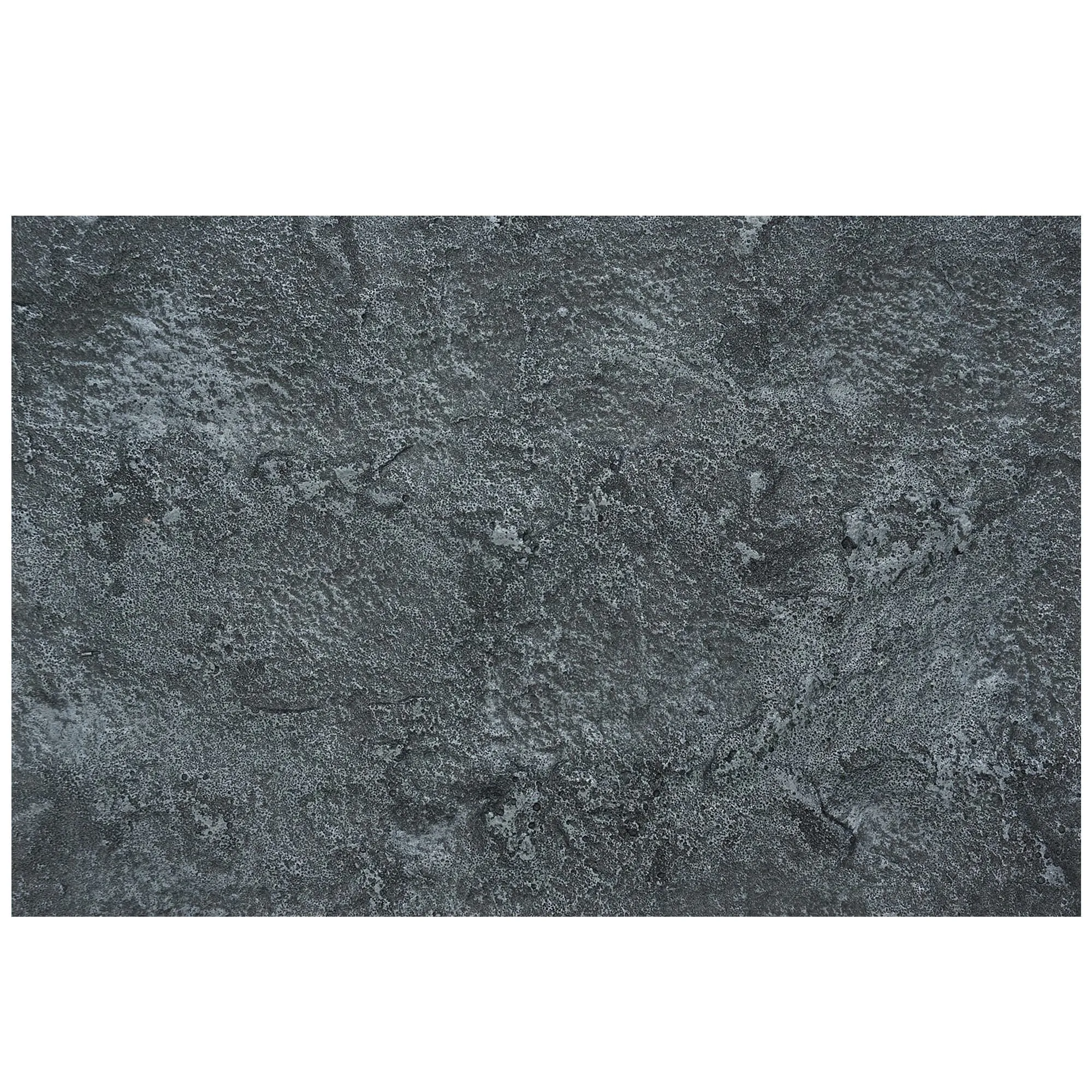
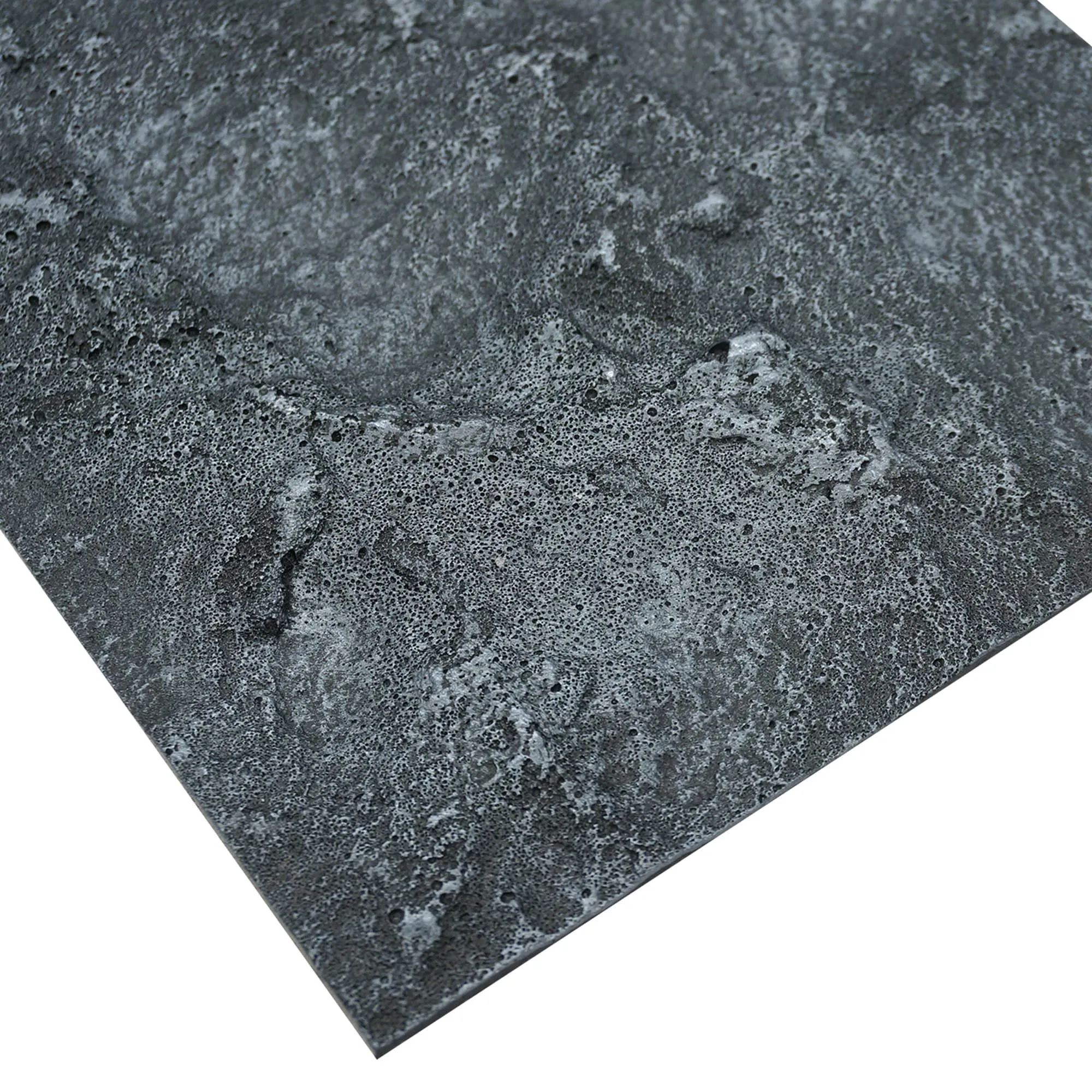
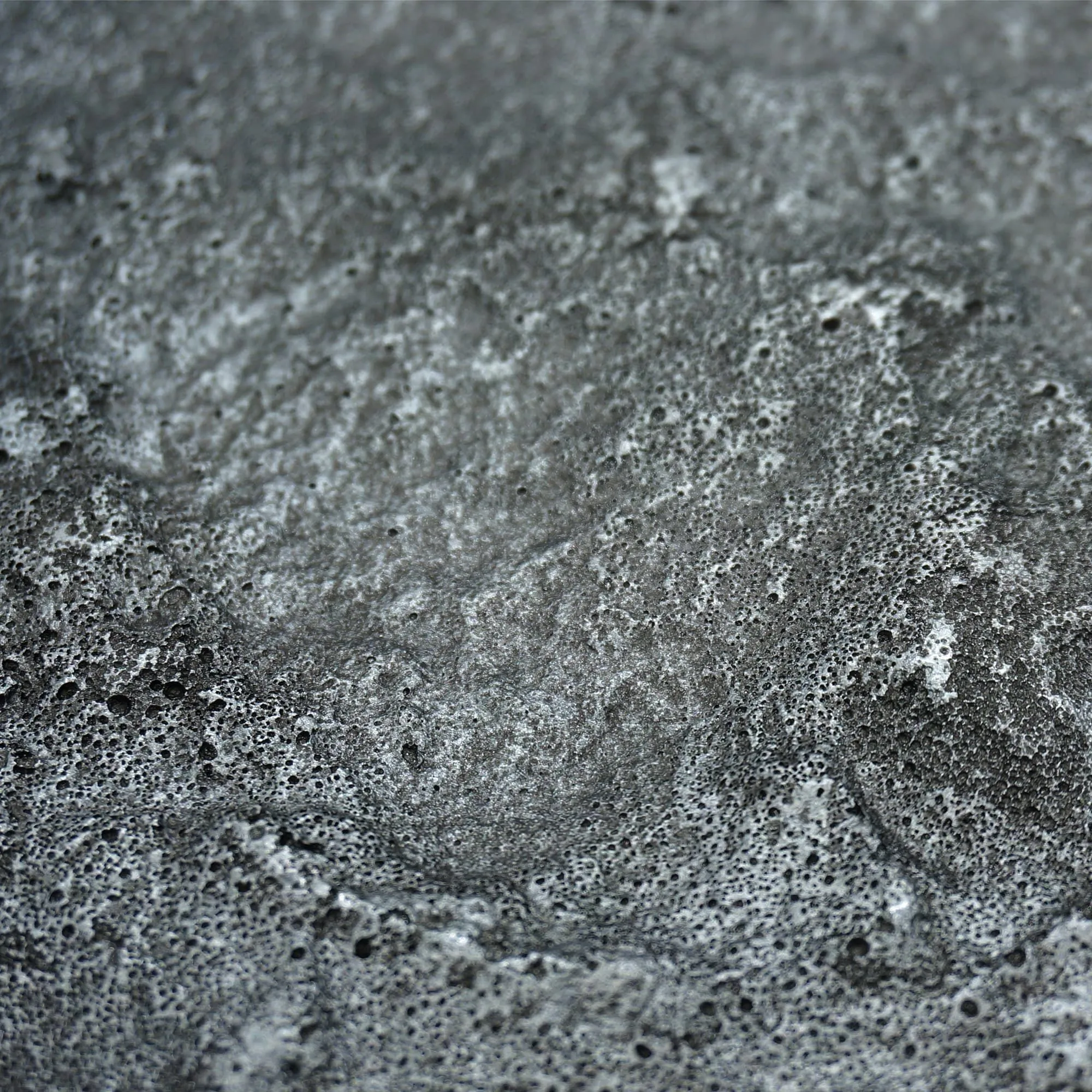
Central to this mission is our flagship product line: MCM, or Modified Cementitious Material. And within this innovative family, a particular finish is capturing the imagination of designers—the Lunar Peak Silvery. It evokes the cool, ethereal shimmer of moonlight on a distant mountain, offering a sophisticated and contemporary finish. But its beauty is far more than skin deep. This article will dive deep into how a material like COLORIA GROUP's Lunar Peak Silvery MCM isn't just an aesthetic choice, but a strategic tool for achieving prestigious LEED certification and championing the very essence of sustainable construction.
Decoding MCM: The Material Redefining Surfaces
Before we connect the dots to LEED points, it's crucial to understand what MCM is and why it's such a revolutionary product. The term "Modified Cementitious Material" might sound technical, but the concept is beautifully simple and earth-friendly. Imagine taking the basic components of our planet—natural soil, stone powder, and other mineral fragments—and using advanced technology to reform them into a new kind of building material. That's the core of MCM.
From Earth, For Buildings
Unlike traditional materials that require intense, high-temperature firing (like ceramics, which are fired at over 1200°C) or destructive quarrying (like natural stone), MCM's manufacturing process is remarkably gentle on the environment. It involves a low-temperature firing process (typically around 100-150°C), which consumes significantly less energy and results in near-zero emissions. This process polymerizes the natural ingredients, creating a material that is both incredibly durable and surprisingly flexible.
The result is a product line with unparalleled versatility. At COLORIA GROUP, this technology has been harnessed to create a diverse range of products, each tailored for specific architectural needs:
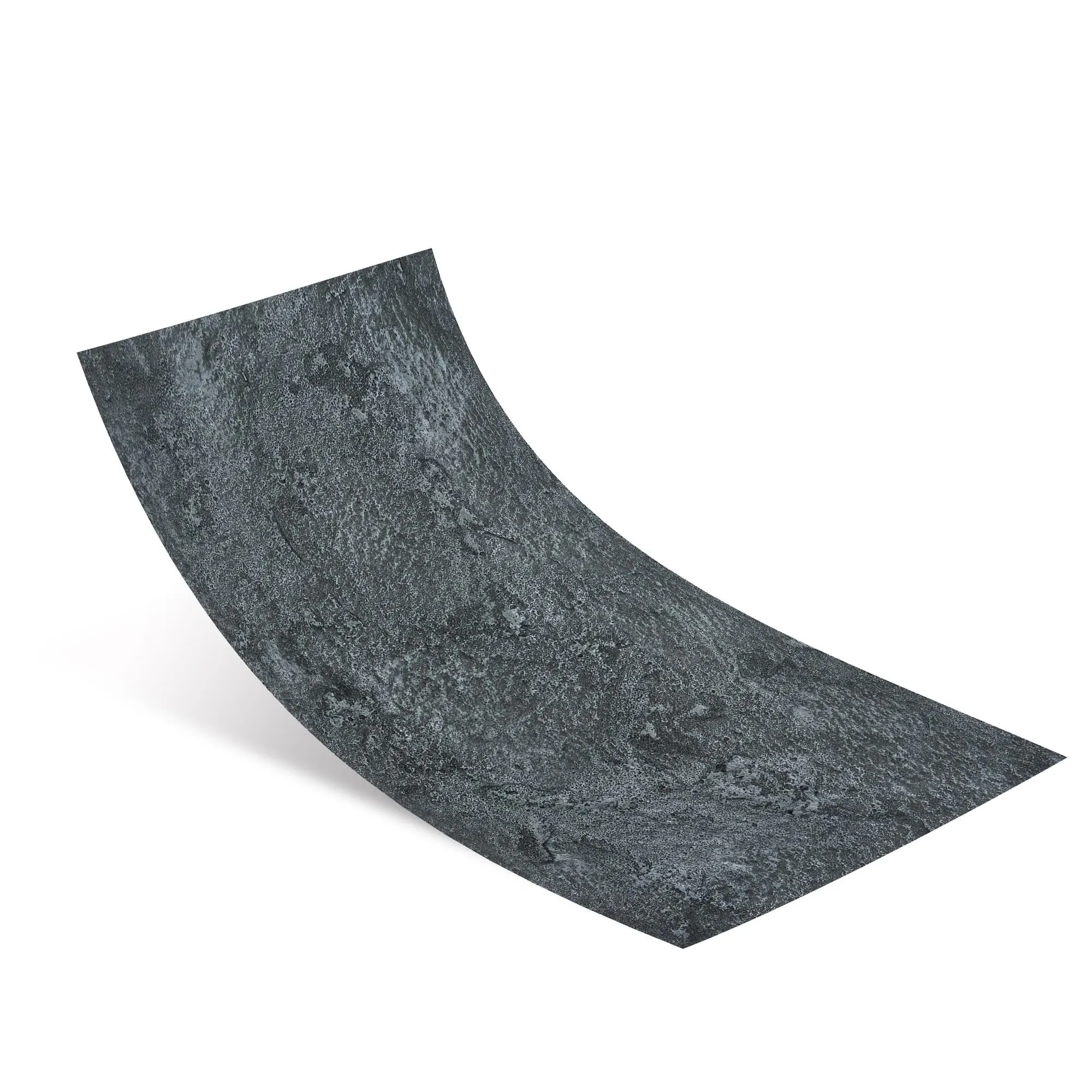
- MCM Flexible Stone Series: This product truly lives up to its name. It can be bent and wrapped around curved columns, arched entryways, and undulating facades, offering design freedom that is simply impossible with rigid stone or tile.
- MCM Big Slab Board Series: For projects demanding a grand, monolithic appearance, these large-format boards create seamless surfaces with minimal grout lines. The Lunar Peak Silvery finish, when applied to a big slab, delivers a stunning, uninterrupted metallic facade that feels both futuristic and timeless.
- MCM Project Board Series: Engineered for the rigors of large-scale commercial and residential projects, this series prioritizes efficiency, durability, and consistent quality across massive surface areas.
- MCM 3D Printing Series: Pushing the boundaries of customization, this series allows for the creation of intricate patterns, textures, and bespoke designs, turning a simple wall into a unique work of art.
The Inherent Advantages of MCM
The benefits of MCM extend far beyond its eco-friendly production. Its physical properties make it a superior choice for a wide array of applications, both inside and out:
Lightweight: MCM panels are a fraction of the weight of traditional stone or ceramic tiles. This has a massive ripple effect on a project. It means reduced transportation costs (and a lower carbon footprint), easier and faster installation, and, most importantly, a significantly lighter load on the building's structure. This can lead to savings in structural steel or concrete, further enhancing the project's overall sustainability profile.
Durable & Weather-Resistant: Don't let its flexibility fool you. MCM is incredibly tough. It's resistant to impact, freeze-thaw cycles, water, and fire (Class A fire-rated), making it an ideal choice for exterior cladding that needs to withstand the elements for decades.
Breathable: The material allows water vapor to pass through, which helps prevent moisture buildup within wall assemblies. This "breathability" contributes to a healthier building envelope and can prevent issues like mold and mildew.
In essence, MCM is not just an alternative to traditional materials; it's an evolution. It takes the best qualities of stone, wood, and clay—their beauty and natural origins—and combines them with 21st-century technology to create something smarter, more versatile, and fundamentally more sustainable.
The LEED Framework: A Quick Primer
So, how does a beautiful finish like Lunar Peak Silvery translate into a greener building? The answer lies in the LEED certification system. Developed by the U.S. Green Building Council (USGBC), LEED is the most widely used green building rating system in the world. It provides a framework for designing, constructing, operating, and maintaining healthy, highly efficient, and cost-saving green buildings.
Getting a building LEED-certified is a point-based system. Projects earn points by satisfying specific prerequisites and credits across several key areas of sustainability. The total number of points earned determines the level of certification the project receives: Certified, Silver, Gold, or Platinum.
The main credit categories where building materials play a significant role include:
- Materials and Resources (MR): Focuses on minimizing the embodied energy and environmental impacts of materials throughout their life cycle.
- Indoor Environmental Quality (IEQ): Promotes better indoor air quality and a healthier environment for occupants.
- Sustainable Sites (SS): Encourages strategies that minimize the impact on ecosystems and water resources.
- Energy & Atmosphere (EA): Promotes better building energy performance to reduce environmental and economic harms.
- Innovation in Design (ID): Provides points for projects that use innovative technologies and strategies to improve a building's performance well beyond what is required by other LEED credits.
Connecting the Dots: How Lunar Peak Silvery MCM Earns LEED Points
This is where theory meets practice. Choosing COLORIA GROUP's MCM products is a strategic decision that can directly contribute points in multiple LEED categories. Let's break down exactly how the Lunar Peak Silvery finish, as part of our broader MCM collection, aligns with these rigorous standards.
| LEED v4.1 Credit Category | Credit Name | How COLORIA GROUP's MCM Products Contribute |
|---|---|---|
| Materials & Resources (MR) | Building Product Disclosure and Optimization - Environmental Product Declarations (EPDs) | The low-energy manufacturing process and use of natural/recycled content give MCM a favorable life-cycle assessment. COLORIA GROUP can provide the necessary data to contribute to EPDs, demonstrating transparency and a lower environmental impact compared to conventional materials. |
| Materials & Resources (MR) | Building Product Disclosure and Optimization - Sourcing of Raw Materials | MCM is primarily composed of natural mineral powders and soils. By documenting the responsible sourcing and recycled content, projects using MCM can earn points in this credit. |
| Materials & Resources (MR) | Construction and Demolition Waste Management | MCM's lightweight and flexible nature drastically reduces breakage during transport and installation. Furthermore, the ability to order custom sizes minimizes on-site cutting and waste, helping projects divert a significant amount of waste from landfills. |
| Indoor Environmental Quality (IEQ) | Low-Emitting Materials | This is a major strength. MCM materials are inherently low in Volatile Organic Compounds (VOCs). They are essentially modified earth, with no added solvents or toxic binders that off-gas over time. Using MCM for interior walls ensures superior indoor air quality, a key factor for occupant health and a straightforward way to earn IEQ points. |
| Sustainable Sites (SS) | Heat Island Reduction | The "Lunar Peak Silvery" finish is a perfect example of a material that can contribute here. Lighter-colored surfaces have a higher Solar Reflectance Index (SRI), meaning they reflect more solar energy and absorb less heat. When used for exterior cladding or on non-roof surfaces, it helps mitigate the urban heat island effect, keeping the building and its surroundings cooler. |
| Innovation in Design (ID) | Innovation | Using a novel material like MCM, especially in a creative application (e.g., a complex curved facade using MCM Flexible Stone or a unique texture from the 3D Printing series), can be argued as an innovative approach to design and material science, potentially earning a point in this category for exemplary performance. |
| Energy & Atmosphere (EA) | Optimize Energy Performance (Indirect Contribution) | The lightweight nature of MCM reduces the building's dead load, potentially allowing for a less resource-intensive structural frame. A lighter structure has less embodied carbon. While an indirect benefit, it contributes to the holistic energy and carbon profile of the entire project. |
A Deeper Dive into the LEED Contributions
Let's explore a few of those table points in more detail.
The Power of Low-Emitting Materials (IEQ): In today's world, we spend up to 90% of our time indoors. The quality of the air we breathe in our homes, offices, and schools has a direct impact on our health, well-being, and productivity. For years, paints, adhesives, flooring, and wall coverings have been major sources of VOCs, which can cause everything from headaches to long-term health issues. COLORIA GROUP's MCM products are a breath of fresh air—literally. Because they are composed of natural minerals and are free from harmful solvents and formaldehydes, they contribute virtually no pollutants to the indoor environment. For an architect or developer targeting LEED Gold or Platinum, specifying low-emitting materials throughout the project is non-negotiable, and MCM is an easy and effective choice for achieving this.
Life-Cycle Thinking (MR): The "Materials and Resources" category in LEED has shifted focus from just recycled content to a more holistic, life-cycle approach. It asks: What is the total environmental cost of this material, from cradle to grave? This is where MCM shines.
Consider the life cycle of traditional quarried stone. It involves energy-intensive extraction, heavy machinery, massive water usage for cutting and polishing, and high-carbon transportation due to its weight. In contrast, MCM's primary ingredients are abundant natural soils and mineral powders. The low-energy manufacturing process has a dramatically smaller carbon footprint. Its lightweight nature slashes transportation emissions. And at the end of its long life, the material is inert and can be recycled back into the production process or safely disposed of. By providing transparency through data for EPDs, COLORIA GROUP empowers designers to make a truly informed, data-driven decision that favors long-term sustainability. Our status as a one-stop solution provider means we can provide this crucial data and support throughout the LEED documentation process.
Combating Urban Heat Islands (SS): The Lunar Peak Silvery finish is particularly relevant to the "Heat Island Reduction" credit. Urban areas are getting hotter as dark roofs, asphalt roads, and conventional building materials absorb and retain the sun's heat. This increases energy demand for cooling, raises air pollution levels, and negatively impacts human health. LEED incentivizes the use of materials with high solar reflectance. The cool, light tonality of Lunar Peak Silvery, combined with its unique texture, is designed to reflect a significant portion of solar radiation. Using this on a large facade, especially in a hot climate like those found in markets we serve such as Saudi Arabia, can make a measurable difference in the building's microclimate and energy consumption.
COLORIA GROUP: Your Partner in Sustainable Building
Achieving LEED certification is a complex undertaking that requires careful planning and strategic material selection from the very beginning. It's not just about ticking boxes; it's about embracing a philosophy of better building. This is where the value of a partner like COLORIA GROUP becomes clear. With decades of industry experience, we are more than just a supplier. We position ourselves as a one-stop solution provider for architects, designers, and developers aiming for excellence.
Our role extends beyond just delivering a pallet of our MCM Big Slab Board Series . It involves:
- Early-Stage Consultation: We work with design teams during the conceptual phase to identify how and where our products can best be used to meet both aesthetic goals and sustainability targets.
- Technical Support: We provide all the necessary technical data, test reports, and documentation required for LEED credit submissions, streamlining what can often be a daunting process.
- Unmatched Customization: The Lunar Peak Silvery finish is just one example. Our ability to customize colors, textures, and even create 3D patterns means that sustainability never comes at the cost of design freedom. We can match a specific vision while ensuring the underlying material is green to its core.
- Global Expertise, Local Presence: With a global reach and dedicated local agencies, such as our presence in Saudi Arabia, we understand the unique challenges and opportunities of different climates and building codes. We bring international quality standards and local market knowledge to every project.
Conclusion: A Future That's Both Beautiful and Responsible
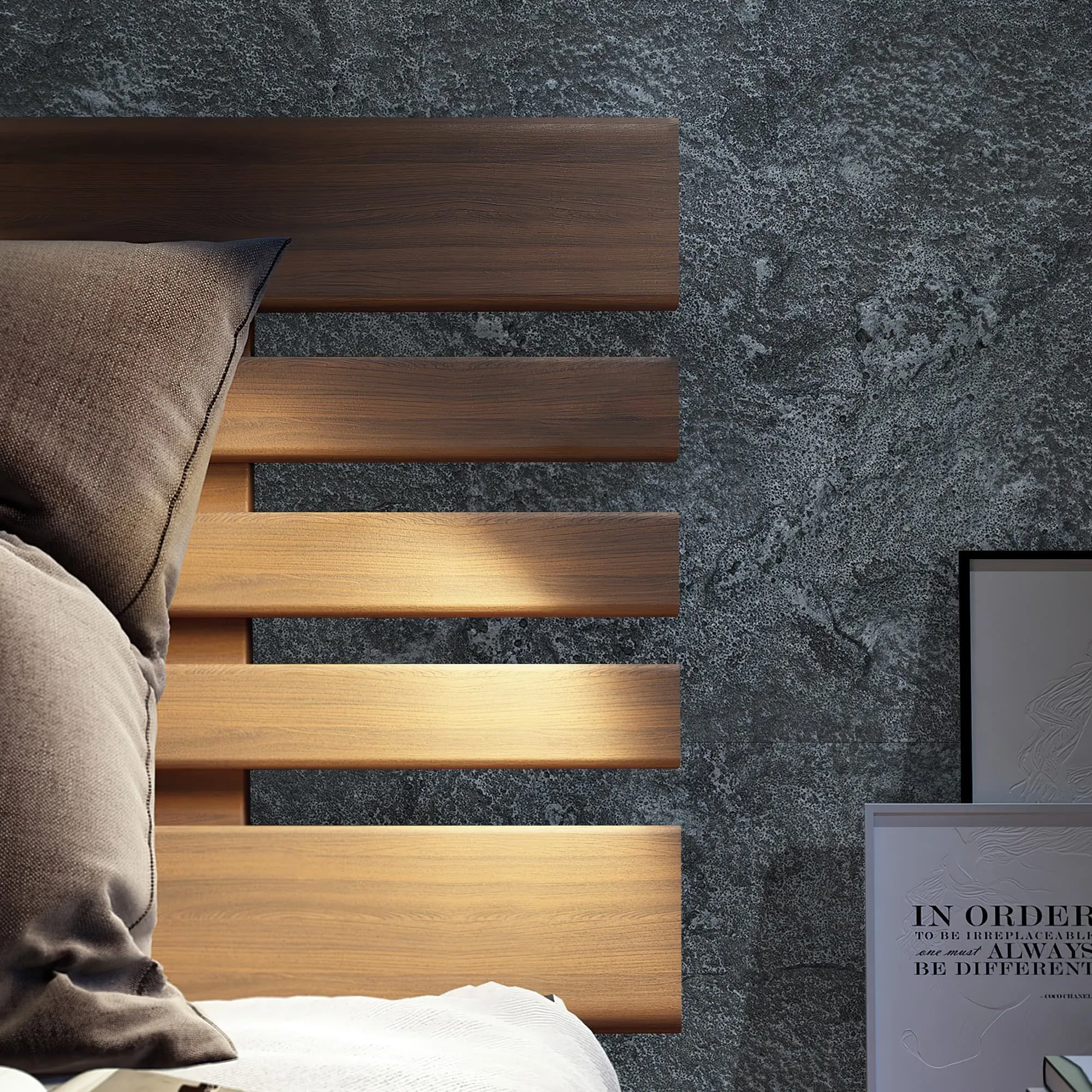
The choice of a building material is no longer a simple decision based on color and price. It's a statement of values. It's a reflection of a project's commitment to the health of its occupants and the planet. A material like COLORIA GROUP's MCM, showcased in the elegant Lunar Peak Silvery finish, perfectly embodies this new paradigm.
It proves that you don't have to choose between a stunning visual impact and a low environmental impact. You can have both. Its contribution to multiple LEED credits—from reducing waste and improving air quality to mitigating urban heat islands—is a testament to its intelligent design. It is lightweight, flexible, durable, and sourced from the earth itself.
As the construction industry continues to evolve, the materials that will define the next generation of architecture will be those that solve multiple problems at once. They will be beautiful, high-performing, and fundamentally sustainable. The Lunar Peak Silvery MCM is more than just a product; it's a glimpse into that future. It represents a commitment from COLORIA GROUP to not only supply the materials for today's buildings but to help shape a built environment that is smarter, healthier, and more resilient for generations to come.










