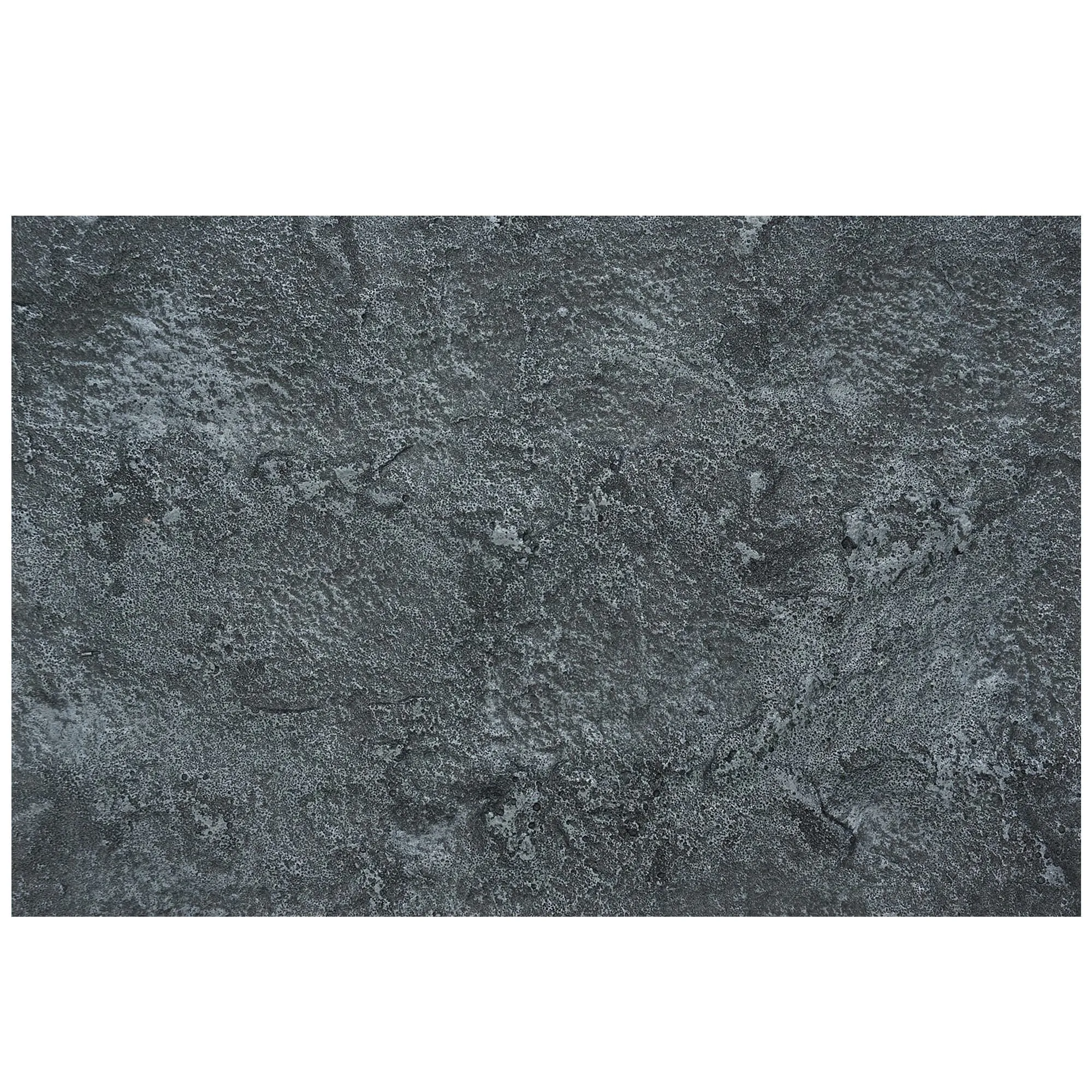
When embarking on a new building project, whether it's a cozy residential home or a sprawling commercial complex, one of the most critical decisions you'll face involves selecting the right exterior and interior finishing materials. This choice isn't just about aesthetics; it profoundly impacts the building's durability, maintenance requirements, environmental footprint, and ultimately, its long-term value. Today, we're diving deep into a comparison that often sparks debate among architects, builders, and homeowners alike: the enduring appeal and robust performance of materials like our
MCM (Modified Cementitious Material)
, represented here by an imagined "Lunar Peak Silvery" aesthetic, versus the widely used yet often misunderstood vinyl cladding. Our focus? Longevity, and what that truly means for your investment.
At COLORIA GROUP, we understand that you're not just buying materials; you're investing in peace of mind, enduring beauty, and sustainable performance. As a dedicated
one-stop solution provider
in the architectural materials domain, we've spent decades perfecting offerings that stand the test of time, global climates, and evolving design trends. Our expertise, honed over years in the industry and applied across various markets, including our robust presence in Saudi Arabia, gives us a unique perspective on what truly contributes to a material's longevity. Let's unpack the comparison.
Understanding the Contenders: Lunar Peak Silvery (MCM) vs. Vinyl Cladding
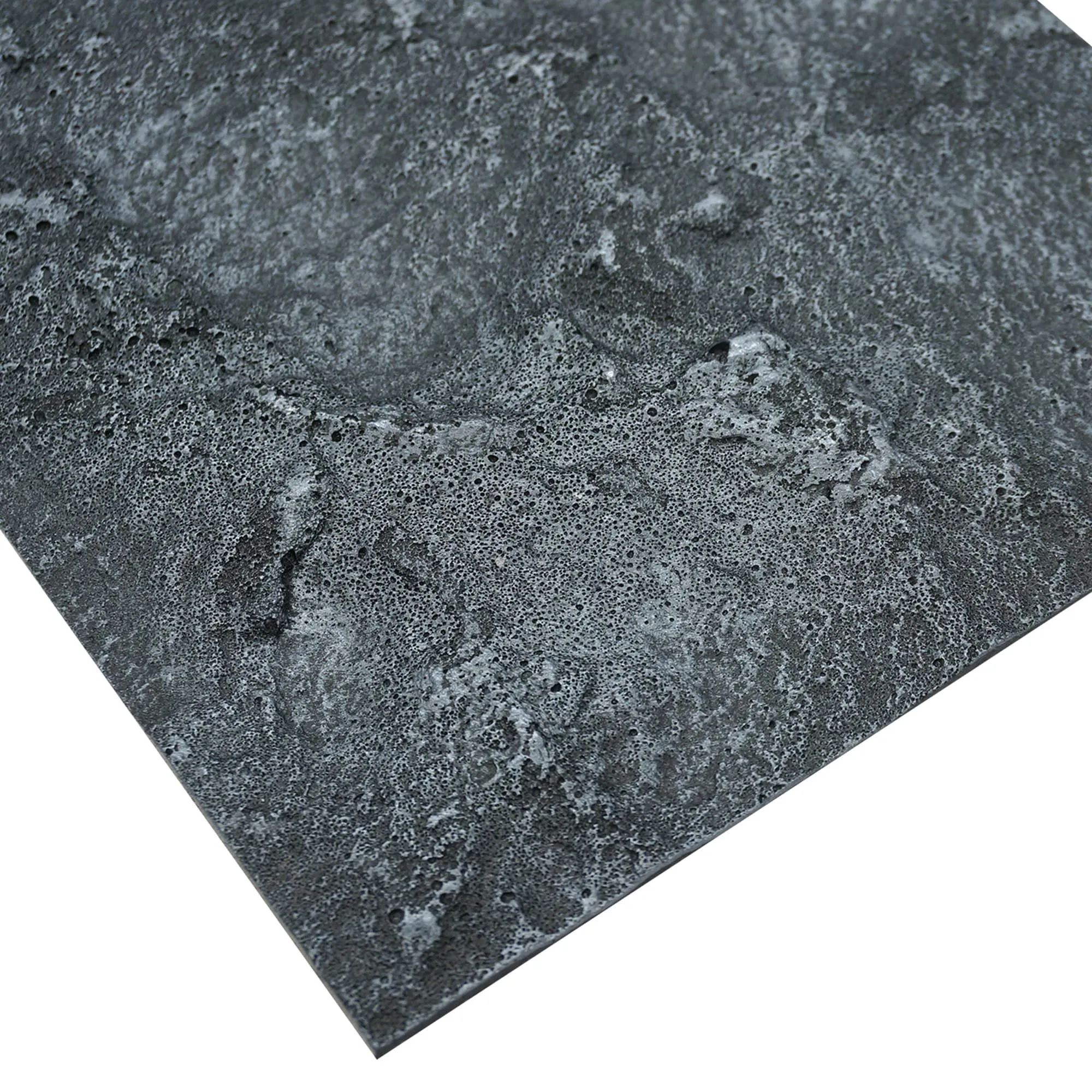
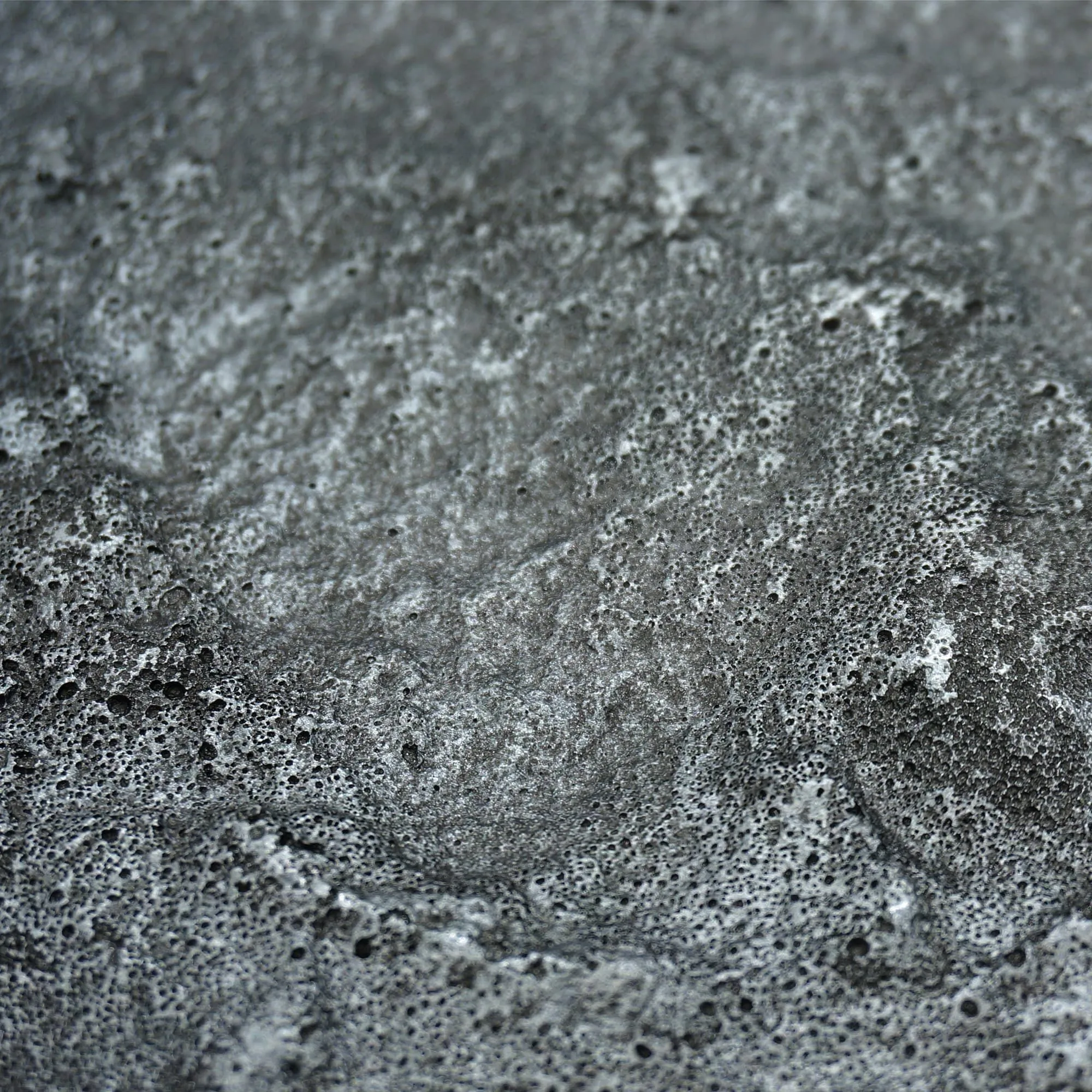
"Lunar Peak Silvery" isn't a single product, but rather an aesthetic vision achievable through COLORIA GROUP's cutting-edge
MCM (Modified Cementitious Material)
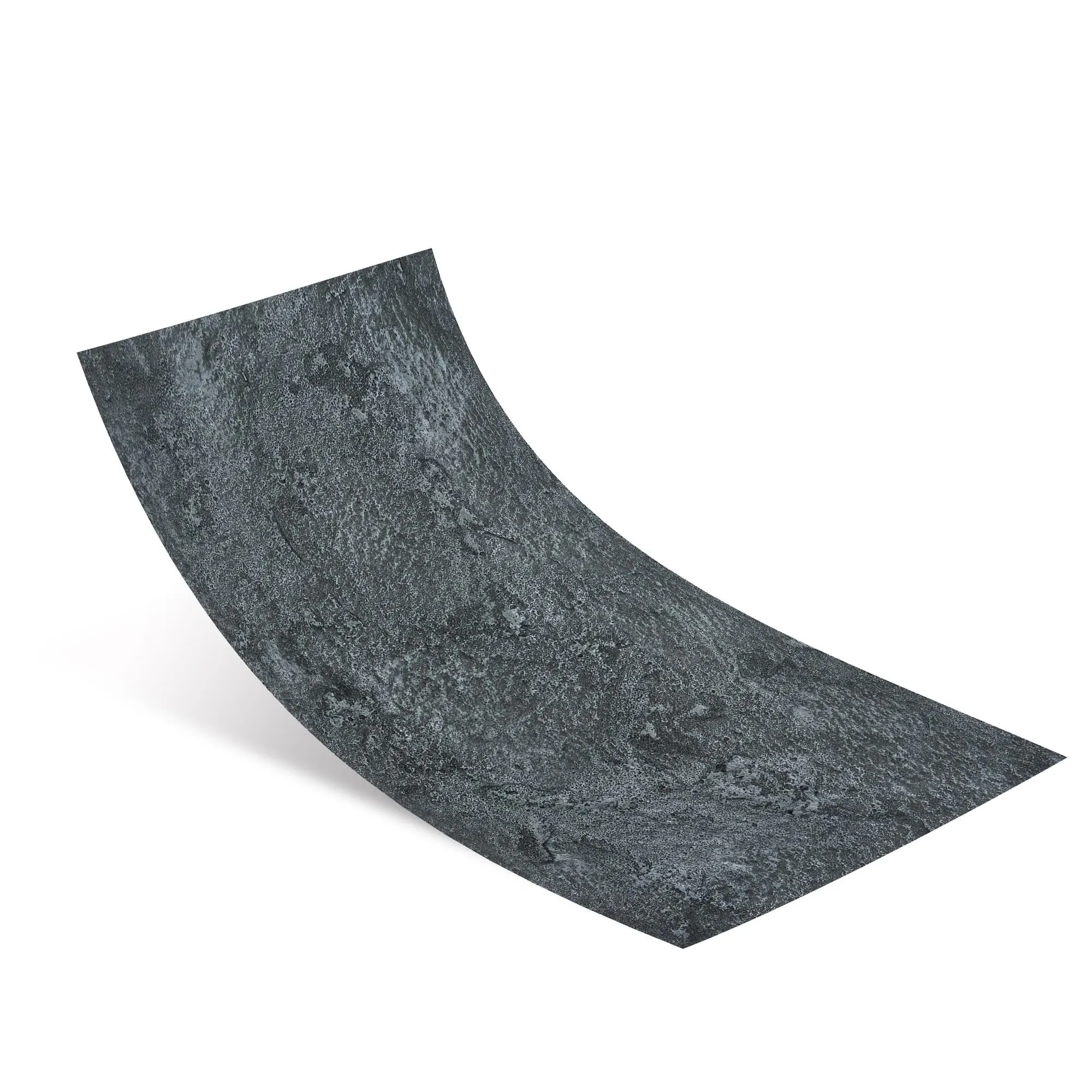
series. Imagine the subtle, shimmering tones of a moonlit mountain peak – that's the kind of sophisticated, natural, and durable finish we're talking about. MCM itself is a revolutionary category of building materials. It's made from a blend of natural minerals, clays, and other inorganic substances, modified using advanced polymer technology and cured at specific temperatures. The result is a lightweight, flexible, yet incredibly strong material that mimics the look and feel of natural stone, wood, brick, or even metals, without their inherent drawbacks.
Our MCM product range includes:
These versatile materials are primarily used for both exterior and interior wall decoration, offering exceptional design flexibility and performance.
What is Vinyl Cladding?
Vinyl cladding, or vinyl siding, is a plastic exterior siding for houses and small apartment buildings. It's made primarily from polyvinyl chloride (PVC) resin. It became very popular due to its relatively low cost, ease of installation, and perceived low maintenance. It comes in various colors and profiles, often designed to mimic wood lap siding. For many years, it has been a go-to choice for budget-conscious projects, offering a quick aesthetic upgrade.
The Longevity Showdown: A Deeper Dive
When we talk about "longevity" in building materials, we're not just referring to how long the material physically stays on the wall. We're considering a holistic view that encompasses:
-
Structural Integrity and Durability:
How well does it resist physical damage, weather, and environmental stressors?
-
Aesthetic Retention:
Does it maintain its original appearance over time, or does it fade, warp, or become dated?
-
Maintenance Requirements:
How much effort and cost are needed to keep it looking good and performing well?
-
Environmental Resilience:
How does it cope with temperature fluctuations, UV radiation, moisture, and pollutants?
-
Repairability and Replacement:
How easy and costly is it to fix or replace damaged sections?
-
Thermal Performance:
Does it contribute to the energy efficiency of the building over its lifespan?
1. Durability and Structural Integrity
MCM (Lunar Peak Silvery Aesthetic):
Our
MCM (Modified Cementitious Material)
is engineered for superior durability. Because it's based on natural minerals and modified with advanced polymers, it inherits the strength and stability of cementitious materials while gaining flexibility and impact resistance.
-
Impact Resistance:
MCM products exhibit excellent resistance to impact, which is crucial for exterior applications, protecting against hail, accidental bumps, or minor vandalism. Its flexibility means it can absorb shocks better than rigid materials.
-
Crack Resistance:
Unlike traditional cement or ceramic tiles, MCM's inherent flexibility significantly reduces the risk of cracking due to building movement or thermal expansion/contraction. This is a massive advantage in areas prone to seismic activity or extreme temperature swings.
-
Abrasion Resistance:
The surface of MCM is robust, resisting scratches and scuffs, which maintains its pristine appearance, especially for high-traffic interior areas or exposed exteriors.
-
Fire Resistance:
Being largely mineral-based, MCM generally boasts superior fire resistance properties compared to plastic-based alternatives, contributing significantly to overall building safety.
Vinyl Cladding:
Vinyl cladding, while appearing durable at first glance, has several inherent weaknesses that impact its long-term structural integrity.
-
Brittleness in Cold:
PVC becomes brittle in cold temperatures, making it susceptible to cracking, chipping, or shattering upon impact during winter months.
-
Warping and Buckling in Heat:
Conversely, vinyl can warp, buckle, or sag under intense heat or direct sunlight. This leads to an uneven, unsightly appearance and can compromise its ability to protect the underlying structure.
-
Impact Damage:
It's generally less impact-resistant than MCM. A strong hail storm, a thrown ball, or even a ladder leaned against it can easily dent, crack, or puncture vinyl siding.
-
Wind Resistance:
While modern vinyl siding has improved wind resistance, severe storms can still rip panels off, especially if not installed perfectly or if the fasteners weaken over time.
2. Aesthetic Retention and Appearance Over Time
MCM (Lunar Peak Silvery Aesthetic):
One of the core strengths of COLORIA GROUP's MCM is its ability to maintain its aesthetic appeal for decades. The
customization
options available with MCM are virtually limitless, allowing for natural, vibrant, and deep color integration.
-
Color Stability:
MCM pigments are often mineral-based or highly stable, resisting UV degradation and fading. This means that your "Lunar Peak Silvery" finish will retain its subtle shimmer and sophisticated tone year after year, even in harsh sunlight.
-
Natural Texture:
MCM replicates natural materials with incredible fidelity, providing a timeless and high-end look that doesn't easily go out of style. The textures are integral to the material, not just a surface coating.
-
Resistance to Staining:
The dense, non-porous nature of many MCM surfaces makes them highly resistant to staining from dirt, grime, and environmental pollutants, preserving their clean appearance.
-
No Chalking:
Unlike some plastic materials, MCM does not typically suffer from chalking, where a fine, powdery residue appears on the surface due to UV exposure.
Vinyl Cladding:
The aesthetic longevity of vinyl cladding is often a point of contention.
-
Fading:
Despite advancements, vinyl is prone to fading over time, especially darker colors or those exposed to intense sunlight. This can lead to a patchy, uneven appearance across the building, diminishing its curb appeal.
-
Gloss Degradation:
The initial sheen of new vinyl can dull over time, making the material look old and weathered.
-
Mold and Mildew:
While vinyl itself doesn't typically grow mold, the surface can harbor mold and mildew, especially in shaded or damp areas, requiring regular cleaning to maintain appearance.
-
Plastic Look:
Despite efforts to mimic natural materials, vinyl often retains a distinct "plastic" appearance, which can cheapen the overall look of a property as trends shift towards more natural and authentic finishes.
3. Maintenance Requirements and Costs
MCM (Lunar Peak Silvery Aesthetic):
Our MCM solutions are designed for minimal maintenance, contributing significantly to their long-term cost-effectiveness.
-
Low Maintenance:
Generally, MCM requires only occasional cleaning with water and a mild detergent to remove surface dirt. Its excellent resistance to fading, cracking, and staining means less frequent need for intensive cleaning or repair.
-
No Painting Required:
The color and texture are integral to the material, eliminating the need for periodic repainting, which is a major recurring cost for many other exterior finishes.
-
Robustness Reduces Repairs:
Its inherent durability translates to fewer instances of damage requiring costly repairs or replacements.
Vinyl Cladding:
While often marketed as "maintenance-free," vinyl cladding still demands attention to maintain its appearance and function.
-
Regular Cleaning:
To combat mold, mildew, and dirt accumulation, vinyl siding requires regular power washing or scrubbing, which can be time-consuming and sometimes requires professional services.
-
Repairs are Tricky:
Replacing a damaged section of vinyl siding can be challenging. Matching the faded color of existing panels with new ones is often impossible, leading to noticeable patches. Individual panels can be hard to remove and reattach without damaging adjacent ones.
-
Impact of Damage:
If a piece of vinyl is damaged, it can compromise the integrity of the entire wall system, allowing moisture infiltration, which can lead to more serious, costly issues like rot in the underlying structure.
4. Environmental Resilience
MCM (Lunar Peak Silvery Aesthetic):
At COLORIA GROUP, we pride ourselves on delivering
green and environmentally friendly
solutions. This commitment is deeply embedded in our MCM products.
-
UV Resistance:
MCM products exhibit exceptional resistance to UV radiation, preventing degradation, fading, and brittleness caused by prolonged sun exposure. This is crucial for long-term performance in sunny climates.
-
Moisture and Freeze-Thaw Stability:
MCM is engineered to withstand various climatic conditions, including moisture exposure and repeated freeze-thaw cycles. It does not absorb water excessively and resists cracking due to ice expansion, making it suitable for diverse global environments.
-
Eco-Friendly Composition:
Made from natural, non-toxic materials, MCM has a lower carbon footprint in production compared to many conventional materials. It is often recyclable and contributes to sustainable building practices.
-
Breathability:
Certain MCM formulations allow walls to "breathe," managing moisture effectively and reducing the risk of condensation and mold growth within the wall cavity.
Vinyl Cladding:
Vinyl's environmental resilience often comes with caveats.
-
UV Degradation:
While modern vinyl has UV inhibitors, prolonged exposure to intense UV rays will still cause it to fade, become brittle, and eventually crack.
-
Thermal Movement:
Vinyl expands and contracts significantly with temperature changes. This thermal movement requires specific installation techniques (like leaving overlap for expansion) and can lead to warping or buckling if not properly accounted for. This movement also stresses fasteners over time.
-
Environmental Impact:
PVC production involves chemicals that can be harmful. While some efforts are made for recycling, a significant amount of old vinyl cladding ends up in landfills, where it degrades slowly and can release harmful substances. It is not considered a
green and environmentally friendly
material in the same way MCM is.
5. Thermal Performance and Energy Efficiency
MCM (Lunar Peak Silvery Aesthetic):
The contribution of
building materials
like MCM to a building's thermal performance can be substantial.
-
Insulative Properties:
Depending on its formulation and installation method, MCM can offer some insulative benefits, helping to regulate interior temperatures. When combined with appropriate insulation systems, it creates a highly energy-efficient envelope.
-
Thermal Mass (for certain applications):
Materials with higher thermal mass can absorb and slowly release heat, helping to moderate indoor temperatures and reduce peak heating and cooling loads. While MCM is lightweight, its composition allows for better thermal performance than pure plastic.
Vinyl Cladding:
Vinyl cladding itself offers minimal inherent insulation value.
-
Poor Insulator:
Vinyl is a relatively thin material and provides very little R-value (thermal resistance) on its own. Any thermal benefits come primarily from the insulation *behind* the vinyl.
-
Potential for Air Gaps:
If not installed perfectly, or if panels warp, air gaps can form, compromising the air barrier and potentially leading to heat loss or gain, negating some of the insulation benefits of the wall assembly.
Customization, Design Versatility, and Investment Value
Beyond pure longevity, the long-term value of a material is also tied to its aesthetic adaptability and how it allows for innovative design. This is where COLORIA GROUP's
MCM
truly shines.
MCM: The Epitome of Customization and Design Freedom
Our MCM series, enabling finishes like "Lunar Peak Silvery," offers unparalleled
customization
. The nature of
Modified Cementitious Material
means it can be molded, textured, and colored to replicate virtually any natural or artificial surface. This isn't just about mimicking; it's about perfecting and expanding design possibilities.
-
Endless Aesthetics:
From the nuanced shades of "Lunar Peak Silvery" stone to rustic wood grains, industrial concrete, or sleek metallic finishes, MCM can achieve it all. This means your initial design vision can be realized precisely and maintained over decades.
-
Architectural Versatility:
The flexibility and lightness of MCM allow for application on curved surfaces, intricate architectural details, and even 3D features (as seen in our MCM 3D Printing Series). This opens up a world of design that is simply impossible with rigid, heavy materials or basic vinyl.
-
Cohesive Design:
Because MCM can be tailored to interior and exterior applications, it allows for a seamless flow and continuity of design throughout a project, enhancing the overall aesthetic and perceived value.
-
Value Appreciation:
High-quality, durable, and aesthetically pleasing
building materials
like MCM contribute significantly to a property's market value, ensuring that your initial investment continues to pay dividends.
Vinyl Cladding: Limited by Form and Function
Vinyl cladding, by its nature, is more constrained in its design capabilities.
-
Standardized Profiles:
While colors vary, the profiles of vinyl siding are generally standardized (e.g., horizontal lap, vertical panel). This limits architectural originality.
-
Mimicry, Not Authenticity:
Vinyl attempts to mimic natural materials but often falls short, lacking the depth, texture, and inherent variations that give natural stone or wood their timeless appeal.
-
Design Limitations:
Its rigidity and thermal movement characteristics make it challenging to apply to complex architectural forms, limiting its use to more conventional building shapes.
The Long-Term Cost Perspective: Total Cost of Ownership
When evaluating longevity, it's crucial to look beyond the initial purchase price and consider the total cost of ownership over the lifespan of the material. This includes installation, maintenance, repairs, and potential replacement costs.
MCM: A Smart Long-Term Investment
While the initial cost of premium
MCM
products, especially those offering specialized aesthetics like "Lunar Peak Silvery," might be slightly higher than entry-level vinyl, the long-term savings are significant.
-
Reduced Maintenance:
As discussed, no painting, minimal cleaning, and high durability significantly cut down on recurring maintenance expenses.
-
Fewer Repairs/Replacements:
Its resistance to damage means fewer costly repairs or premature replacements.
-
Energy Savings:
Enhanced thermal performance contributes to lower heating and cooling bills over the building's lifetime.
-
Increased Property Value:
A durable, attractive, and sustainable exterior adds tangible value to your property, yielding a higher return on investment if you sell.
Vinyl Cladding: Hidden Costs Can Add Up
The low initial cost of vinyl cladding can be deceptive.
-
Ongoing Cleaning Costs:
Regular cleaning to combat mold, mildew, and dirt.
-
Repair and Replacement Costs:
Frequent damage from impacts, warping, or wind can lead to expensive panel replacements, often with imperfect color matches. If widespread, entire sections may need to be re-sided.
-
Shorter Lifespan:
The typical lifespan of vinyl is often cited as 20-40 years, but its aesthetic and functional integrity may decline much sooner, especially in harsh climates. This means a full replacement might be needed earlier than desired, incurring significant costs.
-
Diminished Curb Appeal:
Faded, warped, or damaged vinyl can detract from a property's value, potentially impacting resale price.
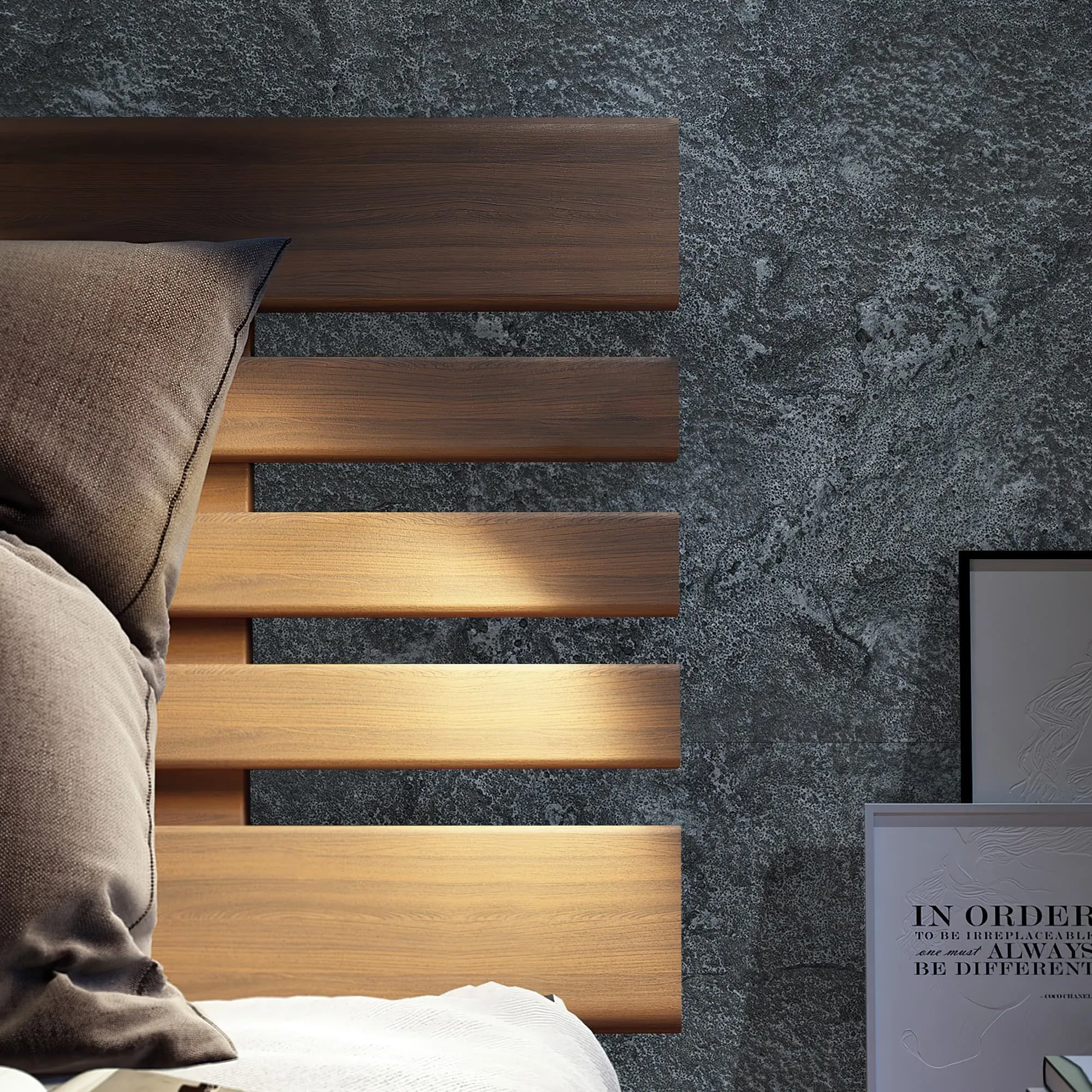
A Comparative Glance: MCM vs. Vinyl Cladding
|
Feature
|
Lunar Peak Silvery (MCM by COLORIA GROUP)
|
Vinyl Cladding
|
|
Core Material
|
Modified Cementitious Material (natural minerals, clays, polymers)
|
Polyvinyl Chloride (PVC) plastic
|
|
Aesthetic Versatility & Customization
|
Customization
: Virtually limitless, mimics stone, wood, metal; 3D textures, diverse colors (e.g., Lunar Peak Silvery). Integral color.
|
Limited range of colors and profiles; attempts to mimic natural materials but often looks artificial. Surface color.
|
|
Longevity & Durability
|
Excellent: High impact, crack, abrasion, and fire resistance. Stable in extreme temps. Expected lifespan 50+ years.
|
Moderate: Prone to cracking in cold, warping in heat, impact damage. Fading. Expected lifespan 20-40 years (often with aesthetic degradation).
|
|
Maintenance
|
Very Low: Occasional cleaning, no painting, excellent color retention.
|
Moderate: Regular cleaning required for mold/mildew; fading/damage may necessitate replacement, not just repair.
|
|
Environmental Resilience
|
Superior: UV stable, moisture/freeze-thaw resistant.
Green and environmentally friendly
(natural composition, lower carbon footprint).
|
Fair: UV inhibitors help but fading/brittleness still occur. Significant thermal movement. PVC production has environmental concerns.
|
|
Thermal Performance
|
Contributes to insulation, good thermal stability.
|
Minimal inherent insulation value; can compromise air barrier if warped.
|
|
Repairability
|
Excellent: Often allows for repair of specific sections, maintaining aesthetic integrity.
|
Challenging: Difficult to match faded colors, often requires removal of multiple panels.
|
|
Return on Investment
|
High: Adds significant long-term property value due to durability, aesthetics, and low maintenance.
|
Moderate: Low initial cost but potential for higher long-term costs due to repairs, maintenance, and earlier replacement.
|
Conclusion: Investing in True Longevity with COLORIA GROUP's MCM
In the ultimate battle of "Lunar Peak Silvery" (representing the advanced capabilities of COLORIA GROUP's MCM) versus vinyl cladding, the choice for true longevity, sustainable value, and unmatched aesthetic integrity becomes clear. While vinyl may offer a lower entry point, its inherent limitations in durability, aesthetic retention, environmental resilience, and customization often lead to higher total costs over the lifespan of a building.
COLORIA GROUP, as a global
one-stop solution provider
, stands by our
MCM (Modified Cementitious Material)
as a superior choice for both residential and commercial projects. Our commitment to high-quality
building materials
, combined with decades of industry experience, ensures that products like our MCM Big Slab Board Series, MCM Project Board Series, MCM 3D Printing Series, and MCM Flexible Stone don't just meet expectations – they redefine them. They offer a blend of strength, beauty, and ecological responsibility that vinyl cladding simply cannot match.
When you choose a sophisticated and durable finish like "Lunar Peak Silvery" achieved through our MCM technology, you are not just selecting a material; you are making a forward-thinking investment in a building that will retain its beauty, perform reliably, and remain a source of pride for generations. It's an investment in sustainable performance, design flexibility, and a truly lasting aesthetic.
Ready to explore how COLORIA GROUP's innovative MCM solutions can elevate your next project? Discover the limitless possibilities of
customization
and the enduring value of
green and environmentally friendly
Modified Cementitious Material
for your building's exterior and interior.