
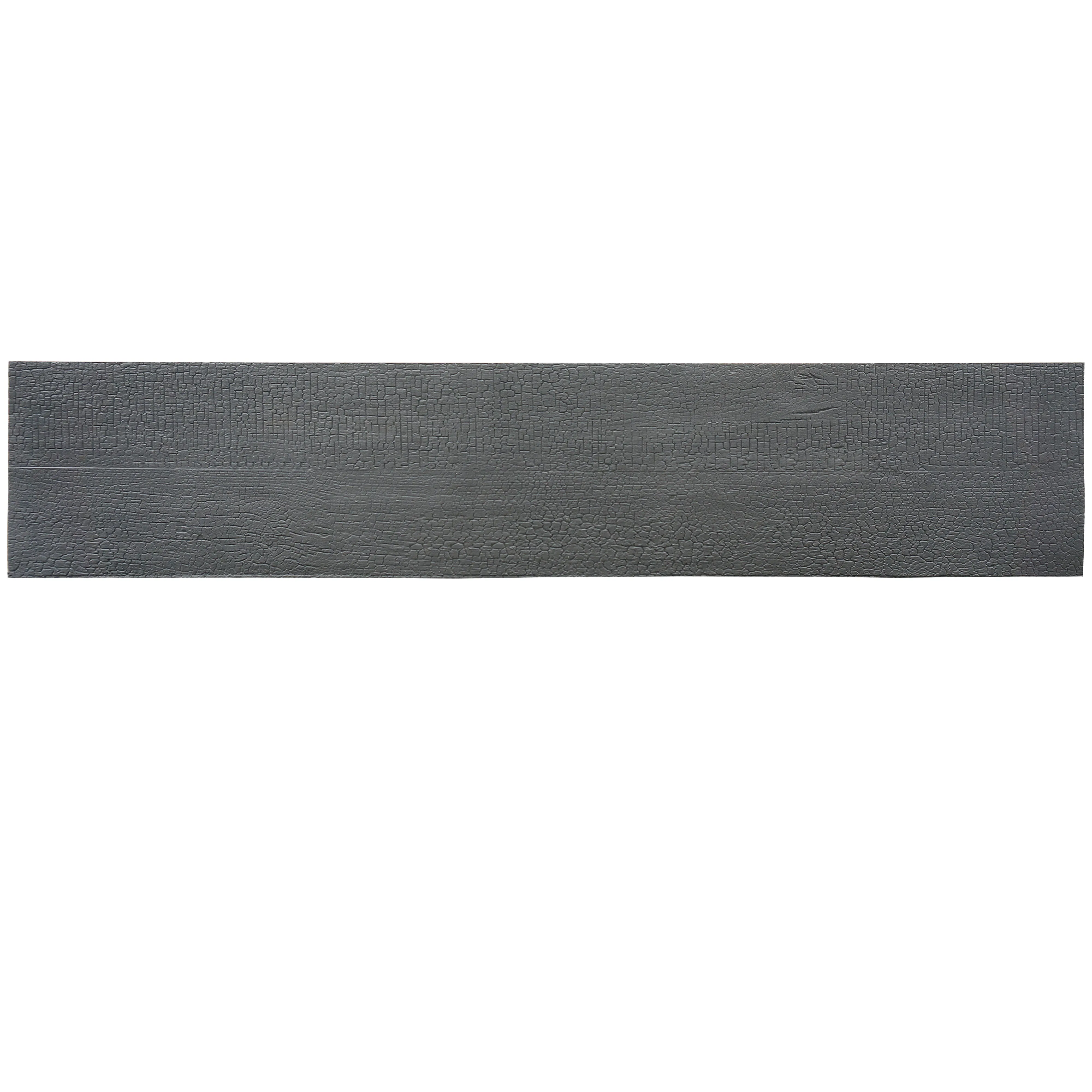
Luxury hotels are no longer just about plush beds and 24/7 room service. Today, they're immersive experiences—spaces that tell stories, evoke emotions, and linger in the memory long after check-out. At the heart of this transformation? Materials. Not just any materials, but those with soul: textures that invite touch, colors that stir feelings, and histories that add depth. In the world of high-end hospitality design, two concepts reign supreme: authenticity and harmony . And few materials embody these ideals as beautifully as charcoal burnt wood board , paired with complementary elements like fair-faced concrete, wood grain board, and the celestial allure of travertine (starry blue). Let's dive into how these materials craft the "real pH aesthetics" of luxury—where "pH" isn't just a chemical measure, but a balance of warmth, rawness, and wonder.
Designers often say that great spaces "speak." They communicate through the materials chosen, creating a dialogue with guests. A marble lobby might whisper opulence, but a wall clad in charcoal burnt wood board roars with character—it's the difference between a monologue and a conversation. Real pH aesthetics thrive on this conversational quality: materials that don't just look good, but mean something. They carry the marks of time, the hand of the craftsman, and the beauty of imperfection. In luxury hotels, this storytelling turns a fleeting stay into a lasting connection. Imagine walking into a hotel lobby where the first thing you notice isn't a chandelier, but a wall of charcoal burnt wood—its surface charred to a deep, smoky black, with hints of amber peeking through cracks like embers. You can almost smell the woodsmoke, almost hear the crackle of the fire that shaped it. That's the power of material storytelling: it turns a space into a narrative.
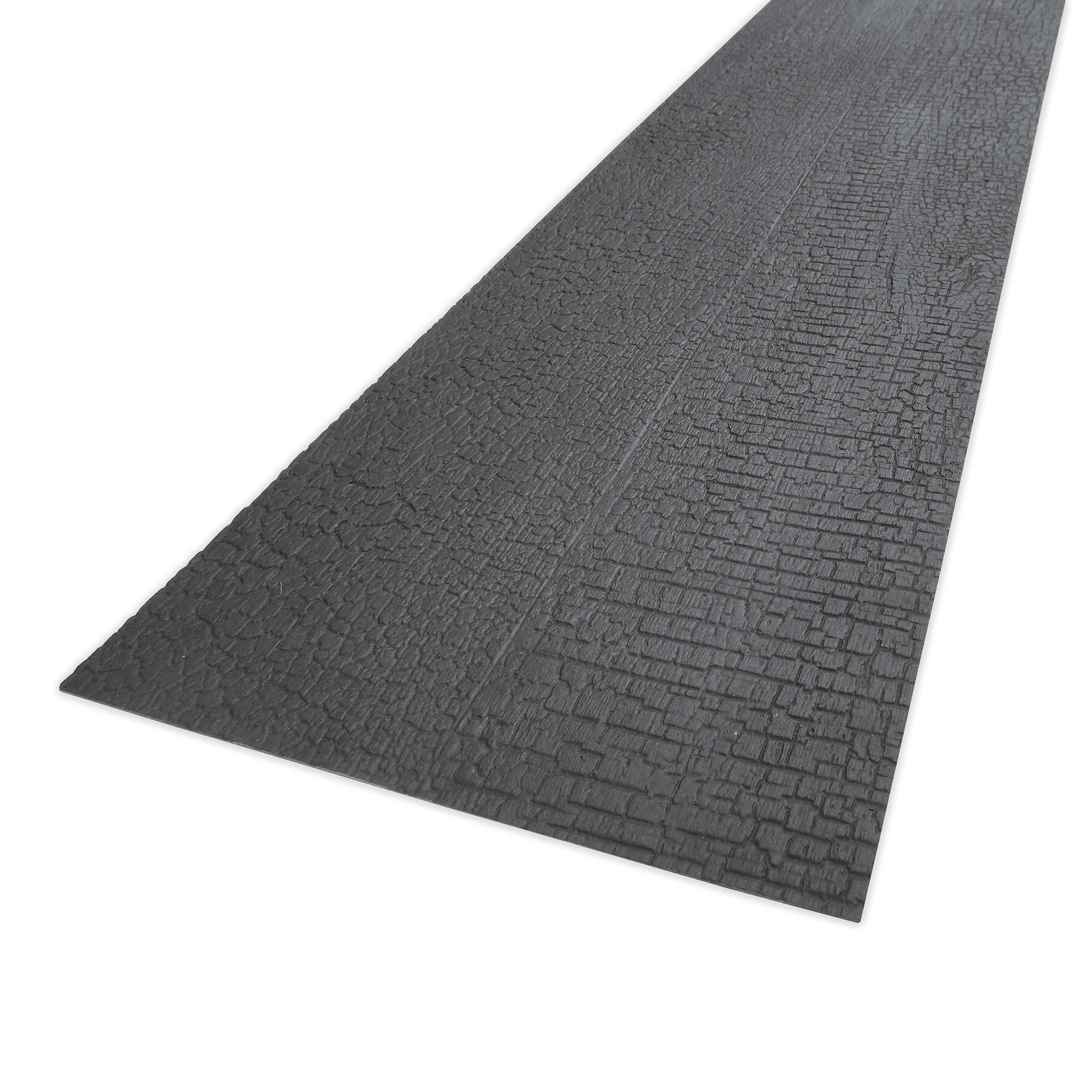
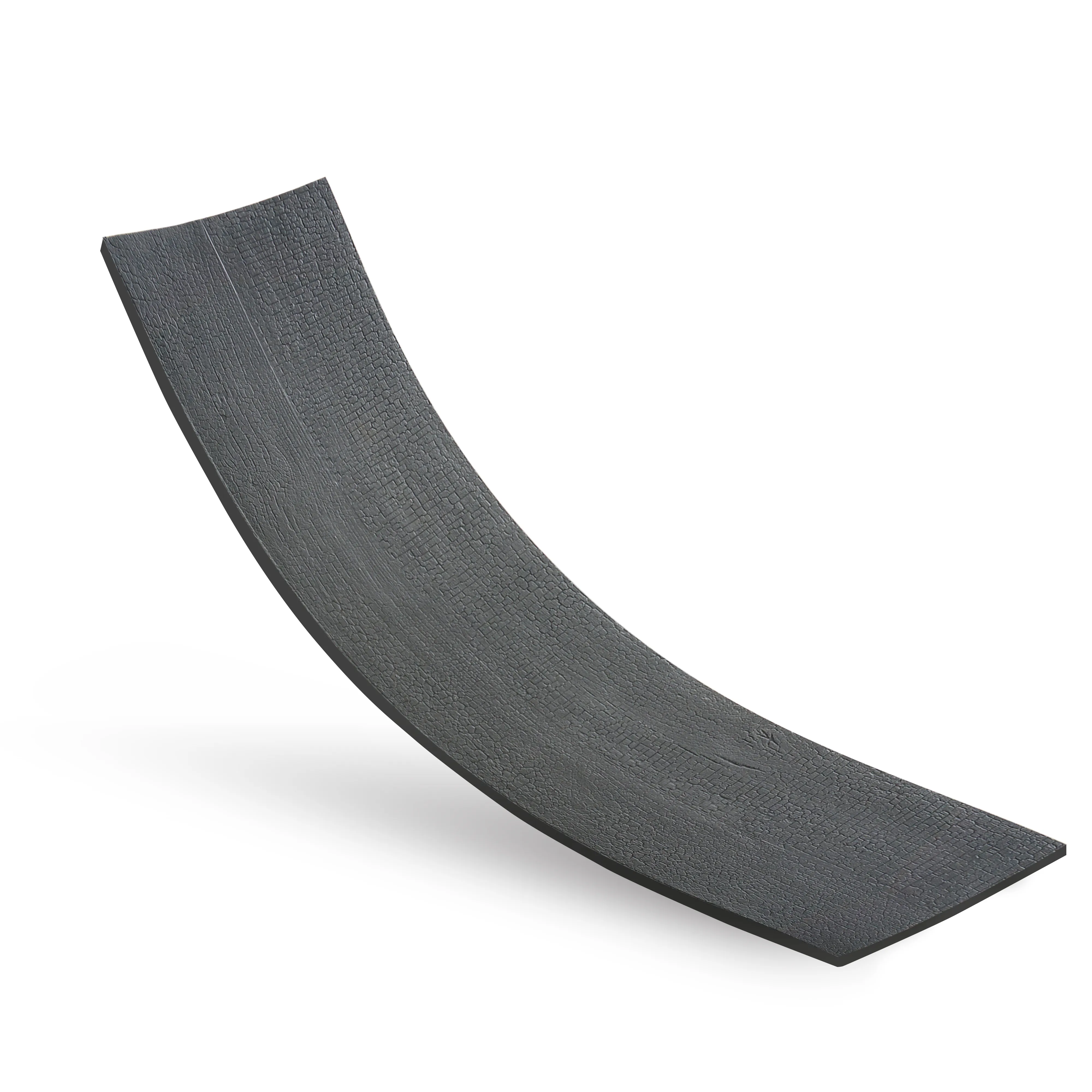
Let's start with the star of the show: charcoal burnt wood board . Also known by its Japanese name, shou sugi ban , this technique involves burning wood to char its surface, then brushing away the loose ash to reveal a textured, weather-resistant layer. The result? A material that's equal parts rugged and refined. On the surface, it's dark—almost black—with a tactile quality that's impossible to ignore: rough in some spots, smooth in others, like a tree that's weathered storms and stood tall. But look closer, and you'll see depth: streaks of umber, hints of silver, and even iridescent blues where the charring was most intense. It's a material that changes with light—warm and golden at sunrise, moody and dramatic at dusk.
In luxury hotels, charcoal burnt wood board isn't just used for walls. It finds its way into headboards, where its warmth contrasts with crisp linens; into restaurant ceilings, where it softens harsh overhead lighting; and even into outdoor terraces, where its natural resistance to rot and pests makes it as practical as it is beautiful. Take, for example, a boutique hotel in Kyoto, where the reception desk is carved from a single slab of charcoal burnt wood. The desk curves gently, mimicking the flow of a river, and its surface bears the marks of the torch—each scorch a unique fingerprint. Guests don't just check in here; they pause, run a hand over the wood, and ask, "How was this made?" That's engagement. That's the magic of a material with a story.
What makes charcoal burnt wood board so perfect for luxury hotels? It balances edge with warmth . In a space that might otherwise feel cold or sterile (think all-glass exteriors or minimalist lobbies), it adds a human touch. It's bold enough to make a statement but versatile enough to play well with others. Pair it with soft textiles—linen curtains, wool rugs—and suddenly the room feels like a cozy cabin elevated to five-star standards. Pair it with metallic accents, and it becomes modern and edgy. It's a chameleon, but one with a strong identity: no matter the setting, it always reads as "authentic."
If charcoal burnt wood board is the heart of the space, fair-faced concrete is its backbone—strong, silent, and stunning in its simplicity. Also called "architectural concrete," this material skips the polish and embraces the raw, unadorned finish of the formwork. What you see is what you get: the texture of the wooden molds, the slight imperfections of the pour, and a palette of soft grays that feel both industrial and serene. In luxury design, fair-faced concrete is a master of contrast. When paired with charcoal burnt wood board, it creates a dance of warmth and coolness, organic and man-made.
Imagine a hotel corridor where one wall is clad in charcoal burnt wood, its dark tones absorbing light, and the opposite wall is fair-faced concrete, reflecting it back. The effect is dynamic—your eye moves between the two, never bored. Or a bathroom where the vanity is fair-faced concrete, its smooth surface complementing a charcoal burnt wood mirror frame. The concrete adds a sense of calm, while the wood adds warmth—turning a functional space into a spa-like retreat. Designers love fair-faced concrete for its honesty : it doesn't hide its flaws; it celebrates them. A small air bubble in the mix, a faint line from the formwork—these are not mistakes, but marks of authenticity. In a world of filtered perfection, this rawness is a breath of fresh air.
But fair-faced concrete isn't just about looks. It's also incredibly durable, making it ideal for high-traffic hotel areas like lobbies and hallways. And its neutral color acts as a blank canvas, letting other materials—like a vibrant piece of art or a lush plant—take center stage. It's the ultimate team player, proving that luxury doesn't have to shout; sometimes, it whispers.
No discussion of natural materials in luxury design is complete without wood grain board . Unlike solid wood, which can be prone to warping, wood grain board offers the beauty of wood with added stability—making it perfect for large surfaces like flooring, accent walls, or even ceiling panels. What sets it apart? The clarity of its grain. Whether it mimics oak, walnut, or teak, the pattern is crisp, consistent, and full of life. It's nature, but elevated—smoothed out just enough to feel luxurious, but enough texture to feel real.
In a luxury hotel, wood grain board adds a layer of comfort that's hard to replicate. Step into a guest room with wood grain flooring, and suddenly the space feels like a home away from home—warm underfoot, inviting you to kick off your shoes. Or walk into a hotel bar with a wood grain board ceiling, and the room feels cocoon-like, intimate even in a large space. When paired with charcoal burnt wood board, wood grain board creates a sense of harmony —two expressions of wood, one fire-kissed and bold, the other natural and serene. Together, they tell a story of wood in all its forms: from the tree in the forest to the craftsman's workshop.
Designers often use wood grain board to "ground" a space. In a lobby with soaring ceilings and large windows, wood grain paneling on the lower half of the walls brings the eye down, making the room feel more human-scaled. It's a subtle trick, but one that makes guests feel welcome, not overwhelmed. And with a range of finishes—from matte to semi-gloss—wood grain board can adapt to any design style, from rustic chic to modern minimalism. It's nature, but tailored to the needs of luxury hospitality.
Now, let's add a touch of the extraordinary: travertine (starry blue) . Travertine itself is a classic natural stone, known for its porous texture and earthy tones. But "starry blue" travertine is something else entirely. Picture a slab of stone with a deep blue base, shot through with veins of silver and gold that glitter like stars in the night sky. It's not just a material—it's a piece of art. In luxury hotels, this stone is used sparingly but strategically, turning ordinary spaces into moments of wonder.
Imagine a hotel's signature restaurant, where the bar top is carved from a single slab of travertine (starry blue). As the evening light fades, the bar is lit from below, making the "stars" in the stone twinkle. Guests lean in, mesmerized, their drinks forgotten for a moment as they trace the constellations in the stone. Or a spa treatment room with a wall panel of starry blue travertine, where the stone's cool touch and celestial pattern transport guests to a place of calm. This is the power of statement materials: they create "wow" moments that guests share on social media, turning a hotel into a destination.
Travertine (starry blue) also plays well with our other heroes. Paired with charcoal burnt wood board, it adds a pop of color without clashing—the wood's warmth softens the stone's coolness. With fair-faced concrete, it creates a contrast of textures: the stone's porous surface against the concrete's smoothness. It's a reminder that luxury design isn't about using one "perfect" material, but about balancing different personalities to create a cohesive whole.
So, how do these materials come together to create "real pH aesthetics"? It's all about balance. Think of it as a recipe: charcoal burnt wood board is the spice (bold, memorable), fair-faced concrete is the base (reliable, grounding), wood grain board is the herb (fresh, familiar), and travertine (starry blue) is the secret ingredient (surprising, delightful). Together, they create a flavor that's complex but not overwhelming—something guests can savor.
| Material | Texture | Emotional Vibe | Ideal Space |
|---|---|---|---|
| Charcoal Burnt Wood Board | Charred, rough, with crackled, ember-like highlights | Warmth, nostalgia, storytelling | Lobbies, headboards, accent walls |
| Fair-Faced Concrete | Smooth yet raw, with subtle formwork textures | Calm, honesty, modernity | Corridors, bathrooms, vanities |
| Wood Grain Board | Sleek, consistent grain, soft to the touch | Comfort, nature, familiarity | Flooring, ceilings, wall paneling |
| Travertine (Starry Blue) | Porous, with glittering metallic veins | Wonder, drama, luxury | Bars, focal walls, spa areas |
Take a hypothetical luxury hotel suite designed with these materials. The bedroom features a charcoal burnt wood headboard, its dark surface framing crisp white linens. The floor is wood grain board, warm underfoot, while the walls are painted a soft gray to let the headboard shine. The en-suite bathroom has a fair-faced concrete shower bench and walls, paired with a travertine (starry blue) vanity top that catches the light from the skylight above. The result? A space that feels both intimate and grand, cozy and sophisticated. It's a pH balance of emotions: comfort and excitement, calm and wonder, all in one room.
To see these materials in action, let's imagine a fictional boutique hotel: The Ember & Sky , nestled in the mountains of Colorado. Its design philosophy? "Bring the outdoors in, but elevate it." The lobby is a masterpiece of material harmony: a soaring ceiling of wood grain board, its light tones making the space feel airy, supported by columns of fair-faced concrete that add structure. The focal wall behind the reception desk is a mosaic of charcoal burnt wood board panels, each piece charred by local artisans using traditional shou sugi ban techniques. To the right, a fireplace (fittingly) is clad in travertine (starry blue), its blue base and golden veins echoing the sky outside. Guests often linger here, taking photos of the "starry" fireplace or running their hands over the burnt wood wall.
Upstairs, the guest rooms continue the theme. King beds feature charcoal burnt wood headboards, paired with wood grain board nightstands. The bathrooms use fair-faced concrete for the shower walls and a travertine (starry blue) backsplash behind the sink. Even the hotel's restaurant, Timber & Stone , leans into the aesthetic: tables made from reclaimed wood (a cousin of wood grain board), chairs with charcoal burnt wood frames, and a bar top of—you guessed it—travertine (starry blue). The result? A hotel that feels rooted in its mountain setting but elevated by thoughtful design. Guests don't just stay at The Ember & Sky; they experience it.
In the end, luxury hotel design is about more than aesthetics—it's about creating spaces that connect with us on a human level. Charcoal burnt wood board, fair-faced concrete, wood grain board, and travertine (starry blue) are more than materials; they're storytellers. They bring warmth, rawness, nature, and wonder into a single space, creating the "real pH aesthetics" that define modern luxury. They prove that the most memorable hotels aren't those with the fanciest finishes, but those with the most heart.
So, the next time you check into a luxury hotel, take a moment to look beyond the decor. Touch the walls, notice the textures, and ask: What story is this space telling? Chances are, you'll find materials like these—working in harmony to turn a night away from home into an experience you'll never forget. After all, in the world of real pH aesthetics, the best materials don't just decorate; they resonate .
Recommend Products












