
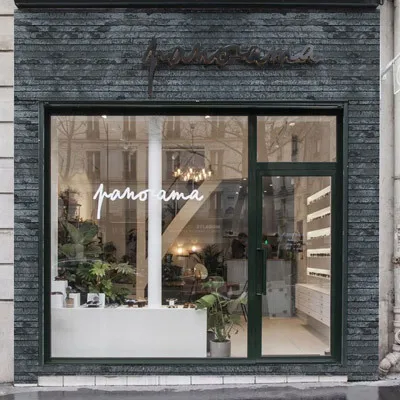
Exploring how a single material—Dark Grey Muretto Stone—weaves stories of elegance, texture, and timelessness across the world's most iconic hotel exteriors.
Luxury hotels are more than just places to stay; they are portals into a world of curated experiences. And nothing sets the tone quite like a facade. It's the first chapter of a guest's journey—a silent greeting that hints at the warmth, sophistication, or adventure that lies beyond the doors. In recent years, one material has risen to the forefront of this storytelling: Dark Grey Muretto Stone. With its weathered elegance, subtle depth, and chameleon-like ability to complement diverse design languages, it has become a favorite among architects aiming to craft facades that feel both rooted in tradition and boldly contemporary.
But what makes Dark Grey Muretto Stone so special? It's not just its color—a muted, storm-cloud grey that shifts with the light, from soft charcoal at dawn to near-slate under midday sun—but its texture. Run a hand over its surface, and you'll feel the gentle ridges of centuries-old craftsmanship, the kind that whispers of old-world masonry yet feels fresh against modern steel or glass. It's a material that ages gracefully, too; rain streaks add character, while sunlight brings out hidden veining, making each facade feel alive, ever-evolving.
Nestled in Milan's Brera district, a neighborhood where Renaissance art studios rub shoulders with cutting-edge boutiques, Hotel Sogno needed a facade that honored its historic surroundings while making a modern statement. The answer? Dark Grey Muretto Stone, paired with Travertine (Starry Blue) and Lunar Peak Black .
"We wanted the building to feel like a dialogue between the past and the cosmos," says lead architect Elena Moretti. "The Muretto Stone forms the 'earth'—solid, grounded, a nod to Milan's medieval stone streets. Then, the Starry Blue Travertine acts as the sky: its subtle, iridescent flecks catch the light like distant stars, while the Lunar Peak Black accents are the moon, adding depth and contrast."
Approaching Hotel Sogno at dusk is a sensory delight. The Muretto Stone, bathed in golden hour light, takes on a honeyed undertone, softening its greys. As night falls, hidden LED strips illuminate the Starry Blue Travertine inlays, turning the facade into a celestial map. Guests often pause at the entrance, running fingers over the Muretto's rough-hewn edges before stepping inside—a small, unconscious ritual that connects them to the building's material soul.
On Bali's Seminyak Beach, where the ocean's rhythm dictates daily life, Azure Sands Resort sought a facade that felt both luxurious and at peace with its natural surroundings. Dark Grey Muretto Stone was chosen for its ability to echo the island's volcanic landscapes, while Fair-Faced Concrete added a sleek, modern counterpoint.
"Bali is all about balance—fire (volcanoes), water (ocean), earth (rice terraces)," explains resort designer Ketut Arta. "The Muretto Stone represents the earth's quiet strength; its rough texture mirrors the island's weathered cliffs. The Fair-Faced Concrete, smooth and cool, is like the ocean's surface at low tide—calm, reflective."
The facade's magic lies in its responsiveness to Bali's climate. During the rainy season, the Muretto Stone darkens to a deep graphite, making the Fair-Faced Concrete's pale grey pop like sunlight on wet sand. In dry months, the stone lightens, blending with the surrounding palm fronds. Guests often remark on how the building "breathes" with the island, a living extension of the landscape rather than a structure imposed upon it.
In Tokyo's Shibuya district, where neon and glass dominate the skyline, The Onyx Tower aimed to stand out by embracing texture over shine. Dark Grey Muretto Stone was paired with 3D art concrete board —a material that adds dynamic, geometric depth—to create a facade that feels both industrial and inviting.
"Tokyo can feel cold, all steel and screens," says architect Hiroshi Tanaka. "We wanted The Onyx Tower to be a 'warm edge' in the neighborhood. The Muretto Stone's handcrafted texture softens the building's angular lines, while the 3D concrete adds energy, like the city's pulse frozen in stone."
At street level, the Muretto Stone is laid in irregular, overlapping patterns, evoking the organic chaos of Tokyo's back alleys. As the tower rises, the stone gives way to 3D concrete panels, creating a visual ascent from "grounded" to "aspirational." For guests returning after a night out, the facade is a reassuring sight: the Muretto's rough surface feels like a familiar handshake, welcoming them home amid the city's relentless buzz.
| Hotel Name | Location | Design Philosophy | Materials Paired with Dark Grey Muretto Stone |
|---|---|---|---|
| Hotel Sogno | Milan, Italy | Bridging Renaissance history with celestial modernity | Travertine (Starry Blue), Lunar Peak Black |
| Azure Sands Resort | Seminyak, Bali | Harmonizing with coastal and volcanic landscapes | Fair-Faced Concrete, local palm wood accents |
| The Onyx Tower | Tokyo, Japan | Adding warmth to urban industrialism | 3D art concrete board, matte black steel |
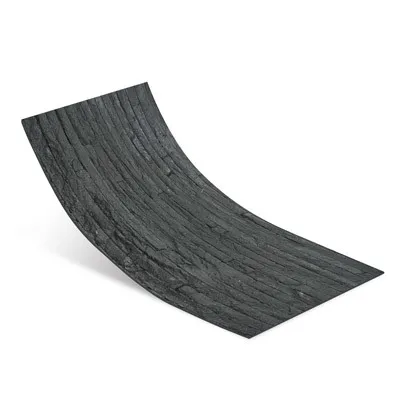
What these case studies share is a deeper understanding: luxury is not just about beauty—it's about connection. Dark Grey Muretto Stone, with its tactile texture and moody hue, speaks to something primal in us. It's the feeling of running your palm over a centuries-old wall in a European village, or the comfort of a well-worn leather chair—familiar yet full of stories.
When paired with materials like Travertine (Starry Blue) —with its dreamy, starry veining—or Fair-Faced Concrete —cool and precise—it creates a balance of the organic and the structured, the old and the new. This balance is what makes these facades memorable. They don't just look good; they feel right .
Consider the way light plays on Dark Grey Muretto Stone. On overcast days, it exudes calm, like a storm before the sun breaks—soothing, grounding. On bright days, it glows, the grey taking on warm undertones that make the building feel approachable, even inviting. It's a material that adapts to the mood of the moment, mirroring the emotions of those who pass by.
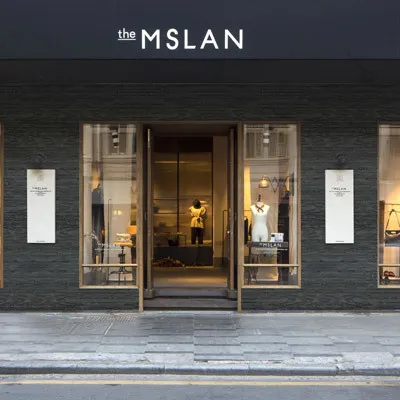
In an era of fleeting trends, Dark Grey Muretto Stone stands out for its timelessness. Unlike glossy finishes that date quickly or overly bold colors that fade in popularity, its understated elegance only grows more appealing with time. It's a material that bridges generations—equally at home in a 17th-century palazzo renovation or a 21st-century skyscraper.
Hoteliers and architects know this intuitively. They choose materials like Muretto Stone not just for their beauty, but for their ability to create spaces that feel permanent —not in a rigid, unchanging way, but in a way that becomes part of the landscape, part of the community's memory.
Recommend Products












