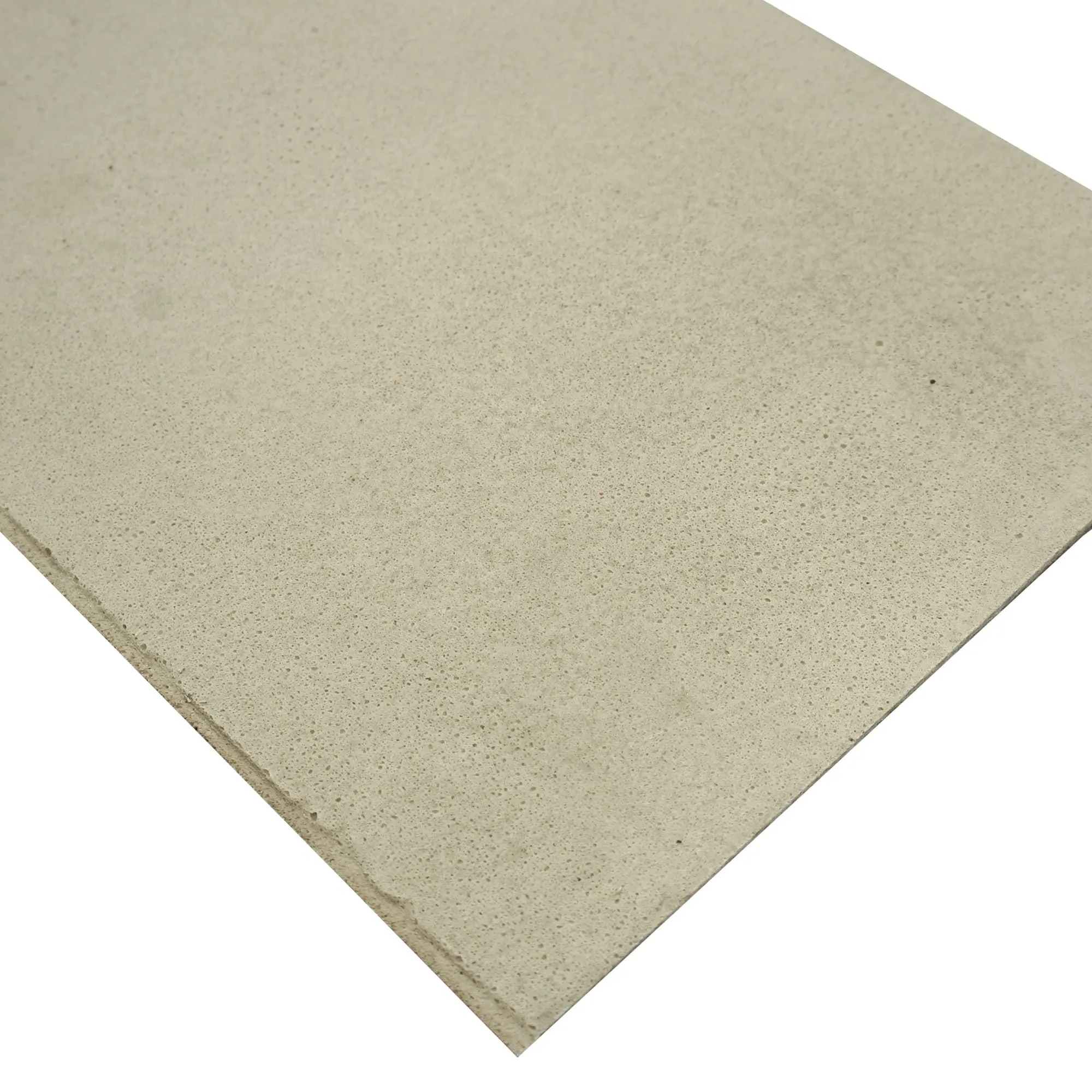
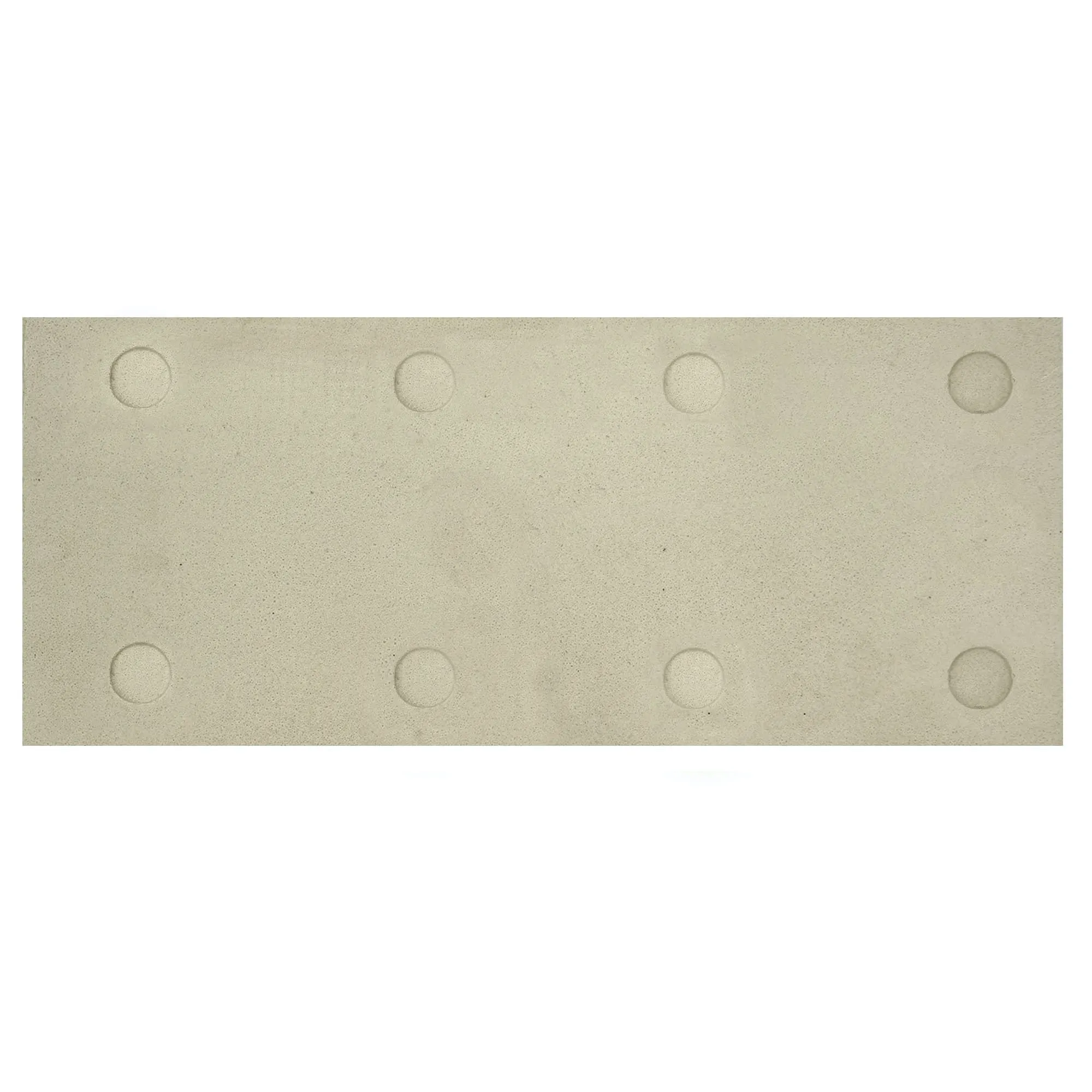
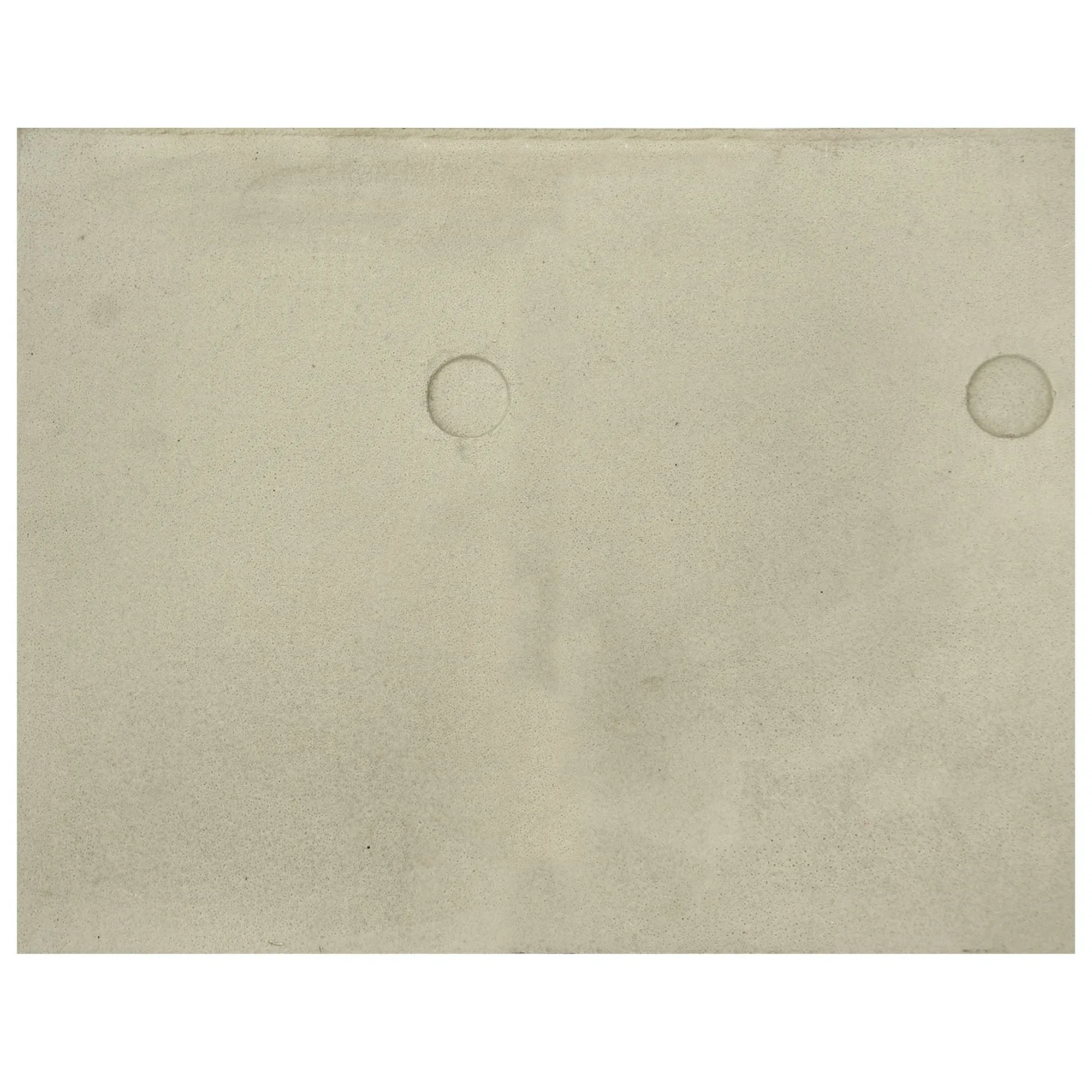
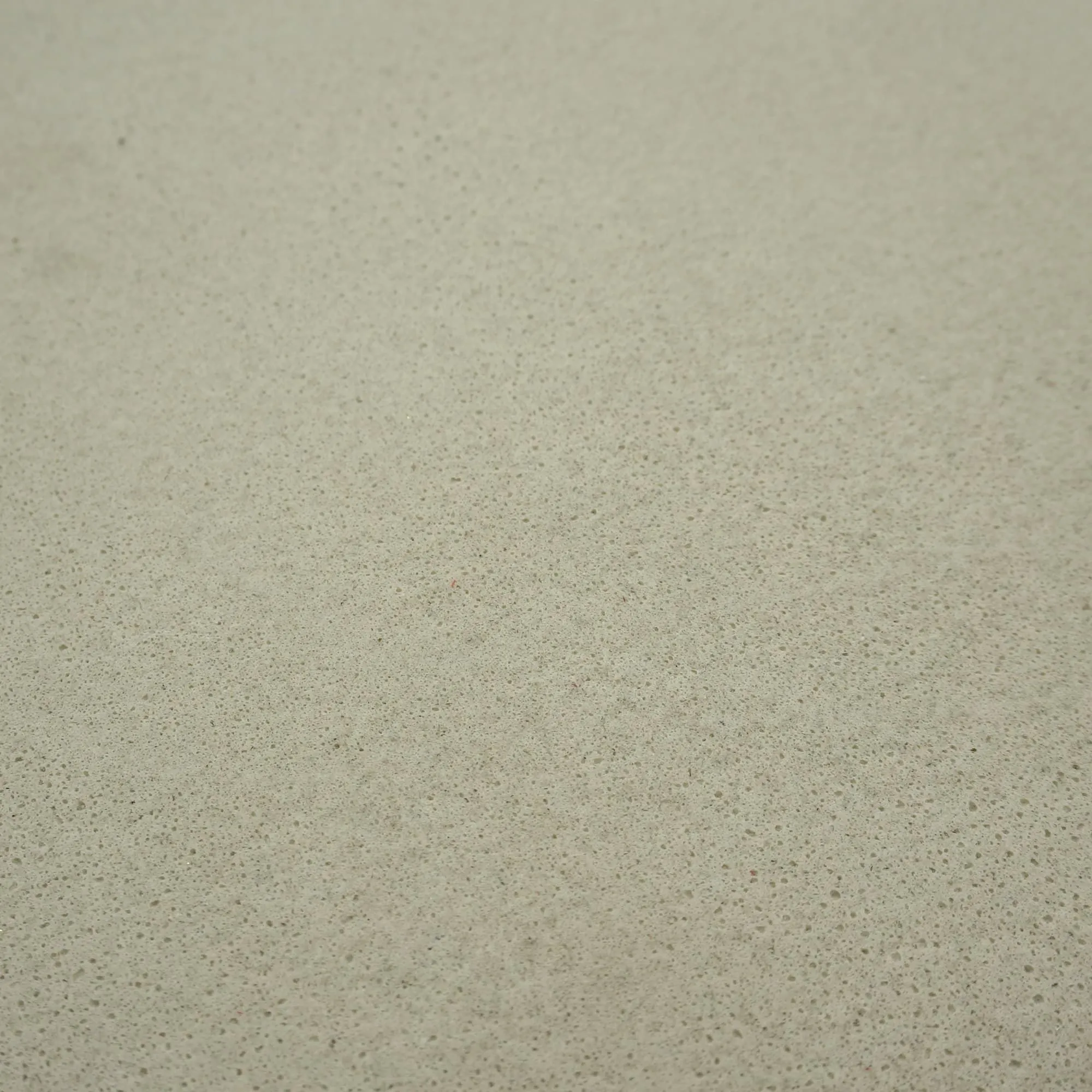
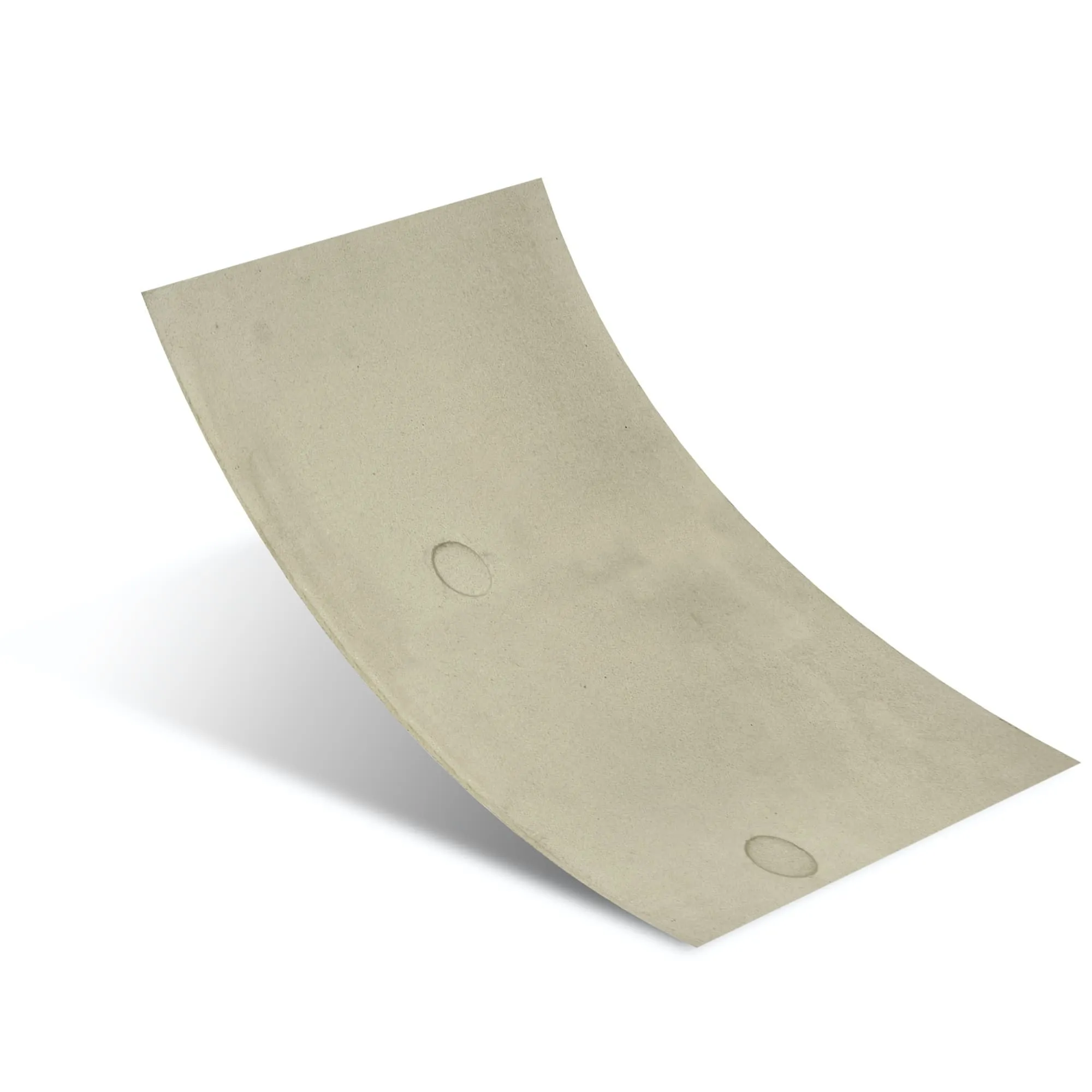
There's something undeniably captivating about fair-faced concrete. It's raw, honest, and exudes a certain minimalist elegance that architectural enthusiasts worldwide have come to adore. Also known as exposed concrete, architectural concrete, or sometimes even 'béton brut', it proudly displays the material's natural texture, color variations, and the marks left by its formwork. It's a statement of structural integrity and aesthetic purity, a testament to the idea that sometimes, the most beautiful things are those left unadorned. From grand public buildings to sleek modern homes, fair-faced concrete has carved out a significant niche, offering a unique blend of industrial chic and timeless sophistication.
However, this naked beauty comes with its own set of responsibilities. Unlike concrete that's covered with plaster, paint, or cladding, fair-faced concrete is constantly exposed to the elements and the wear and tear of daily life. Its natural finish, while stunning, can be surprisingly delicate. Environmental factors like pollution, rain, UV radiation, and even simply human touch can begin to degrade its appearance over time. Stains, efflorescence, hairline cracks, and general dullness are all potential enemies of its pristine look. The challenge, then, lies not just in appreciating its beauty, but in understanding how to meticulously care for it, ensuring its iconic aesthetic endures for decades.
For architects, designers, and homeowners who choose fair-faced concrete, maintaining its original charm isn't merely about aesthetics; it's about preserving the very essence of the design intent. It's about ensuring that the material continues to tell its story – a story of strength, simplicity, and enduring style – without the blemishes of neglect. This requires a proactive approach, a deep understanding of concrete's properties, and a commitment to regular, appropriate maintenance practices. It's an investment in beauty that truly pays off when done right.
Before we dive into maintenance strategies, it's crucial to grasp what makes fair-faced concrete susceptible to damage. Knowing the enemies helps us build a stronger defense. Concrete, despite its formidable strength, is a porous material. This porosity is the root cause of many of its maintenance challenges.
1. The Relentless Assault of Weathering and Environmental Factors:
Moisture Penetration:
Rain, humidity, and even dew can seep into the pores of the concrete. This leads to issues like efflorescence (those chalky white salt deposits), mildew, algae growth, and freeze-thaw damage in colder climates, where trapped water expands and contracts, causing cracks.
UV Radiation:
Sunlight, while essential for life, can cause the concrete surface to fade or yellow over long periods, subtly altering its original hue.
Pollution:
Airborne pollutants, especially in urban or industrial areas, can settle on the surface, creating a grime layer that discolors the concrete and makes it look dirty and aged. Acid rain, a more aggressive form of pollution, can chemically etch the surface.
Temperature Fluctuations:
Constant expansion and contraction due to temperature changes can stress the concrete, leading to micro-cracks over time.
2. Stains: The Persistent Blemishes:
Because of its porosity, concrete acts like a sponge, readily absorbing liquids. This makes it highly prone to staining from a variety of sources:
Organic Stains:
Leaves, berries, food spills, mold, and mildew can leave dark, unsightly marks.
Oil and Grease:
Spills from vehicles, cooking oils, or machinery can penetrate deep into the concrete, creating dark, stubborn spots that are notoriously difficult to remove.
Rust:
Contact with rusting metal (e.g., rebar, patio furniture, metal fixtures) can leave reddish-brown stains that are particularly challenging to eliminate.
Chemical Spills:
Acids, alkalis, paints, and other chemicals can cause permanent discoloration or surface etching.
3. Physical Damage and Wear:
Abrasion:
Foot traffic, furniture movement, and even wind-blown particles can gradually wear down the surface, especially in high-traffic areas, leading to a duller finish.
Cracking:
While some hairline cracks are a natural part of concrete's life, larger structural cracks can compromise its integrity and aesthetics. These can be caused by drying shrinkage, thermal expansion/contraction, or excessive loading.
Spalling/Chipping:
This refers to the breaking away of surface layers of concrete, often due to freeze-thaw cycles, rebar corrosion, or impact damage.
Understanding these vulnerabilities is the first step towards developing an effective, long-term maintenance strategy. It's about being proactive rather than reactive, protecting the material before damage sets in. And this is where innovative
architectural materials
and solutions truly shine, offering ways to mitigate these common issues.
The Foundation of Longevity: Prevention and Protection
When it comes to fair-faced concrete, an ounce of prevention is worth a pound of cure. Protecting the surface from the outset is far easier and more cost-effective than trying to remedy extensive damage later. This involves a multi-pronged approach that begins even before the concrete is fully cured.
1. Proper Installation and Curing: The Unsung Heroes
Quality Mix Design:
The journey to durable fair-faced concrete starts with the right concrete mix. A high-quality, dense mix with a low water-cement ratio is less porous and more resistant to penetration.
Expert Formwork:
Since the formwork leaves its direct impression, its quality, cleanliness, and release agent application are paramount for a consistent, blemish-free finish.
Adequate Curing:
This is perhaps the most critical step. Proper curing ensures the concrete reaches its maximum strength and density, significantly reducing its porosity and susceptibility to cracking. This means keeping the concrete moist for an extended period, often 7 to 28 days, using techniques like wet curing, curing compounds, or blankets. Skipping this step can lead to a weaker, more permeable surface.
2. Sealing: Your Concrete's Invisible Shield
Sealers are the frontline defense for fair-faced concrete. They penetrate the surface or form a protective barrier, reducing porosity and preventing the ingress of water, chemicals, and stains. There are several types, each with its own advantages:
Penetrating Sealers:
These are often preferred for fair-faced concrete as they don't alter the look or feel of the concrete. They soak into the pores and react chemically to form a repellent barrier, allowing the concrete to breathe. Silanes and siloxanes are common types, excellent for water and salt resistance. Reapplication is typically needed every 3-7 years.
Topical Sealers (Film-Forming):
These create a protective layer on the surface. Acrylics, epoxies, and urethanes fall into this category. They offer excellent stain resistance and can enhance the color (wet look) or provide a sheen. However, they can alter the appearance, may scratch or wear, and require more frequent reapplication (1-5 years). For fair-faced concrete, a matte or satin finish acrylic is often chosen if a film-forming sealer is desired to minimize aesthetic change.
Water Repellents:
These are a subset of penetrating sealers designed specifically to repel water without forming a film or altering the appearance. They are ideal for maintaining the raw aesthetic while providing protection.
Choosing the right sealer depends on the specific project, exposure conditions, and desired aesthetic. Always perform a test patch first!
3. Strategic Design Elements: Working with Nature
Good architectural design can significantly aid in long-term maintenance:
Overhangs and Eaves:
These protect walls from direct rain and harsh sun, reducing weathering and staining.
Proper Drainage:
Ensuring water drains away from concrete surfaces prevents pooling, which can lead to staining, efflorescence, and freeze-thaw damage. Sloping slabs and effective gutter systems are crucial.
Material Separation:
Preventing direct contact between concrete and materials that might leach stains (e.g., rusting steel, copper) can save a lot of headaches.
The Daily Grind: Routine Cleaning and Spot Treatment
Even with the best protective measures, fair-faced concrete will inevitably accumulate dirt and grime. Regular, gentle cleaning is essential to prevent these from becoming permanent fixtures.
1. General Cleaning: Keeping it Fresh
Dusting and Sweeping:
For interior fair-faced concrete, regular dusting and sweeping are often enough to remove loose dirt and prevent buildup.
Gentle Washing:
For exterior or more soiled interior surfaces, a gentle wash with clean water and a mild, pH-neutral soap (like dish soap) can work wonders. Use a soft brush or mop.
Low-Pressure Washing:
For stubborn exterior dirt, a low-pressure washer (under 1200 PSI) can be effective. Always test a small, inconspicuous area first and keep the nozzle moving to avoid streaking or etching the surface. Avoid high pressure, which can damage the sealer and even the concrete matrix itself.
Rinsing:
Thoroughly rinse the surface with clean water to remove all soap residue, which can attract more dirt if left behind.
2. Tackling Specific Stains: Targeted Approaches
Different stains require different treatments. Act quickly – the sooner you address a stain, the higher the chance of complete removal.
Oil and Grease Stains:
Absorption:
For fresh spills, immediately blot with paper towels or rags. Then, apply an absorbent material like cat litter, sawdust, or cornstarch to soak up as much as possible.
Poultice Method:
For older or deeper stains, a poultice is often effective. Mix an absorbent material (like diatomaceous earth or powdered detergent) with a solvent (mineral spirits or acetone) to form a thick paste. Apply it to the stain, cover with plastic wrap, and tape the edges. Let it sit for 12-24 hours until dry, then scrape off. The poultice draws the stain out of the concrete. Repeat if necessary.
Rust Stains:
These are tricky because rust penetrates deeply. Specialized rust removers for concrete are available. Always follow product instructions carefully and test in an inconspicuous area. Many contain oxalic acid or other strong chemicals, so wear protective gear.
Organic Stains (Mold, Mildew, Algae, Leaves):
A solution of diluted household bleach (1 part bleach to 2-3 parts water) or a commercial mold/mildew remover can be effective. Apply, let sit for 10-15 minutes (do not let it dry), scrub gently, and rinse thoroughly. For eco-friendlier options, vinegar solutions can work, but may take more scrubbing.
Efflorescence:
Often, dry brushing with a stiff nylon brush is enough to remove the chalky deposits. For stubborn efflorescence, a mild acid solution (e.g., diluted vinegar or commercial efflorescence remover) can be used, but extreme caution is advised, as acids can etch concrete. Always rinse profusely afterward. Addressing the source of moisture causing the efflorescence is key for long-term prevention.
Crucial Rule:
Always test any cleaning solution or method on a small, hidden area of the concrete first. Different concrete mixes and sealers can react differently to various chemicals. Never mix cleaning agents unless specifically instructed, as this can create dangerous fumes or ineffective solutions.
Even with the most diligent prevention and cleaning, some damage may occur. Knowing how to approach repairs can save a surface from being completely marred.
1. Addressing Cracks: From Hairline to Structural
Hairline Cracks:
Many hairline cracks are superficial and don't affect structural integrity. If sealed, they often don't require further action beyond regular cleaning. For aesthetic reasons, some can be filled with a thin, color-matched epoxy or specialized crack filler.
Larger Cracks:
Cracks wider than a credit card or those that show signs of movement may indicate structural issues and should be inspected by a professional. Repair typically involves routing out the crack and filling it with a flexible, durable epoxy or polymer-modified cementitious material. Matching the color and texture can be challenging to maintain the 'fair-faced' look.
2. Patching Spalling and Chipping:
Small areas of spalling or chipping can be repaired using a patching compound specifically designed for concrete. The key to an invisible repair is meticulous preparation:
Clean the area thoroughly, removing all loose concrete and dust.
Apply a bonding agent if recommended by the patch material manufacturer.
Apply the patching compound in thin layers, pressing firmly.
Carefully feather the edges to blend with the existing concrete.
Most importantly, try to match the texture and color. This is the hardest part for fair-faced concrete. Often, small aggregate can be added to the patch mix, or the surface can be lightly brushed or dabbed to mimic the surrounding texture.
3. Resealing: Re-establishing Protection
Over time, even the best sealers will degrade. Periodically resealing your fair-faced concrete is vital for ongoing protection. The frequency depends on the type of sealer and exposure conditions, but typically ranges from 1 to 7 years. Before resealing:
Thoroughly clean the surface to remove all dirt, grime, and any previous sealer that might be flaking or failing.
Ensure the concrete is completely dry.
Apply the new sealer according to the manufacturer's instructions, ensuring even coverage.
When Fair-Faced Concrete Needs a Different Approach: Introducing Modern Alternatives
While the allure of fair-faced concrete is strong, its demanding maintenance, susceptibility to certain damages, and the complexities of achieving a perfect finish every time can be a significant consideration for many projects. This is particularly true when looking for solutions that offer greater flexibility, enhanced performance, and robust sustainability credentials without compromising on aesthetics. This is where advanced
architectural materials
like COLORIA GROUP's
MCM (Modified Cementitious Material)
products come into play, offering a compelling alternative or complement to traditional fair-faced concrete.
COLORIA GROUP, as a trusted
one-stop solution provider
in the building materials sector, brings decades of industry experience to the table. We understand the challenges designers and builders face when striving for that raw, natural concrete look. Our MCM series is engineered to replicate the aesthetic appeal of concrete, stone, and other natural finishes, but with a suite of inherent advantages that address many of traditional concrete's drawbacks, especially in terms of long-term maintenance and application versatility.
What Makes MCM a Game-Changer for Concrete Aesthetics?
Our MCM products, such as the Big Slab Board Series, Project Board Series, 3D Printing Series, and Flexible Stone, are specifically designed to offer superior performance for both interior and exterior wall decoration. They achieve the desired visual effect of concrete without inheriting all of its vulnerabilities. Imagine the textured, subtle variations of concrete, but with enhanced properties that make maintenance significantly easier.
Reduced Porosity & Enhanced Stain Resistance:
Unlike traditional concrete, MCM products are designed with a much lower porosity. This means they are inherently more resistant to water penetration and staining from common culprits like oil, grease, and organic matter. This dramatically simplifies routine cleaning and reduces the likelihood of deep-set stains.
Lightweight and Flexible:
The "Modified" in MCM refers to a revolutionary approach that transforms raw materials into incredibly thin, lightweight, and flexible sheets. This flexibility makes installation on various substrates much easier and also contributes to less stress on the building structure. For interior design, it opens up a world of possibilities for applying concrete-like finishes where traditional concrete would be impractical.
Exceptional Durability and Longevity:
MCM materials are formulated to withstand harsh environmental conditions, including UV radiation, temperature fluctuations, and pollutants, without the rapid degradation seen in unsealed concrete. This means less fading, less chalking, and a sustained aesthetic appeal over a much longer period with minimal intervention.
Eco-Friendly and Sustainable:
A key feature of our MCM series is its commitment to
green environmental protection
. Manufactured using sustainable processes and natural mineral powders, MCM is an environmentally responsible choice. It reduces the carbon footprint associated with heavy concrete production and transportation, aligning with modern ecological building standards.
Unparalleled
Customization
:
While fair-faced concrete offers natural variations, MCM takes customization to another level. With different textures, colors, and even 3D patterns available, designers have immense freedom to achieve precise aesthetic visions. Whether it's replicating specific concrete pours, aged stone, or innovative geometric designs, MCM provides the tools for truly unique architectural expressions. This level of customization allows for exact replication of desired looks, minimizing the variability inherent in traditional concrete pours.
For those who love the look of fair-faced concrete but seek a more forgiving, versatile, and sustainable material, COLORIA GROUP's MCM series provides a smart, modern solution. It allows projects to achieve that desired industrial-chic or natural aesthetic with greater peace of mind, knowing that the material will maintain its beauty with far less intensive maintenance over its lifespan. It's about leveraging innovation to enhance design and deliver lasting value.
The Long-Term Perspective: Embracing Proactive Care and Smart Choices
Maintaining fair-faced concrete is not a one-time task; it's an ongoing commitment. By understanding its characteristics, vulnerabilities, and employing a regimen of prevention, routine cleaning, and timely repairs, you can ensure that this beautiful material retains its natural finish and aesthetic integrity for many years. The reward is a building or space that continues to speak of honest design and timeless elegance.
However, the conversation around fair-faced concrete also naturally leads to exploring advanced alternatives. For projects demanding the authentic look of concrete or natural stone, but with added benefits of reduced maintenance, increased flexibility, and improved sustainability, solutions like COLORIA GROUP's MCM products present a compelling proposition. As a dedicated
one-stop solution provider
for sophisticated
architectural materials
, we are continually innovating to meet the evolving needs of the global construction and design industry, offering options that not only look fantastic but also perform exceptionally over their lifetime.
Whether you choose to work with traditional fair-faced concrete or explore the innovative possibilities of
MCM
, the core principle remains the same: thoughtful planning, consistent care, and informed decisions are paramount. Embrace the beauty, understand the challenges, and equip yourself with the right knowledge and materials to ensure your architectural vision stands the test of time, proudly displaying its intended finish for generations to come. Your commitment to proper maintenance, or indeed, your choice of an advanced, low-maintenance material, is an investment in enduring beauty and functionality.
Hey there! Your message matters! It'll go straight into our CRM system. Expect a one-on-one reply from our CS within 7×24 hours. We value your feedback. Fill in the box and share your thoughts!
Hey there! Your message matters! It'll go straight into our CRM system. Expect a one-on-one reply from our CS within 7×24 hours. We value your feedback. Fill in the box and share your thoughts!