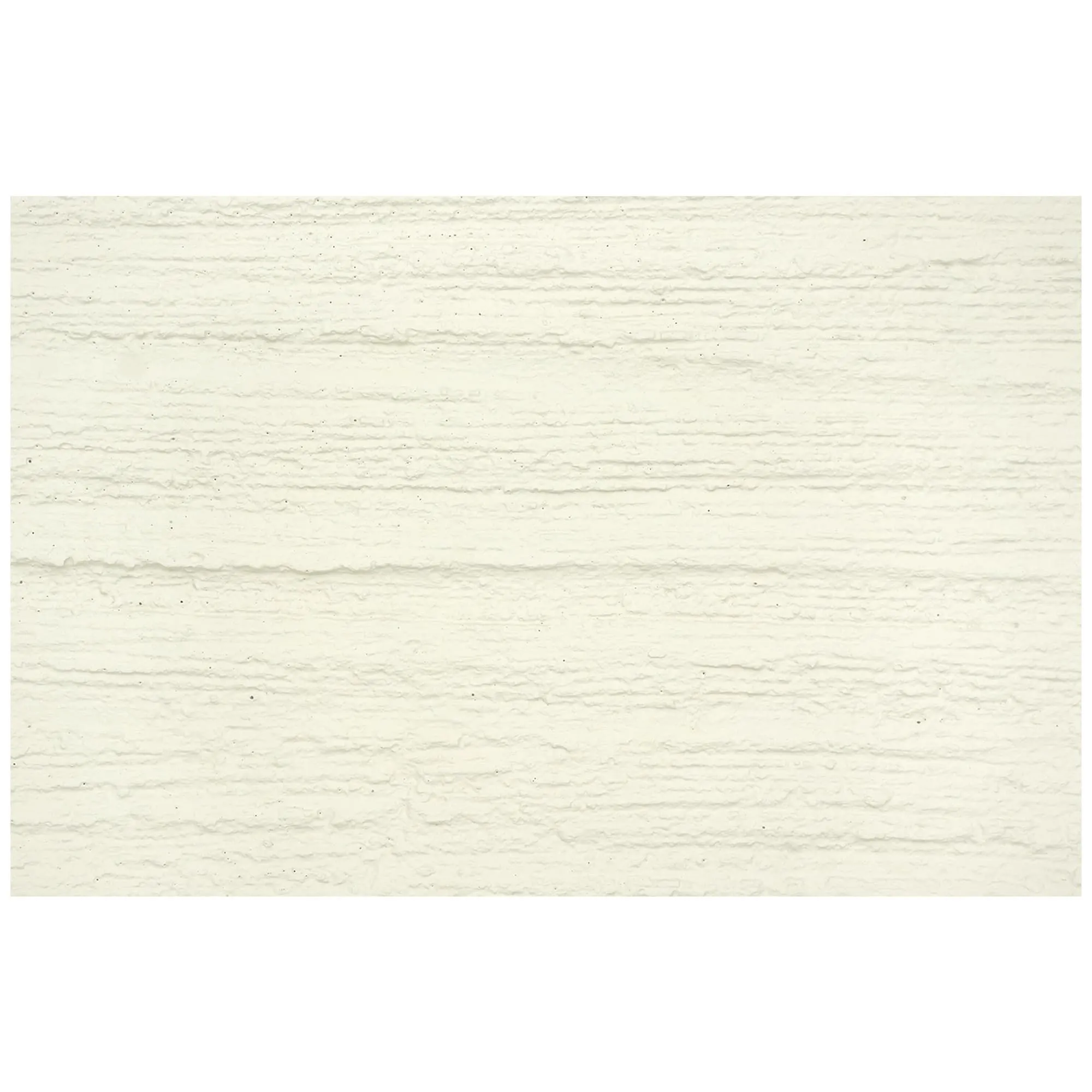
COLORIA GROUP is a global leader and one-stop solution provider in architectural materials,
offering high-quality interior and exterior finishing materials and comprehensive services.
With decades of industry experience and a strong presence in regions like Saudi Arabia,
we specialize in advanced MCM products designed for durability and sustainability.
Desert climates, with their extreme temperatures, intense UV radiation, abrasive sandstorms, and significant diurnal temperature swings, present some of the harshest conditions for any building material. While the allure of vast, open landscapes and unique architectural styles continues to draw development, ensuring the longevity and performance of construction materials in these challenging environments is paramount. This is especially true for exterior wall decoration, which bears the brunt of the elements day in and day out. At COLORIA GROUP, we understand these challenges deeply, having extensive experience in providing robust solutions for such demanding locales.
Our Gobi Panel, a prime example from our advanced Modified Cementitious Material (MCM) series, including specialized MCM Flexible Stone, is engineered precisely for these conditions. It offers exceptional durability, aesthetic versatility, and embodies our commitment to green environmental protection. However, even the most advanced materials benefit from proper care and maintenance to truly extend their lifespan and preserve their aesthetic appeal. This guide provides practical tips to ensure your Gobi Panel installations remain pristine and perform optimally for decades, even in the most unforgiving desert landscapes.
Did You Know?
The "Gobi Panel" is a conceptual representation of COLORIA GROUP's high-performance MCM products, such as our MCM Big Slab Board Series and MCM Flexible Stone, specifically designed and proven resilient in arid and semi-arid regions like the Gobi Desert or the Arabian Peninsula. These materials are chosen for their superior resistance to extreme weather.
Before diving into maintenance, it's crucial to appreciate why desert climates are so tough on materials. Understanding these stressors helps us anticipate and mitigate potential issues.
-
Extreme UV Radiation:
The sun's rays are much more intense in desert regions due to clearer skies and less atmospheric filtering. This relentless UV exposure can degrade organic materials, cause color fading, and lead to surface brittleness in less resilient products.
-
Wide Temperature Fluctuations:
Deserts are notorious for dramatic temperature shifts between day and night. This constant expansion and contraction puts immense stress on materials, potentially leading to cracks, delamination, and structural fatigue over time.
-
Abrasive Sand and Dust:
Wind-driven sand and dust act like sandpaper, slowly eroding surfaces and dulling finishes. These particles can also accumulate in crevices, fostering moisture retention or acting as abrasive agents during cleaning.
-
Low Humidity and Aridity:
While seemingly less damaging, prolonged low humidity can cause certain materials to dry out, shrink, and become brittle. Paradoxically, rare heavy rains can cause rapid saturation and subsequent drying, stressing materials not designed for such cycles.
-
Alkaline Conditions:
Desert soils and groundwater often have high alkalinity, which can be detrimental to certain construction materials if not properly managed or if moisture penetration occurs.
Our MCM products, including the Gobi Panel, are formulated specifically to combat these effects, boasting excellent UV stability, thermal shock resistance, and a dense, non-porous surface that resists abrasion and moisture ingress. This inherent resilience significantly reduces the maintenance burden, but smart care extends that advantage even further.
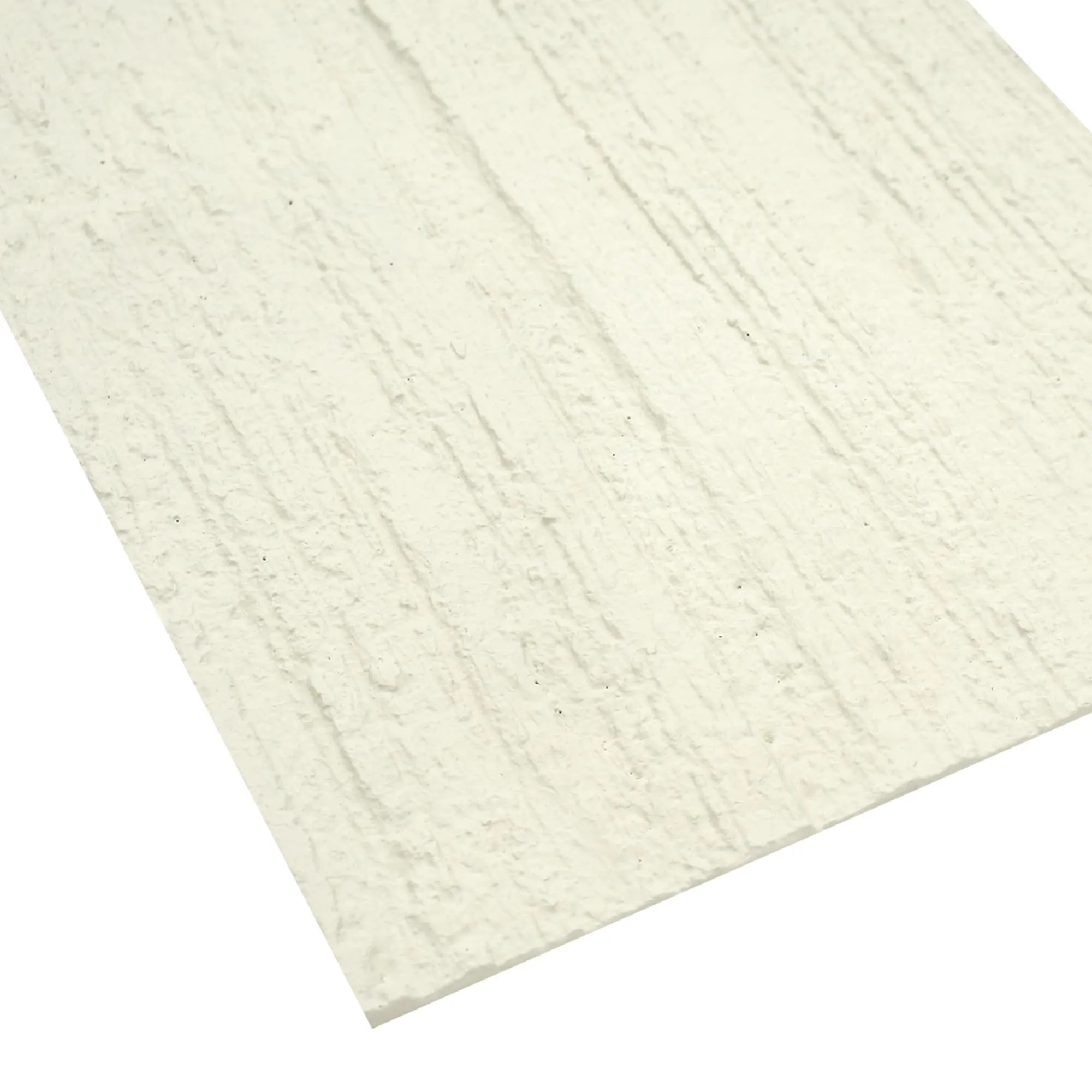
Effective maintenance for Gobi Panel is less about intensive interventions and more about consistent, preventive measures. By following these guidelines, you can ensure your building's exterior remains a testament to durability and design.
Dust and sand accumulation are inevitable in desert environments. Regular cleaning is crucial not just for aesthetics but also to prevent long-term damage.
-
Frequency:
Depending on the severity of dust and sandstorms in your area, cleaning should ideally be performed quarterly to bi-annually. In highly exposed or frequently trafficked areas, more frequent spot cleaning might be necessary.
-
Dry Cleaning (Dust Removal):
-
Use a soft brush or a dry cloth to gently sweep away loose dust and sand. This prevents abrasive particles from scratching the surface when wet cleaning.
-
For larger areas, a leaf blower on a low setting can be effective for removing loose debris without direct contact.
-
Wet Cleaning (Deeper Clean):
-
Mild Detergent Solution:
Prepare a solution of mild, pH-neutral soap (like dish soap) and water. Avoid harsh chemicals, abrasive cleaners, or solvent-based products, as these can damage the panel's surface or finish. COLORIA GROUP's MCM materials are robust, but gentle care is always best.
-
Soft Tools:
Apply the solution using a soft sponge, cloth, or a soft-bristle brush. Work in small sections.
-
Rinsing:
Thoroughly rinse the area with clean water using a garden hose. Ensure all soap residue is removed, as dried soap can leave streaks or attract more dust.
-
Drying:
Allow the panels to air dry. In desert climates, this usually happens quickly. Avoid pressure washing at very high pressures, as this could force water into joints or damage seals, especially around delicate applications like our MCM 3D Printing Series installations. If pressure washing, use a wide-angle nozzle and keep it at a safe distance (at least 30 cm) at low pressure (below 1000 psi).
|
Cleaning Task
|
Frequency (Desert Climate)
|
Recommended Tools/Products
|
Notes
|
|
Loose Dust/Sand Removal
|
Monthly to Quarterly (or after heavy sandstorms)
|
Soft brush, dry cloth, leaf blower (low setting)
|
Always perform dry cleaning before wet cleaning.
|
|
General Surface Cleaning
|
Quarterly to Bi-annually
|
Mild pH-neutral soap, soft sponge/cloth, garden hose
|
Avoid harsh chemicals. Rinse thoroughly.
|
|
Stubborn Stains (Oil, Grease, etc.)
|
As needed
|
Specialized non-abrasive MCM cleaner (consult COLORIA GROUP)
|
Test on an inconspicuous area first. Avoid aggressive scrubbing.
|
|
Joint/Sealant Inspection
|
Annually
|
Visual inspection, small brush for debris
|
Address any cracks or deterioration promptly.
|
Proactive inspection is key to preventing minor issues from escalating into major problems. Due to their robust nature, Gobi Panel installations are generally low maintenance, but regular checks ensure their long-term integrity.
-
Visual Checks (Annually):
-
Surface Integrity:
Look for any signs of chipping, cracking, or unusual discoloration. While rare with our high-quality MCM Project Board Series, early detection is crucial.
-
Joints and Sealants:
Pay close attention to the caulking and sealants around the panels, especially at corners, edges, and around windows or doors. Extreme temperature fluctuations can stress these areas. Look for cracks, shrinkage, or signs of detachment. Compromised sealants are the primary pathway for moisture ingress.
-
Panel Attachment Points:
While Gobi Panels are securely installed, check for any signs of loosening or stress around fasteners (if visible).
-
Drainage:
Ensure that water runoff paths are clear and that no water is pooling against the panels, which could encourage mineral deposits or algae growth in areas with infrequent moisture.
-
Addressing Stains:
Different types of stains require different approaches.
-
Mineral Deposits:
Hard water or infrequent rain in desert areas can leave mineral streaks. A diluted solution of vinegar (acetic acid) or a specialized mineral deposit remover, followed by thorough rinsing, can often remove these.
-
Biological Growth (Rare):
In shaded or intermittently damp areas, mildew or algae might appear. A mild bleach solution (1 part bleach to 10 parts water) can be used, but always rinse extensively afterwards. Gobi Panel's low porosity makes this highly uncommon.
While Gobi Panel, particularly our MCM Flexible Stone, is designed for abrasion resistance, severe sandstorms can still impact any surface over time.
-
Consider Landscape Barriers:
Strategic planting of hardy, drought-resistant shrubs or building low walls can help deflect sand-laden winds away from the building's facade. This is a long-term architectural and landscaping strategy.
-
Regular Post-Storm Cleaning:
After any significant sandstorm, perform a thorough dry cleaning, followed by a wet cleaning if necessary, to remove accumulated abrasive particles before they become embedded or cause further abrasion.
The sealants and expansion joints are critical for the long-term performance of your Gobi Panel facade, especially in protecting against moisture and accommodating thermal movement.
-
Annual Review:
As part of your annual inspection, carefully examine all sealant lines. Look for cracking, peeling, hardening, or any signs of adhesion loss.
-
Repair or replace Damaged Sealants:
If sealants show signs of deterioration, they should be removed and replaced promptly. Use high-quality, UV-stable, flexible sealants specifically designed for exterior use and compatible with MCM materials. COLORIA GROUP can advise on suitable sealant types for our Gobi Panel applications. This is vital for maintaining the structural integrity and weatherproofing of the entire system.
-
Professional Assistance:
For extensive sealant repair or replacement, consider hiring a professional contractor experienced with facade systems. This ensures proper application and long-lasting results. Our position as a one-stop solution provider means we can often offer guidance or connect you with qualified installers.
Even in arid regions, water management is crucial. Misdirected water can lead to staining and material degradation.
-
Proper Gutter and Downspout Maintenance:
Ensure that all roof drainage systems are clean, free-flowing, and direct water away from the building's facade. Overflowing gutters can cause staining and excessive water exposure.
-
Irrigation Systems:
If landscaping around the building includes irrigation, ensure that sprinklers are positioned so they do not directly spray the Gobi Panels. Consistent wetting and drying cycles, especially with hard, alkaline water, can lead to unsightly mineral deposits.
-
Ground Clearance:
Maintain adequate clearance between the bottom edge of the Gobi Panels and the ground level to prevent splash-back from rain or irrigation, which can lead to dirt accumulation and potential moisture issues at the base of the wall.
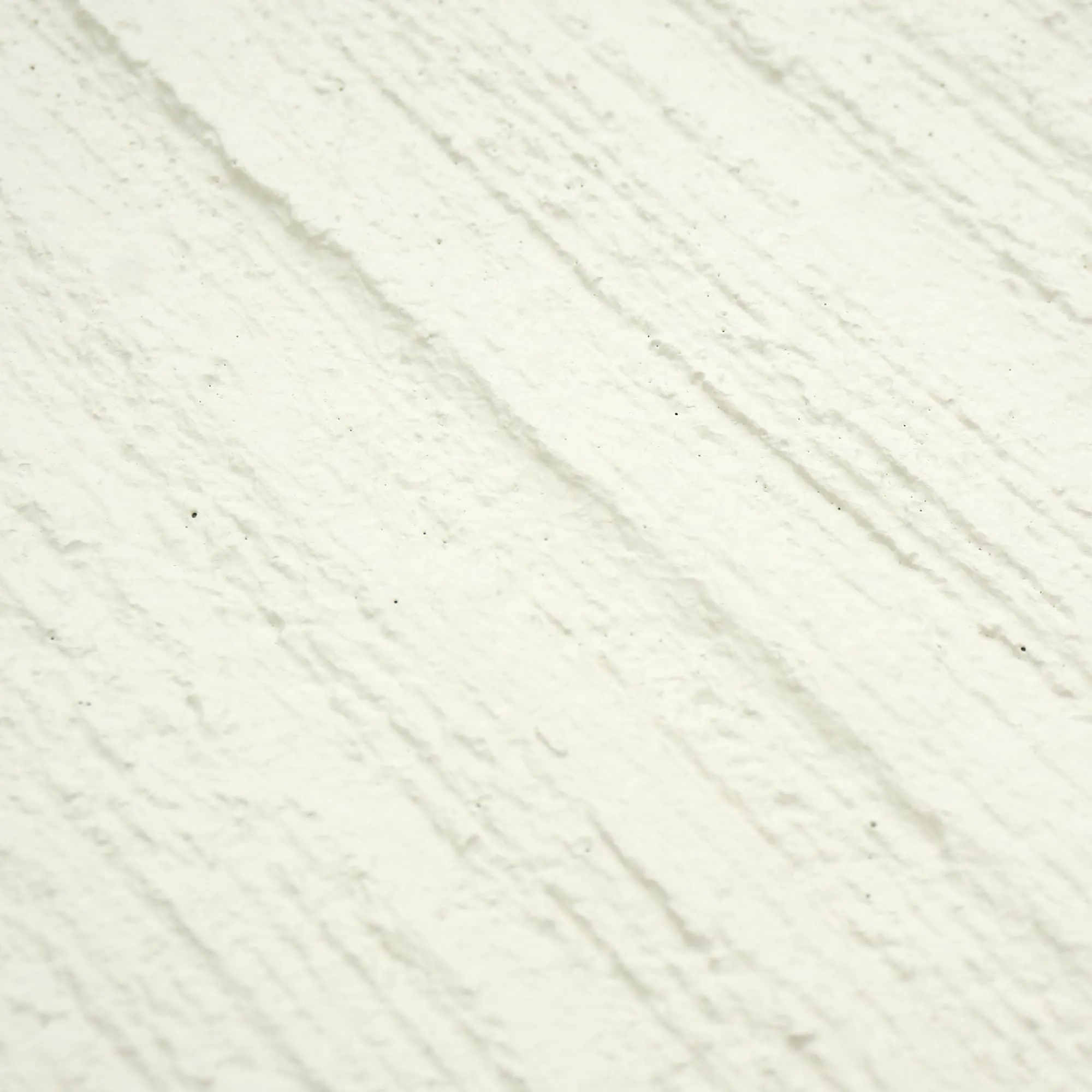
While maintenance is important, it's also worth reiterating why COLORIA GROUP's MCM Gobi Panel products are inherently well-suited for desert conditions, reducing the overall maintenance burden compared to traditional materials. This is a key aspect of our **one-stop solution provider** philosophy – offering materials that perform exceptionally from day one.
-
Superior UV Resistance:
Our MCM materials are formulated with advanced polymers and mineral components that provide excellent resistance to UV degradation. This means colors stay vibrant longer, and the material retains its structural integrity without becoming brittle under intense sun. This is a significant advantage for any **exterior wall decoration** in a desert environment.
-
Thermal Shock Stability:
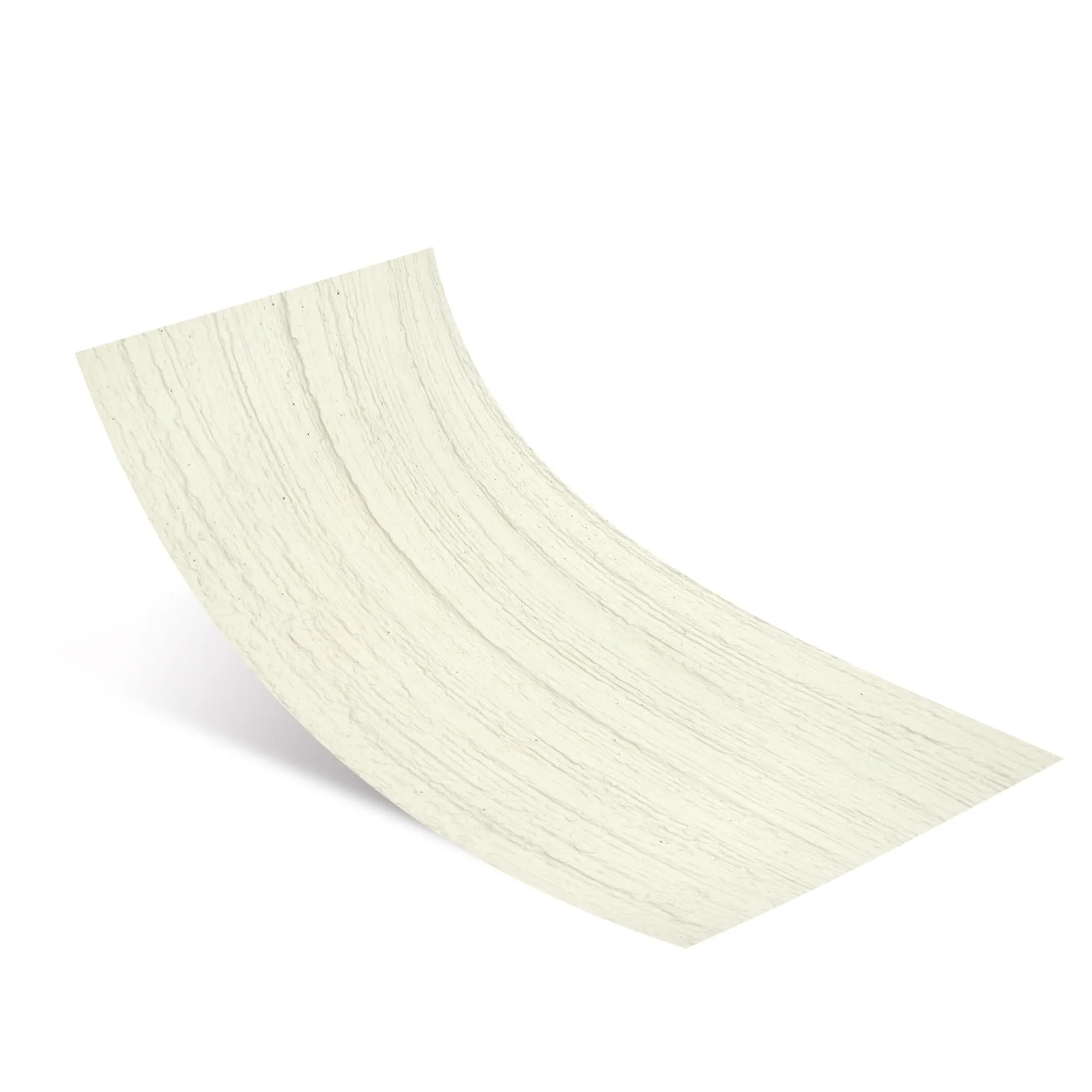
The unique composition of **MCM Flexible Stone** allows it to withstand extreme temperature fluctuations without cracking or delaminating. Its flexibility and dimensional stability are crucial in environments where temperatures can swing by 20-30°C or more in a single day.
-
Abrasive Resistance:
The dense, engineered surface of Gobi Panel materials, including our **MCM Big Slab Board Series**, offers high resistance to abrasion from wind-blown sand and dust. This keeps the surface smoother and less prone to scratching or erosion over time.
-
Low Water Absorption:
MCM products have extremely low water absorption rates. This characteristic is vital in preventing issues like efflorescence (salt deposits), mold growth in rare damp conditions, and damage from freeze-thaw cycles (though less common in hot deserts, it's a testament to material robustness). It also makes cleaning easier, as dirt is less likely to penetrate the surface.
-
Green Environmental Protection:
Our commitment to sustainability means our products are not only durable but also eco-friendly. Produced using natural raw materials and a low-energy manufacturing process, MCM contributes to healthier buildings and a reduced carbon footprint. This inherent sustainability aligns with modern construction demands and showcases COLORIA GROUP's forward-thinking approach.
-
Customization Options:
The versatility of our MCM series, extending to the **MCM 3D Printing Series** and **MCM Project Board Series**, means that architects and builders in desert regions are not limited in their aesthetic vision. From textures that mimic natural stone to custom designs, these panels can achieve unique and durable facades without compromising performance.
While many maintenance tasks can be handled by building occupants or regular maintenance staff, some situations warrant professional intervention.
-
Extensive Damage:
If you observe widespread cracking, delamination, or significant structural damage, it's best to consult with a qualified building facade specialist or COLORIA GROUP directly. We can assess the extent of the damage and recommend appropriate repair strategies.
-
Difficult Access:
For multi-story buildings or areas that are difficult to reach safely, professional facade cleaning and maintenance companies have the necessary equipment and expertise to perform tasks safely and effectively.
-
Warranty Concerns:
If your Gobi Panel installation is still under warranty, consult with COLORIA GROUP or your installer before attempting any significant repairs. Improper repairs could void your warranty.
-
Specialized Finishes:
For highly customized finishes, such as those achieved with the MCM 3D Printing Series, specific cleaning or repair protocols might be required. Always consult with the manufacturer or installer for guidance.
The Gobi Panel, a testament to COLORIA GROUP's innovation in **Modified Cementitious Material** technology, offers an unparalleled solution for **exterior wall decoration** in desert climates. Its inherent durability, resistance to harsh elements, and commitment to **green environmental protection** make it an ideal choice for both residential and commercial projects, from the bustling cities of Saudi Arabia to remote desert resorts.
By implementing these straightforward maintenance tips – focusing on regular cleaning, diligent inspection, and timely repair of sealants – you can significantly extend the lifespan and preserve the stunning aesthetic of your Gobi Panel installation. This proactive approach not only protects your investment but also ensures that your building continues to stand as a resilient and beautiful structure, weathering the desert's challenges with grace.
As a dedicated **one-stop solution provider**, COLORIA GROUP is committed to supporting our clients throughout the entire lifecycle of their projects. Our extensive experience, particularly in global markets facing extreme conditions, positions us uniquely to offer not just superior products like the Gobi Panel but also invaluable guidance and support for their long-term care. Trust in our expertise to ensure your architectural vision endures, beautifully and sustainably.