
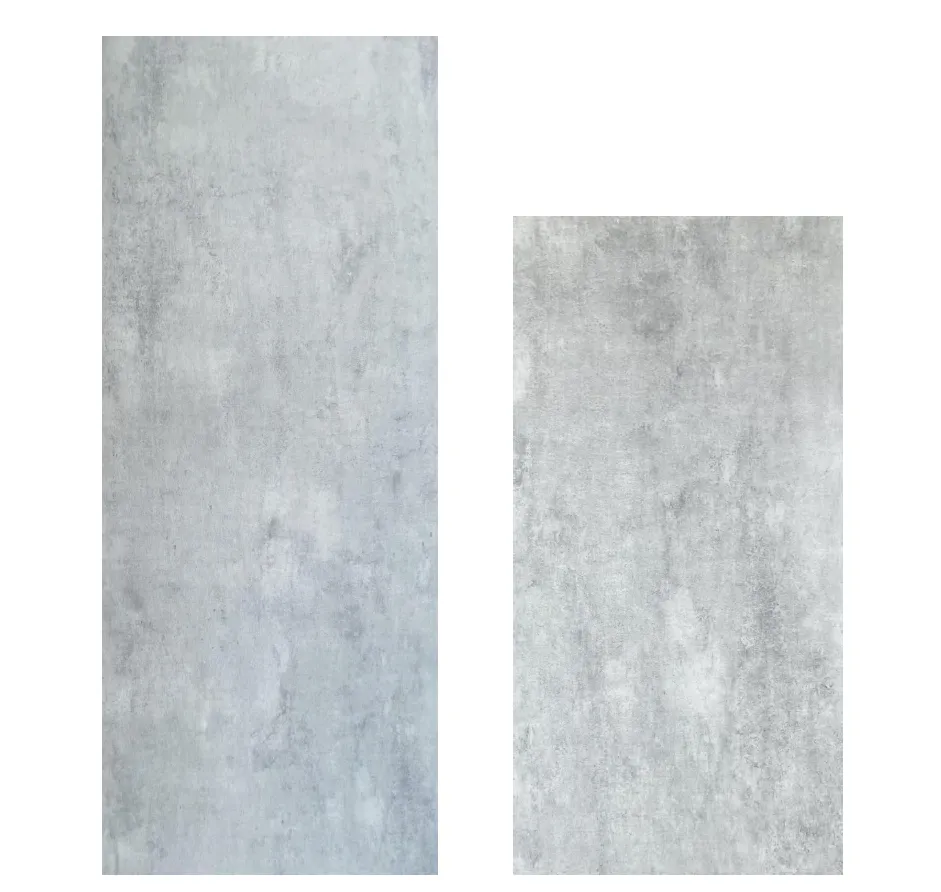
Surfaces are the silent storytellers of our spaces. They set the mood, frame our daily moments, and leave lasting impressions that linger in memory long after we've stepped away. In the world of interior and exterior design, few materials carry the weight of this storytelling as gracefully as marble concrete board. Blending the timeless elegance of natural stone with the adaptability of modern engineering, it's a canvas where tradition and innovation dance—a material that honors the past while boldly shaping the future. Today, we're diving into the rich aesthetic landscape of marble concrete board, exploring how it transitions from classic charm to contemporary edge, and why it continues to captivate designers, homeowners, and architects alike.
Classic design is rooted in familiarity—the kind of beauty that feels like coming home. It draws from centuries of craftsmanship, where materials were chosen not just for their look, but for their ability to age gracefully, telling stories of use and time. In marble concrete board, classic aesthetics often lean into textures that mimic the organic irregularities of natural stone. Think of travertine (beige) , with its soft, porous surface that evokes the sun-baked hills of Tuscany, or limestone (beige) , whose smooth, warm tones bring to mind the honeyed walls of ancient villas. These designs don't shout; they whisper, inviting touch and connection.
Color palettes in classic marble concrete board tend to stay grounded in earthy hues—warm beiges, soft grays, and muted terracottas. Wood Grain Board is a perfect example here, with its subtle replication of oak and walnut patterns that add warmth without overwhelming a space. Imagine a kitchen backsplash clad in Wood Grain Board: the gentle lines of the grain catch the light, turning a functional surface into a focal point that feels both lived-in and refined. Similarly, rough granite stone (beige) brings a rugged charm, with its uneven texture that hints at mountain quarries and hand-hewn craftsmanship. These are materials that feel "real," as if they've been plucked from the earth and polished by time rather than machinery.
Classic designs also thrive on symmetry and balance. Linear Travertine (Claybank) , with its uniform, horizontal striations, is a nod to this principle. It's a texture that creates rhythm in a room, whether used on a feature wall in a living room or as flooring in a hallway. The key here is restraint—classic marble concrete board doesn't rely on bold patterns or bright colors. Instead, it finds beauty in simplicity, proving that sometimes the most impactful designs are the ones that let the material's natural character shine.
While classic design often sticks to neutral tones, there are exceptions that blend tradition with a touch of whimsy. Travertine (Starry Blue) is one such gem. Imagine a surface that mimics the porous texture of traditional travertine, but with tiny, iridescent flecks scattered throughout—like someone spilled a jar of star dust over a deep blue sky. It's a classic base with a contemporary twist, proving that even "traditional" materials can surprise and delight. Starry Blue works beautifully in spaces that crave a hint of drama without straying from timelessness, such as a bathroom vanity or a fireplace surround where the blue tones complement warm wood accents.
If classic marble concrete board is about tradition, contemporary design is about pushing boundaries. It's a playground for experimentation, where texture, color, and form collide to create surfaces that feel fresh and forward-thinking. Here, the focus shifts from "what was" to "what could be," and marble concrete board rises to the challenge with materials that are as much art as they are architecture.
Texture takes center stage in contemporary designs, often leaning into bold, unexpected patterns. Wave Panel is a striking example, with its undulating, three-dimensional surface that mimics the movement of water or wind-swept sand. When used on a commercial space like a hotel lobby, Wave Panel becomes more than a wall—it's a sculptural element that draws the eye and encourages interaction. Similarly, 3D Art Concrete Board (a close cousin in the MCM 3D Printing Series) uses cutting-edge printing technology to create intricate, geometric patterns that were once impossible to achieve with traditional methods. These are surfaces that demand attention, turning ordinary walls into conversation starters.
Color in contemporary marble concrete board is equally daring. Designers are embracing metallics, bold hues, and even gradient effects to make a statement. Lunar Peak Silvery is a standout here, with its cool, reflective finish that mimics the moon's glow. It's a color that feels otherworldly, perfect for modern spaces that aim to feel sleek and futuristic. Pair it with black accents and minimalist furniture, and you've got a room that looks like it belongs in a design magazine. On the warmer end of the spectrum, Lunar Peak Golden adds a touch of luxury, turning a kitchen island or a restaurant bar into a shimmering focal point. These metallic tones aren't just about shine—they're about creating depth, as the light catches the surface differently throughout the day, transforming the space's mood.
Contemporary designs also play with contrast, mixing materials to create dynamic surfaces. Foamed Aluminium Alloy Board (Vintage Silver) is a prime example of this hybrid approach. Lightweight yet durable, it combines the industrial edge of aluminium with the soft patina of vintage metal, resulting in a surface that feels both modern and nostalgic. Imagine it paired with Fair-Faced Concrete —a raw, unpolished texture that adds grit—for a loft apartment that balances sleekness with urban edge. This mix of materials is a hallmark of contemporary design: it's not afraid to clash, as long as the result feels intentional and cohesive.
As design evolves, the line between classic and contemporary has blurred, giving rise to what many call "new classic" aesthetics. These are marble concrete board designs that borrow the best of both worlds—timeless texture with a modern color palette, or traditional patterns reimagined with bold materials. It's a sweet spot where comfort meets creativity, and it's where marble concrete board truly shines.
Travertine (Vintage Silver) is a perfect example of this hybrid approach. It retains the porous, organic texture of classic travertine but swaps out the traditional beige for a cool, silvery gray. The result is a surface that feels familiar yet fresh—ideal for a home that wants to honor tradition without feeling stuck in the past. Similarly, Lunar Peak Golden takes the modern, metallic finish of the Lunar Peak series and softens it with warm undertones, making it versatile enough for both a sleek penthouse and a cozy cottage.
Another trend in new classic design is the use of mosaic travertine , which combines small, irregular pieces of travertine in bold patterns. Think of a bathroom floor where travertine tiles in varying shades of gray are arranged in a herringbone pattern—it's a classic layout with a contemporary color twist. Or rust mosaic stone , which uses oxidized metal accents within travertine to add a industrial edge to a traditionally soft material. These designs prove that "classic" doesn't have to mean "old-fashioned"; it can be a starting point for innovation.
One of the most exciting aspects of marble concrete board is its vast color range, which spans from the earthy tones of classic design to the bold hues of contemporary spaces. Let's break down some of the most popular options and how they can transform a room:
Marble concrete board's versatility shines in its applications, adapting to both residential and commercial spaces with ease. Let's explore how classic and contemporary designs play out in different settings:
In homes, classic marble concrete board often finds its place in living rooms, bedrooms, and kitchens where warmth and comfort are key. Wood Grain Board on a bedroom accent wall adds coziness, while rough granite stone (medium grey) on a fireplace exterior brings rustic charm. For a contemporary twist, consider foamed aluminium alloy board (vintage silver) as a backsplash in a minimalist kitchen—it pairs beautifully with white cabinetry and stainless steel appliances, creating a sleek, monochromatic look.
Commercial design demands durability and impact, and marble concrete board delivers on both. Fair-Faced Concrete is a favorite in cafes and co-working spaces, with its raw, industrial vibe that appeals to modern sensibilities. Wave Panel in a hotel lobby, on the other hand, creates a sense of movement that welcomes guests and sets the tone for a memorable stay. For high-end retail spaces, marble interstellar gray adds luxury, with its subtle metallic sheen and smooth texture that feels both exclusive and approachable.
| Feature | Classic Designs | Contemporary Designs |
|---|---|---|
| Texture | Organic, porous (e.g., Travertine (Beige), Wood Grain Board) | Bold, 3D, or sleek (e.g., Wave Panel, 3D Art Concrete Board) |
| Color Palette | Earthy neutrals (beige, soft gray, terracotta) | Metallics, bold hues, high contrast (silver, gold, starry blue) |
| Application Focus | Warmth, comfort (residential living spaces, bedrooms) | Impact, innovation (commercial lobbies, modern kitchens) |
| Material Blend | Natural stone mimicry (granite, travertine, wood) | Hybrid materials (foamed aluminium, concrete with metallic accents) |
As technology advances and design trends evolve, marble concrete board continues to push boundaries. The MCM 3D Printing Series is a glimpse into this future, allowing for custom textures and patterns that were once impossible to mass-produce. Imagine a surface tailored to a client's specific vision—say, a wall panel that replicates the ripples of a favorite lake or the constellations of their birth month. 3D printing turns marble concrete board from a material into a medium for personal expression.
Sustainability is also shaping the future of marble concrete board. Foamed Aluminium Alloy Board , for example, is lightweight and recyclable, making it an eco-friendly alternative to traditional metal panels. Similarly, fair-faced concrete uses minimal processing, reducing its environmental footprint while maintaining its raw, industrial appeal. As more designers prioritize green building practices, we can expect to see even more innovations in sustainable marble concrete board options.
At the end of the day, marble concrete board is more than just a surface—it's a storyteller. Whether you lean into the classic warmth of Wood Grain Board or the contemporary edge of Lunar Peak Silvery , it's a material that adapts to your vision, not the other way around. It bridges the gap between what was and what can be, proving that the most timeless designs are the ones that feel authentic to the people who live and work among them.
So, whether you're designing a cozy cottage or a cutting-edge office space, consider marble concrete board. Let its textures whisper of ancient quarries, its colors shout of modern innovation, and its versatility remind you that the best spaces are the ones that feel like they've been crafted just for you. After all, in a world that's always rushing forward, there's something beautiful about a material that can ground us in tradition while lifting us toward the future.
Recommend Products












