
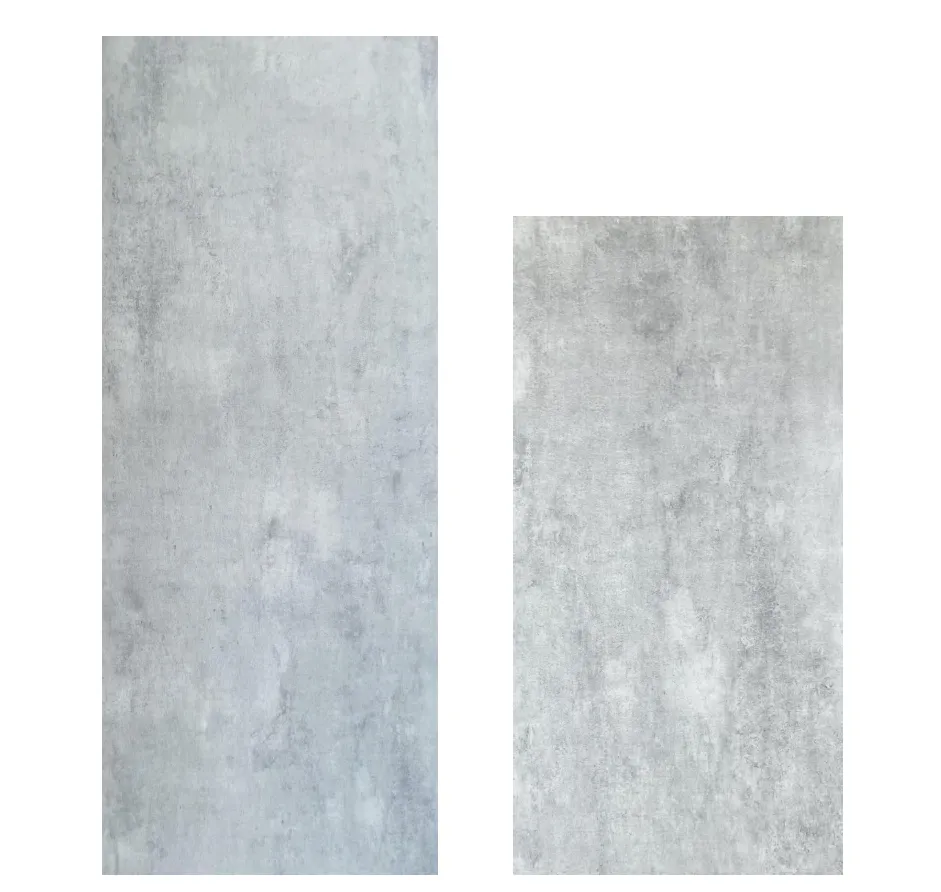
Walk into any modern home or boutique hotel today, and you'll notice something striking: the walls, floors, and even countertops aren't just functional—they tell a story. Building materials have come a long way from cold, industrial concrete slabs or fragile marble tiles. Today, it's all about balance: the luxury of natural stone, the durability of concrete, and the flexibility to adapt to any design vision. Enter marble concrete board—a modified cementitious material that's quietly revolutionizing how we think about interiors and exteriors. Let's dive into what makes this material so special, and why it's becoming a favorite among architects and homeowners alike.
First things first: let's break down the name. "Marble concrete board" sounds like a marriage of two worlds, and that's exactly what it is. At its core, it's a type of modified cementitious material. That means it starts with cement—the same binder used in traditional concrete—but gets a high-tech upgrade with additives, aggregates, and yes, real marble elements. Think of it as concrete's sophisticated cousin: still tough, but with a touch of elegance.
So, what's in the mix? Typically, you'll find Portland cement (the base), fine marble aggregates or powder (for that signature marble look and feel), and a blend of chemical modifiers. These modifiers are the secret sauce—they tweak the material's properties, making it stronger, more flexible, and even more resistant to stains or weather. The result? A board that looks like polished marble but acts like heavy-duty concrete. No more worrying about cracks from temperature changes or scratches from daily use.
Traditional concrete is great for foundations and sidewalks, but let's be honest—it's not exactly "designer." It's porous, prone to chipping, and lacks the refined finish of natural stone. Marble, on the other hand, is stunning but fragile; its softness means it scratches easily, and its porous surface stains if you so much as look at it with a glass of red wine. Marble concrete board solves both problems by "modifying" the cementitious base.
Here's how it works: the modifiers (think polymers, fibers, or mineral additives) fill in the gaps between cement particles, creating a denser, more uniform structure. This makes the board less porous, so spills bead up instead of seeping in. The marble aggregates, ground into fine particles or small chips, are evenly distributed, giving the material that consistent, luxe appearance without the natural flaws of real marble (we're looking at you, random cracks and color splotches).
The best part? Unlike pure marble, which is quarried and cut into slabs (a process that's both resource-heavy and wasteful), marble concrete board is manufactured in controlled environments. This means less waste, more consistent quality, and a lower carbon footprint. It's a win for your design dreams and the planet.
Let's talk about the fun stuff: how it looks. If you've ever admired travertine—with its natural, pitted surface and earthy tones—you know the charm of natural stone. But travertine can be unpredictable; one slab might have more holes than a Swiss cheese, another might be too pale. Marble concrete board, by contrast, offers that same organic feel but with precision. Want the soft veining of classic marble? Done. Prefer a more uniform, matte finish that leans minimalist? No problem. It's like having a customizeable palette for your walls and floors.
Compare that to wood grain board, another popular material. Wood grain brings warmth and coziness, but it's not great for high-moisture areas (hello, bathroom floors) and requires regular sealing. Marble concrete board, though? It's water-resistant, scratch-resistant, and doesn't fade in sunlight. So you can get that sleek, modern look in your shower or outdoor patio without worrying about warping or rot.
And let's not forget fair-faced concrete—the raw, industrial look that's been trending for years. While fair-faced concrete has its own rugged appeal, it can feel cold in a home setting. Marble concrete board takes that industrial edge and softens it with marble's subtle glow. It's like adding a silk throw to a leather couch—suddenly, the space feels balanced.
Okay, so it looks good. But what about the day-to-day? Let's get real: no one wants a material that looks amazing but falls apart after a year. Marble concrete board checks the boxes here, too.
First, durability. Thanks to those modifiers, it's tough enough to handle foot traffic, kids, pets, and even the occasional dropped mug. Unlike real marble, which can etch if you spill lemon juice, marble concrete board resists acids and stains. A quick wipe with a damp cloth is usually all it takes to clean up messes. That's a game-changer for busy families or commercial spaces like cafes, where spills are just part of the job.
Then there's flexibility—both literal and figurative. As a modified cementitious material, it's more flexible than traditional concrete, meaning it can bend slightly without cracking. This makes it ideal for curved walls or unique architectural details. And since it's lightweight compared to solid marble slabs, it's easier to install, which saves time and labor costs. Think of it as the "easygoing" material that adapts to your project, not the other way around.
Eco-friendliness is another big plus. Since it uses recycled marble waste (leftover from quarrying) and requires less energy to produce than firing ceramic tiles or cutting natural stone, it's a more sustainable choice. In a world where we're all trying to make greener decisions, that's a selling point that can't be ignored.
Curious how marble concrete board holds up next to other popular options? Let's put it head-to-head with a few classics:
| Material | Durability | Maintenance | Aesthetic Flexibility | Eco-Friendliness |
|---|---|---|---|---|
| Marble Concrete Board | High (scratch, stain, water-resistant) | Low (occasional wiping, no sealing needed) | High (customizable finishes, veining, colors) | High (uses recycled marble, low energy production) |
| Travertine (Natural Stone) | Medium (prone to scratches, porous) | High (requires regular sealing, stains easily) | Medium (natural variations, limited customization) | Medium (quarrying uses resources, generates waste) |
| Wood Grain Board | Low-Medium (susceptible to water damage, warping) | Medium-High (needs sealing, avoid moisture) | Medium (limited to wood tones/textures) | Medium (depends on sourcing; FSC-certified is better) |
| Fair-Faced Concrete | High (durable, but porous) | Medium (sealing needed, stains can set in) | Low (limited to raw, industrial look) | Medium (uses cement, high carbon footprint) |
The short answer: almost anywhere. Marble concrete board is surprisingly versatile. Here are a few ways designers are using it:
Kitchen Countertops: Say goodbye to worrying about knife scratches or coffee rings. It's heat-resistant too, so setting down a hot pan won't leave a mark.
Bathroom Walls & Floors: Water-resistant and mold-resistant, it's perfect for showers, backsplashes, or even vanity tops. Plus, it adds a spa-like luxury without the upkeep of real marble.
Commercial Spaces: Cafes, boutique hotels, and office lobbies love it for its durability and modern look. It stands up to heavy foot traffic and still looks fresh years later.
Outdoor Patios & Walkways: Unlike wood or natural stone, it won't fade in the sun or crack in freeze-thaw cycles. Imagine a sleek outdoor dining area with the elegance of marble—no maintenance required.
Accent Walls: Want to make a statement? A marble concrete board accent wall in a living room or bedroom adds texture and sophistication without overwhelming the space.
At the end of the day, the best material depends on your needs. But if you're after a material that's equal parts beautiful and practical—something that can handle the chaos of daily life while still making your space feel luxurious—marble concrete board is hard to beat. It's not just a trend; it's a solution that bridges the gap between old-world charm and new-world innovation.
Think of it this way: when you choose marble concrete board, you're not just picking a material. You're choosing peace of mind (no more stressing over stains), design freedom (customize it to match your style), and a little bit of sustainability (good for the planet, good for your conscience). It's the kind of material that grows with you—whether you're furnishing your first apartment or building your dream home.
As we move toward more intentional, sustainable design, materials like marble concrete board are leading the charge. They prove that we don't have to sacrifice beauty for durability, or sustainability for style. In a world where our homes and workspaces are more important than ever—they're our sanctuaries, our creative hubs, our places to connect—choosing materials that enhance those experiences matters.
So, the next time you're planning a renovation or dreaming up a new space, keep an eye out for marble concrete board. It might just be the missing piece that turns your vision into something truly extraordinary.
Recommend Products












