
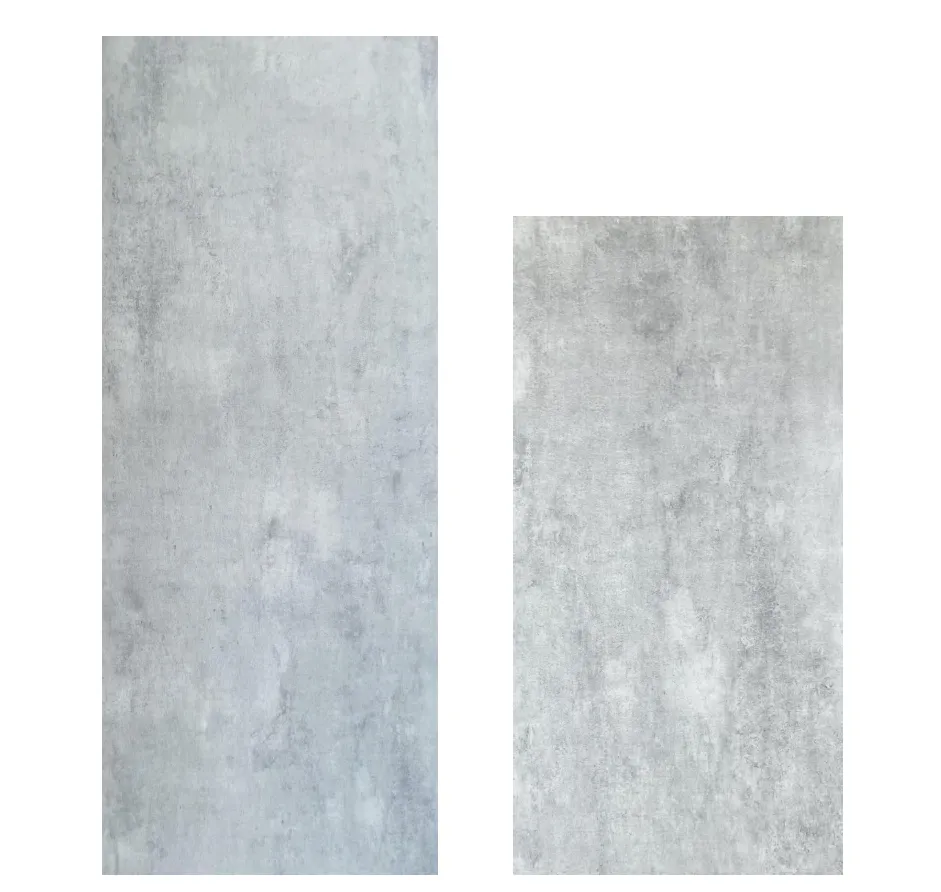
Walk into any thoughtfully designed space, and the first thing that often strikes you isn't just the layout or furniture—it's the materials. The cool smoothness of marble, the raw industrial edge of concrete, the warmth of wood—each tells a story. But what if you could have the best of both worlds? Enter marble concrete board: a material that marries the timeless elegance of marble with the rugged durability of concrete. And here's the kicker—it's not a one-size-fits-all solution. Today, we're diving into how you can customize its size, color, and texture to turn your architectural vision into a tangible, tactile reality.
Think about your favorite café. Maybe it's the way the walls curve gently, or the soft hue that makes morning light feel cozier. Chances are, those details weren't accidental. They were chosen to make you feel a certain way. In architecture and design, materials are the vocabulary—customization is how you craft the sentence. Marble concrete board, with its chameleon-like versatility, lets you tailor that sentence to fit any project, whether it's a minimalist home office, a bustling retail store, or a grand hotel lobby. It's about balance: meeting functional needs (like durability or weather resistance) while nailing the aesthetic that makes a space unforgettable.
Size isn't just about dimensions—it's about impact. A large slab can make a room feel expansive and seamless, while smaller pieces can add intricate detail or mimic traditional patterns. Let's break down the possibilities.
Most manufacturers offer standard sizes, like 600x600mm or 800x1600mm, which work well for projects with tight timelines or budget constraints. But when your design calls for something bolder, custom sizing steps in. Imagine a modernist home where the living room wall is clad in a single 3000x1500mm marble concrete slab—no grout lines, no breaks, just a sweeping expanse that feels both grand and intimate. That's the power of going custom.
| Size Range | Common Applications | Key Considerations |
|---|---|---|
| 600x600mm – 800x800mm | Residential bathrooms, kitchen backsplashes, accent walls | Easier to install for DIY projects; more grout lines add texture |
| 1000x2000mm – 1200x2400mm | Commercial lobbies, hotel reception areas, open-concept living spaces | Seamless look reduces visual clutter; requires professional installation |
| Custom (e.g., 1500x3000mm+) | Architectural facades, statement walls, museum exhibits | Transportation logistics (specialized handling); structural support may be needed |
But size customization isn't just about "bigger is better." Smaller, custom-cut pieces can shine in intricate designs. For example, a heritage building renovation might call for 300x450mm slabs to match the scale of original stonework, preserving the structure's character while upgrading its durability. It's all about fitting the material to the space's story.
Color sets the mood. A soft beige might evoke calm in a spa, while a deep charcoal adds drama to a restaurant bar. Marble concrete board starts with a base—often inspired by natural materials like fair-faced concrete , which brings that raw, unrefined charm—and then gets a color boost through pigments and dyes. The result? A palette as diverse as your imagination.
Many designers lean into earthy tones, and it's easy to see why. Think warm terracottas that echo desert landscapes, soft grays that mirror storm clouds, or creamy whites that mimic sun-bleached marble. These hues feel timeless and versatile, blending with both modern and traditional decor. For example, a home office using marble concrete board in a light "fair-faced concrete" shade feels grounded yet professional, letting the focus stay on the work (and maybe that statement desk you splurged on).
But why play it safe? Custom color lets you inject personality. Imagine a boutique clothing store with walls clad in marble concrete board dyed a rich emerald green—suddenly, the space feels vibrant and memorable, turning shopping into an experience. Or a kids' playroom in soft pastels, where the material's durability meets a fun, playful vibe. Pigments are mixed during production, so you can tweak shades to match Pantone colors or even pull inspiration from other materials, like the warm undertones of wood grain board for a cohesive look.
Neutral palettes aren't going anywhere, but we're seeing a rise in "earthy bolds"—think terracotta, olive green, and burnt sienna—that add warmth without overwhelming. Another trend? Two-tone designs: pairing a light marble concrete board with a darker accent (say, charcoal) to create contrast and depth. It's a simple trick that elevates any space from "nice" to "unforgettable."
Texture is where marble concrete board truly comes alive. It's not just about how it looks—it's about how it feels. Run your hand over a smooth, polished surface, and you'll feel luxury; drag it across a rough, sandblasted finish, and you'll sense ruggedness. Custom texture lets you control that sensory experience, turning walls and floors into tactile stories.
Smooth finishes are a go-to for modern, minimalist spaces. Polished marble concrete board reflects light, making rooms feel brighter and more open—perfect for small apartments or offices where you want to maximize space. On the flip side, textured finishes add depth. Acid etching creates a slightly pitted surface that catches light in unexpected ways, while sandblasting gives a matte, grainy feel that's ideal for rustic or industrial designs.
For projects that demand something extraordinary, there's 3D art concrete board . This isn't just texture—it's art. Manufacturers can create raised patterns, geometric shapes, or even custom designs (like a company logo for a corporate lobby) by molding the material during production. The result? Walls that double as sculptures, turning any space into a conversation starter.
And let's not forget flexible stone cladding panels . While marble concrete board is rigid, its texture can mimic the natural variation of flexible stone, from the rough-hewn look of stacked stone to the subtle veining of marble. This versatility means you can achieve the aesthetic of expensive natural stone at a fraction of the cost, with the added bonus of durability.
When choosing texture, think about function. High-traffic areas (like hallways) might benefit from a slightly rough texture to prevent slips, while bedrooms could use something softer for a cozy feel. Also, consider light: textured surfaces cast shadows, which can make a room feel smaller or more intimate. Play with samples under different lighting (natural vs. artificial) to see how the texture behaves before committing.
Marble concrete board doesn't have to stand alone. Its customization options make it easy to pair with other materials, creating layered, dynamic spaces. For example:
The key is to let customization bridge the gap. If your wood grain board has a specific stain, tweak the marble concrete board's color to match. If you're using flexible stone cladding panels on an exterior, mirror their texture in the interior marble concrete board for a cohesive design.
Let's put this all together with a hypothetical project: a boutique hotel in Lisbon, Portugal, aiming to blend modern design with the city's historic charm.
The hotel wants its lobby to feel grand yet welcoming, with a nod to Lisbon's terracotta rooftops and coastal vibe. The design team decides on marble concrete board as the star material, customized to fit the space's unique needs.
The lobby features a 2500x1800mm custom slab behind the reception desk, polished to a smooth finish. Its large size creates a focal point, while the lack of grout lines keeps the look clean and modern.
The slab is dyed a warm terracotta—echoing Lisbon's rooftops—with subtle flecks of gold to mimic the city's sunlit streets. The rest of the lobby walls use smaller 800x1600mm slabs in a soft cream, creating contrast without overwhelming.
The cream slabs are sandblasted to a slightly rough texture, adding warmth and tactile interest. To tie in the coastal theme, a feature wall near the entrance uses 3D art concrete board with a wave-like pattern, casting shadows that evoke the ocean.
The lobby feels both timeless and contemporary, blending Lisbon's heritage with modern design. Guests often comment on the "warmth" of the space—a testament to how size, color, and texture customization can turn a material into an experience.
With so many options, where do you start? Here are a few tips to narrow it down:
Is the project more about aesthetics, durability, or budget? If it's a high-traffic commercial space, prioritize texture (slip resistance) and size (large slabs for easy maintenance). If it's a residential accent wall, focus on color and texture to match your decor.
Never commit to a custom size, color, or texture without seeing a sample. Manufacturers can create small test pieces so you can check how the color looks in your space's lighting, or how the texture feels under your hand. It's a small step that saves big headaches later.
Customization requires collaboration. Find a manufacturer with experience in tailored projects—they'll guide you through sizing constraints (e.g., "Can we really do a 3000mm slab?"), color matching, and texture techniques. A good partner will even provide 3D renderings to help you visualize the final result.
Trends come and go, but marble concrete board is built to last. Choose customizations that feel true to your vision, not just what's popular. A bold color might feel exciting now, but will it still make you happy in 10 years? Balance trendiness with timelessness.
Marble concrete board isn't just a building material—it's a canvas. Its ability to be customized in size, color, and texture means you're not limited by "off-the-shelf" options. Whether you're designing a cozy home, a bustling commercial space, or a landmark building, customization lets you tell your story—one slab, one color, one texture at a time.
So go ahead: dream big. Mix bold colors with intricate textures, pair large slabs with tiny accents, and blend marble concrete board with wood, metal, or glass. The result? A space that's not just built—it's crafted . And in a world of cookie-cutter designs, that's the greatest luxury of all.
Recommend Products












