


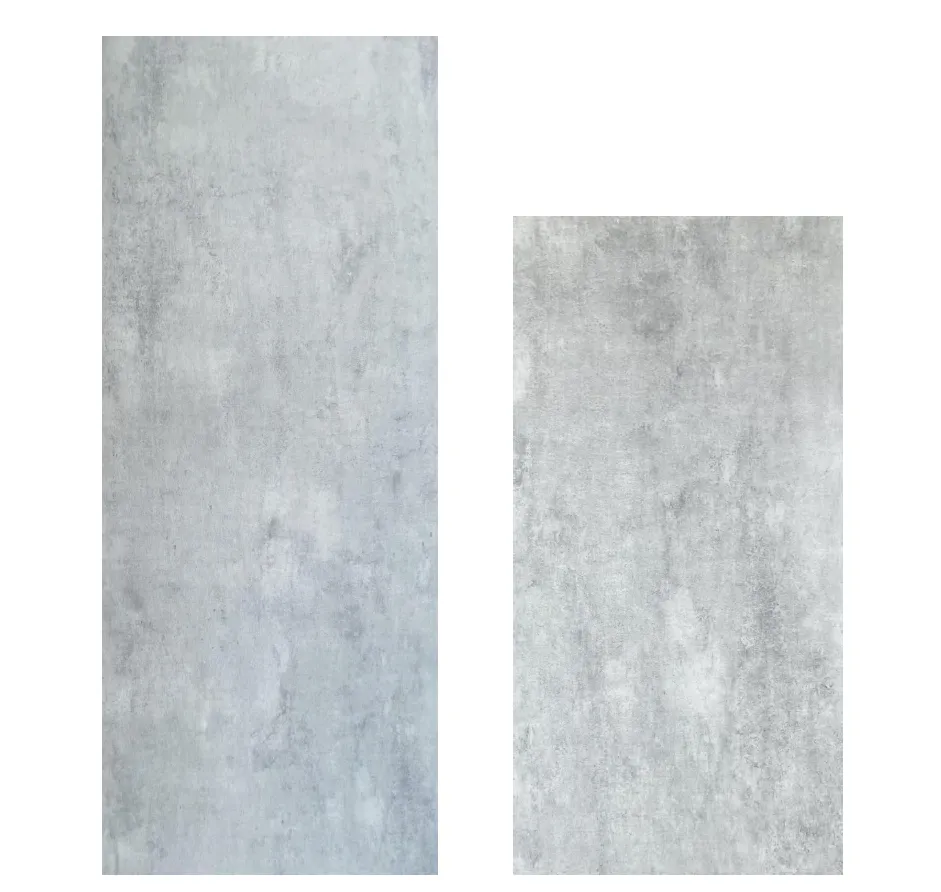
Walk into any modern construction site or flip through a design magazine these days, and you'll notice a quiet revolution unfolding: buildings are no longer just about strength and style—they're about sustainability, too. As architects, builders, and homeowners alike lean into eco-conscious choices, materials like marble concrete board have surged in popularity. Sleek, durable, and versatile, it's become a go-to for everything from accent walls to flooring. But here's the catch: not all marble concrete boards are created equal when it comes to environmental impact. That's where certifications step in. They're like a trusted friend giving you the inside scoop—helping you separate the truly green options from the ones that just talk the talk. Let's dive into why these certifications matter, which ones to keep an eye out for, and how to make sure you're getting the real deal.
Why Bother with Environmental Certifications for Marble Concrete Board?
You might be thinking, "Marble and concrete—aren't those natural materials? How 'un-green' can they be?" It's a fair question. But the truth is, even seemingly "natural" building materials can leave a heavy footprint. From the energy used in quarrying marble to the chemicals in concrete binders, the lifecycle of marble concrete board is full of environmental checkpoints. Certifications act as a third-party audit, ensuring that every step—from raw material sourcing to manufacturing to disposal—is as eco-friendly as possible. Here's why that matters to you:
1. Your Health Depends On It : Many building materials release volatile organic compounds (VOCs) over time—think formaldehyde or benzene—which can irritate your eyes, trigger allergies, or even worsen respiratory issues. Certifications often test for these emissions, ensuring your marble concrete board won't turn your space into a hidden health hazard.
2. Sustainability Isn't Just a Buzzword : The construction industry is responsible for a whopping 39% of global carbon emissions, according to the UN Environment Programme. Choosing certified materials helps shrink that footprint by promoting practices like recycled content, water conservation, and renewable energy use in manufacturing.
3. It Boosts Your Project's Credibility : If you're building or renovating for commercial use (say, a hotel or office), green certifications can make your space more attractive to eco-conscious clients or tenants. For homeowners, it can even bump up resale value—more and more buyers are willing to pay premium for sustainable features.
4. Compliance with Regulations : Cities like San Francisco, Vancouver, and Singapore now have strict green building codes. Using certified marble concrete board can help you avoid fines and ensure your project meets local sustainability mandates.
Key Environmental Certifications to Know
Not all certifications are created equal. Some focus on indoor air quality, others on lifecycle sustainability, and a few zero in on specific materials like modified composite material panels (which marble concrete board often falls under). Let's break down the most reputable ones you'll encounter.
1. LEED (Leadership in Energy and Environmental Design)
Chances are you've heard of LEED—it's the rockstar of green building certifications, managed by the U.S. Green Building Council (USGBC). While LEED is best known for certifying entire buildings (think LEED Gold or Platinum projects), it also has strict standards for individual materials like marble concrete board. Here's what matters:
LEED's "Materials and Resources" (MR) category awards points for materials that use recycled content, are sourced regionally (to cut down on transportation emissions), or have a verified low-carbon lifecycle. For marble concrete board, this could mean using recycled aggregates in the concrete mix or marble scraps from other projects instead of virgin stone. A board that contributes to LEED points isn't just "green"—it's a team player in making your whole project more sustainable.
Pro tip: Look for products labeled "LEED v4.1 MR Credit Eligible." This means the manufacturer has submitted data proving the board meets specific criteria, like containing at least 10% post-consumer recycled content or being extracted within 500 miles of your project site.
2. GREENGUARD Certification (UL Solutions)
When it comes to indoor air quality, GREENGUARD is the gold standard. Managed by UL Solutions, this certification tests products for over 10,000 chemical emissions, including VOCs, formaldehyde, and phthalates. For marble concrete board—especially if you're using it in enclosed spaces like bedrooms or offices—this is non-negotiable.
There are two levels: GREENGUARD Certified (meets strict emissions limits) and GREENGUARD Gold (even stricter, designed for sensitive spaces like schools and hospitals). If you see a GREENGUARD mark on a marble concrete board, you can breathe easy (literally)—it's been tested to ensure it won't pollute your indoor air over time.
3. ISO 14001 (Environmental Management Systems)
ISO 14001 isn't a product certification—it's a stamp of approval for the manufacturer's entire environmental management system. Think of it as a report card for how well a company tracks and reduces its environmental impact. For marble concrete board producers, this could mean things like:
- Minimizing water waste during stone cutting and concrete mixing
- Using renewable energy (solar, wind) in factories
- Implementing recycling programs for manufacturing byproducts
- Regularly auditing suppliers to ensure ethical sourcing of marble and concrete ingredients
While ISO 14001 doesn't directly certify the marble concrete board itself, it's a good sign that the company behind the product takes sustainability seriously from top to bottom.
4. FSC Certification (Forest Stewardship Council)
Wait, marble concrete board isn't wood—why FSC? Here's the twist: some manufacturers add wood fibers or recycled wood content to their modified composite material panels to enhance flexibility or reduce weight. If your marble concrete board includes any wood-based components, FSC certification ensures those materials come from responsibly managed forests—no illegal logging, no destruction of endangered habitats, and fair wages for workers.
Look for the FSC logo with a checkmark—it means the wood content is 100% FSC-certified. If it says "FSC Mix," at least 70% of the wood comes from certified sources, which is still a solid choice.
Comparing Top Certifications for Marble Concrete Boards
| Certification | Focus Area | Key Requirements for Marble Concrete Board | Why It Matters to You |
|---|---|---|---|
| LEED (MR Credits) | Material sustainability, lifecycle impact | Recycled content (min. 10%), regional sourcing (≤500 miles), low-carbon manufacturing | Helps your project qualify for LEED points; reduces overall carbon footprint |
| GREENGUARD Gold | Indoor air quality | Emissions of VOCs, formaldehyde, and other toxins below strict thresholds | Ensures healthier indoor spaces; ideal for homes, schools, and offices |
| ISO 14001 | Manufacturing processes | Company-wide environmental management (water/energy conservation, waste reduction) | Signals a commitment to sustainability beyond just the product itself |
| FSC (if wood content) | Responsible wood sourcing | Wood fibers from FSC-certified forests (no illegal logging, habitat protection) | Supports ethical forestry; avoids contributing to deforestation |
How to Actually Verify These Certifications (No Scams Allowed)
Here's the hard truth: "Eco-friendly" and "sustainable" are marketing buzzwords that get thrown around a lot. A product can slap a leaf logo on its packaging and call itself green without any real certification. So how do you avoid falling for greenwashing?
1. Check the Official Databases : Don't take the supplier's word for it. For LEED, head to the USGBC's LEED Online database and search for the product name or manufacturer. For GREENGUARD, use UL Solutions' Certified Products Directory —every certified item has a unique certification number you can cross-reference. ISO 14001 certificates are usually issued by accredited bodies like SGS or Bureau Veritas; ask the manufacturer for a copy of their certificate and verify it with the issuing body.
2. Look for Specific Claims, Not Vague Promises : A product that says "LEED-compliant" is vague. One that says "Meets LEED v4.1 MR Credit 4.1 (Recycled Content) with 25% post-consumer recycled marble aggregate" is specific—and trustworthy. The more details, the better.
3. Ask for a Product Data Sheet (PDS) : Reputable manufacturers will provide a PDS that outlines environmental attributes, including certification details, recycled content percentages, and emissions test results. If a supplier hesitates to share this, that's a red flag.
4. Watch Out for "Self-Certified" Labels : Any certification worth its salt is issued by an independent third party (like USGBC, UL, or ISO). If a product claims to be "self-certified," it means the manufacturer checked their own work—kind of like grading your own test. Skip it.
Beyond Certifications: Other Green Features to Consider
Certifications are a great starting point, but they're not the only measure of a sustainable marble concrete board. Here are a few extra features to keep in mind as you shop:
Lightweight and Flexible Design : Heavier materials require more energy to transport and install. Look for lightweight flexible stone sheets (yes, that's a keyword!)—they're easier to handle, reduce shipping emissions, and often use less raw material overall.
Longevity and Durability : A board that lasts 50 years is more sustainable than one that needs replacing every 10. Marble concrete board is naturally durable, but check for additives like fiberglass or polymer resins that enhance strength without compromising eco-friendliness.
End-of-Life Recyclability : What happens to the board when your project is demolished? Some manufacturers design their marble concrete boards to be crushed and reused as aggregate in new construction—ask about their take-back or recycling programs.
Water-Based Sealants : Many marble concrete boards are sealed to prevent staining. Opt for water-based sealants over solvent-based ones, which can off-gas VOCs. Look for sealants labeled "low-VOC" or "zero-VOC" for extra peace of mind.
Wrapping Up: Building a Greener Future, One Board at a Time
Choosing the right marble concrete board isn't just about picking a color or texture—it's about making a choice that aligns with your values and the health of the planet. Environmental certifications take the guesswork out of that decision, giving you confidence that your project is as green as it is beautiful. Whether you're chasing LEED points for a commercial build or just want a healthier home, remember: every certified board you install is a step toward a more sustainable construction industry.
So the next time you're comparing options, take a minute to check for those certification labels. Ask questions, verify claims, and don't settle for anything less than third-party validation. After all, the best buildings aren't just built to last—they're built to leave the world better than they found it. And with the right marble concrete board, you're well on your way.










