
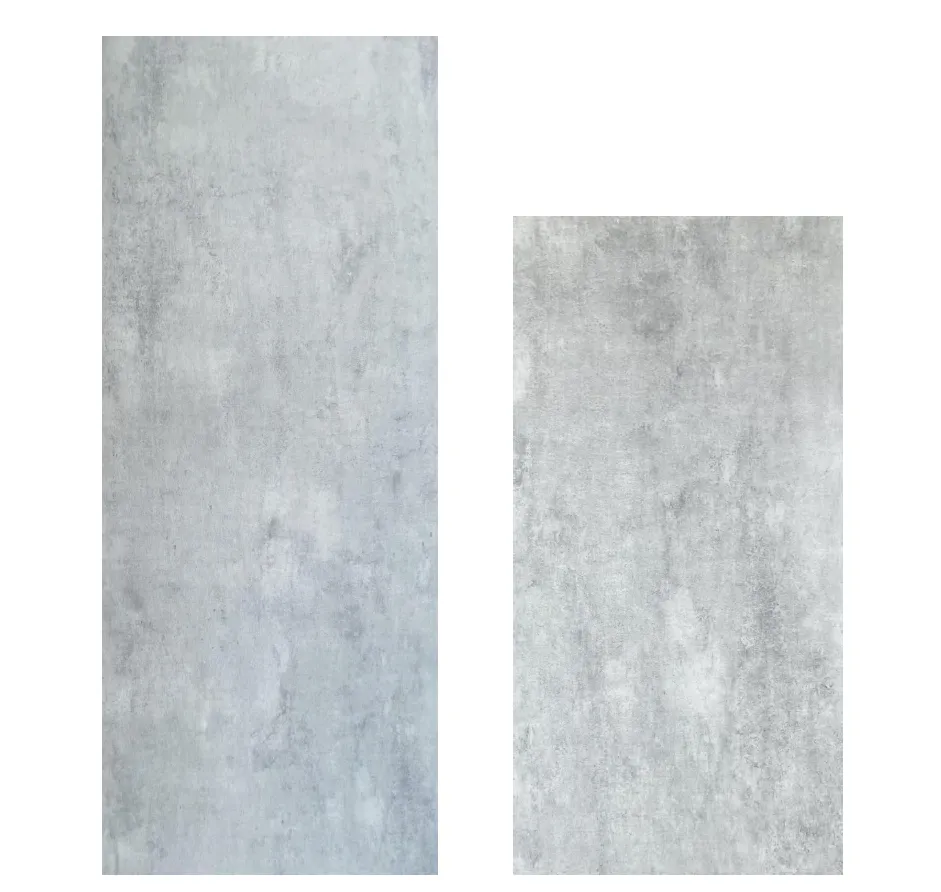
Every architect knows the quiet tension between form and function. When you're standing in front of a blank blueprint, the dream is to create something that makes people stop and stare—but not at the cost of safety. In the world of modern construction, where buildings reach higher and design boundaries push further, one material has emerged as a quiet hero: marble concrete board. It's not just about its ability to mimic the luxurious veining of natural stone or the raw texture of industrial concrete; it's about how it stands guard, silently ensuring that beauty never comes at the expense of protection. Today, we're diving deep into what makes marble concrete board a game-changer in fire safety compliance, and why it's becoming the material of choice for architects who refuse to compromise.
Let's start with the basics. Marble concrete board isn't your average building material. Imagine (oops, wait—scratch that) Think of it as a carefully crafted blend of nature and engineering: high-strength concrete infused with marble aggregates, binders, and additives that turn it into something far more than the sum of its parts. It's where the elegance of marble meets the resilience of concrete, resulting in a panel that can mimic the soft glow of travertine or the sleekness of fair-faced concrete , but with a hidden superpower: fire resistance that doesn't just meet codes—it redefines them.
Fire safety in construction isn't just a box to check—it's a promise to the people who will live, work, and breathe in those spaces. When a fire breaks out, every second counts, and the materials surrounding us can mean the difference between containment and catastrophe. Marble concrete board is engineered with this reality in mind. Unlike traditional wood panels or even some stone claddings that can crack or spall under high heat, marble concrete board holds its ground. Its dense composition slows the spread of flames, and because it's non-combustible (rated A1 under EN 13501-1, the gold standard for fire classification), it doesn't contribute to the fuel load of a fire. That means in the event of an emergency, it buys precious time for evacuation and firefighting efforts.
But it's not just about withstanding heat—it's about what happens when the fire is out. Many materials release toxic fumes when burned, turning smoke into a silent killer. Marble concrete board? It emits zero toxic gases, making post-fire recovery safer for first responders and occupants alike. For architects designing hospitals, schools, or high-rise apartments, this isn't just a feature—it's a responsibility fulfilled.
International building codes are the rulebook for safety, and marble concrete board doesn't just follow them—it speaks their language fluently. Let's break it down: In Europe, the EN 13501-1 standard classifies materials based on their reaction to fire. Marble concrete board earns the highest rating, A1, meaning it's non-combustible. In the U.S., ASTM E119 tests evaluate how materials perform under fire exposure, and marble concrete board consistently meets or exceeds the 2-hour fire resistance requirement for walls and ceilings. Even in stricter markets like the Middle East, where extreme temperatures and rigorous safety standards are the norm, it checks every box, from Dubai's UAE Fire Code to Saudi Arabia's SASO standards.
Why does this matter? For builders and developers, compliance means avoiding costly delays, fines, or redesigns. For architects, it means creative freedom—knowing that the material they've chosen for its aesthetic appeal won't force them to compromise on safety. And for building owners, it translates to lower insurance premiums and, more importantly, peace of mind.
To truly appreciate marble concrete board's fire safety credentials, let's put it side by side with two popular alternatives: fair-faced concrete (a minimalist favorite) and the Lunar Peak series (known for its striking silvery, golden, and black finishes). While both have their merits, neither offers the same balance of fire performance and design flexibility as marble concrete board.
| Feature | Marble Concrete Board | Fair-faced Concrete | Lunar Peak Series (Silvery/Golden/Black) |
|---|---|---|---|
| Fire Rating | A1 (Non-combustible) | A1 (Non-combustible) | B (Limited combustibility) |
| Heat Resistance | Withstands up to 1200°C without spalling | Prone to cracking above 800°C | May warp or discolor at 600°C+ |
| Toxic Emissions | Zero | Zero | Low, but not zero (resins in finish) |
| Aesthetic Flexibility | Mimics marble, travertine, wood grain, and more | Raw, industrial look (limited texture options) | Metallic sheens, bold colors (limited to series palette) |
| Best For | High-traffic, high-safety zones (hospitals, schools, skyscrapers) | Industrial spaces, exteriors with minimal design needs | Accent walls, low-risk interiors (hotels, retail) |
Fair-faced concrete, while fire-safe, lacks the design versatility of marble concrete board—it's beautiful in its simplicity, but can feel cold or monolithic. The Lunar Peak series, with its eye-catching silvery and golden hues, adds warmth and drama, but its B fire rating means it's better suited for accent features than primary cladding in high-safety areas. Marble concrete board? It bridges the gap, offering the fire protection of fair-faced concrete with the aesthetic range to match Lunar Peak's visual appeal.
Numbers and codes tell part of the story, but real-world applications bring it to life. Take the case of a 42-story residential tower in Istanbul, where the architects wanted a facade that felt both modern and timeless. They initially considered travertine for its warm, natural texture but hesitated due to fire safety concerns. Enter marble concrete board, which was able to replicate the travertine's honeyed tones and subtle veining—down to the look of linear travertine (claybank) —while meeting the tower's strict fire code requirements. Today, residents enjoy the beauty of natural stone without compromising on safety.
Or consider a boutique hotel in Barcelona, where the design called for a mix of industrial and organic elements. The lobby features a feature wall clad in marble concrete board finished to look like charcoal burnt wood board , a material known for its dramatic, weathered appearance. But unlike real burnt wood, which is still combustible, the marble concrete board version offers A1 fire resistance, allowing the hotel to meet Spain's stringent fire regulations while keeping the design's artistic integrity intact.
These aren't just exceptions—they're the new norm. From airports in Singapore to cultural centers in Canada, marble concrete board is proving that safety and beauty don't have to be rivals. They can be partners.
Fire safety might be marble concrete board's headline feature, but it's far from the only one. Let's talk durability. In coastal areas, saltwater corrosion can eat away at traditional building materials, but marble concrete board's resistance to moisture and chemicals makes it ideal for beachfront properties. In busy urban environments, its scratch and impact resistance means it stands up to the wear and tear of daily life—no need for frequent replacements or touch-ups.
Then there's sustainability. Many marble concrete board manufacturers prioritize eco-friendly production, using recycled aggregates and low-carbon cement. Because it's long-lasting, it reduces the need for material replacement, cutting down on waste. And when a building eventually reaches the end of its life, marble concrete board is fully recyclable, closing the loop on its environmental impact.
Designers, too, are falling in love with its versatility. Want the look of golden travertine (white golden) for a luxury retail space? Done. Need a ripple board (grey) texture for a modern art gallery? Consider it handled. From smooth, polished finishes that mirror polish concrete to rough, chiseled surfaces that evoke big axe chiseling stone , the material adapts to the vision, not the other way around. It even plays well with other materials—paired with foamed aluminium alloy board (vintage silver) , it creates a striking contrast of textures; mixed with weaving (khaki) panels, it adds depth and warmth.
Marble concrete board isn't just a building material. It's a statement. It says, "We care about the people who will use this space." It says, "We refuse to choose between beauty and safety." In a world where buildings are more than just structures—they're reflections of our values—marble concrete board stands as a testament to what's possible when innovation meets responsibility.
So to the architects sketching the future, the builders bringing those sketches to life, and the owners investing in spaces that will endure: Consider marble concrete board. It's not just about compliance with codes. It's about compliance with something bigger—the unspoken promise to protect and inspire, now and for generations to come.
Recommend Products












