
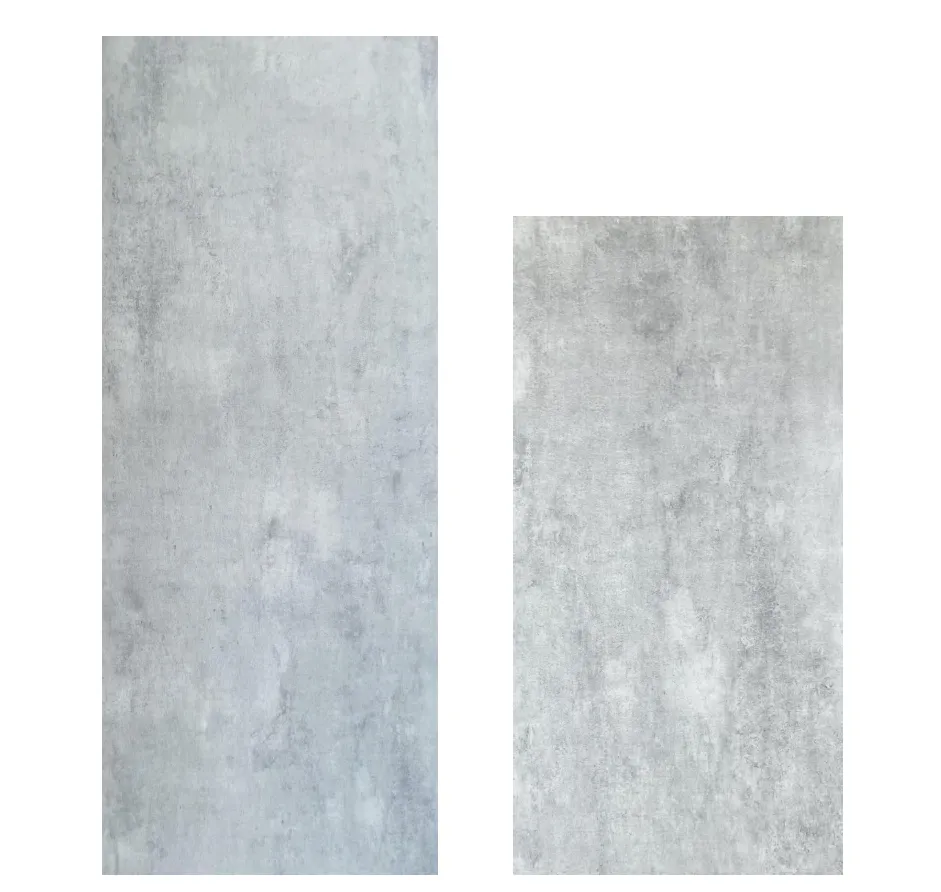
Walk into any healthcare facility, and you'll notice something subtle but powerful: the air feels calmer, the lighting softer, and the surfaces—well, they seem to whisper reassurance. In spaces where healing happens, every detail matters. From the chairs patients sit on to the walls that surround them, the materials chosen play a quiet yet critical role in patient recovery, staff efficiency, and overall safety. Today, we're diving into a material that's quietly revolutionizing healthcare design: marble concrete board . It's not just a surface—it's a promise of cleanliness, resilience, and care.
Think about a typical day in a hospital. A nurse rushes to wipe down a counter after a spill. A janitor spends extra time scrubbing a floor that's stained from months of foot traffic. A patient's family worries if the walls around their loved one are truly germ-free. These scenarios aren't just inconveniences—they're symptoms of a bigger problem: traditional building materials often fall short in healthcare environments.
Take fair-faced concrete , for example. It's durable, yes, but its porous surface can trap bacteria, requiring constant deep cleaning. Polish concrete shines beautifully at first, but over time, scratches from wheelchairs and medical carts mar its finish, creating tiny crevices where germs hide. Even natural stones like travertine (beige) , while warm and inviting, can absorb liquids and stains, making them high-maintenance in busy settings. For healthcare facilities, where every second counts and cleanliness is non-negotiable, these materials create unnecessary hurdles.
Marble concrete board isn't just another building material. It's a solution crafted with healthcare's unique needs in mind. Imagine a surface that combines the timeless elegance of marble with the rugged durability of concrete—then amplifies both with a focus on hygiene. That's exactly what this material delivers. Let's break down why it's becoming the go-to choice for architects, facility managers, and healthcare providers alike.
In healthcare, "clean" isn't just a visual standard—it's a life-saving one. Studies show that healthcare-associated infections (HAIs) affect millions of patients yearly, and many trace back to contaminated surfaces. Marble concrete board addresses this head-on with a non-porous, sealed surface that leaves nowhere for bacteria, viruses, or mold to hide. Unlike porous materials like traditional travertine or even some fair-faced concrete variants, it doesn't absorb spills or moisture. A quick wipe with a disinfectant is all it takes to keep it sterile—no deep scrubbing, no lingering germs.
Nurses and janitorial staff know the difference this makes. "With marble concrete board, I can sanitize a patient room in half the time it used to take with our old travertine floors," says Maria, a hospital environmental services supervisor in Chicago. "That extra time? I can spend it checking on patients or helping my team—things that actually impact care."
Healthcare spaces are not gentle on surfaces. They endure constant foot traffic from staff, patients, and visitors. They're subjected to heavy equipment—stretchers, IV carts, wheelchairs—rolling over them daily. They face spills of everything from medications to bodily fluids. In short, they need to be tough. Marble concrete board doesn't just "handle" this chaos—it thrives in it.
Crafted from a blend of marble aggregates, high-strength concrete, and reinforced fibers, this material resists scratches, dents, and stains. Unlike polish concrete , which can dull or chip over time, marble concrete board maintains its finish for decades. It's also heat-resistant, making it safe for areas like operating rooms where sterilization equipment generates high temperatures. Even in high-traffic corridors, it stays looking fresh—no unsightly wear patterns, no need for frequent repairs or replacements.
Healing isn't just physical—it's emotional, too. Cold, sterile environments can increase patient anxiety, slow recovery, and even affect blood pressure. Marble concrete board understands this balance. It comes in a range of finishes that mimic the warmth of natural stone without the upkeep. Soft beiges, gentle grays, and subtle veining create a calming atmosphere, turning clinical spaces into havens of comfort.
Take, for example, the pediatric wing of a hospital in Boston that recently renovated with marble concrete board in soft cream tones. "Parents tell us their kids are less scared now," says Dr. Elena Ruiz, a pediatrician there. "The walls feel warm, like being in a home rather than a hospital. That mental shift? It makes exams easier, and kids recover faster when they're less stressed."
To truly appreciate marble concrete board, let's compare it to other common materials in healthcare design. The table below breaks down key factors like hygiene, durability, maintenance, and aesthetics:
| Material | Hygiene (Non-Porous?) | Durability (Resists Scratches/Stains?) | Maintenance Needs | Aesthetic Appeal |
|---|---|---|---|---|
| Marble Concrete Board | Yes—sealed, non-porous surface | Excellent—resists scratches, dents, and stains | Low—wipe with disinfectant; no sealing required | Warm, natural look with marble-like veining |
| Fair-Faced Concrete | No—porous; can trap moisture | Good—durable but prone to staining | High—requires regular sealing and deep cleaning | Industrial, minimalist; less warm |
| Polish Concrete | Yes—sealed surface | Moderate—scratches easily over time | Medium—needs periodic re-polishing | Sleek, modern; can look cold in healthcare settings |
| Travertine (Beige) | No—highly porous; absorbs liquids | Poor—prone to etching and staining | Very high—requires frequent sealing and special cleaners | Warm, natural; but high maintenance |
The difference is clear: marble concrete board isn't just better—it's built for the unique demands of healthcare. It combines the best of durability, hygiene, and beauty without the trade-offs of traditional materials.
It's not just about checking boxes. Healthcare professionals are choosing marble concrete board because it solves real, daily problems. Let's dive into a few more reasons it's winning them over:
Modern healthcare facilities aren't just focused on healing people—they're committed to healing the planet, too. Marble concrete board aligns with this mission. It's often made with recycled marble aggregates, reducing waste from traditional stone quarrying. Its long lifespan also means fewer replacements, cutting down on material waste over time. And because it requires minimal harsh chemicals for cleaning, it's gentler on the environment (and on staff who handle cleaning products).
In spaces where spills are common and mobility aids are everywhere, slip resistance is critical. Marble concrete board can be treated with a textured finish that provides excellent grip, even when wet—reducing the risk of falls for patients, staff, and visitors. It's also surprisingly shock-absorbent, making it kinder to feet during long shifts and more forgiving if equipment is accidentally dropped.
Healthcare facilities aren't one-size-fits-all, and neither is marble concrete board. It's versatile enough to shine in every corner of a hospital:
Numbers and specs tell part of the story, but real-world impact speaks louder. Let's look at two facilities that swapped traditional materials for marble concrete board—and never looked back.
Case Study 1: Community Hospital in Portland, Oregon
Three years ago, this 150-bed hospital was struggling with high cleaning costs and frequent floor repairs in its emergency department. "Our old travertine floors needed sealing every six months, and even then, they stained easily," recalls James, the facility manager. "We switched to marble concrete board, and the difference was night and day. Cleaning time dropped by 30%, and we haven't had to repair a single scratch in three years. Best of all, staff say the ED feels brighter and less stressful now."
Case Study 2: Pediatric Clinic in Austin, Texas
For a clinic focused on children, aesthetics and safety were top priorities. "We wanted a surface that was playful but practical," says the clinic's architect, Lisa. "Marble concrete board in soft
travertine (beige)
tones gave us the warmth we wanted, and the slip-resistant finish gives parents peace of mind. Plus, when kids draw on the walls with crayons (and they do!), a quick wipe with a damp cloth takes it right off. No more repainting!"
As healthcare evolves, so does our understanding of what makes a healing environment. It's no longer enough for spaces to be functional—they need to be compassionate, too. Marble concrete board embodies this shift. It's a material that doesn't just meet the technical requirements of healthcare design; it honors the humans who use these spaces every day.
For nurses, it means less time scrubbing and more time caring. For patients, it means a cleaner, calmer space to focus on recovery. For facility managers, it means lower costs and fewer headaches. And for all of us, it's a reminder that in healthcare, the smallest details—like the surface beneath our feet—are acts of care.
So the next time you walk into a healthcare facility, take a moment to notice the surfaces. If they feel clean, strong, and somehow comforting, there's a good chance you're looking at marble concrete board. And in that moment, you'll know: this is a space that's serious about healing—from the ground up.
Recommend Products












