


Walk into a converted warehouse in Brooklyn, a tech startup's office in a repurposed factory outside Chicago, or a trendy café in a former textile mill in Portland, and you'll notice something different: industrial buildings aren't just boxes for machines anymore. They're spaces where people work, create, and connect—and suddenly, how they look matters almost as much as how they work.
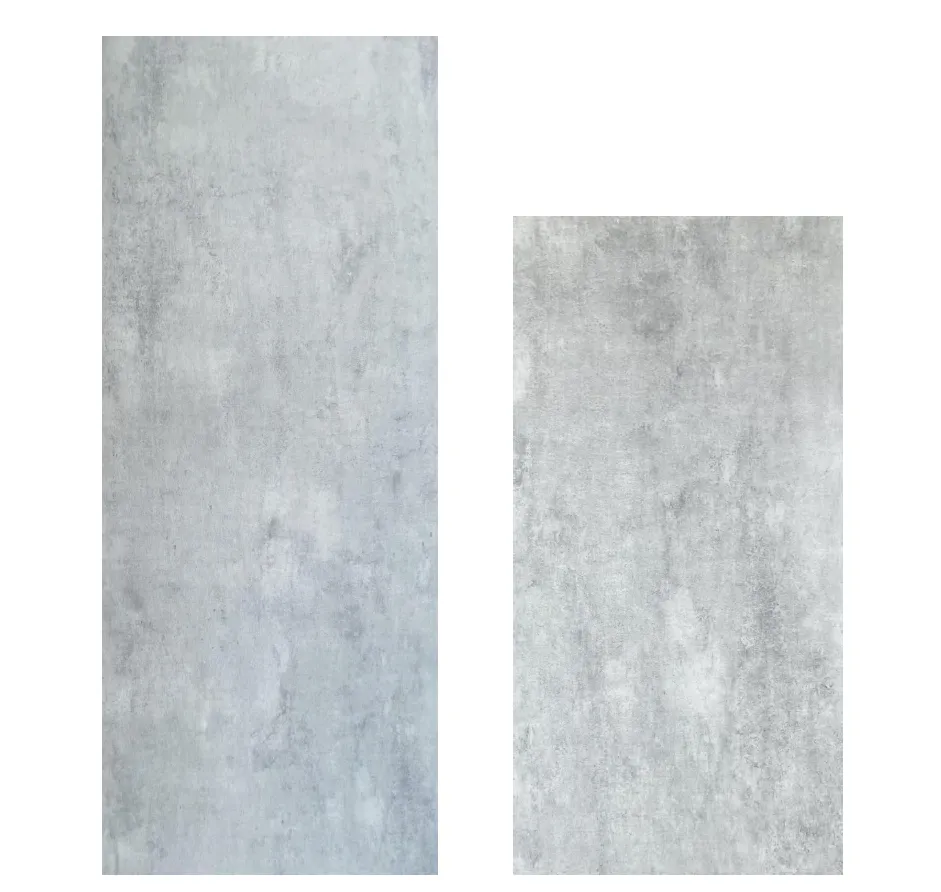
For decades, industrial design was all about brute force: thick concrete walls, exposed steel beams, floors that could handle forklifts and heavy machinery. Aesthetics? That was an afterthought. But as industries evolve—factories shrink, warehouses get converted into mixed-use spaces, and "industrial chic" becomes a go-to vibe for everything from restaurants to coworking spaces—materials have had to step up. We need stuff that can take a beating and look good doing it. Enter Marble Concrete Board: a material that's quietly revolutionizing how we build (and rebuild) industrial spaces.
But what exactly is it? And why is it becoming the go-to choice for architects and designers who refuse to sacrifice style for function? Let's dive in.










