
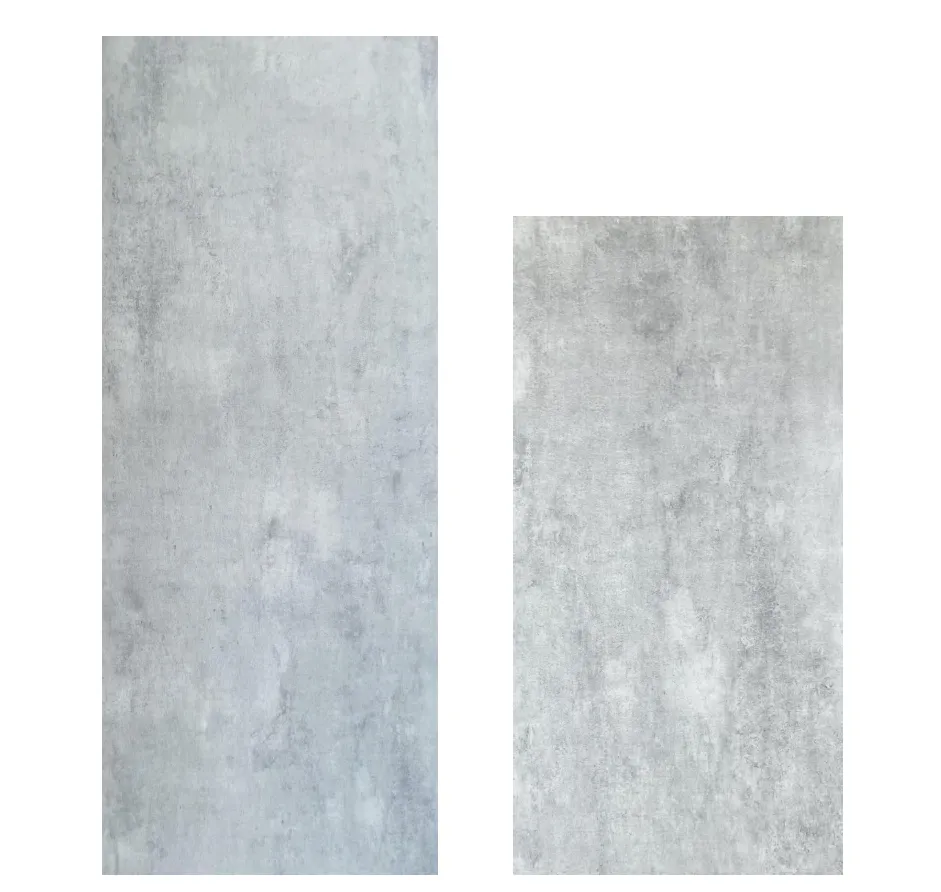
In the bustling world of retail, where every store vies for a moment of a passerby's attention, the storefront isn't just a wall—it's a silent storyteller. It whispers a brand's identity, hints at the experience inside, and ultimately decides whether someone pauses, steps closer, or walks on. In recent years, retailers have woken up to a powerful truth: modern customers crave authenticity. They're drawn to spaces that feel intentional, tactile, and alive with character—not just polished or flashy. This shift has turned the spotlight on materials that blend durability with design depth, and among them, one stands out for its ability to balance sophistication with raw appeal: Marble Concrete Board. Let's dive into how this material is redefining retail storefronts, why it matters, and how pairing it with complementary textures can turn a simple facade into a magnet for foot traffic.
Think about the last time you wandered down a shopping street. What made you stop at one store over another? Chances are, it wasn't just the signage. It was the way the light played on the facade, the texture under your fingertips as you brushed a display window, or the subtle harmony of materials that felt both familiar and fresh. In an era where social media turns storefronts into shareable moments, first impressions have never carried more weight. A 2023 study by the Design Management Institute found that 72% of consumers judge a brand's credibility based on visual aesthetics alone—and the storefront is the first visual they encounter.
Retailers are no longer just selling products; they're selling an atmosphere. A café with warm wood tones feels inviting; a tech store with sleek metal and glass signals innovation. The problem? Many traditional materials—think generic glass facades or overly polished marble—can feel cold, impersonal, or worse, forgettable. They lack the "human touch" that makes a space feel relatable. Enter Marble Concrete Board: a material that marries the timeless elegance of marble with the rugged, lived-in charm of concrete. It's not just a surface; it's a conversation starter.
At first glance, the name might sound contradictory—marble, with its association with luxury, and concrete, often linked to industrial grit. But that's exactly its magic. Marble Concrete Board is an engineered material that blends crushed marble aggregates with a concrete matrix, resulting in a surface that has the veining and luminosity of natural marble but the strength and versatility of concrete. It's like taking the soft glow of a marble statue and the weathered character of a city sidewalk, then fusing them into something entirely new.
For retail storefronts, this means endless possibilities. Imagine a boutique with floor-to-ceiling panels of Marble Concrete Board: the light catches the subtle marble veining, creating depth, while the concrete base adds a grounded, organic texture that feels approachable. Unlike pure marble, it won't etch easily from rain or salt, making it ideal for busy urban streets. Unlike plain concrete, it doesn't feel stark—those hints of marble add warmth and sophistication, elevating the space without feeling pretentious.
What truly sets it apart, though, is its ability to age gracefully. Unlike synthetic materials that fade or peel, Marble Concrete Board develops a patina over time—small scratches, slight color shifts—that tell a story. A bookstore with a Marble Concrete facade might start crisp and bright, but after a few years of rain, sun, and the occasional scuff from a delivery cart, it takes on a cozy, "lived-in" quality that feels like an extension of the stories inside. That's the kind of authenticity modern customers crave.
Great design is rarely about a single material—it's about how materials dance together. Marble Concrete Board is a versatile lead, but it shines brightest when paired with supporting textures that highlight its strengths. Let's explore a few standout companions from the MCM lineup that can take your storefront from "nice" to "unforgettable."
Marble Concrete Board has a cool, grounded energy—think of a sleek, modern gallery. But retail often needs a touch of warmth to feel welcoming. Enter Wood Grain Board: a material that mimics the organic patterns of real wood, from the soft swirls of oak to the bold lines of teak, but with the durability of engineered composites. Imagine a coffee shop where the lower half of the facade is clad in warm, honey-toned Wood Grain Board, while the upper half features smooth, light-gray Marble Concrete. The wood draws the eye down, inviting customers to step closer, while the marble adds height and airiness. It's a balance of earthy and elevated—perfect for a space that wants to say, "Stay awhile."
For brands with a modern, edgy vibe—think streetwear boutiques, tech stores, or artisanal workshops—Foamed Aluminium Alloy Board (Vintage Silver) is a game-changer. This material has a lightweight, matte finish with subtle metallic flecks that catch the light without feeling shiny. Pair it with Marble Concrete Board in a dark gray hue, and you get a facade that feels both industrial and refined. Picture a sneaker store where geometric panels of Vintage Silver Aluminium are interspersed with larger slabs of Marble Concrete. The aluminium adds sharp, angular contrast, while the concrete softens the look, keeping it from feeling too cold. It's the kind of design that makes people slow down and think, "That's different—and I like it."
Sometimes, the best accents are the ones that feel a little "imperfect." Rust Square Line Stone is exactly that: a textured material with irregular, square-cut edges and a rich, rust-colored patina that looks like it's been shaped by time. Used sparingly alongside Marble Concrete Board, it adds depth and intrigue. Imagine a boutique clothing store where the main facade is smooth, off-white Marble Concrete, but the entrance is framed by vertical strips of Rust Square Line Stone. The rust color pops against the neutral concrete, creating a focal point that draws the eye to the door. It's a subtle nod to ruggedness in a space that's otherwise polished—proof that contrast, when done right, is irresistible.
Choosing the right materials for your storefront isn't just about aesthetics—it's about practicality, budget, and long-term value. To help you decide, here's a breakdown of how Marble Concrete Board compares to three of its best companions, plus a wildcard (Fair-faced Concrete) for context:
| Material | Durability | Aesthetic Vibe | Maintenance Needs | Best For |
|---|---|---|---|---|
| Marble Concrete Board | High (resistant to scratches, water, and UV rays) | Elegant yet grounded; blends marble veining with concrete texture | Low (occasional sealing to prevent staining; patina develops naturally) | Boutiques, cafes, galleries—spaces balancing sophistication and approachability |
| Wood Grain Board | Medium-High (resistant to rot and warping; less scratch-resistant than concrete) | Warm, organic, nostalgic | Medium (occasional cleaning; avoid prolonged moisture exposure) | Coffee shops, bookstores, home goods stores—spaces aiming for coziness |
| Foamed Aluminium Alloy Board (Vintage Silver) | Very High (lightweight, corrosion-resistant, impact-resistant) | Modern, industrial, sleek with subtle metallic sheen | Very Low (wipe clean with water; no sealing needed) | Tech stores, streetwear brands, modern art spaces—edgy, forward-thinking brands |
| Rust Square Line Stone | Medium (porous; may fade slightly over time if unsealed) | Weathered, rugged, artisanal | Medium (seal annually to preserve color; avoid harsh chemicals) | Accent walls, entrance frames, or brands with a "handmade" ethos |
| Fair-faced Concrete | High (durable but prone to staining without sealant) | Minimalist, stark, industrial | Medium (needs regular sealing; can show cracks over time) | Ultra-modern spaces, but lacks the warmth of Marble Concrete |
Retail design isn't static—it evolves with culture, technology, and consumer preferences. Right now, three trends are dominating storefronts, and Marble Concrete Board fits into each like a missing puzzle piece:
Gone are the days of cluttered, over-the-top facades. Today's customers crave calm, and minimalism is key—but "minimal" doesn't mean "boring." It means focusing on quality over quantity, and texture is the secret to keeping it interesting. Marble Concrete Board is perfect here: its subtle veining and matte finish add visual interest without overwhelming the eye. A clothing boutique with a single slab of off-white Marble Concrete, accented by thin, black metal trim and a simple wooden sign, feels clean, intentional, and effortlessly chic.
Biophilic design—the idea that humans connect emotionally with natural elements—has taken retail by storm. Customers want spaces that feel connected to the outdoors, even in urban settings. Marble Concrete Board, with its earthy color palette and organic veining, fits right in. Pair it with living plants (think trailing ivy climbing a Wood Grain Board accent wall) or large, operable windows, and you've got a storefront that feels like a breath of fresh air in the city.
Today's most memorable storefronts don't rely on one material—they tell a story through combinations. A wine bar might use Rust Square Line Stone to evoke the rustic charm of old vineyards, paired with Marble Concrete Board to add sophistication, and Foamed Aluminium Alloy accents for a modern twist. It's not just about looking good; it's about creating a narrative that aligns with the brand. Marble Concrete Board is the perfect protagonist here, versatile enough to adapt to any story.
Let's bring this to life with a hypothetical (but realistic) example. Imagine a small, independent bookstore in a busy downtown area. For years, its storefront was a plain, white-painted brick wall with a faded wooden sign—charming, but lost among flashier neighbors. The owner wanted to attract more foot traffic, especially younger readers who valued design as much as books. After consulting with a designer, they decided to overhaul the facade with a mix of materials:
Within three months of the redesign, the bookstore reported a 40% increase in foot traffic. Customers mentioned the "new, inviting look" and how the facade "made them curious to see what was inside." Even better, many posted photos of the storefront on Instagram, tagging the bookstore and sharing their visits. It wasn't just a redesign—it was a rebranding, told through materials.
Marble Concrete Board is durable, but like any material, it needs proper installation and care to thrive—especially on a storefront, which faces the elements daily. Here are a few tips to keep in mind:
While Marble Concrete Board is relatively easy to work with, improper installation can lead to cracks, water damage, or uneven surfaces. Look for installers with experience in engineered stone or facade cladding—ask to see examples of their past work with similar materials.
Marble Concrete Board is porous, so sealing it annually with a high-quality, breathable sealant will prevent staining from rain, dirt, or spilled coffee. Avoid heavy-duty sealants that block the material's ability to "breathe"—this can trap moisture and cause damage over time.
Unlike synthetic materials that need constant upkeep to look "new," Marble Concrete Board gets better with age. Small scratches or discolorations aren't flaws—they're character. Resist the urge to "fix" minor imperfections; they'll only add to the facade's charm.
As retail continues to evolve, one thing is clear: materials will play an even bigger role in shaping customer experiences. Shoppers are no longer satisfied with generic, cookie-cutter spaces—they want to feel something, to connect with a brand on a sensory level. Marble Concrete Board, with its blend of beauty and durability, is perfectly positioned to lead this charge. And as technologies like 3D printing (hello, MCM 3D Printing Series) become more accessible, we might soon see custom textures or patterns embedded into Marble Concrete Board, allowing retailers to create truly one-of-a-kind facades.
At the end of the day, a storefront is more than a wall. It's the first chapter of the story you want to tell your customers. With Marble Concrete Board, that story can be one of sophistication, authenticity, and warmth—all wrapped into a material that's built to last. So why not let your storefront start talking? Your customers are already listening.
Recommend Products












