
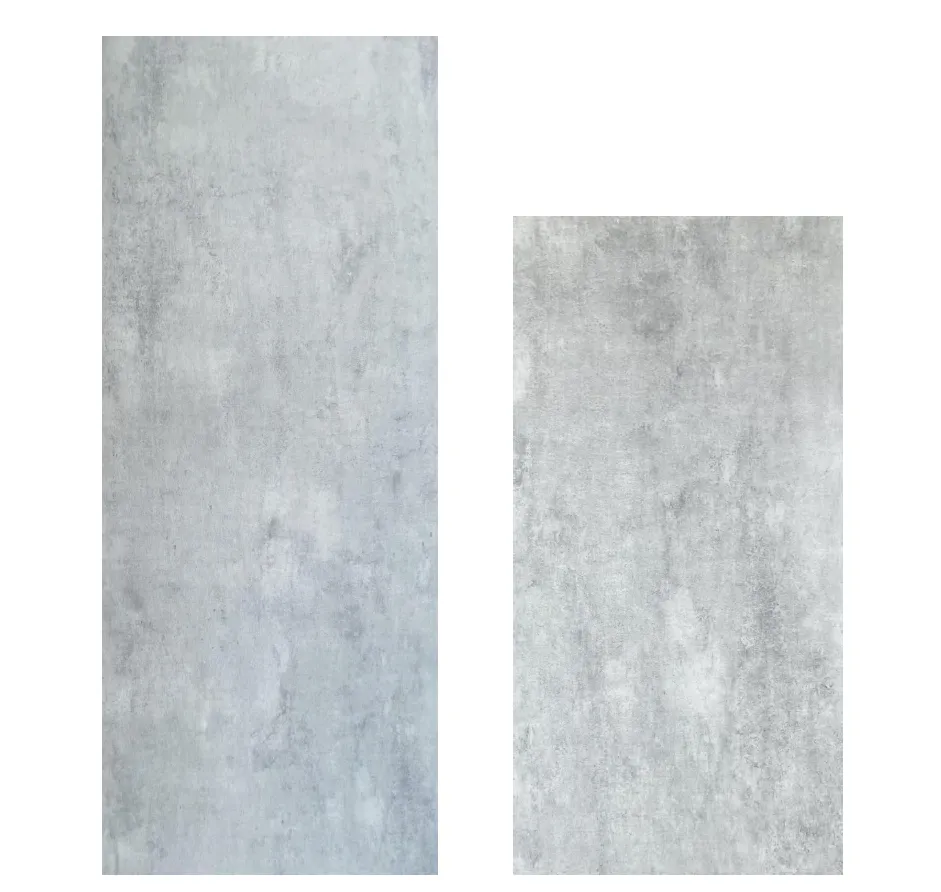
Walk into a modern school today, and you'll notice something different—the air feels lighter, the spaces more intentional. Gone are the days of drab, institutional corridors and chipped, worn-out classrooms. Instead, there's a quiet confidence in the design, a sense that every material, every texture, has been chosen to nurture not just learning, but growth. For architects and facility managers, this shift has meant rethinking the basics: What materials can keep up with the chaos of 300 kids rushing to lunch? Which ones can turn a sterile lecture hall into a space where ideas flow? And how do we balance durability with beauty, especially when budgets are tight? It's a tall order, but one material has emerged as a game-changer: marble concrete board. Blending the best of natural stone and industrial strength, it's quietly transforming school interiors into places that are as safe as they are inspiring.
Let's start with the obvious: schools are tough places for materials. Think about a typical Tuesday at a middle school. By 9 a.m., the cafeteria has already seen spilled milk, dropped pizza crusts, and a stray carton of orange juice. The art room floors are splattered with acrylic paint and glue. The gymnasium? It's hosting a basketball practice, followed by a dance rehearsal, followed by a parent-teacher meeting—all before 3 p.m. Add in rainy days (muddy shoes), science experiments (accidental chemical spills), and the general wear and tear of hundreds of students, and it's clear: "good enough" materials just don't cut it.
Take traditional options, for example. Vinyl flooring, once a staple, scratches easily and can become a slipping hazard when wet. Paint peels off walls in high-traffic areas, leaving unsightly patches. Wood floors, while warm and inviting, warp with moisture and require constant refinishing. Even fair-faced concrete—lauded for its durability—often feels cold and unwelcoming, turning classrooms into spaces that feel more like warehouses than havens for learning. And then there's the safety factor: toxic fumes from cheap adhesives, sharp edges on chipped tiles, or mold growing in porous grout lines. For schools, where the priority is protecting students and staff, these aren't just inconveniences—they're risks.
But it's not just about surviving the chaos. School design matters for learning, too. Studies show that environments with natural light, warm colors, and organic textures can reduce stress, boost focus, and even improve test scores. Stark, sterile spaces? They do the opposite. So why do so many schools settle for materials that are either "safe but ugly" or "pretty but impractical"? It's a false choice, and marble concrete board is here to prove it.
So, what exactly is marble concrete board? At its core, it's a hybrid material: a mix of marble aggregates, high-strength concrete, and reinforcing fibers that's pressed into dense, durable panels. The result? A surface that looks like polished natural stone but acts like industrial armor. Run a hand over it, and you'll feel the smooth, cool texture of marble—subtle veining, soft color variations, that timeless elegance. But drop a textbook on it? It won't chip. Spill grape juice? Wipe it up with a cloth, and there's no stain. Drag a metal chair across it daily for a year? It'll still look new. In short, it's the material schools have been waiting for.
But what really sets it apart is its versatility. Unlike polish concrete, which can feel flat and monotonous, marble concrete board brings depth. Its marble aggregates catch light, adding warmth to even the sunniest classrooms. And unlike wood grain board, which requires careful sealing to prevent water damage, it's completely non-porous—so mold, mildew, and bacteria don't stand a chance. Pair it with complementary materials like mcm flexible stone for accent walls (those thin, lightweight panels that mimic everything from slate to travertine) or wood grain board accents for a touch of coziness, and suddenly you've got a design palette that's both high-performing and high-style.
Let's talk safety—because in schools, it's non-negotiable. Marble concrete board checks every box, starting with slip resistance. Its textured surface (even in polished finishes) provides grip, which is critical in areas like cafeterias, locker rooms, and entranceways where spills and wet shoes are common. Unlike glossy tiles, which become slick when damp, marble concrete board reduces the risk of slips and falls—a huge win for busy schools.
Then there's impact resistance. Kids drop things—backpacks, lunch boxes, science project models (we've all seen the volcano disaster). Marble concrete board's dense composition means it can take a hit without cracking or chipping. In fact, many manufacturers test it to withstand weights of up to 500 pounds per square inch—more than enough for a rogue dodgeball or a wayward desk chair.
Toxicity is another big one. Schools are required to meet strict indoor air quality standards, and marble concrete board delivers here, too. Most varieties are GREENGUARD certified, meaning they emit low levels of volatile organic compounds (VOCs)—no harsh fumes, no off-gassing, just clean air for students with asthma or allergies. And because it's non-porous, it doesn't harbor mold or bacteria, which is a huge relief for janitorial staff tired of scrubbing grout lines in bathroom floors.
Safety is essential, but let's not overlook the "stylish" part of the equation. A school that looks and feels welcoming isn't just nicer to be in—it's better for learning. Marble concrete board shines here, thanks to its ability to mimic the look of natural stone without the price tag or maintenance headaches. Want the soft, creamy tones of travertine in the library? There's a marble concrete board for that. Prefer the bold, dramatic veining of marble in the auditorium? Done. Even earthy, organic textures—think river stone or sandstone—are possible, adding a touch of nature that helps students feel grounded.
But what really makes it versatile is how it plays with other materials. Pair it with wood grain board accents in the counseling office, and suddenly the space feels warm and approachable—perfect for nervous students. Use it as a backsplash in the science lab, paired with stainless steel countertops, for a sleek, modern look that still feels durable. Or mix it with mcm flexible stone on the walls of the entrance lobby: the stone-like texture adds depth, while the marble concrete floor keeps the space feeling open and bright. The possibilities are endless, and that's a big deal for schools that want to reflect their unique identity—whether that's a focus on sustainability, creativity, or tradition.
Still not convinced? Let's put it head-to-head with other common school materials. The table below breaks down the key features, so you can see why marble concrete board is quickly becoming the go-to choice.
| Material | Key Safety Features | Aesthetic Vibe | Best For | Maintenance Level |
|---|---|---|---|---|
| Marble Concrete Board | Slip-resistant, impact-resistant, non-porous (mold/bacteria-resistant), low-VOC | Elegant, natural stone look with warmth; customizable colors/patterns | Classrooms, cafeterias, hallways, auditoriums | Low: Sweep/mop weekly; occasional deep clean with mild detergent |
| Fair-faced Concrete | Durable, impact-resistant | Raw, industrial; can feel cold/sterile | Gymnasiums, workshops | Medium: Requires sealing every 2-3 years; stains can set if not cleaned quickly |
| Wood Grain Board | Warm, non-slip (textured varieties) | Cozy, natural; mimics real wood | Libraries, counseling offices | High: Needs sealing yearly; prone to water damage/warping |
| Polish Concrete | Durable, easy to clean | Sleek, modern; can feel flat without texture | Corridors, lobbies | Medium: Requires periodic re-polishing; can show scratches over time |
| MCM Flexible Stone | Lightweight, impact-resistant, fire-retardant | Textured, natural stone look; great for accent walls | Walls, feature panels, entrance lobbies | Low: Wipe with damp cloth; resistant to fading/staining |
Let's step into the shoes of Lincoln Middle School, a hypothetical but realistic example of a school that took the plunge with marble concrete board. Before the renovation, Lincoln was like many aging schools: its hallways had cracked vinyl tiles, the cafeteria floors were perpetually stained, and the art room walls were covered in peeling paint. Maintenance costs were through the roof—$15,000 a year just to replace damaged flooring and repaint high-traffic areas. Worse, teachers reported that students seemed distracted; the dull, worn-out environment made it hard to keep focus.
Then came the renovation. The team chose marble concrete board for the hallways and cafeteria floors, paired with mcm flexible stone accent walls in the entrance lobby and wood grain board accents in the library. The results? Within six months, maintenance costs dropped by 40%—no more replacing tiles or scrubbing stubborn stains. Teachers noticed a shift, too: "The kids seem calmer," one math teacher said. "The walls don't feel like they're closing in anymore." Even the art teacher was thrilled: "I used to worry about paint spills ruining the floors. Now I just wipe them up and keep going."
But the biggest win? The students. In a survey, 85% said they felt "proud" of their school now, and 72% reported feeling more focused in class. It turns out, when you give kids a space that feels intentional—like someone cared enough to make it nice—they rise to the occasion.
Let's not forget about the planet. Schools are under increasing pressure to go green, and marble concrete board delivers here, too. For starters, it's built to last. Unlike vinyl flooring, which needs replacing every 5-7 years, or carpet, which lasts 8-10 years, marble concrete board can go 20+ years with minimal upkeep. That means less waste in landfills and fewer resources spent on replacements.
It's also often made with recycled materials—think crushed marble from construction sites or reclaimed concrete. And because it's non-porous, it requires fewer harsh cleaning chemicals, which is better for both the environment and indoor air quality. Compare that to wood grain board, which often relies on hardwoods (some of which are unsustainably sourced) or fair-faced concrete, which has a high carbon footprint due to cement production. For schools looking to reduce their environmental impact, marble concrete board is a no-brainer.
At the end of the day, marble concrete board isn't just about floors and walls. It's about investing in something bigger: the students who walk those halls, the teachers who inspire in those classrooms, the communities that gather in those auditoriums. When we choose materials that are safe, durable, and beautiful, we're sending a message: "You matter. This place matters." And in a world where so much feels uncertain, that message might be the most important lesson of all.
So, to the architects, the facility managers, the educators: don't settle for "good enough." Schools deserve materials that work as hard as the people in them. Marble concrete board isn't just a solution—it's a statement. And it's time our schools started making some noise.
Recommend Products












