
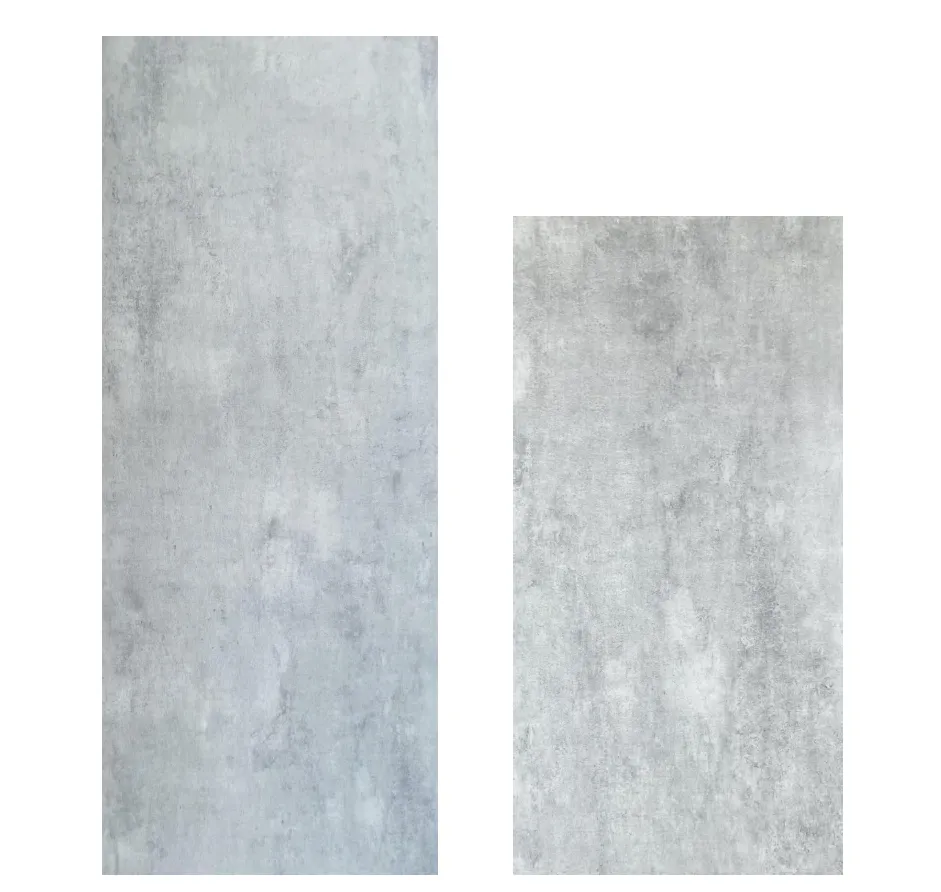
Picture this: You pull up to a luxury hotel, and before you even step through the door, something about its exterior stops you in your tracks. It's not just the architecture—it's the material. The way sunlight dances across a surface that looks like polished marble but feels surprisingly warm to the touch. The subtle texture that hints at natural stone, yet somehow looks fresh and modern. That, right there, is the magic of MCM. In the world of high-end hospitality, where first impressions make or break a guest's experience, the exterior isn't just a wall—it's a storyteller. And more and more, hoteliers and designers are turning to MCM (Modified Composite Material) to tell that story with elegance, durability, and heart.
For decades, luxury hotels relied on classic materials like natural marble, granite, or concrete for their exteriors. These materials have their charm—marble's veining exudes opulence, granite feels timeless, concrete adds industrial edge. But they come with trade-offs. Natural stone is heavy, making it expensive to transport and install. It's porous, too, staining easily in rainy climates or from poolside splashes. Concrete, while durable, can crack over time and lacks the warmth that makes a hotel feel inviting. And sustainability? Quarrying natural stone leaves a heavy carbon footprint, a growing concern for eco-conscious travelers.
Designers also hit walls with flexibility. Want a curved facade that mimics the flow of a river? Traditional stone can't bend that way. Dream of a custom color that matches your hotel's brand palette? Good luck—natural stone's hues are fixed by geology. For hotels aiming to stand out in a crowded market, these limitations felt like creative handcuffs.
Enter MCM. Short for Modified Composite Material, MCM is a game-changer crafted by bonding natural stone particles, minerals, and polymers into thin, lightweight panels. It's the best of both worlds: the beauty of natural materials with the strength and flexibility of modern engineering. For hospitality exteriors, this means endless possibilities—and a host of benefits that go beyond looks.
First, it's lightweight. At just 3-6 kg per square meter, MCM panels are up to 80% lighter than traditional stone, cutting installation time and structural costs. Imagine building a 10-story facade without reinforcing the building's foundation—MCM makes that possible. Then there's durability: MCM resists scratches, stains, and weathering, from scorching desert sun to freezing mountain winters. A hotel in coastal Miami won't see its exterior fade from saltwater; a ski resort in the Alps won't watch its walls crack under ice. And because it's made with recycled materials (up to 40% in some lines), MCM aligns with the sustainability goals that today's luxury travelers care about deeply.
MCM isn't a one-size-fits-all solution—it's a universe of textures, colors, and finishes, each designed to evoke a specific mood. Let's dive into the stars of the show, the collections that are making luxury hotels around the world turn heads.
If there's one MCM product that's become a staple in high-end hospitality, it's Marble Concrete Board. As the name suggests, it marries the timeless elegance of marble with the sturdiness of concrete, resulting in a panel that looks like it was quarried from a Italian mountainside but performs like a modern marvel. The surface mimics marble's signature veining—soft, organic lines in shades of white, gray, and beige— but without the porosity. Spills? Wipe them away. Harsh UV rays? No fading. And unlike real marble, which can vary wildly in pattern, Marble Concrete Board offers consistent beauty, ensuring every inch of your facade feels intentional.
Take the Marble Stream Stone variant, for example. Its flowing, water-like veining evokes calm, making it perfect for beachfront resorts. Pair it with Marble Interstellar Gray for a lobby accent wall, and suddenly your hotel feels like a sophisticated retreat where luxury meets serenity. Designers love it for entryways, too—imagine guests stepping out of their cars and being greeted by a sweeping Marble Concrete Board facade that says, "You've arrived somewhere special."
For hotels that lean into contemporary design, the Lunar Peak Series is a revelation. Inspired by the moon's craters and glow, these panels— Lunar Peak Silvery , Lunar Peak Golden , and Lunar Peak Black —add a touch of the cosmos to exteriors. Lunar Peak Silvery shimmers like moonlight on water, its surface catching and reflecting light in a way that makes the building feel alive at dusk. Lunar Peak Golden warms up a facade, turning sunset into a golden hour that lingers long after the sun dips below the horizon. And Lunar Peak Black ? It's bold, dramatic, and perfect for boutique hotels aiming for edgy luxury—think a rooftop bar with a Lunar Peak Black backdrop, where guests sip cocktails under the stars, the building itself feeling like part of the night sky.
What makes Lunar Peak special is its texture. Unlike flat, glossy panels, these have a subtle, crater-like surface that invites touch. Run a hand over Lunar Peak Silvery , and you'll feel tiny indentations, like the moon's surface—adding a tactile layer to the visual drama. It's the kind of detail that turns a building into an experience.
Travertine has long been a favorite in hospitality for its earthy, porous texture—think of the Colosseum's weathered walls, rich with history. But MCM's Travertine (Starry Green) takes that heritage and gives it a whimsical twist. This panel mimics the look of natural travertine, with its characteristic pitted surface, but adds a surprise: tiny, iridescent flecks that catch the light like stars. It's as if someone took a slab of travertine and scattered stardust across it.
Imagine a boutique hotel nestled in the mountains, its exterior clad in Travertine (Starry Green) . By day, it blends into the forest, the green tones harmonizing with pine trees. By night, the starry flecks glow under outdoor lighting, turning the building into a beacon. It's nature-inspired design with a touch of magic—exactly the kind of detail that guests share on Instagram, turning your hotel into a viral sensation.
Not all luxury is about sparkle—sometimes, it's about authenticity. That's where Fair-Faced Concrete comes in. This MCM panel celebrates the raw, unpolished look of concrete but softens it, adding warmth that traditional gray concrete lacks. It's perfect for hotels that embrace minimalism or industrial-chic design, like a converted warehouse hotel in a trendy urban neighborhood. The surface has subtle variations—small air bubbles, faint color gradients—that make it feel handcrafted, not mass-produced.
What's surprising is how versatile it is. Pair Fair-Faced Concrete with Wood Grain Board accents, and you get a rustic-luxe vibe that feels like a mountain lodge. Use it alone on a sleek, modern facade, and it reads as sophisticated and understated. It's the chameleon of MCM, adapting to whatever story your hotel wants to tell.
Here's where MCM truly shines: Flexible Stone . As the name suggests, these panels can bend—up to 90 degrees—without cracking. Suddenly, curved facades, rounded entryways, or wave-like accent walls aren't just dreams. A hotel in Bali used Flexible Stone to create a facade that mimics the shape of ocean waves, greeting guests with a sense of movement before they even reach the lobby. Another in Tokyo wrapped its elevator shaft in curved Flexible Stone in Starry Red , turning a utilitarian structure into a bold art piece.
Flexible Stone isn't just about curves, though. It's lightweight enough to be installed on ceilings or overhangs, adding depth to exteriors. Imagine a porte-cochere with a Flexible Stone (Starry Blue) ceiling that makes guests feel like they're stepping under a night sky—small touches that turn a routine arrival into a memorable moment.
To see MCM in action, look no further than the Ritz-Carlton Kyoto's 2023 exterior renovation. The hotel, nestled along the Kamogawa River, wanted to honor Kyoto's traditional (aesthetics) while updating its look for modern travelers. The design team chose MCM's Travertine (Starry Green) for the main facade, pairing it with Lunar Peak Golden accents and Wood Grain Board details.
The result? A building that feels both timeless and fresh. The Starry Green Travertine echoes the lushness of Kyoto's gardens, while the Lunar Peak Golden trim nods to the city's historic temples, their roofs gilded in sunlight. The Wood Grain Board adds warmth, making the grand hotel feel approachable. Guests raved about the "soothing" exterior, with many mentioning how the starry flecks in the travertine made evening walks along the river feel magical. And for the hotel's management, the benefits were practical: installation took half the time of traditional stone, and maintenance costs dropped by 30% in the first year, thanks to MCM's stain resistance.
We spoke with Maria Gonzalez, a hospitality designer with 15 years of experience, who summed it up: "MCM gives me the freedom to design without compromise. I recently worked on a desert resort where the client wanted a facade that looked like sandstone but could withstand 120°F heat. Traditional sandstone would have faded in a year. With MCM's Gobi Panel , we got the warm, earthy texture they wanted, and it still looks brand-new two years later. Plus, the sustainability angle—knowing we're using recycled materials—lets me sleep better at night. Guests notice that care, too."
| Feature | Natural Marble | Traditional Concrete | MCM (Marble Concrete Board) |
|---|---|---|---|
| Weight (kg/m²) | 25-30 | 20-25 | 3-6 |
| Installation Time | 3-4 days/100m² | 2-3 days/100m² | 1 day/100m² |
| Stain Resistance | Low (porous) | Medium (can stain) | High (non-porous) |
| Design Flexibility | Low (fixed patterns, heavy) | Medium (limited colors, rigid) | High (custom colors, flexible) |
| Carbon Footprint | High (quarrying, transport) | Medium (cement production) | Low (recycled materials, lightweight transport) |
As hospitality design evolves, MCM is poised to lead the charge. Biophilic design—connecting guests with nature—is a growing trend, and MCM's ability to mimic natural materials (like Stream Limestone (Claybank) or Bamboo Mat Board ) makes it ideal for creating that "outdoor-indoor" flow. Adaptive reuse is another focus; MCM's lightweight nature lets designers transform historic buildings without damaging their structure—think a 1920s bank turned boutique hotel, its facade updated with Historical Pathfinders Stone MCM panels that honor the past while embracing the future.
Personalization, too, is key. With MCM, hotels can create custom patterns, colors, and textures that align with their brand. A wellness retreat might choose Slate Veil White for a calm, spa-like exterior; a boutique hotel in Marrakech could opt for Morocco Real Photos panels that echo the city's vibrant markets. The possibilities are endless, and that's the beauty of it—MCM doesn't just build facades; it builds stories.
At the end of the day, luxury hospitality is about creating memories. A guest might forget the details of their room service, but they'll remember the feeling of arriving at a hotel that feels like it was designed just for them. MCM helps create that feeling—through textures that invite touch, colors that soothe or excite, and durability that ensures the story your hotel tells today will still be told tomorrow.
So the next time you pass a luxury hotel and find yourself pausing to admire its exterior, take a closer look. Chances are, it's MCM—quietly working behind the scenes to turn buildings into experiences, and guests into lifelong fans. Because in the world of hospitality, the best stories aren't just told—they're felt. And with MCM, every facade becomes a story worth feeling.
Recommend Products












