
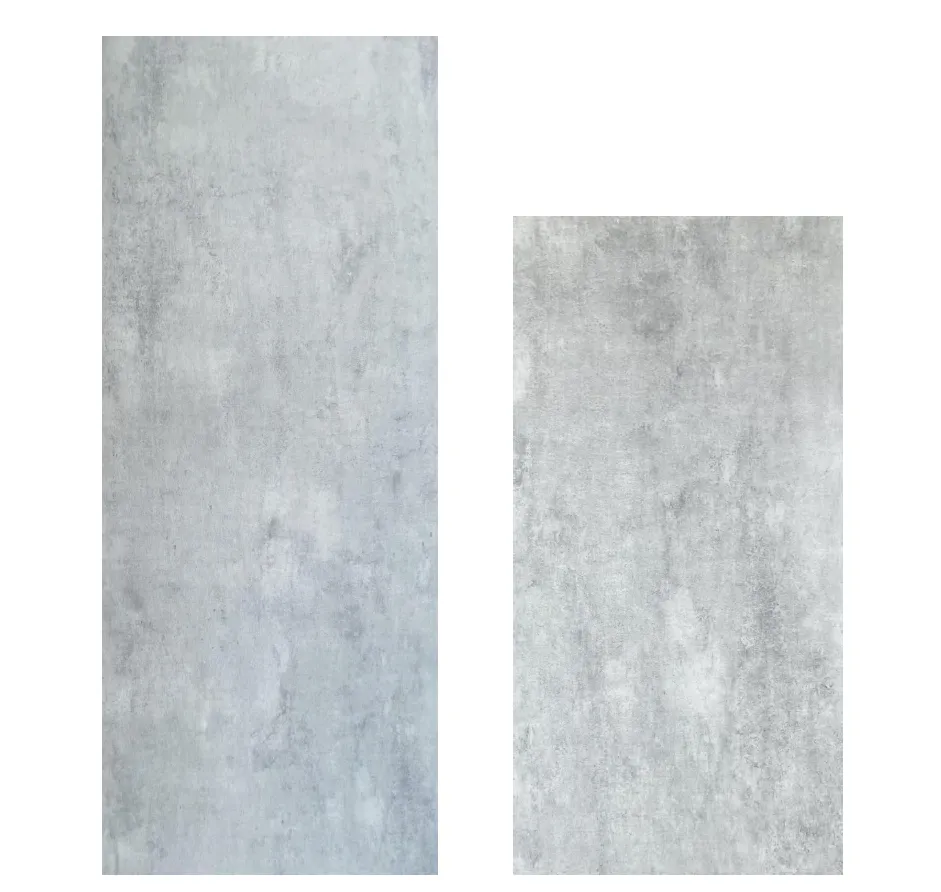
Walking into a luxury hotel, the first thing that lingers in your memory isn't just the service or the view—it's the feeling of the space. The texture of the lobby walls, the warmth of the flooring underfoot, the way light plays off surfaces to create mood. These details, crafted from carefully chosen materials, turn a building into an experience. In recent years, one material has risen to the top of designers' lists for balancing beauty and brawn: Marble Concrete Board . It's not just a surface—it's a storyteller, blending the timeless elegance of marble with the rugged reliability of concrete to redefine hotel design.
Hotels are unique creatures. They must be opulent enough to dazzle guests yet tough enough to withstand the chaos of daily life: scuffing suitcases, spills in restaurants, humidity in spas, and the relentless march of foot traffic. For decades, designers walked a tightrope—choosing marble for its luxury but dreading its upkeep, or settling for fair-faced concrete for durability but sacrificing warmth. Then came Marble Concrete Board, a hybrid material that laughs at this trade-off. It takes the best of both worlds: the organic veining and soft luminosity of natural stone, paired with the strength and low-maintenance of engineered concrete.
Imagine a boutique hotel in Kyoto, where traditional minimalism meets modern luxury. The walls of its tea lounge are clad in Marble Concrete Board in a soft lunar peak silvery finish. The surface has the smoothness of polished marble, but run a hand over it, and you feel a subtle grit—concrete's quiet reminder of resilience. Sunlight filters through shoji screens, casting patterns that dance across the board's gentle gray veins, evoking mist over a mountain lake. It's serene, it's sophisticated, and it will still look this good in 10 years, even with daily use.
At its core, Marble Concrete Board is a blend of high-performance concrete and marble aggregates, engineered to mimic the aesthetic of natural marble without its flaws. Unlike porous travertine (which demands regular sealing) or fragile natural marble (prone to chipping), this material is dense, non-porous, and built to last. Manufacturers use advanced casting techniques to replicate marble's most coveted features—swirling veins, cloud-like patterns, even the subtle color variations that make each slab feel one-of-a-kind. But here's the kicker: you can customize it. Want bold gold veins for a Miami beachfront hotel? Done. Prefer muted earth tones for a mountain retreat? No problem. It's design freedom with a practical backbone.
One of the greatest joys of working with Marble Concrete Board is its chameleon-like ability to adapt to any design language. Let's take a tour through how it shines in different hotel styles:
Minimalist Luxury: Think a sleek, modern hotel in Berlin. The lobby features floor-to-ceiling Marble Concrete Board in a marble veil white finish. The surface is honed to a matte sheen, so it reflects light softly without being glossy. Paired with black steel accents and floor-to-ceiling windows, it creates an atmosphere of calm confidence—no clutter, just pure, unadulterated beauty.
Industrial Chic: For a converted warehouse hotel in Brooklyn, designers chose a darker Marble Concrete Board with bold charcoal veins, mimicking granite portoro . The finish is intentionally slightly rough, with visible aggregate peeking through, playing up the building's industrial roots. It pairs perfectly with exposed brick and reclaimed wood beams, proving that luxury doesn't have to be fussy.
Tropical Escape: A beachfront resort in Bali might opt for Marble Concrete Board in warm travertine (beige) tones, with soft, sandy veins that echo the surrounding beaches. Used in outdoor cabanas and poolside bars, it stands up to saltwater and rain while maintaining a laid-back elegance that feels right at home under palm trees.
Designers love it for the aesthetics; hoteliers love it for the peace of mind. Let's break down why Marble Concrete Board is a workhorse in disguise:
Durability That Defies Time: High-traffic areas like hotel lobbies and corridors need materials that can take a beating. Marble Concrete Board has a compressive strength of over 60 MPa—stronger than most natural stones. It resists scratches, dents, and stains, so that spilled glass of red wine in the restaurant? Wipe it up, and no trace remains. Unlike wood grain board , it won't warp in humid spas or fade in sunlight-drenched atriums.
Low Maintenance, High Reward: Natural marble requires annual sealing and professional cleaning to stay looking fresh. Marble Concrete Board? A quick wipe with a damp cloth is usually all it takes. No special cleaners, no expensive sealing treatments, no panic when a guest drags a chair across the floor. For hotel managers, this translates to lower operational costs and fewer headaches.
Safety First: Hotels prioritize guest safety, and Marble Concrete Board delivers. It's fire-resistant, meeting strict international standards, and its non-slip finish (even when wet) makes it ideal for pool areas, bathrooms, and rainy-day lobbies. In regions prone to earthquakes, its lightweight composition (compared to solid marble) reduces structural load, adding an extra layer of security.
To see Marble Concrete Board in action, look no further than The Grand Azure, a 5-star hotel in Barcelona that underwent a $12 million renovation in 2023. The goal? update its 1990s-era lobby and restaurant while preserving its reputation for luxury. The design team, led by award-winning architect Elena Ruiz, faced a dilemma: the original space featured Italian marble floors that were stunning but cracked in places and required monthly polishing. "We needed something that felt just as luxurious but could handle 2,000 guests a day," Ruiz recalls.
The solution? They replaced the marble with Marble Concrete Board in a custom marble interstellar gray finish, designed to mimic the original stone's veining. The result? "Guests didn't even notice the switch at first," Ruiz laughs. "Then they started commenting on how 'brighter' and 'cleaner' the lobby felt. The board reflects light differently than marble—softer, less harsh—and the staff loves that they no longer spend hours buffing floors." A year later, the floors still look brand-new, and maintenance costs have dropped by 40%.
Curious how Marble Concrete Board compares to other popular hotel materials? Let's break it down:
| Material | Aesthetic Appeal | Durability | Maintenance | Best For |
|---|---|---|---|---|
| Marble Concrete Board | Marble-like veining, customizable colors/finishes | High (resists scratches, stains, fire) | Low (wipe-clean, no sealing) | Lobbies, restaurants, corridors, spas |
| Natural Marble | Timeless luxury, unique veining | Low (prone to chipping, staining) | High (annual sealing, professional cleaning) | Accent walls, low-traffic VIP areas |
| Fair-Faced Concrete | Raw, industrial, minimalist | High (durable, but prone to staining) | Medium (requires sealing every 2-3 years) | Industrial-chic lobbies, exteriors |
| Travertine | Warm, porous, natural texture | Medium (porous, needs frequent sealing) | High (seal 2-3x/year, avoid acidic spills) | Tropical resorts, outdoor patios |
| Wood Grain Board | Warm, organic, cozy | Low (warps in moisture, scratches easily) | Medium (regular polishing, avoid water) | Guest room interiors, accent walls |
Today's travelers care about sustainability, and Marble Concrete Board is keeping up. Many manufacturers now use recycled marble dust and low-carbon concrete in production, reducing environmental impact. Some even offer carbon-neutral options, appealing to eco-conscious hotels aiming for LEED certification. Compare that to natural marble, which often requires energy-intensive mining and long-haul transportation—Marble Concrete Board is a greener choice without sacrificing style.
Looking ahead, we'll see even more innovation. Imagine hotels using 3D-printed Marble Concrete Board panels with custom textures, like wave panel patterns that mimic ocean swells in coastal resorts. Or boards embedded with subtle LED lighting, turning walls into dynamic art installations that shift with the time of day. The material's versatility means it will keep evolving, staying at the forefront of hotel design for years to come.
Marble Concrete Board isn't just about surfaces. It's about creating spaces that feel intentional, that tell a hotel's unique story. Whether it's the travertine (starry blue) veins in a rooftop bar that evoke night skies over the Mediterranean, or the fair-faced concrete -inspired finish in a urban hotel that nods to the city's industrial past, this material adapts to the narrative.
For designers, it's a tool to dream bigger—no longer limited by the flaws of traditional materials. For hoteliers, it's a promise: luxury that lasts, beauty that doesn't break the bank. And for guests? It's the quiet confidence of a space that feels both extraordinary and enduring. In the world of hotel design, where first impressions last a lifetime, Marble Concrete Board isn't just keeping up—it's leading the way.
Recommend Products












