
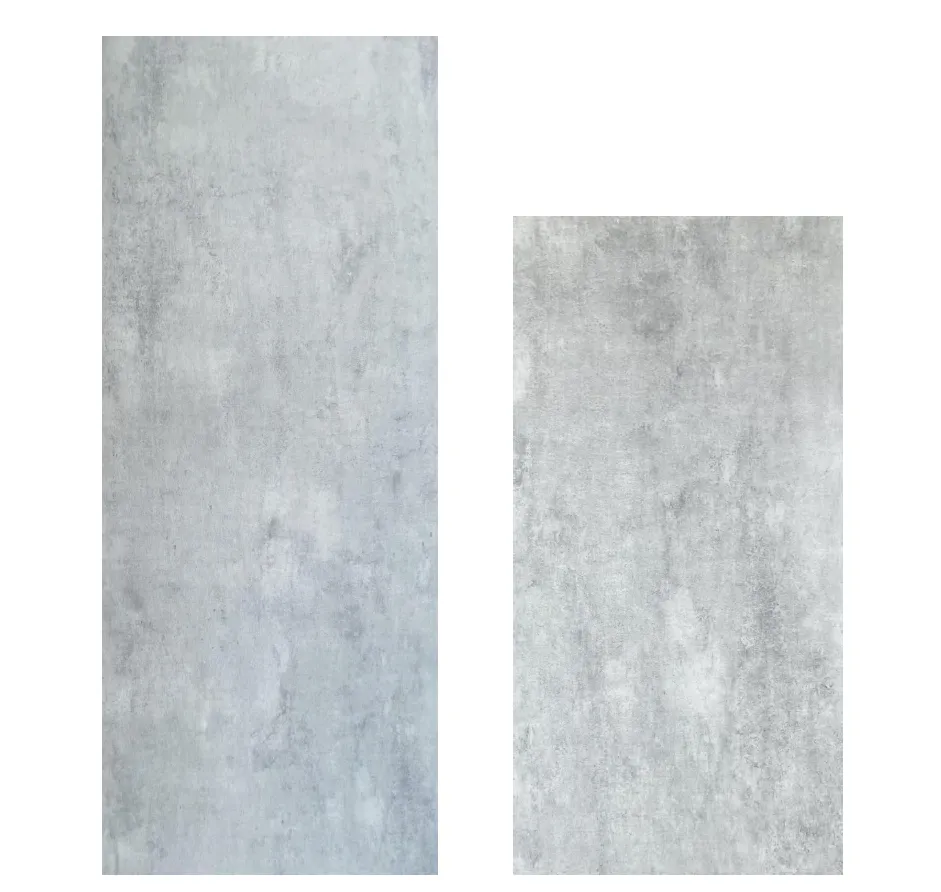
Saudi Arabia's construction landscape is undergoing a transformation as bold as the desert sun—where ancient traditions meet futuristic ambition. From the soaring skyscrapers of Riyadh to the coastal retreats of Jeddah, and the visionary projects of NEOM, the demand for materials that blend durability, beauty, and sustainability has never been higher. In this dynamic environment, one material has risen to prominence as a cornerstone of modern Middle Eastern architecture: Marble Concrete Board . More than just a building product, it's a bridge between the region's rich heritage and its cutting-edge future. But it's not alone. Today, we explore the top choices reshaping Saudi Arabia's built environment, materials that don't just construct spaces—they tell stories.
Walk through any new luxury development in Riyadh or a boutique hotel in AlUla, and you're likely to encounter Marble Concrete Board. Its allure lies in its duality: the industrial resilience of concrete paired with the timeless elegance of marble. Unlike traditional marble, which can be porous and high-maintenance, this engineered material combines crushed marble aggregates with reinforced concrete, creating a surface that's scratch-resistant, heat-tolerant, and surprisingly lightweight. For Saudi Arabia's harsh climate—where temperatures soar above 45°C in summer and sandstorms test even the sturdiest materials—this durability is non-negotiable.
"Marble Concrete Board changed how we approach facade design," says Lina Hassan, an architect at a Riyadh-based firm specializing in sustainable commercial projects. "Our clients want the luxury of marble without the upkeep. This material delivers that—we used it on the exterior of a tech campus in King Abdullah Economic City, and after two years of intense sun and sand, it still looks brand new. Plus, the design flexibility is unmatched: we've created custom patterns that mimic traditional Najdi stonework but with a modern twist."
Aesthetically, Marble Concrete Board offers a spectrum of finishes, from polished surfaces that reflect the desert light to matte textures that evoke the warmth of ancient mud-brick walls. It's a favorite for both interiors and exteriors—think feature walls in lobbies, kitchen countertops that withstand daily use, or cladding on high-rise apartments that reduces energy costs by reflecting heat. What truly sets it apart, though, is its sustainability. Many manufacturers use recycled marble waste in production, aligning with Saudi Arabia's Vision 2030 goals to reduce carbon footprints in construction. For developers aiming for LEED or Estidama certifications, this is a game-changer.
While Marble Concrete Board leads the pack, Saudi Arabia's construction boom demands a diverse toolkit. Let's explore other standout materials that are redefining the region's architecture—each with its own personality, purpose, and story to tell.
MCM Flexible Stone (short for Modified Composite Material) is revolutionizing facade design, and it's easy to see why. Imagine a material as thin as a credit card but as tough as traditional stone—capable of bending around curves, adhering to uneven surfaces, and mimicking the look of everything from travertine to granite. In a country where architectural innovation is celebrated (think the spiral minarets of Riyadh's King Abdullah Financial District), flexibility is key. MCM Flexible Stone weighs up to 80% less than natural stone, reducing structural load on buildings—a critical advantage for skyscrapers like Riyadh Tower.
Its popularity also stems from its eco-friendly credentials. Made from natural minerals and recycled polymers, it requires minimal water and energy to produce compared to quarrying natural stone. For projects like the Green Riyadh initiative, which aims to plant 7.5 million trees and create sustainable urban spaces, MCM Flexible Stone is a natural fit. "We used it on a community center in Dhahran," notes civil engineer Kareem Al-Mansoori. "The design called for a wave-like facade to represent the nearby Persian Gulf. With MCM, we could achieve those organic curves without compromising on durability. It's also fire-resistant, which is crucial in our climate."
For architects seeking to evoke the magic of Saudi Arabia's night skies, the Lunar Peak series—including Lunar Peak Silvery, Golden, and Black—offers a celestial touch. These engineered stones feature a textured surface that shimmers like moonlight on sand, with color variations that shift with the angle of the sun. "We used Lunar Peak Golden on the lobby floor of a luxury hotel in Jeddah," explains interior designer Omar Khalid. "At sunrise, it glows warm amber; by afternoon, it softens to a honeyed gold; and at night, under LED lighting, it looks like scattered stars. It's not just a floor—it's an experience."
Beyond aesthetics, Lunar Peak stones are engineered for heavy foot traffic and resistance to staining—ideal for high-traffic areas like airports, malls, and hotel lobbies. The Black variant, with its deep, starry finish, has become a favorite for corporate headquarters, symbolizing strength and sophistication. Like Marble Concrete Board, it's also low-maintenance: a quick sweep and occasional damp mop keep it looking pristine, even in busy spaces.
No discussion of Saudi materials is complete without travertine , a stone with roots in ancient Roman architecture—but the Starry Blue variant is a modern twist that pays homage to the Red Sea's depths. Quarried in select regions and enhanced with subtle metallic flecks, this travertine features a soft blue-gray base dotted with iridescent particles that catch the light, evoking the sea's shimmer at dawn. It's a popular choice for coastal projects, like resorts in Yanbu or waterfront villas in Dammam.
"Clients in coastal areas want materials that reflect their surroundings without fading," says Hassan. "Starry Blue travertine does that. We used it on the exterior of a beach club in Jeddah, and it's held up beautifully against salt spray and humidity. Plus, its natural pores make it slip-resistant when wet—essential for pool decks and walkways." It's also a sustainable option, as travertine is a natural stone with minimal processing required, and many suppliers now offer ethically sourced versions certified by the Natural Stone Council.
For projects that embrace minimalism and industrial chic, Fair-Faced Concrete (also known as "architectural concrete") is unbeatable. This material celebrates the raw, unadorned texture of concrete, with visible aggregates and subtle color variations that tell the story of its creation. It's a staple in modernist projects, from art galleries in Riyadh to tech offices in Doha, and it pairs beautifully with warm woods or metallic accents to soften its industrial edge.
"Fair-Faced Concrete is about honesty in design," says Khalid. "We used it for the walls of a cultural center in Riyadh, and paired it with Lunar Peak Silvery accents. The contrast between the rough concrete and shimmering stone creates a space that feels both grounded and aspirational." Its durability is another plus: it withstands Saudi's climate with ease, and its thermal mass helps regulate indoor temperatures, reducing reliance on air conditioning. For developers focused on energy efficiency, this is a significant benefit.
With so many options, choosing the right material can feel overwhelming. To simplify, here's a comparison of the top choices, highlighting their key features, best uses, and aesthetic vibes:
| Material | Key Features | Best For | Aesthetic Notes |
|---|---|---|---|
| Marble Concrete Board | Marble aggregates + reinforced concrete; scratch/heat-resistant; lightweight; sustainable (recycled content) | Facades, countertops, feature walls | Blends luxury (marble) with industrial strength; polished or matte finishes |
| MCM Flexible Stone | Thin, bendable composite; mimics natural stone; lightweight; fire-resistant | Curved facades, uneven surfaces, accent walls | Chameleon-like versatility; textures range from rough-hewn to smooth |
| Lunar Peak (Golden/Silvery/Black) | Textured, shimmering surface; heavy-traffic resistant; low-maintenance | Lobbies, hotel floors, corporate interiors | Celestial-inspired; shifts color with light; evokes night skies and desert sun |
| Travertine (Starry Blue) | Natural stone with metallic flecks; slip-resistant; salt-spray tolerant | Coastal resorts, pool decks, waterfront villas | Soft blue-gray base with iridescent "stars"; nods to the Red Sea |
| Fair-Faced Concrete | Raw, unadorned texture; thermal mass; durable; low-maintenance | Modernist buildings, cultural centers, industrial-chic interiors | Honest, industrial aesthetic; pairs well with warm woods/metals |
As Saudi Arabia continues to build toward its vision of a diversified, sustainable economy, the demand for innovative materials will only grow. Marble Concrete Board, with its blend of luxury and practicality, is poised to remain a leader, but materials like MCM Flexible Stone and Lunar Peak are gaining ground as architects push creative boundaries. Sustainability will also play an even bigger role—expect to see more recycled content, carbon-neutral production processes, and materials that support net-zero energy buildings.
What's most exciting, though, is how these materials are shaping the country's identity. They're not just building blocks; they're storytellers. A hotel clad in Starry Blue travertine tells of Saudi's coastal beauty; a skyscraper wrapped in MCM Flexible Stone speaks to innovation; a home with Lunar Peak floors whispers of desert nights under the stars. In the end, the best materials don't just construct spaces—they create connections: to place, to tradition, and to the future.
For developers, architects, and builders in Saudi Arabia, the message is clear: the right material isn't just about specs. It's about emotion. It's about choosing something that will stand the test of time—both in durability and in the hearts of those who experience it. And in that regard, Marble Concrete Board and its peers are more than top choices—they're partners in building a Saudi Arabia that's as strong, beautiful, and inspiring as its people.
Recommend Products












