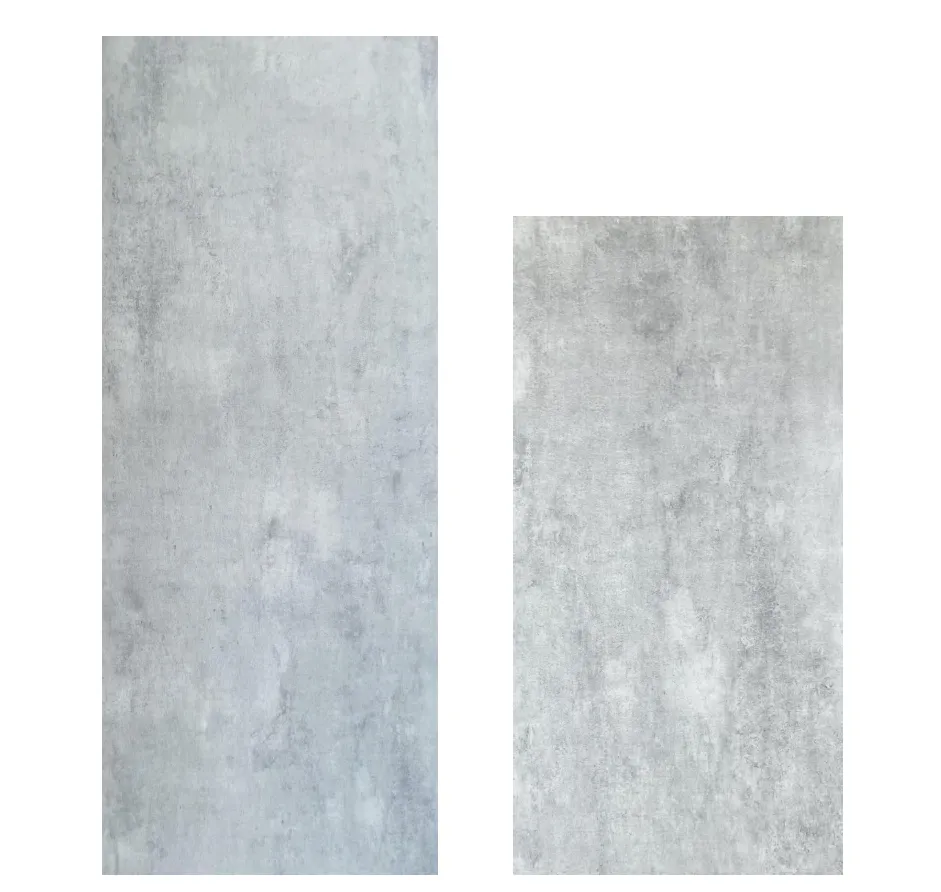
Installing
marble concrete board isn't a one-size-fits-all expense. Several variables come into play, each influencing the final price tag. Let's unpack the most significant ones:
1. Material Quality and Type
Not all marble concrete boards are created equal. The market offers a spectrum of options, from budget-friendly basic grades to premium, artisanal varieties—each with its own price point. For example, standard
marble concrete board
might cost $8–$12 per square foot, while specialized versions with unique finishes (like polished surfaces or custom color blends) can jump to $15–$25 per square foot. Compare that to alternatives like
fair-faced concrete
, a raw, industrial-style material that typically ranges from $5–$10 per square foot, and you'll see how material choice alone can shift your budget.
Aesthetic add-ons also play a role. If you're drawn to bold, statement-making options—think
travertine (starry blue)
with its speckled, celestial pattern, or
lunar peak golden
with its warm metallic sheen—expect to pay a premium. These specialty materials often require more intricate manufacturing processes, driving up their cost before installation even begins.
2. Size and Thickness
The dimensions of your project matter, too. Larger slabs (e.g., 4x8 feet) are heavier and trickier to maneuver, which can raise labor costs. Thickness is another factor: a 1-inch slab meant for flooring will cost more in both material and installation than a 0.5-inch panel used for wall cladding. Custom sizes—say, a curved slab for a circular wall—add even more, as they often require specialized cutting and waste more material during production.
3. Installation Complexity
Labor is often the biggest wildcard in any construction budget, and
marble concrete board installation is no exception. Simple, flat indoor walls? A seasoned crew might charge $5–$8 per square foot. But if your project involves outdoor spaces (where weather resistance and drainage add steps), curved surfaces, or high ceilings (requiring scaffolding), labor costs can spike to $10–$15 per square foot.
Location matters, too. Urban areas with high demand for skilled labor (think New York or Los Angeles) will naturally have higher rates than rural regions. And don't forget about accessibility: if your worksite is hard to reach (e.g., a penthouse with no elevator), expect to pay extra for hauling materials and navigating tight spaces.
4. Site Preparation
Before the first slab goes down, your existing surface needs to be ready. If you're installing over a smooth, level concrete floor, prep work might be minimal—just a thorough cleaning and minor repairs. But if there's old tile, carpet, or damaged drywall to remove, that's extra time (and money). Removing debris can add $1–$3 per square foot, while leveling uneven surfaces with mortar or self-leveling compound might tack on another $2–$5 per square foot. Skipping this step? You risk uneven installation, cracks, or premature wear—costing far more to fix later.
5. Additional Materials
Marble concrete board doesn't stand alone. You'll need adhesives, grout, sealants, and possibly backing boards (like
cement board for moisture-prone areas). High-quality adhesives designed for heavy stone can cost $20–$40 per gallon, while sealants (critical for protecting against stains and water damage) run $15–$30 per quart. These "small" expenses add up: plan for $2–$4 per square foot in additional materials, depending on your project's needs.