
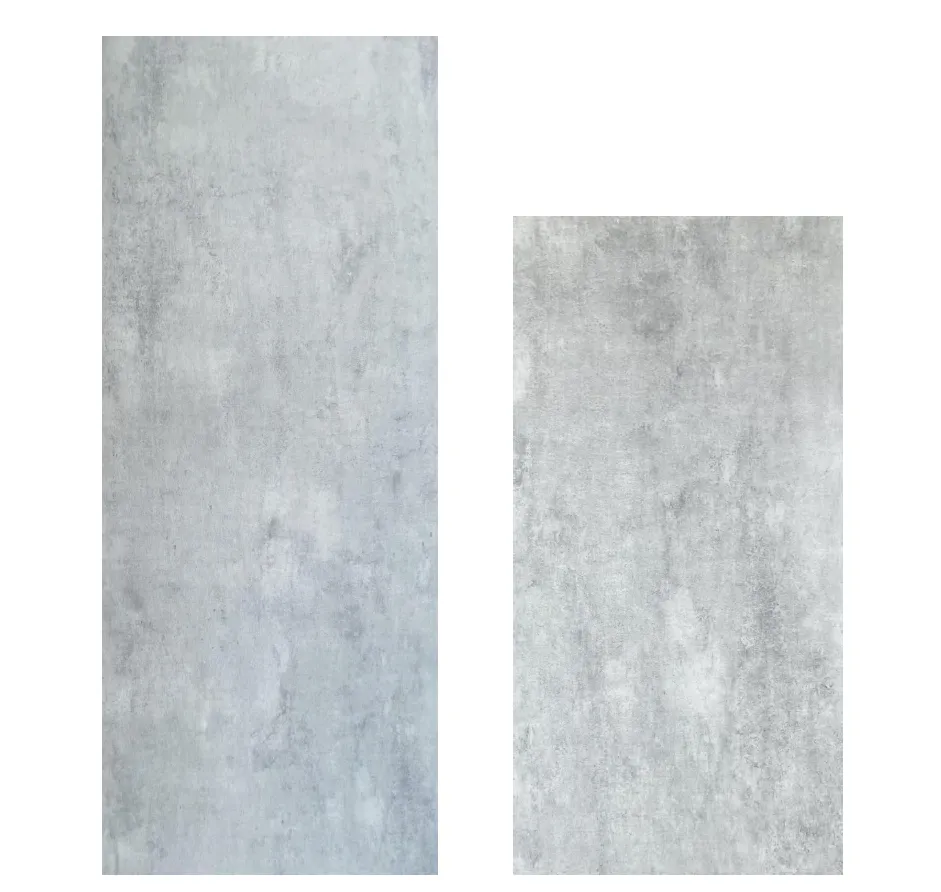
Installing marble concrete boards is more than just a construction task—it's a blend of precision, patience, and the right gear. These sleek, durable panels have become a go-to for modern interiors and exteriors, but their beauty and longevity hinge on how well they're installed. Whether you're a seasoned contractor or a DIY enthusiast taking on a big project, having the right tools isn't just a convenience; it's the difference between a seamless finish and a frustrating redo. In this guide, we'll walk through the must-have tools for installing marble concrete boards, plus how they adapt when working with complementary materials like flexible stone cladding panels or rough granite. Let's dive in.
Before you even lift a panel, you need to know exactly where it's going. Marble concrete boards are heavy and unforgiving—one wrong cut and you're looking at wasted material and time. Here's what you'll need:
A 25-foot tape measure with a locking mechanism is non-negotiable. Look for one with both imperial and metric markings—handy if you're working with international clients or materials like foamed aluminium alloy board (vintage silver) , which might come with metric specs. For longer walls, a laser level is a lifesaver. It projects a straight, visible line across the surface, ensuring panels align perfectly from floor to ceiling. No more squinting at a string line or relying on a bubble level that slips mid-install.
A chalk line turns those laser-level projections into physical marks you can follow. Snap it along the wall, and you've got a crisp guideline for cutting and placement. Pair it with a carpenter's pencil—preferably a mechanical one with a fine point—to mark cut lines on the marble concrete board itself. Regular pencils smudge; a sharp mechanical pencil leaves clean, precise marks that won't fade mid-cut.
Marble concrete boards are dense, so generic tools won't cut it (pun intended). You need equipment designed to handle their hardness without chipping or cracking the surface.
This is your workhorse for straight cuts. A 7¼-inch circular saw fitted with a diamond-tipped masonry blade slices through marble concrete like butter. Pro tip: Opt for a blade with a continuous rim (not segmented) to minimize chipping. If you're switching between materials—say, cutting marble concrete boards in the morning and flexible stone cladding panels in the afternoon—swap to a fine-tooth blade for the stone cladding; it's softer and prone to tearing with a coarse diamond blade.
For rounded edges or cutouts around outlets, a wet tile saw is indispensable. The water reservoir cools the blade and reduces dust, which is a bonus for both tool longevity and your lungs. It's also gentler on the marble concrete surface, leaving smoother edges than a dry cut. Just be sure to dry the board thoroughly after cutting—excess moisture can weaken the adhesive later.
Think of this as a handheld Swiss Army knife. An angle grinder with a masonry disc trims excess material, smooths rough edges, and even etches designs into the marble concrete board if you're feeling creative. When working with rough granite stone (medium grey) accents, it's also great for shaping the granite to complement the marble panels—just switch to a diamond cup wheel for grinding down granite's gritty surface.
Even the best tools can't save a shoddy substrate. Marble concrete boards need a flat, clean surface to adhere properly. Here's how to prep it:
Start by sanding the wall or floor with an orbital sander and 80-grit sandpaper. This removes bumps, old paint, or adhesive residue that could create gaps under the panels. For tight corners or porous surfaces (like fair-faced concrete ), a wire brush works better—scrub away crumbs of mortar or dirt without damaging the substrate. Vacuum up the dust afterward; a clean surface means stronger adhesion.
If the substrate has dips deeper than 1/4 inch, a self-leveling compound is a must. Mix it according to the instructions, pour it on, and let it settle—it'll create a perfectly flat base for your marble concrete boards. Skip this step, and you'll end up with panels that rock or crack under pressure over time.
Marble concrete boards aren't light—some can weigh 30 pounds or more. You need tools that hold them in place while the adhesive sets, and adhesives that can handle the load.
The size of the trowel's notches depends on the panel thickness. For standard 1/2-inch marble concrete boards, a 1/2-inch square-notch trowel is ideal—it spreads adhesive in uniform ridges that collapse when the panel is pressed, ensuring full contact. Thinner materials like flexible stone cladding panels might only need a 3/8-inch V-notch trowel—too much adhesive here can squeeze out and stain the surface.
Lifting a marble concrete board solo is risky—for you and the panel. A pair of heavy-duty suction cups with ergonomic handles lets you grip the board securely, reducing strain on your back. Once in place, use spring clamps to hold panels together tightly while the adhesive dries. Just wrap the clamp jaws in painter's tape to avoid scratching the marble surface.
The difference between a "good" install and a "wow" install is in the finishing. These tools clean up edges, fill gaps, and protect the marble concrete from wear.
After the panels are set, grouting the joints gives a seamless look. A rubber grout float with a soft edge presses grout into the gaps without scratching the marble. Wipe away excess with a damp (not soaking) sponge, rinsing it frequently to avoid smearing. For rough granite stone (medium grey) accents, use a grout that matches the granite's undertones to make the transition between materials feel intentional.
Marble concrete is porous, so sealing it is a must—especially in high-moisture areas like bathrooms or kitchens. A foam applicator pad evenly spreads the sealer, which repels stains and water. Let it dry for 24 hours, then apply a second coat for extra protection. Your clients will thank you when red wine or coffee spills wipe right off instead of staining.
Installing marble concrete boards involves dust, noise, and heavy lifting. Skimping on safety gear isn't worth the risk.
| Tool Type | Best For: Marble Concrete Board | Best For: Flexible Stone Cladding Panels | Key Feature |
|---|---|---|---|
| Circular Saw | Diamond-tipped masonry blade | Fine-tooth carbide blade | Prevents chipping (marble) or tearing (stone cladding) |
| Notched Trowel | 1/2-inch square notch | 3/8-inch V-notch | Matches adhesive needs to panel weight/thickness |
| Angle Grinder | Diamond cup wheel | Sanding disc | Smooths rough edges without damaging surface |
Not every job calls for the same tools. If you're installing marble concrete boards in a residential bathroom, you might only need a circular saw, notched trowel, and basic safety gear. But a commercial project with mixed materials—say, marble concrete walls accented with foamed aluminium alloy board (vintage silver) and rough granite stone (medium grey) —requires more versatility. A multi-tool with interchangeable blades (masonry, metal, wood) can handle cutting, sanding, and scraping without switching tools. And if you're working outdoors, invest in a weatherproof toolbox to protect your gear from rain or dust.
At the end of the day, marble concrete board installation is as much about the tools as it is about skill. A cheap saw leaves jagged edges; a dull blade tears panels; a flimsy level leads to crooked walls. But with the right equipment—sharp blades, precise measuring tools, reliable adhesives—you'll not only work faster, but you'll also deliver results that make clients say, "Wow, that looks professional." And in a industry where reputation is everything, that's priceless.
So, before your next project, take stock of your toolbox. Upgrade where you need to. Your back, your clients, and your finished walls will thank you.
Recommend Products












