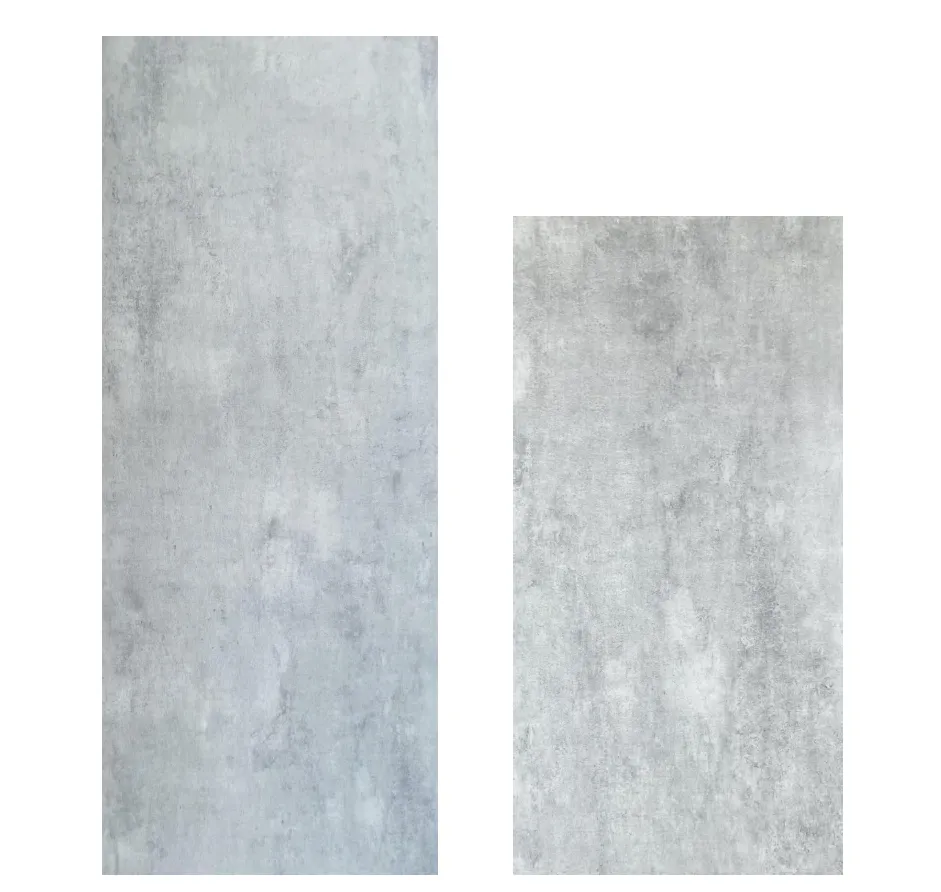
Let's get into the nitty-gritty of why "lightweight" isn't just a buzzword here—it's a transformative advantage. Let's start with the numbers. If a 50-story building has 10,000 square meters of facade, using natural marble would add 250 tons of weight. Switch to
Marble Concrete Board at 10kg/sqm, and that drops to 100 tons—a
60% reduction
. That's the equivalent of removing 50 African elephants from the building's load. Engineers would weep tears of joy at that stat. Why? Because less weight means smaller foundations, thinner columns, and fewer steel reinforcements. All of that translates to lower material costs upfront—we're talking potentially millions saved on the structural side alone.
Then there's installation speed. Lighter panels are easier to move, which means fewer crane trips and faster on-site handling. A crew that might take a day to install 50sqm of natural stone could install 100sqm of
Marble Concrete Board in the same time. That's a 100% increase in productivity. For tight project deadlines, this isn't just helpful—it's critical. Faster installation means earlier completion, which means the building can start generating revenue (or housing residents) sooner. It also reduces labor costs, since fewer workers are needed on-site for the same amount of work.
Safety is another big win. When panels weigh half as much, the risk of accidents during transport and installation plummets. Workers can carry smaller panels by hand (no need for heavy lifting equipment on scaffolding), and if a panel does slip, the impact is far less severe. This isn't just about avoiding OSHA fines—it's about keeping people safe. Any construction manager will tell you: A safe worksite is a productive worksite, and
Marble Concrete Board checks that box.
Let's not forget transportation. Lighter panels mean more can fit on a truck. A standard delivery truck might carry 200sqm of natural stone; with
Marble Concrete Board, that number jumps to 500sqm. Fewer trucks on the road mean lower fuel costs, reduced carbon emissions, and fewer traffic disruptions around the construction site. It's a ripple effect of efficiency that touches every part of the project.