
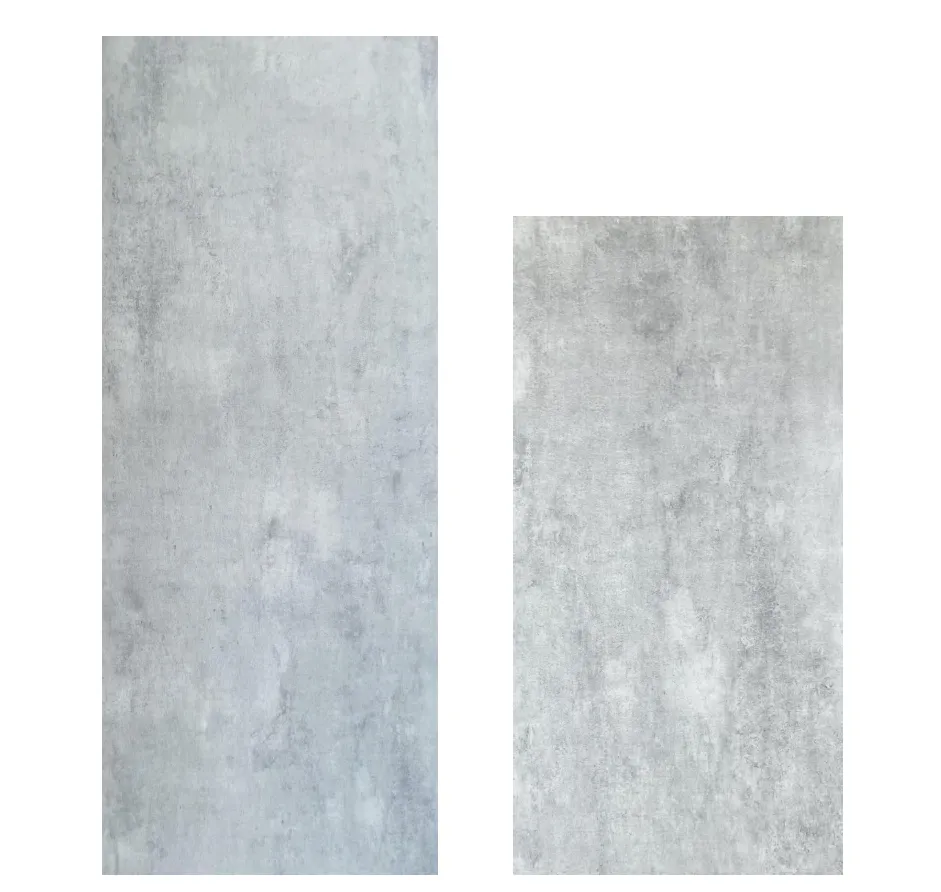
There's something inherently timeless about a well-crafted marble concrete board. Whether it's gracing your kitchen countertops, defining a living room accent wall, or adding sophistication to a commercial lobby, its smooth texture, subtle veining, and warm tones have a way of turning ordinary spaces into something extraordinary. But like any cherished possession, this beauty isn't meant to last on its own. Without proper care, even the most durable marble concrete board can fall prey to stains, scratches, or dullness—slowly losing the luster that first drew you to it. The good news? With a little know-how and consistent effort, you can keep your marble concrete board looking as stunning as the day it was installed. Let's dive into the why, the how, and the essential tips to make that happen.
At first glance, marble concrete board might seem like a "set it and forget it" material. After all, it's tough, resistant to wear, and designed to stand up to daily life. But here's the truth: its beauty is a delicate balance. Marble concrete board, like its cousin travertine, is porous by nature. That means tiny pores in the surface can trap liquids, dirt, and grime over time—leading to discoloration or even permanent stains if left unchecked. Scratches, too, can dull the finish, making the surface look worn long before its time. And let's not forget about the impact of neglect on value: a well-maintained marble concrete feature can (enhance) a home's or business's aesthetic appeal and resale value, while a neglected one might become an eyesore.
Think of it this way: your marble concrete board is an investment in beauty. Just as you'd water a plant to keep it thriving or polish a favorite piece of jewelry to maintain its shine, caring for your marble concrete surface is an act of preserving something meaningful. It's not just about cleaning—it's about honoring the craftsmanship that went into creating it and ensuring it continues to bring joy for years to come.
Before we jump into solutions, let's identify the enemies. Knowing what to watch out for can help you stay one step ahead of damage:
Caring for your marble concrete board doesn't have to be complicated. It's all about building small, consistent habits that add up to long-term protection. Let's break it down by frequency:
Daily care is all about prevention. Spend 2–3 minutes each day, and you'll save hours of deep cleaning later:
Once a week, give your marble concrete board a deeper clean to remove built-up grime. Here's how:
Once a month, take a few extra minutes to inspect and reinforce your board's defenses:
If you have other natural stone or concrete surfaces in your space—like fair-faced concrete or travertine—you might wonder how their care routines stack up. The table below breaks down key differences to help you tailor your approach:
| Task | Marble Concrete Board | Fair-Faced Concrete | Travertine |
|---|---|---|---|
| Daily Cleaning | Dust with microfiber; blot spills immediately | Dust with dry cloth; wipe spills (less porous than marble concrete) | Dust with soft cloth; blot acidic spills instantly (highly porous) |
| Weekly Cleaning | Mild pH-neutral soap and water; damp mop | Water and mild detergent; avoid excess moisture | Gentle stone cleaner; avoid soap (can leave film in pores) |
| Stain Removal | Oil stains: baking soda paste + water; Acidic stains: professional help if etched | Oil stains: degreaser + stiff brush; Water stains: vinegar (safe for non-polished concrete) | Oil stains: cornstarch paste; Acidic stains: immediate neutralization with baking soda and water |
| Sealing Frequency | Every 6–12 months | Every 2–3 years (less porous) | Every 3–6 months (highly porous) |
Even with the best prevention, stains happen. The key is to act fast and use the right method for the type of stain. Here's how to handle common culprits:
Oil loves to seep into marble concrete's pores, so time is critical. Here's what to do:
Acid etches the surface, so neutralizing it quickly is key. If the stain is fresh:
Hard water can leave white, chalky spots. To remove them:
Sealing is the unsung hero of marble concrete board maintenance. A good sealer acts as a barrier, filling in pores and preventing liquids from penetrating. Here's how to do it right:
Not all sealers are created equal. Look for a penetrating sealer (also called an impregnator) specifically designed for marble or concrete. These sealers soak into the pores without leaving a glossy film, preserving the natural look of the stone. Avoid topical sealers (which sit on the surface), as they can yellow over time or peel with heavy use.
Some issues are best left to the experts. If you notice deep scratches, large etched areas, or stains that won't budge despite your best efforts, a professional stone restorer can help. They have tools and products to grind, polish, or re-seal the surface, restoring it to its original beauty. It's an investment, but one that can extend the life of your marble concrete board by years.
Caring for your marble concrete board isn't just about chores—it's about creating a space that feels intentional and loved. Every time you wipe a spill, dust the surface, or apply a fresh coat of sealer, you're not just maintaining a material—you're preserving a part of your home's story. And when you walk into a room and see that smooth, glowing surface, you'll know it was worth the effort.
Remember: consistency is key. Small, daily habits will keep your marble concrete board looking its best, while addressing issues quickly will prevent them from becoming permanent. Whether it's a kitchen countertop that hosts family meals or a lobby floor that welcomes guests, your marble concrete board has the power to elevate every moment—if you give it the care it deserves.
So grab your microfiber cloth, stock up on pH-neutral soap, and make a promise to your marble concrete board today: you'll keep it shining, one small step at a time. The results? A surface that not only looks beautiful but feels like a reflection of the care you put into your space.
Recommend Products












