
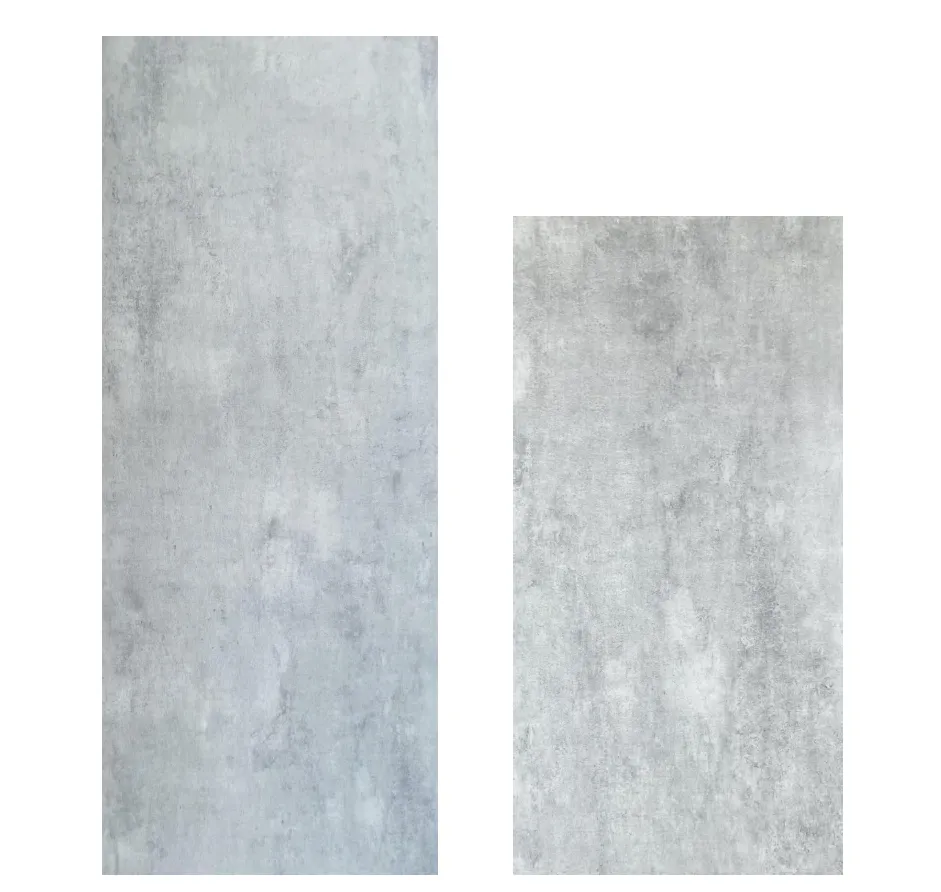
A guide to keeping your surfaces stunning, durable, and timeless
Walk into any modern restaurant, boutique hotel, or high-end office today, and you'll likely be greeted by walls or floors that strike a perfect balance between industrial edge and refined elegance. Chances are, those surfaces are made of marble concrete board—a material that's taken the architectural world by storm for its ability to blend the durability of concrete with the luxurious veining of marble. But here's the thing about even the toughest materials: they don't stay flawless on their own. Scratches from daily foot traffic, stains from accidental spills, or cracks from temperature shifts can all chip away at that "brand new" look over time. The good news? With the right repair know-how and a little consistent maintenance, your marble concrete panels can stay as striking as the day they were installed—maybe even more so, as they develop a subtle, lived-in charm that only time can bring.
In this guide, we're diving deep into everything you need to know to care for your marble concrete board. From understanding what makes this material unique to fixing common issues and building a maintenance routine that fits your lifestyle, we'll cover it all. Whether you're a homeowner with a marble concrete accent wall, a business owner managing a busy retail space, or just someone who appreciates beautiful, long-lasting design, this article is your go-to resource for keeping those panels in top shape.
Before we jump into repairs and maintenance, let's make sure we're all on the same page about what marble concrete board actually is. At its core, it's a composite material that marries the best of two worlds: the strength and versatility of concrete with the aesthetic appeal of marble. Think of it as concrete that's been given a luxury upgrade—instead of plain gray, you get flecks and veins of marble aggregates (tiny pieces of marble) mixed into the concrete matrix, creating a surface that looks like polished marble but stands up to the rigors of daily life far better than natural stone alone.
What sets it apart from other materials? Let's compare it to fair-faced concrete, for example. Fair-faced concrete is celebrated for its raw, industrial vibe—it's the "unfinished" look, with visible formwork marks and a matte, uniform texture. Marble concrete board, on the other hand, is all about balance. It has the structural integrity of concrete but adds the warmth and sophistication of marble, making it equally at home in a minimalist living room or a high-end retail store. It's also more durable than pure marble, which can etch easily from acidic spills, and more visually interesting than plain concrete, which can feel cold if not paired with the right design elements.
Another key point: marble concrete board isn't just for floors. It's incredibly versatile—you'll find it on walls, countertops, backsplashes, and even outdoor patios. Its popularity comes down to three things: aesthetics (it complements everything from modern to rustic decor), durability (it resists chipping and scratching better than many natural stones), and customizability (you can find it in a range of finishes, from matte to high-gloss, and even incorporate patterns or textures). But like any material, its longevity depends on how well you care for it. Let's talk about the common issues that can pop up, so you know what to watch for.
Marble concrete board is tough, but it's not invincible. Over time, even the most well-installed panels can run into problems. The trick is to catch these issues early—before a tiny scratch becomes a big eyesore or a small stain sets in permanently. Let's break down the most common culprits:
These are the most frequent offenders, especially on floors or high-traffic wall areas. Think about it: shoes dragging across the floor, furniture being moved, even pet claws can leave behind tiny scratches. At first, they might just look like dull marks, but over time, they can catch dust and become more noticeable. Light scratches are usually surface-level, but deeper ones can expose the concrete matrix underneath, making the panel look uneven.
Spills happen. A cup of coffee sloshed on the counter, a drop of oil from a frying pan, or even a splash of wine at a dinner party—all of these can leave stains if not cleaned up quickly. Marble concrete is less porous than pure marble, but it's still porous enough to absorb liquids, especially if the sealant has worn thin. Oil-based stains (like cooking oil or grease) are particularly tricky because they can seep deep into the material, while acidic substances (like lemon juice or vinegar) can etch the surface, leaving a dull, discolored spot.
Cracks can form for a few reasons: shifts in the building's foundation, extreme temperature changes (like a freezing cold winter followed by a hot summer), or even heavy impacts (like dropping a tool on the floor). Hairline cracks are usually cosmetic—thin, barely visible lines that don't affect the panel's structural integrity. But larger chips or cracks that go all the way through the panel? Those need immediate attention, as they can let moisture in and lead to bigger problems down the line.
Ever noticed how some areas of your marble concrete panel look lighter or darker than others? That's discoloration. It can happen due to uneven exposure to sunlight (UV rays can fade the color over time), water damage (if moisture gets trapped behind the panel), or even using the wrong cleaning products (harsh chemicals can strip away the top layer, leaving a patchy look). Outdoor panels are especially prone to this, but indoor ones near windows or sinks can also be affected.
Marble concrete boards often come with a polished or honed finish that gives them that signature sheen. Over time, though, this shine can dull due to wear and tear, dust buildup, or using abrasive cleaners. Even if there are no visible scratches, the surface might start to look flat or matte in areas with heavy foot traffic, which can take away from the panel's overall appeal.
Now that you know what to look for, let's talk about how to fix these issues. The good news is that most minor problems can be tackled with a few simple tools and some elbow grease. Let's start with repairs.
You don't need to be a professional contractor to fix small scratches or stains on your marble concrete board. With the right supplies and a little patience, you can restore your panels to their former glory. Let's walk through step-by-step solutions for the most common problems.
Before you start, gather these supplies—you can find most of them at your local hardware store or online:
Light scratches (the kind that you can barely feel with your finger) can usually be buffed out. Here's how:
For deeper scratches (those you can feel with your finger), you'll need a repair paste. Follow the manufacturer's instructions for mixing the paste (some come pre-tinted, others let you add colorant to match your panel). Apply a small amount to the scratch with a putty knife, smoothing it out so it's level with the surface. Let it dry completely (this can take 24 hours), then sand lightly with 600-grit sandpaper and polish as above.
Stains can be tricky, but the key is to act fast. The longer a stain sits, the harder it is to remove. Here's how to tackle common stain types:
| Stain Type | Common Causes | Quick Fix |
|---|---|---|
| Oil/Grease Stains | Cooking oil, lotion, makeup | Make a poultice with baking soda and water (1:1 ratio). Apply to the stain, cover with plastic wrap, and let sit overnight. Wipe away with a damp cloth. |
| Acidic Stains | Lemon juice, vinegar, wine | Dilute hydrogen peroxide with water (1:2 ratio). Apply to the stain with a cloth, let sit 10 minutes, then rinse with water and dry. |
| Organic Stains | Coffee, tea, fruit juice | Mix baking soda with a few drops of dish soap and water to make a paste. Scrub gently with a soft brush, rinse, and dry. |
| Rust Stains | Metal furniture, tools left on surface | Use a commercial rust remover made for stone (test on a hidden area first!). Apply, let sit 5 minutes, then rinse thoroughly. |
Hairline cracks (less than 1/8 inch wide) are usually cosmetic, but they can get worse if water seeps in. Here's how to seal them:
Note: If the crack is wider than 1/8 inch or seems to be growing, it might be a sign of structural issues. In that case, call a professional—don't try to fix it yourself.
Mild discoloration can often be fixed with a deep clean. For more stubborn cases, try this:
Repairs are important, but the best way to extend your marble concrete board's lifespan is to prevent issues from happening in the first place. A little regular maintenance goes a long way—and it's easier than you might think. Let's break down a simple routine you can stick to, whether you're caring for indoor or outdoor panels.
These are the small, daily tasks that take 5 minutes or less but keep your panels looking fresh:
Once a week, set aside 15–20 minutes for a more thorough clean. Here's what to do:
The sealant is your marble concrete board's first line of defense against stains and moisture. Over time, it wears down, so it's important to check its condition monthly:
How often you need to reseal depends on the panel's location. Indoor panels in low-traffic areas might only need resealing every 2–3 years, while outdoor panels or high-traffic floors might need it annually. When choosing a sealer, opt for one labeled "penetrating" or "impregnating"—these soak into the material and provide long-lasting protection without leaving a glossy film.
Once a year, give your marble concrete board a little extra love with a deep clean. You can do this yourself or hire a professional stone cleaner—either way, it's worth the effort. A professional might use diamond polishing pads to restore the shine, or a specialized cleaning solution to remove deep-set stains. They can also inspect for structural issues you might have missed, like water damage behind the panels or loose edges.
If you're doing it yourself, rent a low-speed buffer with a soft polishing pad (ask at your local hardware store) and use a stone-safe polish. Go over the entire surface in small sections, then wipe away any residue with a microfiber cloth. This will bring back the shine and make your panels look like new.
If your marble concrete panels are in a high-traffic area (like a busy restaurant floor or a commercial lobby) or exposed to the elements (outdoor patio, exterior wall), they need a little extra care. Here are some pro tips to keep them looking great even under tough conditions.
Floors in malls, offices, or retail stores take a beating from thousands of footsteps every day. To protect them:
Outdoor marble concrete panels face sun, rain, snow, and temperature extremes. Here's how to protect them:
You might be wondering how marble concrete board stacks up against other popular materials like polish concrete or wood grain board. Let's break it down:
At the end of the day, each material has its place—but marble concrete board strikes a unique balance between durability, beauty, and versatility that makes it a top choice for many homeowners and designers.
DIY repairs and maintenance are great for minor issues, but some problems are best left to professionals. Trying to fix major damage yourself can make things worse, costing you more time and money in the long run. Here are the red flags that mean it's time to pick up the phone:
When choosing a professional, look for someone with experience specifically in marble or concrete restoration (not just general contractors). Ask for before-and-after photos of similar projects, and make sure they're licensed and insured. A good pro will also give you a detailed estimate and explain the repair process step by step, so you know exactly what to expect.
Marble concrete board is more than just a building material—it's a design choice that blends strength and elegance, durability and beauty. Whether it's gracing the walls of your home, the floors of your business, or the exterior of a public space, it has the power to transform any area into something special. But like any worthwhile investment, it needs care to reach its full potential.
From fixing tiny scratches with a little sanding and polish to establishing a regular maintenance routine that includes sealing and deep cleaning, the steps we've covered here are all about preserving that initial "wow" factor while letting the panels develop character over time. Remember: the goal isn't to keep them looking brand-new forever—that's impossible. Instead, it's to ensure they age gracefully, with wear that tells a story rather than detracts from their beauty.
So the next time you walk past your marble concrete panel, take a moment to appreciate it. Notice the way the light catches the marble veins, the subtle texture that comes from years of careful use, and the knowledge that with a little love, it will continue to impress for decades to come. Whether you're a DIY enthusiast tackling repairs on a Sunday afternoon or a business owner scheduling regular professional cleanings, you're not just maintaining a surface—you're preserving a piece of design that brings joy and functionality to your space.
Here's to marble concrete boards that stand the test of time—and to you, for giving them the care they deserve.
Recommend Products












