


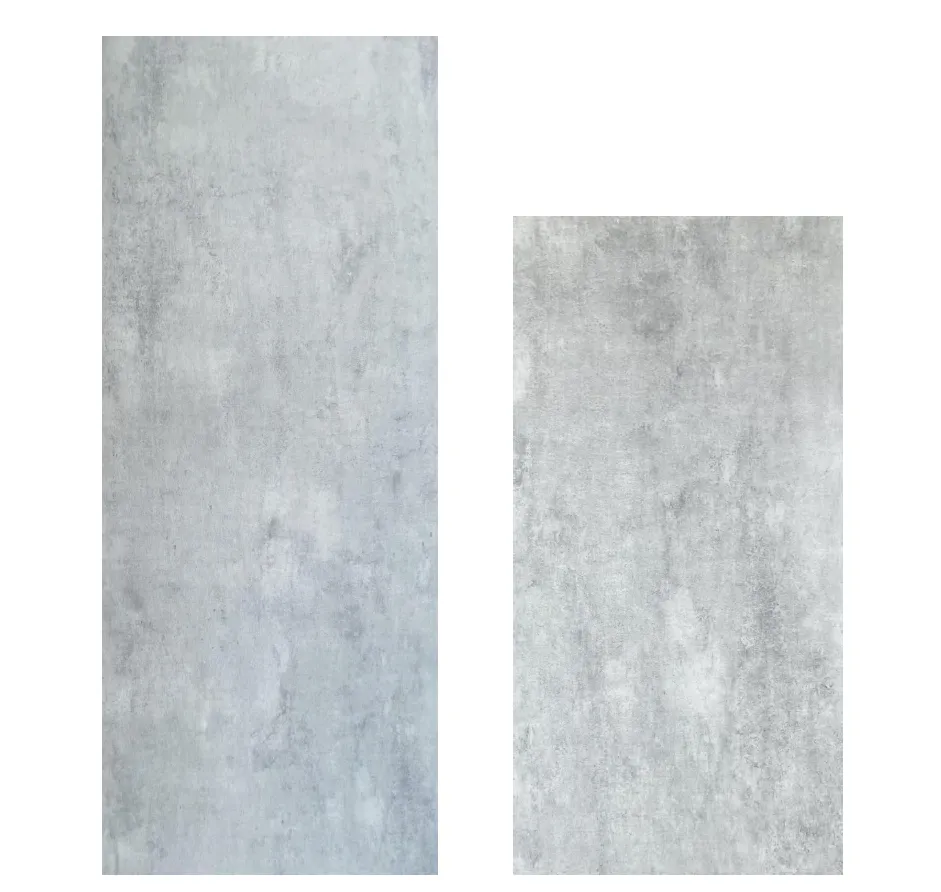
Why Texture Matters: More Than Just a Pretty Surface
Before we jump into the specifics of polished, honed, and rustic finishes, let's take a step back. Why does texture even matter? Think about the last time you ran your hand over a rough-hewn wooden table—how it felt grounding, like a connection to something real. Or the way a glossy countertop in a café makes the space feel bright and energetic, as if it's buzzing with life. Texture engages our senses: sight, touch, even sound (a polished floor might echo slightly, while a rustic one absorbs noise). It also influences mood: polished surfaces tend to feel modern and sophisticated, honed ones calm and understated, and rustic textures warm and inviting.
Marble concrete board, a blend of marble aggregates and high-performance concrete, is uniquely suited to showcase these textures. It's durable enough for high-traffic areas, lightweight enough for creative installations, and customizable to mimic everything from natural stone to industrial concrete. And with finishes that range from mirror-smooth to intentionally rough, it's a material that lets designers speak in any design language they choose.
Polished Finish: The Shiny Showstopper
If polished marble concrete board had a personality, it would be the life of the party—confident, attention-grabbing, and unapologetically glamorous. Picture this: you walk into a luxury boutique, and the first thing you notice is the wall behind the display counter. It's a sheet of marble concrete board, polished to such a high sheen that it reflects the soft spotlights above, turning the products on display into stars. That's the power of polished finish—it doesn't just exist in a space; it elevates it.
What Makes Polished Finish Unique?
Polished marble concrete board is created through a meticulous process: after the board is cast, it's ground down with progressively finer abrasives (think of it like sanding wood, but on a larger scale) until the surface reaches a glass-like smoothness. The result? A finish that's so reflective, it can mirror nearby objects, from furniture to light fixtures. This high gloss doesn't just look sleek—it also enhances the natural color and veining of the marble aggregates. If the board has subtle gray swirls or hints of gold, polished finish will make them pop, turning the surface into a work of art.
Where to Use Polished Finish (And Why)
Polished marble concrete board thrives in spaces where you want to make a statement. Here are a few spots where it truly shines:
- Modern Kitchens & Bathrooms: A polished backsplash or countertop in a kitchen adds instant luxury. It pairs beautifully with minimalist cabinetry—think white or light wood—to create a clean, uncluttered look. In bathrooms, a polished vanity top reflects light, making small spaces feel larger and brighter.
- High-End Retail & Hospitality: Boutiques, hotels, and restaurants often use polished marble concrete board for feature walls or reception desks. It exudes sophistication, which is perfect for brands aiming to convey elegance or exclusivity.
- Entryways & Foyers: Imagine walking into a home or office and being greeted by a polished marble concrete board accent wall. It sets the tone immediately—modern, refined, and memorable.
Pairing Polished Finish with Other Materials
Polished finish is bold, but it plays well with others. For a balanced look, pair it with warmer, more tactile materials. Wood grain board is a fantastic companion—its natural texture softens the polished surface, creating a space that feels both sleek and cozy. For example, a polished marble concrete board kitchen island with wood grain board cabinet doors underneath strikes the perfect balance between modern and organic. Another great pairing? Fair-faced concrete . The raw, industrial look of fair-faced concrete contrasts beautifully with the polished shine, adding depth and edge to a space.
Maintenance: Keeping the Shine Alive
Like any high-gloss surface, polished marble concrete board needs a little TLC to stay looking its best. The good news? It's not as high-maintenance as you might think. Here's what to keep in mind:
- Seal It: Polished surfaces are porous (yes, even with that shine!), so sealing is a must. A quality sealer will protect against stains from coffee, wine, or oil. Reapply every 1–2 years, depending on traffic.
- Watch for Scratches: While durable, polished finish can scratch if you drag heavy objects across it. Use felt pads under furniture, and avoid placing sharp items directly on the surface without a coaster.
- Clean Gently: Stick to mild, pH-neutral cleaners (no harsh chemicals!) and a soft cloth. Wipe up spills quickly to prevent staining, and buff dry to avoid water spots.
Real-World Example: The Urban Café
Let's take a look at a real project: a trendy café in downtown Chicago. The owners wanted a space that felt modern but welcoming, so they chose polished marble concrete board for their bar tops. The high-gloss surface reflects the warm pendant lights above, making the bar area feel lively and inviting. To balance the shine, they paired the bar with wood grain board paneling on the walls—its natural texture adds warmth, while the polished bar keeps the space from feeling too rustic. The result? A café that's Instagram-worthy but still comfortable enough to linger in for hours.
Honed Finish: The Understated Elegance of "Less Is More"
If polished finish is the bold extrovert of the texture world, honed finish is the quiet sophisticate. It doesn't shout for attention; instead, it draws you in with its soft, satin-like glow. Run your hand over honed marble concrete board, and you'll notice it's smooth but not reflective—more like a well-worn silk scarf than a mirror. This understated quality makes it a favorite among designers who want elegance without the drama, and versatility without the fuss.
What Makes Honed Finish Unique?
Honed finish is created by stopping the polishing process earlier than polished finish. Instead of grinding down to a high gloss, the surface is smoothed to a matte or satin texture—think of it as "polished but not perfected." The result is a finish that's velvety to the touch, with a subtle sheen that diffuses light rather than reflecting it. This softness hides minor imperfections, like small scratches or fingerprints, making it a practical choice for high-traffic areas.
Another perk? Honed finish enhances the natural character of the marble aggregates. While polished finish can sometimes make veining look too uniform, honed finish lets the stone's unique patterns breathe—swirls, speckles, and subtle color variations become more pronounced, giving the surface a one-of-a-kind look.
Where to Use Honed Finish (And Why)
Honed finish is all about versatility. It works in both modern and traditional spaces, and it's surprisingly durable. Here are some ideal spots:
- Residential Floors: Unlike polished finish, honed marble concrete board is less slippery when wet, making it a safe choice for bathroom or kitchen floors. It also hides scuffs and footprints better, which is a big win for busy families.
- Outdoor Patios & Pool Areas: The matte texture provides better traction, even in rainy or humid weather. Imagine a backyard patio with honed marble concrete board tiles—they'll withstand the elements while looking elegant year-round.
- Living Room Accent Walls: A honed finish accent wall adds texture without overwhelming the space. It pairs beautifully with neutral furniture and soft lighting, creating a calm, relaxing atmosphere.
Pairing Honed Finish with Other Materials
Honed finish is a team player—it complements almost any material, but it especially shines when paired with natural stones and earthy tones. Travertine (Starry Blue) is a stunning match. Imagine a honed marble concrete board fireplace surround with Starry Blue travertine accents—the travertine's subtle blue speckles pop against the honed surface, creating a space that feels both serene and visually interesting. For a more industrial vibe, pair honed finish with fair-faced concrete and metal fixtures (think black iron or brushed nickel). The combination of matte stone, raw concrete, and sleek metal is modern yet timeless.
Maintenance: Simple and Stress-Free
One of the biggest advantages of honed finish is its low maintenance. Because it's less reflective, it hides dust, fingerprints, and minor scratches better than polished finish. Here's how to care for it:
- Seal Regularly: Like polished finish, honed marble concrete board is porous, so sealing is still important. However, because it's less shiny, you might not notice wear as quickly—set a reminder to reseal every 2–3 years.
- Clean with Ease: A damp cloth and mild soap are usually all you need. For tougher stains, use a stone-safe cleaner (avoid acidic products like vinegar, which can etch the surface).
- Avoid Abrasive Tools: Skip scouring pads or harsh brushes—they can scratch the surface. Stick to soft cloths or sponges.
Real-World Example: The Cozy Home Office
A freelance designer in Portland wanted a home office that felt calm and inspiring—not sterile. She chose honed marble concrete board for her desk surface. The soft, matte texture doesn't glare under her desk lamp, which is essential for long workdays, and it hides coffee ring stains (a common hazard for anyone who works from home!). To add warmth, she paired the desk with a woven (khaki) area rug and a wooden bookshelf. The result? A space that's functional, beautiful, and feels like a retreat from the chaos of the world.
Rustic Finish: Embracing Imperfection for Warmth and Character
Rustic finish is the storyteller of the bunch—it wears its character on its sleeve, with visible tool marks, uneven textures, and a rough-hewn charm that feels like it's been around for decades. Run your hand over rustic marble concrete board, and you'll feel every groove and indentation, as if the stone itself has a history to share. This finish isn't about perfection; it's about authenticity, and it's perfect for spaces that aim to feel cozy, lived-in, and full of personality.
What Makes Rustic Finish Unique?
Rustic finish is intentionally left "unfinished"—it's created by stopping the grinding process early or using specialized tools to add texture (like bush-hammering or sandblasting). The result is a surface that's rough to the touch, with irregularities that mimic natural stone or aged concrete. Some rustic finishes even have visible pores or small pits, which add to their organic, weathered look.
Unlike polished or honed finish, rustic finish doesn't rely on light reflection—it absorbs light, creating a warm, inviting glow. It's the kind of texture that makes a space feel like a cabin in the woods or a historic cottage, even if it's in the middle of a city.
Where to Use Rustic Finish (And Why)
Rustic finish is all about creating atmosphere. It's ideal for spaces where you want to evoke warmth, nostalgia, or a connection to nature:
- Farmhouse & Cottage-Style Homes: Rustic marble concrete board is a natural fit for farmhouses. Use it for accent walls, fireplace surrounds, or even kitchen backsplashes to add that "lived-in" charm.
- Outdoor Spaces: Patios, walkways, and outdoor kitchens benefit from rustic finish's slip resistance and durability. It stands up to rain, snow, and UV rays, and its weathered look only gets better with time.
- Restaurants & Bars with a "Rustic Chic" Vibe: Think of a gastropub with exposed brick, wooden beams, and a rustic marble concrete board bar top. The texture adds to the cozy, welcoming atmosphere, making guests feel like they're dining in a friend's backyard.
Pairing Rustic Finish with Other Materials
Rustic finish loves to play with natural materials. Rough granite stone (medium grey) is a fantastic companion—its bold texture and dark color contrast beautifully with rustic marble concrete board's lighter, more uneven surface. For example, a rustic marble concrete board fireplace with rough granite stone hearth is both functional and visually striking. Another great pairing is wood line —think reclaimed wood beams or shiplap walls. The combination of rough stone and warm wood creates a space that feels grounded and timeless.
Maintenance: Embracing the "Worn-In" Look
Rustic finish is the low-maintenance rebel of the group. Because it's already textured, minor scratches and dents blend in—they actually add to the finish's character! Here's how to care for it:
- Seal for Protection: While rustic finish is durable, sealing helps prevent stains from seeping into the pores. Use a penetrating sealer (one that soaks into the stone) rather than a topical sealer, which can make the texture feel slippery.
- Clean with a Brush: Because of its rough texture, rustic finish can trap dust and debris. A soft-bristled brush (like a broom or a toothbrush for small areas) works better than a cloth for removing dirt from the grooves.
- Embrace Imperfection: Unlike polished or honed finish, rustic finish looks better with age. Don't stress about minor scratches or stains—they're part of the charm!
Real-World Example: The Mountain Cabin Retreat
A family in Colorado wanted their mountain cabin to feel cozy and connected to the outdoors. They chose rustic marble concrete board for the exterior siding and the interior accent walls. The rough texture of the board mimics the nearby rocky cliffs, and its neutral color (a warm beige) blends seamlessly with the natural surroundings. Inside, they paired the rustic board with wood line ceilings and a stone fireplace, creating a space that feels like a retreat from the modern world. When guests walk in, they immediately comment on how "homey" it feels—and much of that is thanks to the rustic marble concrete board's inviting texture.
Polished vs. Honed vs. Rustic: Which Finish Is Right for You?
Choosing between polished, honed, and rustic finish can feel overwhelming, but it doesn't have to be. It all comes down to your space, your style, and how you want the room to feel. To help you decide, here's a quick comparison:
| Finish Type | Texture Feel | Reflectivity | Best For | Maintenance Level | Mood |
|---|---|---|---|---|---|
| Polished | Smooth, glass-like | High (mirror-like) | Modern kitchens, high-end retail, entryways | Medium (needs regular sealing, shows scratches) | Elegant, sleek, energetic |
| Honed | Soft, satin-like | Low (diffused glow) | Bathrooms, living rooms, outdoor patios | Low (hides imperfections, easy to clean) | Calm, sophisticated, understated |
| Rustic | Rough, textured, uneven | Very low (absorbs light) | Farmhouses, outdoor spaces, rustic bars | Low (hides wear, minimal upkeep) | Cozy, authentic, warm |
Factors to Consider
Still unsure? Ask yourself these questions:
- How much traffic will the space get? High-traffic areas (like kitchens or entryways) may benefit from honed or rustic finish, which hide wear better than polished.
- What's the lighting like? Dark spaces can feel brighter with polished finish (which reflects light), while bright rooms may feel calmer with honed or rustic finish (which diffuses or absorbs light).
- What's your design style? Modern and minimalist? Go polished. Farmhouse or cottage? Rustic is your friend. Classic or transitional? Honed is a safe bet.
- Do you mind maintenance? If you're short on time, rustic or honed finish is easier to care for than polished.
Trends in Marble Concrete Board Finishes: Mixing, Matching, and Breaking Rules
Design is all about creativity, and these days, the best designers aren't sticking to one finish—they're mixing and matching to create unique, layered spaces. Here are a few trends to inspire you:
Mixing Finishes in One Space
Why choose just one finish when you can have two? For example, a kitchen with polished marble concrete board countertops and honed marble concrete board backsplash. The polished countertops add luxury, while the honed backsplash adds texture and hides splatters. Another idea: a bathroom with a rustic marble concrete board shower surround and a polished vanity top—the contrast between rough and smooth creates visual interest.
Playing with Color and Texture
Marble concrete board comes in a range of colors, and pairing different colors with different finishes can take your design to the next level. For example, lunar peak silvery (a light, silvery gray) with polished finish feels modern and futuristic, while the same color with rustic finish feels more industrial and edgy. Don't be afraid to experiment—color and texture together can tell a powerful story.
Bringing the Outdoors In
With more people craving connection to nature, designers are using rustic and honed finishes to blur the line between indoor and outdoor spaces. Imagine a living room with a rustic marble concrete board accent wall that matches the stone patio outside—step inside, and you'll still feel like you're surrounded by nature.
Final Thoughts: Let Texture Tell Your Story
At the end of the day, marble concrete board's finishes—polished, honed, and rustic—are more than just surface treatments. They're tools to tell your story, whether that story is one of modern elegance, understated calm, or rustic warmth. The key is to choose a finish that aligns with how you want to feel in a space, not just how you want it to look.
So, whether you're designing a kitchen, a café, or a mountain cabin, take a moment to think about texture. Run your hand over samples, imagine how light will play off the surface, and consider how the texture will make you feel day in and day out. With marble concrete board, the possibilities are endless—and the right finish can turn a house into a home, a store into a destination, and a space into a memory.










